
Why did the Mayan civilization come to an end?
Maya civilization still have never truly been conquered as their culture and spirit has seemingly continued unbroken until this day
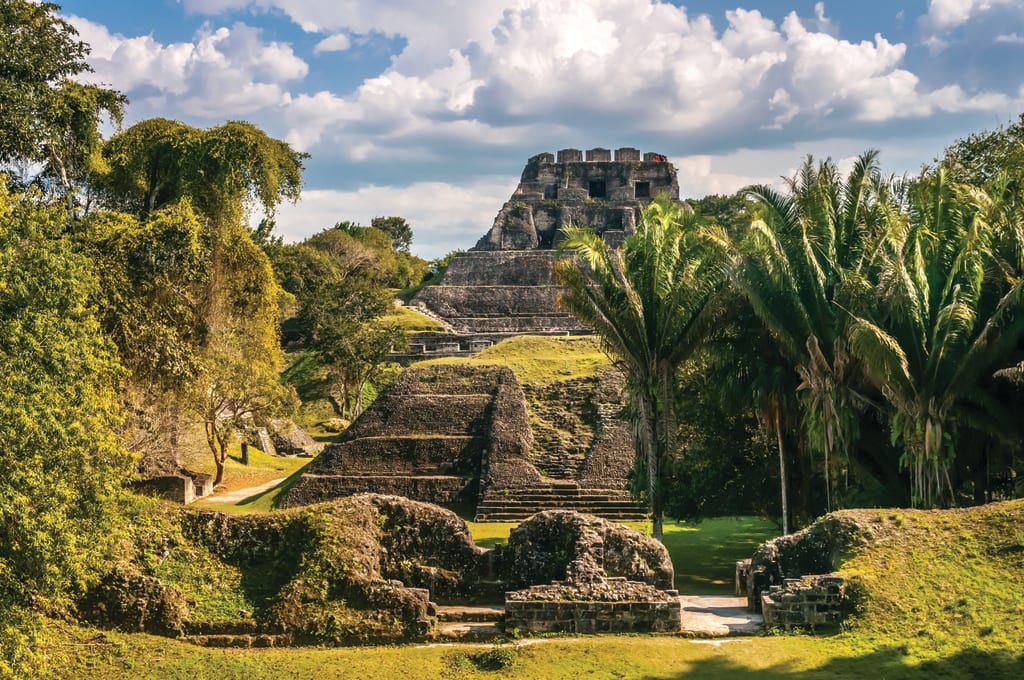
By the beginning of the 8th century, the Maya civilization was at its peak, constructing and maintaining cities of such size that future researchers speculated that they could have been constructed by the Lost Tribes of Israel or the phoenicians. However, only 150 years later, the thriving Classic Maya civilization was in a state of collapse, undergoing one of the most destructive social and demographic shifts in human history. Despite this, the Maya would not succumb to Spanish conquest until 1697, almost two hundred years after the Aztec and Inca eras. The Maya story is a tale of triumph and tragedy, where ancient empires are destroyed but new powers emerge.
It is widely accepted that the Maya civilization in the south of the Lowlands experienced a collapse, however, there is no documented evidence of this collapse from the Mayans themselves. The only records available to us are those of God Kings, and these records have been lost. What is known is that alliances began to break down in the 8th and 9th centuries, trade began to decline, and intense conflicts began to spiral out of control. The most notable example is the Tikal Collect More Wars, which can be seen in the previous video. By the 830s, the large-scale constructions associated with the Maya had largely ceased, and at the IMTA, the last date carved on the still is 16th January 9 10, marking the end of the classic urban culture of the Maya.
The collapse of the Maya civilization, similar to the decline of Rome and the Hittites, has been attributed to multiple causes. It is generally agreed that three main factors were at the root of the collapse: warfare, environmental collapse, and drought. The first cause is likely to have been warfare, as it was the first to arrive as the southern lowlands were plagued by increasing levels of violence and destruction. The Maya Kings had been engaged in warfare since the pre-classic period, but the level of conflict had escalated, now interrupting the lives of the inhabitants. The temples and palaces that had once been the pride of Maya cities were destroyed, some even completely destroyed, in order to construct fortifications that began to appear around the cities that had previously been unoccupied. Some of these fortifications even had defensive walls that ran right through the center of the settlements. The pyramids were left incomplete, and the kings who had not yet been buried were left unburied. Hundreds of thousands of refugees from the countryside arrived in the cities, swelling their populations. Tikal, which had a population of approximately 60 to 80 thousand during the majority of its history, may have seen its population rise to 200 thousand during this period.
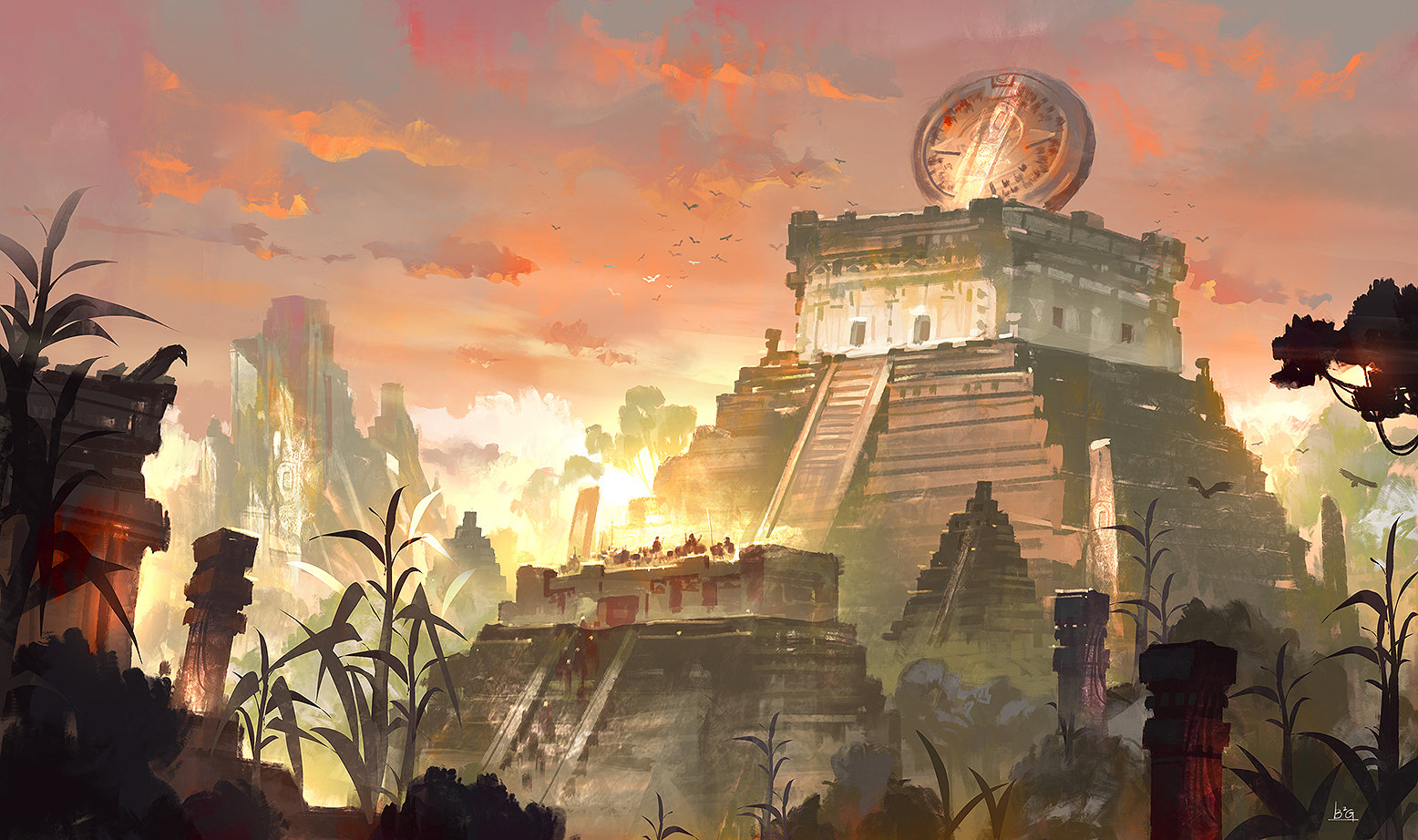
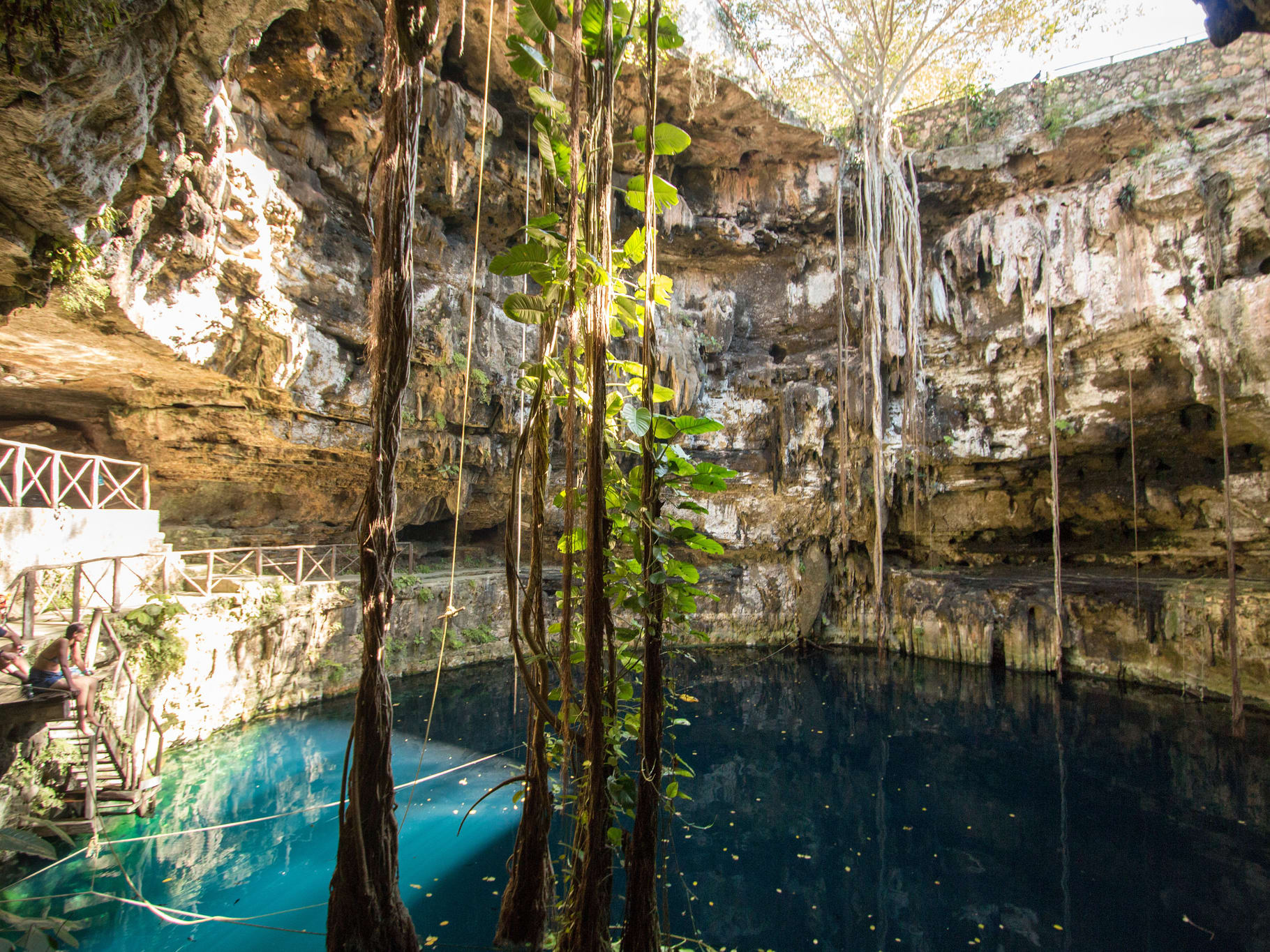
The Yucatan was a hostile environment for the Maya, who had to develop sophisticated and expensive methods to survive in it. To fuel their ever-expanding cities, they had to clear vast areas of forests, which caused soil erosion in an environment where soils were already thin. The Mayan city-states' success was ultimately doomed by drought, which caused a 40-year drought between 822 and 860 AD, followed by a 100-year drought between 1000 and 1100.
The Maya civilization endured a tumultuous history marked by incessant warfare and declining agricultural productivity. For centuries, Maya kings engaged in rivalries, and farmers struggled to cultivate corn in dry, unyielding soil, leading to despondency. To appease the gods and maintain favor, often vested in the king within Maya culture, became an arduous task.
As the Maya kings failed to secure divine blessings and bring forth rain, the populace may have contemplated rebellion. Bloody uprisings loomed ominously over the cities, and the institution of divine kingship began to wane. These adversities, individually manageable, combined to create a catastrophe. The Maya civilization faced a confluence of complex and compounding factors.
However, not everyone perished in the wake of this collapse. The southern lowlands, with a population in the millions, witnessed a mysterious migration north during the Terminal Classic period. In contrast to the dwindling southern cities, the northern lowlands flourished. The Maya did not vanish as a popular misconception suggests; instead, their civilization underwent a profound transformation.
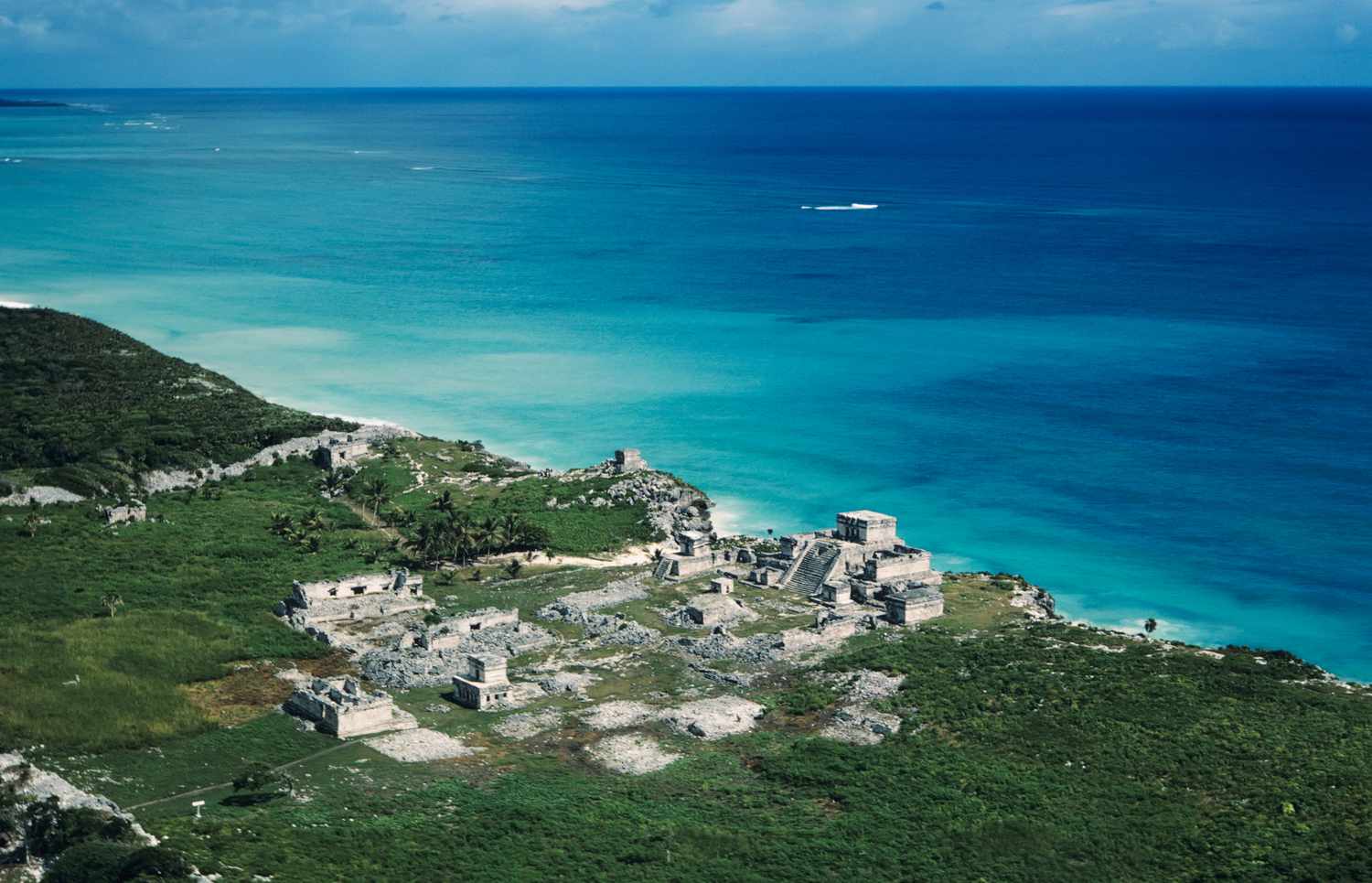
Chichen Itza emerged as a regional power, adapting to political changes by replacing god-kings with ruling councils and dominating trade routes, particularly salt. It served as the political hub of the northern lowlands from the 10th to the 13th centuries. Notably, iconic structures like El Castillo, which, during equinoxes, produced a striking serpent-like effect on its staircase, were constructed.
Mayapan assumed regional power after Chichen Itza's decline in the 11th century, yet it too would be abandoned in 1448 due to natural disasters and heightened warfare. This period of upheaval persisted until around 1511 when the Spanish arrived. The Spanish conquest marked the beginning of the end for independent Maya civilization.
The Spanish brought devastating diseases like smallpox, influenza, and measles, causing unparalleled destruction among native populations. The conquest of the Maya was a protracted struggle, unlike the quick subjugation of the Aztecs or Incas. The Maya, lacking a centralized authority, employed guerrilla tactics against the Spanish.
By 1542, the Spaniards established their control over the region with the founding of Merida as the capital. They had to conquer each Maya city or group separately, and certain powerful Maya entities sided with the Spanish for short-term benefits.
The Maya resisted the Spanish for many years, and the final holdout was the City of Nojpetén, controlled by the Itza people. It was situated in a lake in northern Guatemala, surrounded by defensive walls. It fell in 1697 after a siege led by Martin de Ursua.
Although resistance persisted, the Maya never fully regained their former independence. Rebellions in the 19th and 20th centuries came close but didn't restore their previous stature. Today, seven million Maya live in various regions, from Guatemala to Belize and beyond, some integrating into Hispanic mestizo culture, while others maintain traditional ways, preserving their languages and ancient calendars. The Maya civilization, a resilient and enduring culture, has experienced numerous rises and falls, yet its spirit and heritage persist unbroken to this day.
About the Creator
Enjoyed the story? Support the Creator.
Subscribe for free to receive all their stories in your feed.
Comments
There are no comments for this story
Be the first to respond and start the conversation.