
When American Veterans Took Up Arms for the Ballot Box
The Battle of Athens, Tennessee, remains a powerful reminder of what can happen when elected officials forget whom they serve.

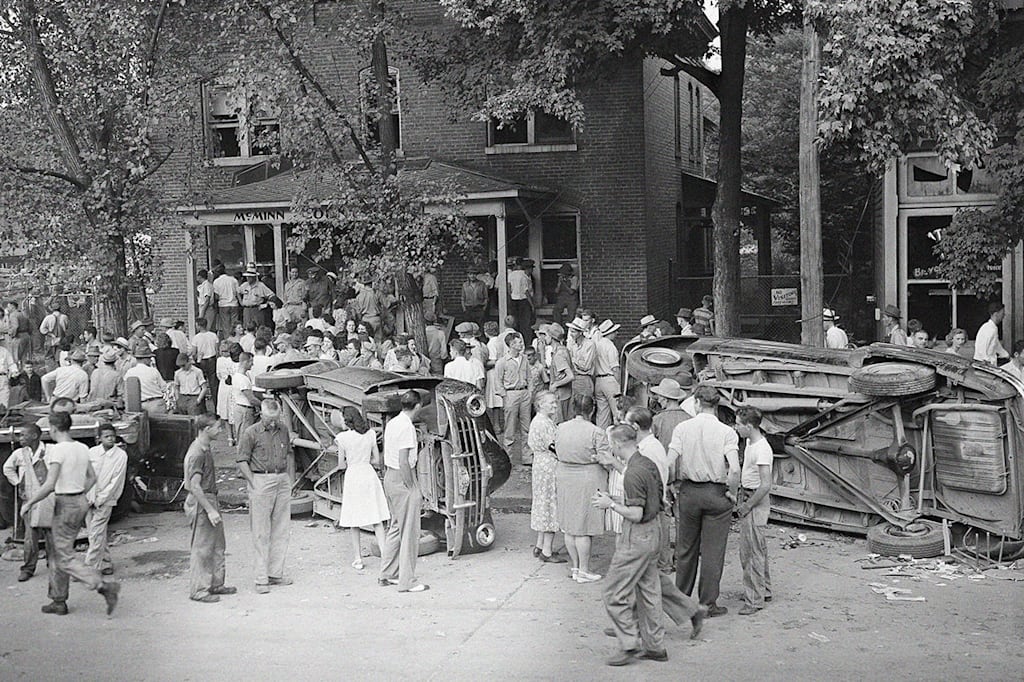
This is a true story about American veterans who returned home from World War II only to find their own community under the grip of political corruption. On August 1, 1946, the people of McMinn County, Tennessee, went to the polls expecting to choose their local leaders. By the following morning, the county seat of Athens had become the center of an armed uprising that would capture national attention. Men who had fought dictatorships overseas had taken up arms against their own local government, determined to prevent what they believed was a stolen election.
The Battle of Athens, sometimes called the McMinn County War, was more than a violent confrontation between citizens and law enforcement. It was the culmination of years of political intimidation, alleged election fraud, and public frustration with a courthouse machine that seemed accountable to everyone except the people it governed.
Nearly eight decades later, the story carries an unsettling relevance. The circumstances of American politics have changed, yet the fundamental question remains. What happens when those entrusted with public power begin acting as though that power belongs to them?
For roughly a decade, McMinn County politics had been dominated by a political organization associated with state senator Paul Cantrell, Sheriff Pat Mansfield, and Memphis political boss E. H. Crump. Historical accounts describe a system in which political loyalty, patronage, and intimidation helped maintain control. The machine was also associated with bootlegging and gambling interests, while citizens and visitors complained of questionable fees and arbitrary enforcement.
The problems extended beyond political favoritism. McMinn County struggled economically even as neighboring communities experienced significant wartime growth. Knoxville, Chattanooga, and Oak Ridge benefited from industrial expansion and military-related employment. In Athens and the surrounding county, residents continued to face limited opportunities and neglected public services.
The return of servicemen after World War II brought these frustrations into sharper focus. McMinn County had sent a substantial share of its population into military service. These men had experienced a world at war, witnessed the consequences of authoritarian rule, and returned home expecting the freedoms they had defended to mean something in their own communities.
Instead, many believed their local government had become an obstacle to honest elections and economic progress.
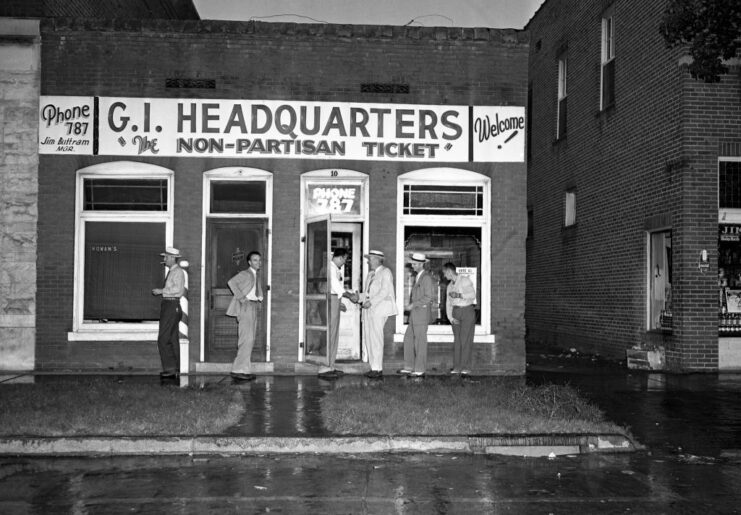
In 1946, returning veterans organized the GI Non-Partisan League. Rather than merely complain about the existing political establishment, they recruited candidates to challenge it. Their ticket included Republicans and Democrats, emphasizing that the campaign was intended to unite citizens around clean government rather than a single party.
Their slogan expressed the central promise of a democratic election. “Your Vote Will Be Counted As Cast.”
It was a straightforward demand, yet in McMinn County, even that basic assurance had become a source of conflict. The veterans believed their community deserved honest elections, responsible leadership, and the opportunity to choose its own future.
The stakes were high on August 1. The veterans feared that the established political organization would use its influence to manipulate the results. Sheriff Mansfield had assembled a large force of special deputies, and reports of intimidation at polling places intensified suspicions.
The veterans' poll watchers challenged questionable practices. Tensions rose as some observers were removed or arrested. Accounts of the election describe confrontations between deputies and men associated with the GI ticket, deepening the belief that the machinery of government was being used to protect the incumbents rather than safeguard the vote.
The decisive crisis came when ballot boxes were taken to the county jail, where armed deputies and officials refused to provide the access the challengers demanded. The veterans suspected that the votes would be altered, discarded, or otherwise manipulated behind closed doors.
Their fears might have been addressed through a transparent count and independent scrutiny. Instead, the standoff escalated.
A group of veterans obtained weapons and ammunition from the local National Guard armory. Armed men gathered near the jail and demanded the ballot boxes. The deputies refused to surrender them, and gunfire erupted.
What followed was an hours-long battle involving hundreds of people. The jail became the focal point of a confrontation between armed deputies inside and veterans and other citizens outside. The exchange of gunfire continued into the night, with wounded men caught in the chaos.
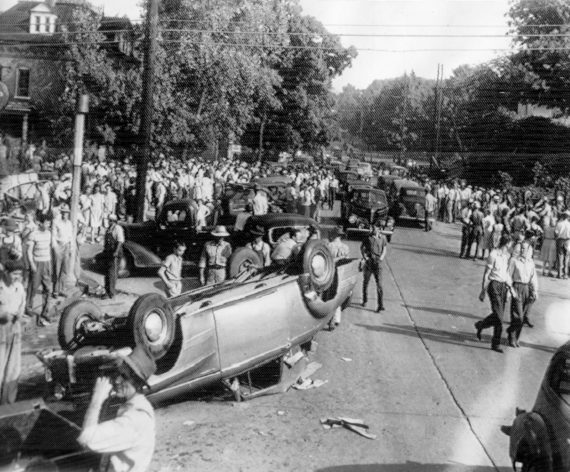
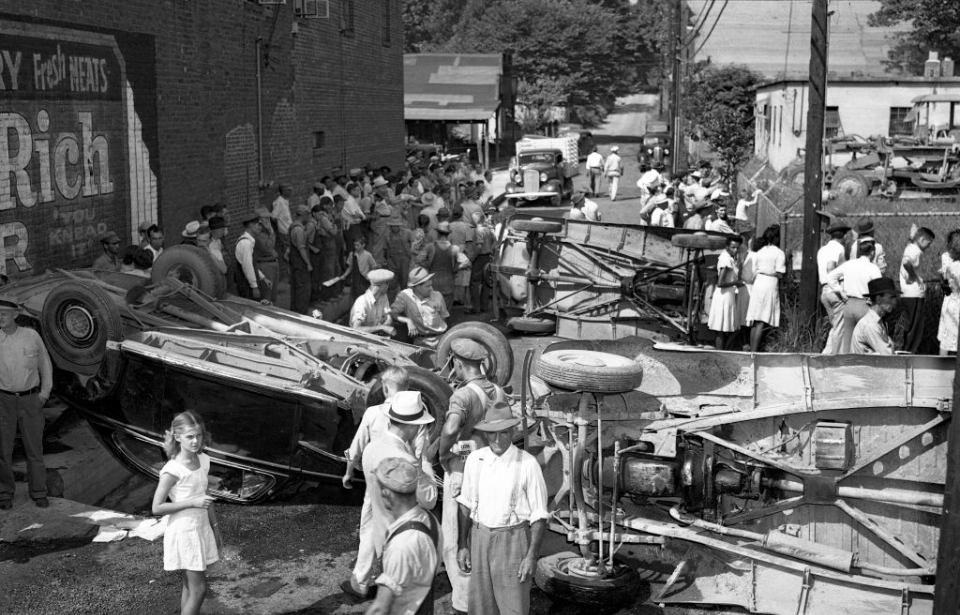
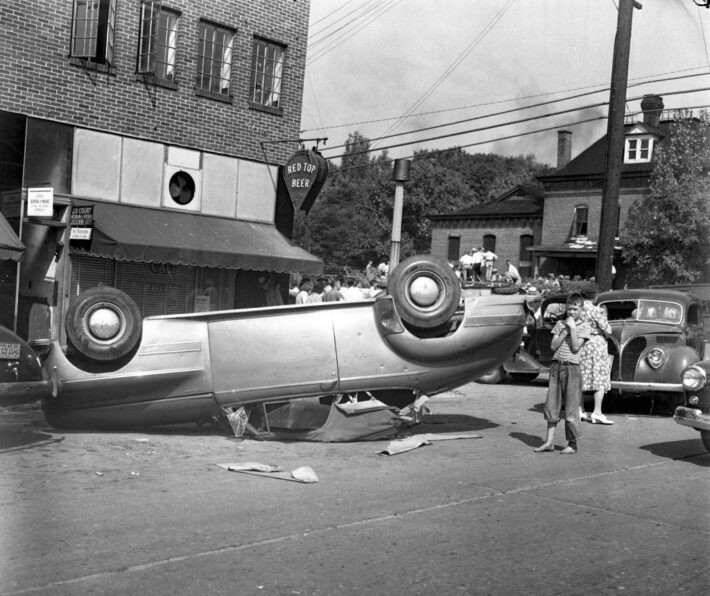
Eventually, the veterans used dynamite against the front of the jail. The explosion damaged the entrance, and the deputies inside surrendered. The immediate battle ended, yet anger remained in the streets. Police vehicles were overturned and burned, and the unrest continued after the gunfire subsided.
The episode was extraordinary even by the standards of a country still adjusting to the violence and upheaval of a world war. A local election dispute had become an armed rebellion against the very officials responsible for administering the election.
In the days that followed, the political establishment that had dominated McMinn County for years lost its hold on local government. The election commission declared the GI Non-Partisan League candidates the winners, and the veteran slate took office. Knox Henry, a former Army Air Forces serviceman, became sheriff.
The victory was significant, yet it did not mean the county's problems disappeared overnight. The veterans' Good Government League struggled to fulfill its reform promises, and the aftermath brought its own challenges. Some residents celebrated the defeat of the old political machine, while others were troubled by the precedent set when citizens resorted to weapons and explosives to settle a political dispute.
National coverage was often sensational. The image of armed former soldiers battling local authorities reinforced stereotypes about East Tennessee and its people. For many residents, the publicity brought embarrassment rather than pride. Their community had become a national headline for violence, even as the underlying grievances about corruption and election integrity received less attention than the dramatic confrontation.
The Battle of Athens also demonstrated the limits of a single victory. Removing one political organization could not, by itself, guarantee honest government, sound public policy, or lasting accountability. Reform required institutions capable of functioning independently of political bosses and officials who understood that public office was a responsibility rather than a personal possession.
It is tempting to remember the men of 1946 as heroes who settled the matter once and for all. History is rarely that simple. Their willingness to take up arms raises serious questions about violence, the rule of law, and the dangers of deciding that a righteous cause justifies any means of pursuing it.
Yet it is equally important to understand what brought them to that point. They believed the ordinary safeguards of democracy had failed them. They believed officials had placed their own interests above the rights of voters. They refused to accept the idea that winning an election was something the powerful could arrange among themselves.
Their actions should be examined honestly, and the corruption and intimidation that provoked the uprising deserve equal scrutiny.
That distinction deserves attention today. It is profoundly sad to watch Americans continue to support a government they believe is corrupt, particularly when the actions of public officials appear to contradict the principles of accountability, fairness, and democratic representation. Political loyalty can become dangerous when it persuades people to excuse conduct they would condemn if it came from the opposing party.
The men who organized the GI Non-Partisan League did not all share the same political affiliation. Their campaign brought together Republicans and Democrats around a common demand. The people must have a meaningful voice in choosing their representatives. Their example challenges us to consider whether our own political loyalties serve that principle or undermine it.
Would the veterans of 1946 have stood silently by if they believed their government was betraying the public trust? We cannot know precisely how they would respond to today's political problems. They were individuals with different beliefs, temperaments, and experiences, rather than a single political bloc whose opinions can be assumed.
Their actions nevertheless offer a compelling lesson. They understood that democracy requires more than casting a ballot every few years. It depends on citizens who pay attention, question those in power, demand transparent elections, and refuse to treat public officials as people who stand above accountability.
The lesson is especially important when political leaders face credible allegations of misconduct or evidence that deserves serious scrutiny. A party, a personality, or a campaign slogan should never matter more than the integrity of the government itself. Elected officials deserve scrutiny regardless of party affiliation, and citizens must retain the right to ask difficult questions.
The veterans of McMinn County returned from a war fought against tyranny abroad and discovered that the principles they had defended could not be taken for granted at home. Their response was extraordinary, violent, and deeply consequential. Their story reminds us that a government belongs to its people, rather than to the individuals who temporarily occupy its offices.
We honor those veterans by defending the democratic principles they believed were worth fighting for. Honest elections, accountable leadership, and a public that refuses to confuse loyalty with obedience.
The ballot box was the heart of the Battle of Athens. Its enduring lesson is that the vote belongs to the people, and those entrusted with counting it must never be allowed to forget that fact.
About the Creator
Tim Carmichael
Let your becoming be louder than your fear, and your smallest steps become the road you once thought impossible to walk. An Appalachian poet and cookbook author my book Beautiful and Brutal Things is on Amazon, Link 👇
Enjoyed the story? Support the Creator.
Subscribe for free to receive all their stories in your feed. You could also become a paid subscriber, letting them know you appreciate their work.
Comments
There are no comments for this story
Be the first to respond and start the conversation.