
The Hidden Truth Behind the Pain
A story of silent suffering, hidden emotions, and the truth no one ever saw…”

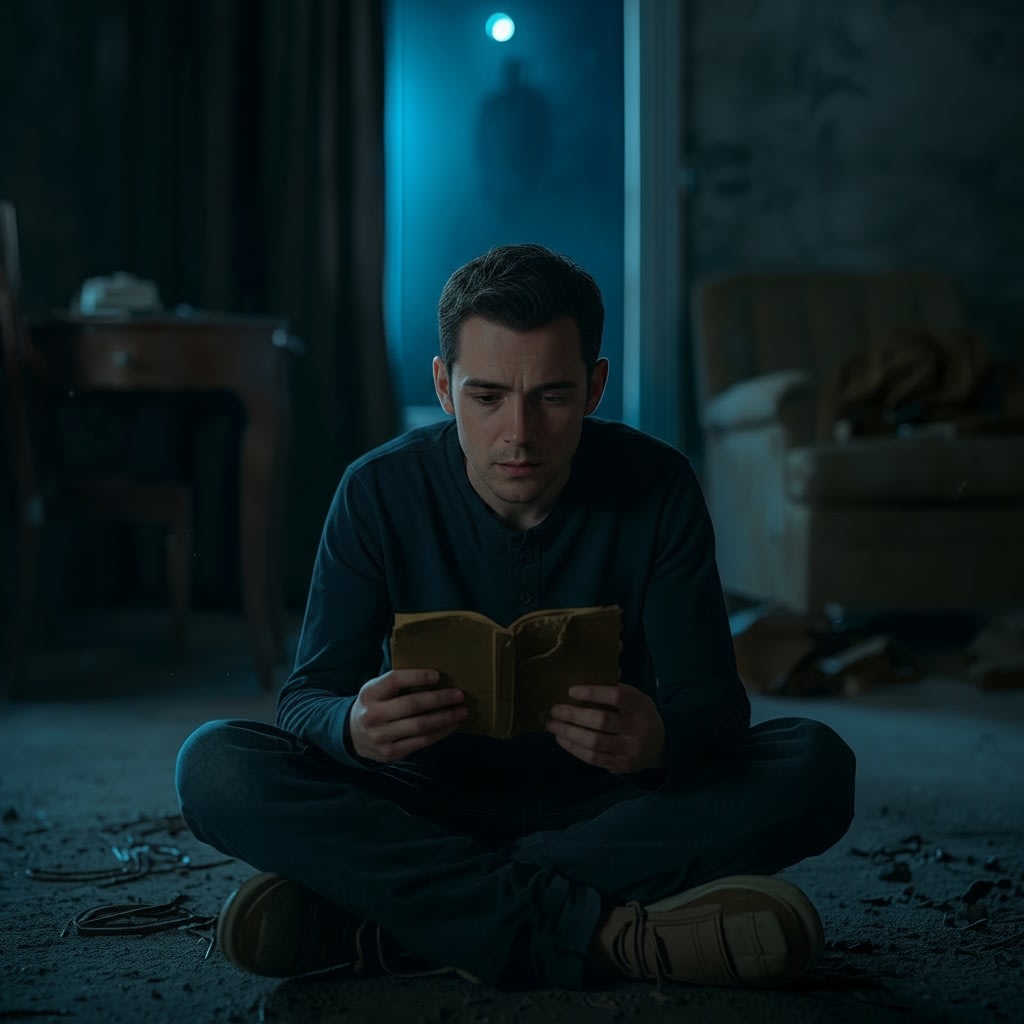
There are stories that people tell with a smile, and then there are stories that live behind their eyes, never spoken, never fully explained. This is one of those stories—the kind that hides behind silence, behind forced laughter, and behind nights where sleep never comes easily.
My name is Amir, and for most of my life, people thought I was fine. I was the quiet boy who always said “I’m okay” even when I wasn’t. I learned early how to hide pain because in my home, pain was not something you talked about. It was something you swallowed.
I grew up in a small house at the edge of a dusty town. We didn’t have much, but we had enough to survive. My father worked long hours, and my mother tried her best to keep everything together. From the outside, we looked like a normal family. But inside, things were different.
The first time I truly understood pain, I was thirteen. It wasn’t a loud moment. It didn’t come with shouting or drama. It came quietly, like a door closing forever.
My father had been sick for months, but no one told me how serious it was. Adults always think children don’t understand, but children understand more than they are given credit for. I could see it in my mother’s eyes—the fear she tried to hide behind her tired smile.
One evening, I came home from school and the house felt… different. Too quiet. My mother was sitting on the floor, holding something in her hands. I still remember the way her shoulders shook before I even understood why.
My father was gone.
I don’t remember crying immediately. I remember confusion first. Like my mind refused to accept the truth. I kept waiting for someone to say it was a mistake, that he would walk through the door any moment, tired but smiling.
But he never did.
That night changed everything.
After that, life became a routine of pretending. People would ask how I was, and I would answer automatically: “I’m fine.” It became my shield. My mother stopped talking much. She worked harder, smiled less, and aged faster in front of my eyes.
But the real pain was not just losing my father. It was what came after—the silence that filled every corner of our lives.
Years passed. I grew older, but the weight inside me never grew lighter. I started to realize something strange: pain doesn’t disappear with time. It only learns how to hide better.
At school, I was known as the “strong one.” The one who never complained. The one who always stayed calm. But inside, I was breaking in ways no one could see.
I remember one day clearly. It was raining heavily. I was sitting alone near a classroom window, watching other students laugh and talk. For a moment, I felt something inside me crack open. Not sadness exactly—something deeper. A realization that I was living a life where I was never truly present.
That was when I understood the hidden truth behind my pain: I was not living for myself. I was surviving for others.
I had built my entire personality around being “okay,” even when I was not.
One evening, I found an old notebook of my father’s. Inside were short notes, unfinished thoughts, and one sentence that stayed with me forever:
“People don’t always die when they leave. Sometimes they die when we stop remembering who they were.”
I closed the notebook and cried for the first time in years.
Not because I had forgotten him—but because I realized I had been trying so hard to move on that I had stopped remembering him properly.
After that night, something changed in me. I started writing. At first, just small thoughts. Then memories. Then emotions I had buried for years. Writing became the only place where I didn’t have to pretend.
I wrote about my father, about my mother’s silent strength, about the nights I felt alone even in a crowded room. Slowly, I began to understand something important: pain is not only something that destroys you. It is also something that shapes you.
But only if you face it.
Years later, I stood in the same house where everything had changed. The walls were still the same, but I was not. My mother was older now, but her eyes had softened again. We didn’t need many words anymore.
I finally told her everything I had kept inside for so long. She listened without interrupting. When I finished, she said something simple:
“We survived because we had to. But you… you are allowed to live now.”
Those words stayed with me.
That was the moment I understood the real hidden truth behind pain: it is not meant to be carried forever. It is meant to be understood, felt, and eventually released.
Pain will always leave a mark. But that mark does not have to be a wound forever. It can become a reminder of strength, of survival, of everything you overcame when you thought you couldn’t.
Today, when people ask me how I am, I don’t always say “I’m fine” anymore. Sometimes I say, “I’ve been through a lot, but I’m still here.”
Because that is the truth.
And sometimes, the truth is more powerful than pretending to be okay.
About the Creator
Heart Touching Stories
I write emotional and real-life stories that touch hearts and inspire minds. Follow for powerful stories about struggle, love, and success.
Enjoyed the story? Support the Creator.
Subscribe for free to receive all their stories in your feed.
Comments
There are no comments for this story
Be the first to respond and start the conversation.