
The African Kingdoms That Rivaled Ancient Rome
(And Why You Were Never Taught About Them)
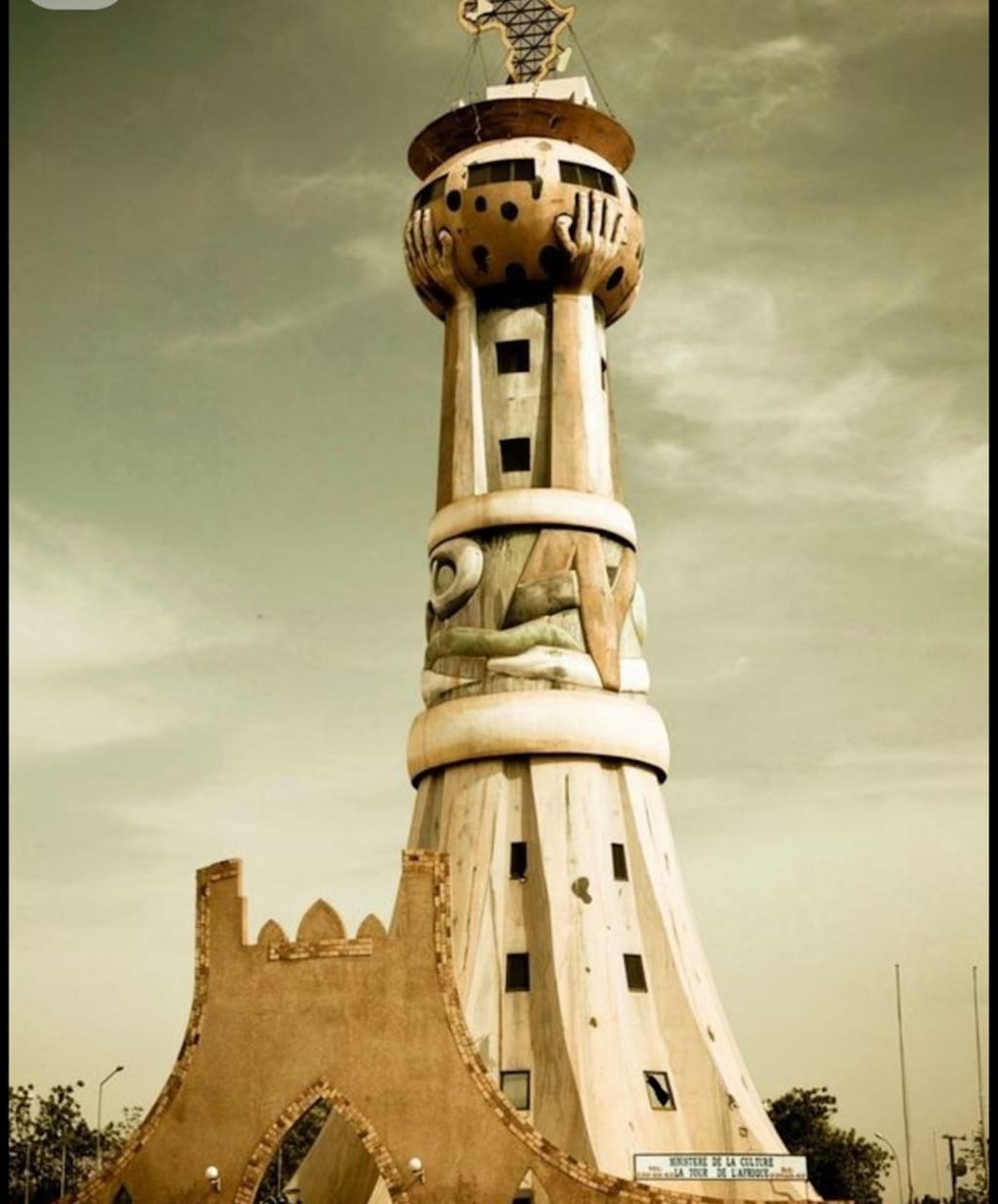
Let's be honest. When most of us think about the ancient world — the great empires, the dazzling cities, the military generals who changed the course of history — we think of Rome. We think of Greece. Maybe Egypt, if the curriculum was feeling generous that day. But here is what your history teacher never told you: while Rome was busy building its empire, Africa had already been there, done that — and in some cases, done it better.
The story of Africa's great ancient kingdoms was not lost by accident. It was buried. Deliberately. Systematically. Because an accurate account of African civilization threatened the very narratives that colonial powers needed the world to believe. So they left it out of the textbooks. And generations of students around the world — including in Africa itself — grew up thinking the continent had nothing to offer the ancient world. That lie ends here.
Carthage: The Empire That Made Rome Sweat
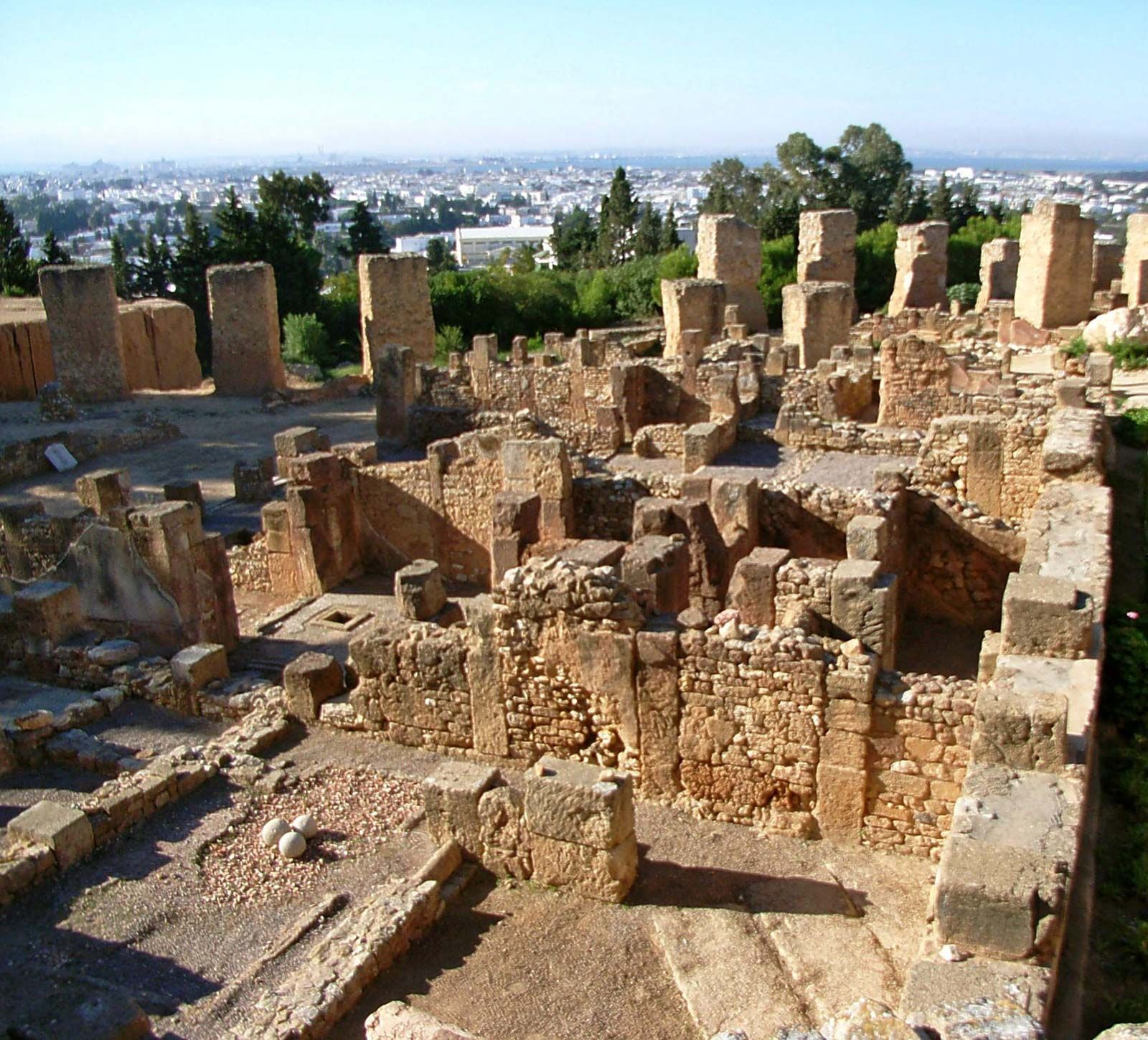
If Rome had a nightmare, it wore the face of Carthage. Based around modern-day Tunisia, Carthage was a sea empire and North African commercial superpower that controlled trade routes across the Mediterranean and accumulated wealth that made Roman senators deeply uncomfortable.
These two ancient superpowers clashed in three bloody conflicts known as the Punic Wars, beginning in 264 BCE and ending in 146 BCE with the near-total destruction of Carthage. But here is the part that gets buried in footnotes: before Rome finally crushed it, Carthage gave Rome the fight of its life. The Carthaginian general Hannibal Barca crossed the Alps with war elephants — war elephants — and marched straight into the heart of Roman territory, defeating Roman armies in battle after battle for over a decade. Rome did not defeat Carthage easily. Rome survived Carthage barely.
The Kingdom of Kush: More Pyramids Than Egypt, More Power Than You Know
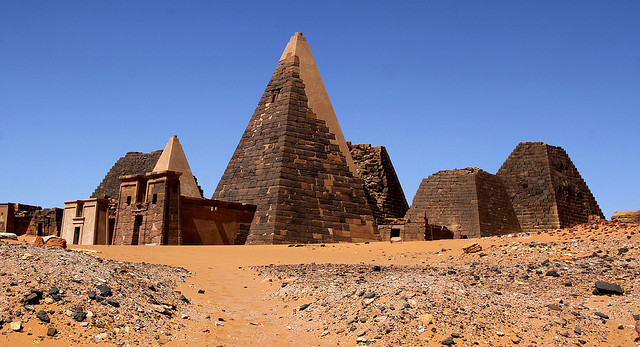
Here is a fact that will stop you in your tracks: Sudan has more pyramids than all of Egypt. Read that again. The country most people associate with war and poverty sits on top of one of the most extraordinary ancient civilizations the world has ever seen — the Kingdom of Kush.
Though often overshadowed by its Egyptian neighbors to the north, the Kingdom of Kush stood as a regional power in Africa for over a thousand years, reaching its peak in the second millennium BCE when it ruled over a vast swath of territory along the Nile River in what is now Sudan.
But Kush did not just exist alongside Egypt. At its height, it ruled Egypt outright. Kushite pharaohs sat on the Egyptian throne. Let that sink in. Gold, ivory, ebony, incense, and exotic animals flowed through Kushite territories, generating immense wealth that funded grand architectural projects and military campaigns. They developed their own writing system — the Meroitic script — and one of the most remarkable features of Meroitic society was the prominence of powerful queens known as Kandakes. These were not ceremonial figures. These were warrior queens who commanded armies and negotiated with empires. One Kandake famously went head-to-head with the forces of Augustus Caesar — and walked away with her terms met.
The Kingdom of Aksum: Sitting at the Table With the Giants
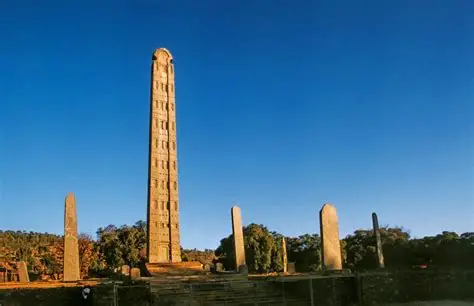
If Carthage was Rome's rival and Kush was its equal in the south, then Aksum was something even more remarkable — a kingdom so powerful, so wealthy, and so globally connected that ancient writers placed it in a category with only three other civilizations on earth.
Aksum was considered one of the four great powers of its time alongside China, Rome, and Persia. Not one of the promising up-and-comers. Not a regional player worth monitoring. One of the four. Full stop.
Located in modern Ethiopia and Eritrea, Aksum became a major center of trade, religion, and culture, sitting at the crossroads of Africa, the Middle East, and the Mediterranean. It was one of the first states to officially adopt Christianity and the first sub-Saharan African kingdom to mint its own coins — a sign of a sophisticated economy that went far beyond simple barter systems. Their towering stone obelisks, some standing nearly 79 feet tall and over 1,700 years old, were not built by a struggling civilization scraping for resources. They were built by a kingdom flush with power, confidence, and the architectural ambition to match.
So Why Were You Never Taught This?
Because history, as it has been written and distributed globally, was never just about the past. It was always about power. Colonial education systems needed Africa to appear as a blank slate — a continent without history, without sophistication, without greatness — in order to justify what was being done to it. Teaching children in Europe and America about Carthage's generals or Aksum's global trade dominance or Kush's warrior queens would have raised inconvenient questions. So those stories were quietly shelved.
But the monuments are still standing. The gold is still being excavated. The records are still being translated. And the truth has a habit of outlasting the people who tried to bury it.
Africa was not waiting for civilization to arrive. Africa was civilization. The rest of the world was just late to the lesson.
About the Creator
Enjoyed the story? Support the Creator.
Subscribe for free to receive all their stories in your feed.
Comments
There are no comments for this story
Be the first to respond and start the conversation.