World History
The 2,000-Year-Old Roman Parade Helmet
In May 2010, a remarkable discovery was made in Cumbria, a picturesque county in northwestern England, by a local treasure hunter using a metal detector. Buried beneath the soil for nearly two millennia lay a beautifully preserved Roman helmet and mask, dating from the late 1st to early 2nd century AD. The helmet, believed to have been used by Roman nobles during cavalry parades, offers a rare glimpse into the ceremonial splendor of ancient Rome’s military tradition. When it was sold at Christie's Auction House in London in April 2023 for an astounding $3.6 million—eight times its estimated value—it became one of the most famous Roman artifacts discovered in the UK. The Roman Cavalry Helmet: Form and Function Unlike the functional, battle-worn helmets worn by Roman soldiers on the frontlines, the Cumbria helmet, with its delicate craftsmanship and ornamental design, was likely used for ceremonial purposes. The helmet and face mask are made from highly polished bronze and feature a Phrygian-style cap—a design inspired by the distinctive conical hats worn by the ancient Phrygians of Asia Minor. This detail alone sets it apart as a high-status object, meant to impress rather than protect. One of the most striking features of the helmet is the solid-cast bronze griffin perched on top of the cap. The griffin, a mythological creature with the body of a lion and the head and wings of an eagle, symbolized strength and guardianship in Roman culture. Its presence on this parade helmet suggests that the wearer was either a person of high rank or a competitor in one of Rome’s elaborate military games, where symbolism and showmanship were paramount. The griffin’s placement atop the helmet was likely intended to catch the light and draw the attention of spectators, adding to the grandeur of the ceremonial events. The face mask itself, with its finely sculpted features, was another important part of the helmet's design. Likely modeled to resemble the idealized face of a Roman noble, the mask would have lent an air of majesty and anonymity to the wearer, transforming them into a living embodiment of Rome’s power and prestige. The expression on the mask is serene, yet powerful, reflecting the Roman ideal of stoic calm even in the face of danger or competition. A Helmet for Cavalry Parades and Sports This helmet was not designed for the battlefield but for appearances at cavalry parades and sporting events, particularly in what was known as hippika gymnasia, or cavalry games. These events, which took place in front of large crowds, were a combination of sport and military drill, with participants showcasing their horsemanship, weaponry, and the wealth of their military unit. The hippika gymnasia were important social and political events within the Roman Empire, often attended by local elites and high-ranking military officers. Nobles and cavalrymen would don ornate armor, including parade helmets like the one discovered in Cumbria, to demonstrate their wealth, skill, and loyalty to Rome. Wearing such a helmet was not only a mark of prestige but also a visual testament to the strength and splendor of the empire. The symbolic griffin, the polished bronze, and the finely crafted mask would have set the wearer apart from other participants, elevating their status among peers and spectators. The Discovery and Auction of the Cumbria Helmet When the Cumbria helmet was discovered in 2010, it quickly became one of the most significant archaeological finds in Britain. The treasure hunter who found it was using a simple metal detector, unaware of the historical treasure that lay just beneath the surface. Once the helmet was unearthed, it was clear that this was no ordinary Roman artifact. Its exceptional preservation and the quality of its craftsmanship set it apart from other finds of its kind. The helmet was carefully studied by experts, who confirmed its age and importance. It was estimated to date back to the late 1st or early 2nd century AD, during a period when Roman rule in Britain was firmly established. The discovery offered valuable insights into the Roman presence in northern England, where the empire’s frontier outposts, such as Hadrian’s Wall, played a crucial role in maintaining Rome’s control over the island. When the helmet was put up for auction at Christie’s in April 2023, it quickly became the subject of intense bidding. Although initially estimated to fetch around $450,000, the final hammer price was a staggering $3.6 million. This far exceeded expectations and underscored the rarity and cultural significance of the artifact. The helmet’s value lies not only in its material but also in the glimpse it provides into the pomp and pageantry of Rome’s cavalry traditions. The Legacy of the Cumbria Helmet The sale of the Cumbria helmet has cemented its place as one of the most important Roman artifacts discovered in Britain, and it continues to captivate historians, archaeologists, and collectors alike. As an example of Roman artistry, it showcases the high level of craftsmanship that Roman metalworkers could achieve, particularly in the creation of ceremonial armor. As a symbol of Rome’s military might, it speaks to the role of spectacle and public performance in the empire’s cultural and political life. Today, the Cumbria helmet serves as a tangible connection to the Roman Empire’s presence in Britain nearly 2,000 years ago. It reminds us of the complex interplay between warfare, ceremony, and social status in Roman society, as well as the empire’s far-reaching influence across Europe. While the helmet may have been worn only for parades and games, its legacy endures, offering modern audiences a rare and fascinating glimpse into the world of ancient Rome.
By Deji Akomolafe2 years ago in History
What Did Wealthy Romans Smell Like?
In 2019, an unexpected discovery was made in the small Spanish town of Carmona. As a resident was digging a swimming pool in their backyard, they broke through the earth and into an underground chamber. What lay beneath was not just empty space but an intact Roman family tomb dating back to the 1st century AD. Six burial urns were found inside, along with various funerary offerings, each shedding light on the Roman customs and beliefs surrounding death and the afterlife. Among these offerings was something extraordinary—a small, delicately carved bottle of quartz crystal containing the perfectly preserved remnants of an ancient perfume. This discovery provides modern scholars with a rare glimpse into what wealthy Romans may have smelled like during their daily lives. Perfumes, oils, and scented ointments were highly prized in ancient Rome, especially among the elite. Used for personal grooming, religious rituals, and as part of funerary rites, these luxurious substances were imported from distant lands, often fetching exorbitant prices. Wealthy Romans spared no expense in acquiring the finest perfumes, which they applied lavishly, scenting not only their bodies but also their clothing, homes, and even their pets. The discovery of this bottle, sealed tightly with a bitumen stopper, allowed modern archaeologists and scientists to take a literal whiff of Roman history. The Discovery in Carmona When archaeologists from Seville were called in to investigate the tomb beneath the swimming pool, they were quick to realize the significance of their find. It was an intact Roman family tomb from the 1st century AD, containing six burial urns and a variety of funerary offerings. One of these offerings was a small, crystal bottle—a delicate object carved from quartz and sealed with a stopper of bitumen, which had successfully preserved its contents for nearly 2,000 years. Typically, such bottles were used to hold scented oils, which were a common part of Roman burial practices. The oils were believed to help the deceased transition to the afterlife, while also serving as a mark of respect and luxury. Perfumes were valuable commodities in Roman society, particularly among the wealthy, who would go to great lengths to display their status through their scents. What Was Inside the Bottle? Given the history of such funerary offerings, archaeologists suspected the bottle contained a scented oil. However, the exact composition of the perfume was unknown until experts employed state-of-the-art technology to analyze the ancient substance without disturbing the bottle’s contents. Using methods like X-ray diffraction, dispersion X-ray spectroscopy, and scanning electron microscopy, scientists were able to determine precisely what this nearly 2,000-year-old perfume was made of. The analysis revealed two key ingredients. First, the base of the perfume was olive oil, which was commonly used by Romans not only for cooking but also as a binder in perfumes. Olive oil was prized for its emollient properties, and in perfume-making, it helped the essence adhere to the skin and last longer. However, the second ingredient was of far more interest: pogostemon cablin, more commonly known today as patchouli. The Scent of Patchouli in Roman Times Patchouli, a plant native to Southeast Asia, is known for its earthy, musky scent. In modern times, it’s often associated with 1960s counterculture, but its history as a luxurious fragrance stretches back much further. The use of patchouli in Roman perfume underscores the vast trade networks that existed in the ancient world. Imported from far-off regions, patchouli would have been a rare and expensive ingredient, accessible only to the wealthiest members of society. The presence of patchouli in this Roman tomb speaks to the sophisticated tastes of the Roman elite. Patchouli’s deep, rich scent would have made a bold statement in a culture where one’s personal aroma was an important indicator of status and refinement. For the woman to whom this bottle was dedicated—believed to have died around the age of 40—the perfume may have been a treasured possession, used to enhance her appearance and her social standing in life, and ultimately, offered as a parting gift in death. Perfume in Roman Society Perfume played a significant role in Roman society, particularly among the upper classes. It was not merely a matter of hygiene or personal grooming but a symbol of wealth, status, and even political power. Emperors, senators, and wealthy citizens were known to use lavish amounts of perfume, imported from the farthest reaches of the Roman Empire. Perfumes were often stored in beautifully crafted bottles made from materials like glass, quartz, or alabaster—luxury items in their own right. The social significance of perfume extended beyond personal use. It was also used in public baths, religious ceremonies, and as gifts to deities. Scented oils were rubbed on the skin after bathing, and homes were often perfumed with aromatic oils, filling the air with exotic fragrances from distant lands. For wealthy Romans, the use of perfume was an essential part of everyday life, marking their status and their connection to the sophisticated, cosmopolitan world of the Roman Empire. The Legacy of Roman Perfume The discovery of this ancient bottle of perfume in Carmona is more than just a remarkable archaeological find. It offers a window into the daily lives of wealthy Romans and their appreciation for the finer things. The fact that the perfume was carefully preserved and buried with the deceased indicates the importance of scent in Roman funerary customs, as well as in their everyday routines. Today, patchouli remains a popular fragrance, used in perfumes and scented products around the world. But its roots stretch back centuries, to the lavish courts and villas of ancient Rome, where the wealthy used it to mark their status and enhance their allure. The discovery in Carmona reminds us that, while much has changed over the millennia, our appreciation for beautiful scents remains as strong as ever.
By Deji Akomolafe2 years ago in History
The Viking Settlements and Expansion in the British Isles
By the mid-ninth century, the Vikings had firmly established themselves across parts of Ireland, Scotland, and England, leaving an indelible mark on the history of the British Isles. These Norse warriors, hailing from Scandinavia, were renowned for their maritime prowess, fearless adaptability, and opportunistic raids. The period from the late eighth century through the mid-ninth century saw these seafaring raiders evolve from opportunistic plunderers to settlers and rulers, carving out domains across the British Isles and leaving a lasting impact on the region's political landscape. Viking Control in Scotland: The Northern Isles and Beyond Viking settlements in Scotland began as raids, but by the mid-ninth century, they had transformed into something more permanent. The Northern Isles, such as Shetland and Orkney, became Viking strongholds, controlled by Norse settlers who integrated into the local communities. These islands, with their strategic position and relatively isolated nature, provided ideal bases for Viking expansion. The Vikings didn't stop at the Northern Isles. They expanded their control into parts of mainland Scotland and the Hebrides, where Norse influence became firmly rooted. Evidence from archaeological excavations suggests that the Vikings not only settled these regions but also influenced local governance, trade, and culture. The kingdom of the Picts in northern Scotland faced significant challenges from these Viking settlers, and much of the power dynamics in the region shifted in response to their presence. The integration of Vikings into Scottish life went beyond simple conquest. Many Norse settlers intermarried with the local population, leading to a blending of cultures and traditions. Norse names, language, and customs left a lasting impact on these regions, and the legacy of the Viking presence in Scotland can still be seen today in place names, folklore, and the genetic makeup of the population. The Viking Shift Toward England While the Vikings found considerable success in Scotland, England quickly became a focal point for their ambitions. Viking raids on England began in earnest during the late eighth century, targeting monasteries, coastal towns, and undefended settlements. These attacks were swift, brutal, and devastating for the local populations, especially given the wealth concentrated in religious centers. As the ninth century progressed, Viking incursions into England intensified. A major factor driving this shift was the actions of King Charles the Bald of West Frankia. In 862, he fortified his territories, making it much more difficult for Vikings to raid and plunder with the same ease they had enjoyed in earlier years. West Frankia, a significant target for Viking raids, had implemented improved defenses, including fortified towns, bridges, and garrisons, reducing the success of Viking attacks. Consequently, the Vikings began to look elsewhere, and England presented a ripe opportunity. English monasteries, known for their vast wealth, were tempting targets for Viking raids. The plundering of Lindisfarne in 793 was one of the earliest and most infamous Viking attacks on English soil, setting the tone for decades of Viking raids to come. Monasteries were often poorly defended, making them easy targets for Viking warriors, who were drawn to the treasure housed within. The Vikings didn't stop at monasteries. Towns and villages across England faced the wrath of the Norse raiders. The Vikings' adaptability allowed them to switch tactics from small raids to large-scale invasions. By the mid-ninth century, they had developed the capability to field armies, rather than just raiding parties. These Viking armies were not merely interested in plunder; they sought to conquer and settle. The Establishment of the Danelaw One of the most significant outcomes of Viking expansion in England was the establishment of the Danelaw. As Viking raids intensified and their presence grew, they began to assert control over large swathes of land in northern and eastern England. The arrival of the Great Heathen Army in 865 marked the beginning of a new chapter in Viking involvement in England. This massive force, comprised of Norse warriors from Denmark, Norway, and Sweden, sought more than just loot—they aimed to conquer. The Great Heathen Army successfully captured several English kingdoms, including Northumbria, East Anglia, and parts of Mercia. Over time, these territories became part of what is known as the Danelaw, an area where Viking laws and customs held sway. The Danelaw covered much of northern and eastern England, and within its boundaries, Norse settlers established communities, farming the land and integrating into the local society. The Vikings in the Danelaw left a significant mark on the legal, social, and cultural landscape of England. Norse law coexisted with Anglo-Saxon customs, and the region became a melting pot of cultures. Viking influence can still be seen today in the place names across northern and eastern England, many of which have Old Norse origins. Towns with the suffix "-by" (meaning "farm" or "settlement" in Old Norse), such as Derby and Whitby, are examples of the lasting Norse legacy in the region. Viking Adaptability and Maritime Prowess One of the key factors behind the Vikings' success in establishing settlements and controlling large territories was their adaptability. Initially seen as raiders, the Vikings quickly learned to exploit the weaknesses of their adversaries, shifting from quick strikes to prolonged campaigns of conquest. Their ability to transition from raiders to settlers and rulers set them apart from other invaders. Their maritime skills also played a crucial role in their expansion. Viking longships were fast, maneuverable, and capable of navigating both open seas and rivers, allowing them to strike deep into the heart of their enemies' territories. The Vikings could raid coastal settlements and quickly retreat before any significant defense could be mounted. Their dominance of the seas gave them a strategic advantage over the more land-bound Anglo-Saxons. Conclusion By the mid-ninth century, the Vikings had established themselves as a formidable force across the British Isles. In Scotland, they controlled the Northern Isles and parts of the mainland, while in England, their raids and invasions culminated in the establishment of the Danelaw. The adaptability and maritime prowess of the Vikings allowed them to expand their influence, leaving a lasting legacy that can still be seen today in the cultural, legal, and linguistic traces they left behind. From raiders to settlers, the Vikings profoundly shaped the history of the British Isles.
By Deji Akomolafe2 years ago in History
The Golden Bust of Marcus Aurelius
In 1939, the tranquil town of Avenches, Switzerland, was thrust into the archaeological spotlight. Deep beneath the soil, hidden for centuries, a golden bust of the Roman Emperor Marcus Aurelius was unearthed during excavations at Aventicum, the ancient capital of the Helvetii tribe. Aventicum, which had been absorbed into the Roman Empire in 15 BC under Emperor Augustus, was once a flourishing Roman settlement, and its ruins are a testament to the grandeur of Rome’s influence in ancient Switzerland. This golden bust, one of the largest and most remarkable artifacts discovered in modern times, is a testament to the opulence and artistry of the Roman Empire. Its survival through centuries of war, conquest, and changing civilizations makes it an exceptional relic, a piece of history that has retained its magnificence against all odds. Aventicum: The Ancient Capital of the Helvetii To fully appreciate the significance of this discovery, it is important to understand the historical context of Aventicum, the city where the bust was found. Aventicum, located in present-day Switzerland, was initially the capital of the Helvetii, a Celtic tribe known for their resistance to Roman conquest. In 15 BC, under Emperor Augustus, the Helvetii were brought under Roman control, and Aventicum was transformed into a Roman colony. The city flourished under Roman rule, growing into an important administrative, economic, and religious center. At its height, Aventicum was home to over 20,000 residents and featured many of the hallmarks of Roman urban design, including a forum, amphitheater, and temples. The ruins of Aventicum still stand today, offering a glimpse into the life of this once-bustling metropolis. Amid the grandeur of Aventicum, the golden bust of Marcus Aurelius stood as a symbol of the emperor’s power and Rome’s dominion over the region. The bust would have been displayed prominently, perhaps in a public space or temple, where it would have been visible to all who visited the city. The craftsmanship and grandeur of the bust reflected the artistic achievements of the Roman Empire, showcasing the wealth, power, and divine status of the emperor. The Remarkable Discovery of the Bust The discovery of the golden bust in 1939 was a moment of excitement and amazement for archaeologists. During routine excavations at Aventicum, a team uncovered a series of Roman artifacts, but nothing could have prepared them for the sight of the golden bust of Marcus Aurelius. The bust, cast in solid gold, was an extraordinary find not only because of its artistic beauty but also because of its rarity. What makes the golden bust of Marcus Aurelius truly exceptional is that it is one of the very few busts from antiquity made from precious metal that survived the ravages of time. Most similar artifacts from this period were melted down for their material value during times of economic hardship, political upheaval, or war. That this bust escaped such a fate is remarkable. The bust is thought to have been created during the reign of Marcus Aurelius, who ruled the Roman Empire from 161 to 180 AD. It is a stunning example of Roman portraiture, capturing the features of the emperor in exquisite detail. Marcus Aurelius, often remembered as a philosopher-king, is depicted with the dignified expression and characteristic beard that have come to symbolize his reign. The bust’s size, craftsmanship, and material suggest that it was intended to honor the emperor and assert his authority in the province of Helvetia. The Artistry of the Roman Empire The golden bust of Marcus Aurelius is more than just a portrait of an emperor—it is a testament to the advanced techniques and high level of artistry achieved by Roman craftsmen. The bust was likely cast using the lost-wax technique, a process in which a wax model is created and then covered in a mold. When the mold is heated, the wax melts away, leaving a cavity that can be filled with molten metal. This technique allowed for incredibly detailed and precise sculptures, as evidenced by the intricate details of Marcus Aurelius’ face and beard. The use of gold also speaks to the prestige and importance of the object. Gold was a symbol of wealth, power, and divine favor in the Roman world, and its use in a bust of the emperor would have reinforced the idea that Marcus Aurelius was chosen by the gods to rule. The shimmering surface of the bust would have caught the light, making it a dazzling sight in its original setting. The Legacy of the Golden Bust Today, the golden bust of Marcus Aurelius is housed in the Musée Romain in Avenches, Switzerland, where it continues to draw visitors from around the world. Its discovery has shed light on the importance of Aventicum in the Roman Empire and provided invaluable insight into the art and culture of the period. For historians and archaeologists, the bust is a reminder of the complex and far-reaching influence of the Roman Empire. It serves as a symbol of the empire’s power, wealth, and artistic achievements, as well as the enduring legacy of Marcus Aurelius, one of Rome’s most revered emperors. For modern viewers, the bust offers a tangible connection to the past, a glimpse into a world that has long since disappeared but whose echoes can still be felt in the ruins of Aventicum and the legacy of Roman civilization. As we gaze upon the face of Marcus Aurelius, carefully sculpted in gold, we are reminded of the grandeur and fragility of human achievement—and of the remarkable discoveries that continue to bring history to life. Conclusion The golden bust of Marcus Aurelius is a rare and extraordinary artifact that stands as a testament to the artistic brilliance of the Roman Empire. Its discovery in Aventicum in 1939 not only highlighted the historical importance of the city but also underscored the legacy of Marcus Aurelius and the enduring influence of Rome. As one of the few surviving golden busts from antiquity, it remains a symbol of both the grandeur and the mystery of the ancient world.
By Deji Akomolafe2 years ago in History
The Enigmatic Beauty of Anemones and Daniel Day-Lewis' Masterful Craft
The natural world and cinematic world may seem like two different domains, but they both possess elements that captivate and intrigue. One such example from nature is the anemone, a flower known for its beauty and resilience. On the other hand, Daniel Day-Lewis, a master of method acting, embodies the artistry and dedication that are the hallmarks of filmmaking. In this article, we will explore the significance of anemones and Daniel Day-Lewis' legendary career, drawing parallels between nature's wonders and human creativity.
By Zinnat ara Begum2 years ago in History
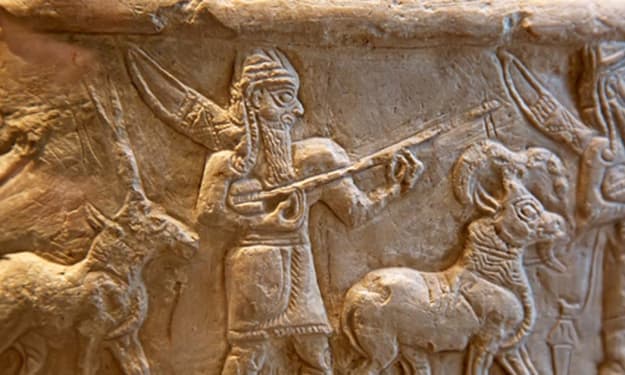
The Sumerians: A Civilization with Advanced Knowledge of Astronomy and Medicine
Over 6,000 years ago, in the fertile plains of Mesopotamia, an ancient civilization emerged that would forever leave a mark on the annals of history. The Sumerians, who thrived in what is now modern-day Iraq, are widely recognized as one of the world’s oldest known civilizations. However, their achievements go far beyond establishing early forms of writing, law, and city planning. Recent studies of their ancient texts and artifacts reveal something even more astonishing: their deep knowledge of astronomy, medicine, and what appears to be an understanding of genetic science. Could the Sumerians have possessed knowledge far more advanced than we ever realized? Let’s delve into the mystery of the Sumerians’ profound insights into the cosmos and life itself.
By Deji Akomolafe2 years ago in History
Mada'in Saleh: A Nabatean Jewel Emerging from the Sands of Saudi Arabia
In the vast desert of Saudi Arabia, near the border with Jordan, stands one of the world’s most ancient and captivating archaeological sites: Mada'in Saleh. Also known as Al-Hijr or Hegra, this ancient city, dating back nearly four thousand years, is an enigmatic relic of the Nabatean civilization. Though often overshadowed by its more famous sibling Petra, located in present-day Jordan, Mada'in Saleh is equally significant in understanding the Nabatean culture and its lasting influence on the region. Among its many remarkable features is Qasr al-Farid, an iconic and monumental tomb known as the "Lonely Castle."
By Deji Akomolafe2 years ago in History
A Frozen Moment in Time: The Beachfront of Herculaneum
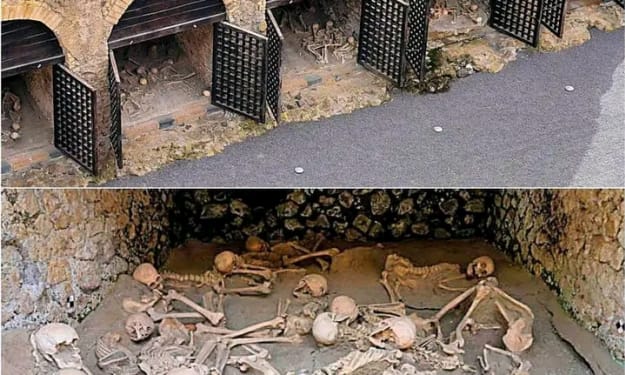
On a tragic day in 79 AD, Mount Vesuvius erupted with cataclysmic force, forever altering the landscape of the Roman Empire. While the nearby city of Pompeii often takes center stage in discussions of this disaster, the neighboring city of Herculaneum holds an equally haunting and compelling story. Unlike Pompeii, which was buried under a layer of ash, Herculaneum was engulfed by a river of superheated volcanic mud and pyroclastic surges. This thick covering preserved the city in remarkable detail, offering us a rare and intimate glimpse into the lives of the ancient Romans. Recently, a newly reopened beachfront area of Herculaneum has revealed a chilling discovery—the skeletal remains of its last inhabitants, frozen in their final moments as they tried to escape the devastation. This re-exposed area serves as a poignant reminder of nature’s destructive power and the fragility of human life. The Beachfront Tragedy As Mount Vesuvius erupted, many of the inhabitants of Herculaneum sought refuge along the beachfront, hoping to escape the oncoming doom. The volcanic debris buried the city so quickly that it created an almost eerie snapshot of life in its final moments. The remains of these ancient people, frozen in postures of fear and desperation, lay testament to the catastrophic power of the eruption. Some victims crouched together, their bodies preserved in a ghastly embrace. Their belongings—coins, jewelry, and other personal items—were discovered beside them, reminders of their hurried flight in the face of nature’s fury. It is believed that many of these victims sought shelter in boathouses along the shore, hoping for rescue by sea. Sadly, their escape was impossible. The intense heat from the pyroclastic surges would have killed them instantly, freezing their bodies in time. Today, their skeletal remains stand as a silent witness to their failed attempt to flee. A Unique Preservation What makes Herculaneum so unique compared to other ancient sites is the level of preservation caused by the thick layers of volcanic material that covered the city. While Pompeii was buried under lighter ash that allowed for gradual decay over time, Herculaneum’s ruins were encased in dense volcanic mud. This mud, combined with intense heat, carbonized wooden structures and preserved organic materials such as furniture, food, and even ancient papyrus scrolls. Unlike in Pompeii, wooden beams, doors, and staircases survived in Herculaneum, allowing archaeologists to see exactly how the city's homes, businesses, and public spaces were constructed. Artifacts found in Herculaneum have provided invaluable insights into the daily life of the ancient Romans. Archaeologists have uncovered frescoes, mosaics, and pottery, all in pristine condition, offering clues to the artistic and cultural sensibilities of the people who lived there. Personal items such as cooking utensils, jewelry, and even cosmetics have been discovered, painting a detailed picture of life before the disaster. A Glimpse Into Roman Life One of the most fascinating aspects of Herculaneum is how its preservation allows us to see the structure of Roman society. Wealthy Romans lived in grand villas adorned with intricate mosaics and frescos, complete with private baths and gardens. These homes would have overlooked the sparkling Mediterranean, offering a serene view of the sea. Today, the preserved remains of these villas provide a rare glimpse into the luxury and sophistication that characterized the lives of the upper class in Roman society. But Herculaneum was not just a city for the wealthy. Archaeologists have also uncovered modest homes and public buildings, such as baths, bakeries, and taverns, that catered to everyday citizens. These findings have allowed historians to reconstruct not only the architecture but also the social dynamics of the time, from the bustling marketplace to the intimate gatherings in private homes. Lessons From the Past The tragic fate of Herculaneum’s inhabitants serves as a stark reminder of the power of nature and the fragility of human life. The rediscovered beachfront area, with its skeletal remains and tragic stories, brings home the immediacy of the disaster in a way that mere words or artifacts cannot. As you stand on the site where these ancient people perished, it is impossible not to reflect on the suddenness with which life can change. Yet, out of this tragedy has come one of the most extraordinary archaeological discoveries of all time. Herculaneum offers us a unique opportunity to understand the world of ancient Rome in intimate detail, from the artistry of its frescoes to the everyday objects that tell stories of ordinary lives lived thousands of years ago. Conclusion The beachfront of Herculaneum is not just a tragic site of loss; it is also a place of profound discovery. Through the preservation of the city and its inhabitants, we have gained invaluable insights into Roman society, art, and daily life. As visitors walk through the ancient streets of Herculaneum, they are transported back in time to a moment frozen by nature’s fury. In doing so, they are reminded of the resilience of human culture, even in the face of overwhelming disaster.
By Deji Akomolafe2 years ago in History
The Dark Truth of the Illuminati: Unraveling Myths and Realities
Origins of the Illuminati The term "Illuminati" comes from the Latin word "illuminatus," meaning "enlightened." The Bavarian Illuminati was founded in 1776 by Adam Weishaupt, a professor of canon law in Ingolstadt, Germany. Weishaupt sought to promote Enlightenment values, such as reason and secularism, in opposition to religious and political oppression. The society aimed to cultivate a group of intellectuals who could influence political decisions and promote rational thought.
By Anirban Sarker2 years ago in History
Pakistan: A Nation of Heritage and Growth
Pakistan, located in South Asia, is known for its rich cultural heritage, diverse landscapes, and rapidly evolving economy. As a land that bridges the ancient and modern worlds, Pakistan offers a special blend of history, natural beauty, and growing production.
By Zinnat ara Begum2 years ago in History