World History
Understanding Government . Content Warning. AI-Generated.
Understanding Government Structure and Media Regulation I. Introduction to Government Transition: To grasp the role of media regulation, we must first understand the foundational structure of government.
By Denelsia Walker2 years ago in History
Voyages etched in wood and water
Wooden boats are among those that have a history of thousands of years; indeed, they belonged to the earliest of mankind's adventures into this wholly new thing-a realm shipbuilding. They were made out of any timber existing, ranging from oak, cedar, to teak. The hull's shape was carefully set into place by the skilled craftsman. Wooden ships were elements of trade, exploration, and war in the ancient Egypt, ancient Greeks, and the Vikings. These boats could be built using woodworking techniques such as clinker, in which the planks overlap, or carvel edge-to-edge planking.
By Jam Shaikh2 years ago in History
The Oseberg Ship: A Masterpiece of Viking Craftsmanship and Burial Rituals
In the heart of Norway's rich Viking history lies a legendary vessel that continues to captivate historians, archaeologists, and visitors alike—the Oseberg ship. This iconic Viking ship, discovered in 1904, stands as one of the finest and most remarkable examples of Viking craftsmanship, culture, and burial traditions. Built around 820 AD, the Oseberg ship has survived the test of time, not only as an artifact of historical significance but also as a symbol of the seafaring prowess and spiritual beliefs of the Vikings. Over a century after its rediscovery, the ship remains a centerpiece of Norwegian cultural heritage, housed at the Viking Ship Museum on Bygdøy in Oslo. Discovery and Excavation of the Oseberg Ship The Oseberg ship was unearthed from a burial mound on the Oseberg farm in Vestfold, Norway, in 1904 by archaeologist Gabriel Gustafson and Professor Haakon Shetelig. The burial mound was believed to be the final resting place of two women, one of whom may have been of noble or royal status. Inside the burial chamber, along with the ship, archaeologists discovered a wealth of grave goods, including textiles, wooden carvings, wagons, and animal remains, which provided insight into the life and beliefs of the Viking elite. Buried around 834 AD, 14 years after it was built, the Oseberg ship had been well-preserved in the clay soil, allowing for a detailed reconstruction after excavation. The meticulous efforts of the excavation team ensured that most of the ship’s original wood and artifacts were salvaged, and to this day, an astonishing 95% of the ship’s original material remains intact. A Marvel of Viking Shipbuilding The Oseberg ship is a masterpiece of Viking shipbuilding. At 21.5 meters long and 5 meters wide, the vessel is a large, elegant longship designed for coastal travel. Its sleek, shallow hull would have allowed it to glide easily through Norway’s fjords and rivers, while its majestic curved prow, adorned with intricate carvings of serpents and other motifs, speaks to the Viking affinity for both artistry and craftsmanship. The ship is constructed primarily of oak wood, showcasing the Viking mastery of woodwork and seafaring technology. The planks of the ship are fastened together with iron rivets, creating a watertight, durable structure. The Oseberg ship, with its wide beam and graceful lines, demonstrates the balance of form and function that characterized Viking ship design—built not only for speed and agility on the water but also as a ceremonial symbol of status and power. The Burial and the Women of Oseberg One of the most fascinating aspects of the Oseberg ship is its role in Viking burial rituals. It served as a burial ship for two women, whose identities remain a subject of debate among historians. Some scholars believe one of the women may have been a queen or high-status figure, given the richness of the grave goods and the elaborate nature of the burial. The second woman may have been a servant or companion, accompanying the noblewoman to the afterlife. The burial of elite individuals in ships was a significant ritual in Viking culture, symbolizing their journey to the afterlife. Ships were not only central to Viking life as tools of exploration, trade, and warfare but also as vehicles for the soul’s passage to the realm of the gods. The sheer scale of the Oseberg burial, along with the presence of animal sacrifices and precious artifacts, underscores the importance of this ritual for Viking society. The Oseberg Ship’s Legacy and Preservation After its excavation, the Oseberg ship was painstakingly reconstructed, a process that preserved 95% of the original material, an extraordinary feat considering the ship’s age. In 1926, it was moved to its permanent home at the Viking Ship Museum on Bygdøy, Oslo, where it has since been displayed to the public. For over a century, the ship has been a key attraction, admired for its beauty and historical importance. The Oseberg ship offers an invaluable glimpse into the Viking era, shedding light on their craftsmanship, culture, and beliefs. Its survival over 1,200 years, coupled with the exceptional efforts to preserve it, makes the Oseberg ship one of the most faithfully reconstructed Viking ships in existence. As visitors stand before this legendary vessel in the museum, they are not only looking at a relic of the past but also a testament to the enduring legacy of the Vikings and their mastery of the seas. Today, the Oseberg ship remains a symbol of Norway's rich Viking heritage and a stunning example of ancient maritime engineering. Its continued preservation ensures that future generations will be able to appreciate the artistry and craftsmanship of the Viking Age.
By Deji Akomolafe2 years ago in History
The Early Life and Reign of Oba Sir Titus Martins Adesoji Tadeniawo Aderemi
In the annals of Nigerian history, few figures are as revered and remembered as Oba Sir Titus Martins Adesoji Tadeniawo Aderemi, also known as Atobatele I, the 49th Ooni of Ile Ife. His reign as the spiritual and traditional leader of the Yoruba people was not only remarkable because of the time in which he ruled, but also due to the personal qualities and vision he brought to his leadership. Born on November 15, 1889, in the midst of the Yoruba civil war, Adesoji Aderemi's life was deeply intertwined with the cultural, social, and political evolution of the Yoruba nation and Nigeria as a whole. From his early years, Adesoji Aderemi was destined for greatness. His name, which means "The crown has awakened" and "The crown comforts me," was a reflection of the hope and pride his family and community placed in him from the moment he was born. This blog post delves into the life of this legendary monarch, highlighting his early years, ascension to the throne, and the lasting legacy he left behind. Early Life: A Legacy Born in the Midst of War Adesoji Aderemi was born into a royal lineage, the son of Prince Osundeyi Gbadebo and Madam Adekunbi Itiola. His father, a warrior, was away fighting in the Yoruba civil war when he was born. During this tumultuous period, the Yoruba people were engaged in internecine conflicts that disrupted the peace and stability of the region. As a result, Adesoji’s birth carried significant meaning. His name, Adesoji Aderemi, which translates to "The crown has awakened" and "The crown comforts me," symbolized hope amidst the chaos and unrest of the time. With his father absent due to the war, Adesoji was raised primarily by his mother, Madam Adekunbi, and other relatives, who instilled in him a deep sense of responsibility, leadership, and a commitment to the welfare of his people. He was brought up in the rich cultural traditions of the Yoruba people, with a keen awareness of his royal heritage and the expectations that came with it. As a child, he exhibited intelligence, curiosity, and leadership qualities, which would later serve him well as he ascended to the throne of Ife. Ascension to the Throne: Becoming the Ooni of Ife Adesoji Aderemi’s rise to the throne was swift and impressive. In 1930, at the age of 30, he was crowned the Ooni of Ile Ife, the spiritual leader of the Yoruba people and the custodian of their ancient traditions. His relatively young age at the time of his coronation was unusual, as most monarchs ascended to the throne later in life. However, Adesoji’s maturity, wisdom, and forward-thinking attitude quickly made him a beloved ruler. Ile Ife, often regarded as the cradle of Yoruba civilization, is one of the most significant spiritual centers in Yoruba history. The Ooni, as the traditional ruler of Ife, holds a position of immense cultural and spiritual significance. The Ooni is not only responsible for maintaining the cultural heritage and customs of the Yoruba people but also serves as an intermediary between the Yoruba people and the deities they worship. Adesoji Aderemi took on this role with great reverence and a deep understanding of its importance. As the Ooni, Adesoji Aderemi was a progressive ruler who sought to modernize his kingdom while preserving its rich cultural heritage. He was known for his intellect, charisma, and ability to navigate the complexities of both traditional and colonial governance. His reign coincided with a period of significant political and social change in Nigeria, and he became a key figure in the movement for Nigerian independence. A Monarch and Statesman: A Leader Beyond His Kingdom One of the most remarkable aspects of Oba Adesoji Aderemi’s life was his ability to bridge the worlds of traditional leadership and modern politics. In addition to his role as the Ooni of Ife, he was deeply involved in the political affairs of Nigeria during the colonial period. In 1948, he became a member of the Western House of Chiefs, one of the legislative bodies established by the British colonial government to manage the transition to self-rule. His involvement in Nigerian politics reached its pinnacle when he was appointed Governor of the Western Region in 1960, following Nigeria's independence. He was the first indigenous person to hold this position, which highlighted his status as a respected leader not only among the Yoruba but across Nigeria. In this capacity, Adesoji Aderemi worked to promote the development and stability of the Western Region, championing education, infrastructure development, and the preservation of traditional culture. His dual role as both a traditional ruler and a modern statesman was groundbreaking. He demonstrated that it was possible to honor and uphold the traditions of one’s people while also embracing the changes brought about by modern governance and the push for self-determination. A Legacy of Peace, Progress, and Cultural Preservation Throughout his reign, Oba Adesoji Aderemi was committed to the well-being of his people. He was a proponent of education, recognizing that it was key to empowering the next generation of Yoruba leaders. He was instrumental in the establishment of schools and other institutions that would provide educational opportunities for the youth of his kingdom. His vision for Ife was one of progress, modernization, and unity, and he worked tirelessly to ensure that the kingdom remained a strong cultural and political force in Nigeria. His reign was marked by peace, as he worked to unify various factions within the Yoruba nation and maintain stability during a period of significant change. His efforts to modernize Ile Ife while preserving its rich cultural heritage ensured that the city remained a center of Yoruba spirituality and tradition. The Final Years and Lasting Legacy Oba Adesoji Aderemi ruled for nearly 50 years, from 1930 until his death in 1980. His reign, which spanned some of the most transformative decades in Nigerian history, left an indelible mark on both his people and his nation. He was a beloved ruler, admired for his wisdom, humility, and progressive vision. Under his leadership, Ile Ife maintained its status as a spiritual and cultural center, and his efforts to promote education and political participation left a lasting impact on the Western Region and Nigeria as a whole. Today, Oba Sir Adesoji Aderemi is remembered not only as a great Ooni of Ife but also as a pioneering figure in Nigerian politics. His ability to blend traditional leadership with modern governance serves as a model for leaders across Africa, and his legacy continues to inspire future generations. In summary, Oba Adesoji Aderemi’s life and reign were marked by a deep commitment to his people, his culture, and his nation. His early life, marked by the challenges of a war-torn era, and his ascension to the throne at a young age shaped him into the progressive and forward-thinking leader he would become. As both a monarch and a statesman, he left a legacy of peace, progress, and cultural preservation that continues to resonate in Nigeria today.
By Deji Akomolafe2 years ago in History
The Hand Brand: A Brutal Mark of Military Punishment in the British Army
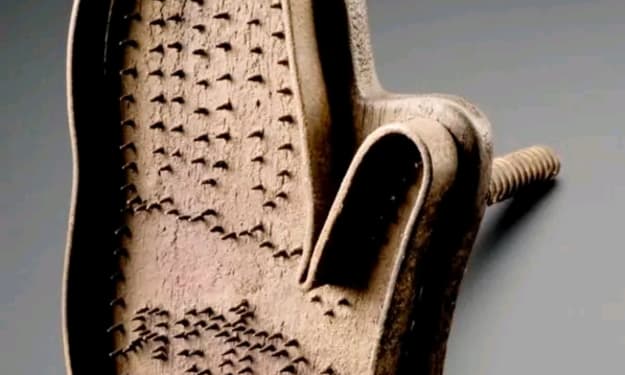
In the mid-17th century, during the tumultuous years of the English Civil War (1641-1651), the British Army employed various methods to maintain discipline and punish those who broke military laws. Among these, one of the most severe and enduring punishments was branding, a physical and often permanent mark that identified deserters and criminals within the ranks. The hand brand, a tool used during this period, became an infamous symbol of this brutal form of punishment. Featuring the initials "CR" surrounded by a crown, it likely stood for Carolus Rex, a Latin reference to King Charles I, who reigned during the Civil War until his execution for treason in 1649. Branding served both as a form of punishment and a visible reminder of one’s crime, marking the individual as someone who had betrayed their comrades and their king. As archaic as it seems today, the use of branding within the military persisted for over two centuries. It was eventually abolished in 1829 for most crimes, but it continued to be used for army deserters until 1879. Over time, branding was replaced by tattooing, signaling a shift in how the military handled punishment and identification, reflecting broader societal changes in attitudes toward human rights and the treatment of soldiers. The English Civil War and Its Impact on Military Discipline The English Civil War was a conflict that pitted the forces of King Charles I (the Royalists) against those of Parliament (the Parliamentarians) over issues of governance, religion, and authority. In such a chaotic environment, maintaining discipline within the military was critical for both sides. Soldiers who deserted their posts, committed crimes, or otherwise disobeyed orders threatened not only the success of military campaigns but also the stability of the nascent English state. The hand brand, with its "CR" marking, represented the monarchy's authority and was used to brand deserters and criminals within the Royalist army. The use of branding was not unique to the British Army; it was a common practice in early modern Europe and was intended to deter desertion and other crimes by making the punishment both visible and permanent. The branding tool itself, featuring blunt metal spikes, was likely designed to create a painful and lasting mark. Some historians suggest that the spikes may have been intentionally dulled to increase the suffering of the person being branded, highlighting the brutal nature of this form of punishment. The Branding Process and Its Symbolism Branding in the British Army was a deliberate and painful process. The branding iron would be heated until it was red-hot, and then pressed into the skin of the accused, usually on a visible part of the body, such as the hand, arm, or face. The initials "CR", surrounded by a crown, would then be seared into the flesh, creating a permanent scar. This mark was not just a symbol of the individual’s crime but also a declaration of their betrayal of the king and country. The "CR" initials clearly referenced Carolus Rex, the Latinized name of King Charles I, underscoring the monarchy’s authority over the army. Even after King Charles I was executed in 1649, during the latter stages of the English Civil War, the branding tool likely remained in use, a relic of the previous royalist regime. The crown symbol atop the initials further emphasized the connection between the crime committed and the royal authority that had been betrayed. The Persistence of Branding in the British Army Despite its archaic and painful nature, branding as a punishment within the British Army persisted long after the English Civil War. While branding for most crimes was abolished in 1829 as societal attitudes toward corporal punishment began to shift, it continued to be used specifically for army deserters until as late as 1879. Desertion was considered one of the most serious offenses a soldier could commit, especially in times of war when the loss of manpower could have dire consequences. The persistence of branding reflected the military’s need for visible and public punishment. Desertion not only jeopardized military operations but also undermined the cohesion and morale of the army. By marking deserters, the military sought to publicly shame them and serve as a deterrent to others who might consider abandoning their duties. The Transition to Tattooing: A Shift in Military Discipline By the late 19th century, attitudes toward punishment within the military began to change, influenced by broader social and political movements advocating for human rights and more humane treatment of individuals. The use of branding as a form of punishment was gradually phased out, and in 1879, the British Army transitioned to using tattooing instead of branding to mark deserters. While tattooing still served the purpose of identifying deserters, it was viewed as a less barbaric method than branding, which inflicted significant pain and left a highly visible scar. Tattooing also aligned with changing military practices, where greater attention was paid to the well-being of soldiers, even those who had committed crimes. This shift from branding to tattooing reflects a broader change in how the military handled discipline, moving away from public humiliation and physical harm toward more regulated and less violent forms of punishment. Legacy and Reflection The history of the hand brand used by the British Army during the English Civil War and beyond offers a glimpse into the harsh realities of military discipline in earlier centuries. It stands as a testament to the brutal measures used to enforce loyalty and obedience in a time when desertion and betrayal were considered existential threats to military campaigns and the monarchy itself. The transition from branding to tattooing marked a significant shift in military attitudes, reflecting broader societal changes. While branding is now seen as a cruel and outdated practice, it played a key role in shaping how armies maintained order and dealt with desertion during times of war. As we reflect on this history, it serves as a reminder of how far we have come in terms of human rights and the treatment of individuals within institutions like the military.
By Deji Akomolafe2 years ago in History
The Battle of Hafrsfjord and the Monument of Sverd i Fjell
In the late 9th century, a battle took place in Norway that would forever shape the history and identity of the nation. The Battle of Hafrsfjord, fought around 872-880 AD, marked the culmination of King Harald Fairhair’s efforts to unify the Norwegian clans and establish a single kingdom. This monumental victory did not just bring about political unity—it laid the foundation for the development of Norway as a unified nation-state. Today, a powerful and iconic monument stands to commemorate this historic event. Known as Sverd i Fjell or Swords in Rock, the monument symbolizes peace, unity, and freedom. It serves as a reminder of the battle that united Norway and the legacy of King Harald Fairhair, the first king of a unified Norway. The Legend of King Harald Fairhair The story of King Harald Fairhair (Harald Hårfagre in Norwegian) is one of both legend and historical significance. Harald, born in 850 AD, was a powerful and ambitious ruler. According to sagas, Harald made a vow to unite all of Norway under his rule, spurred by a romantic challenge. The saga tells of a young woman named Gyda, who refused to marry Harald until he was the ruler of all Norway. Determined, Harald swore an oath not to cut his hair until he had accomplished this feat. Harald spent the next decade waging war against rival Viking chieftains, who each ruled their own territories within what is now modern Norway. The region was fragmented into numerous small kingdoms, each governed by a local king or lord. These rulers frequently engaged in power struggles, raids, and feuds, preventing any sense of national unity. Harald’s mission was to consolidate power and bring these various territories under his singular rule. The Battle of Hafrsfjord The pivotal event in Harald’s campaign was the Battle of Hafrsfjord, a fierce naval battle that took place near Stavanger, on Norway's southwestern coast, around 872-880 AD. While the exact details of the battle are not entirely clear—since much of what we know comes from sagas written long after the event—it is believed that this conflict involved multiple Viking chieftains joining forces to resist Harald's expansion. Harald's forces were likely well-organized and equipped with superior ships and warriors. In contrast, the rival kings fought to maintain their autonomy and resist being subsumed under a central authority. The battle was intense, with fierce hand-to-hand combat and Viking longships clashing on the waters of Hafrsfjord. By the end of the battle, Harald had emerged victorious, having defeated his rivals and effectively secured his claim as the sole king of Norway. This victory marked the unification of the previously independent and often warring Viking clans under a single ruler, ending an era of division and conflict. Sverd i Fjell: The Monument to Peace, Unity, and Freedom To commemorate this momentous occasion, the monument known as Sverd i Fjell (Swords in Rock) was erected in 1983, 1,100 years after the Battle of Hafrsfjord. Located near the site of the battle, on the shores of Hafrsfjord, the monument stands as a powerful symbol of Norway's unification and its historical roots. The monument features three towering bronze swords, each standing 10 meters (33 feet) tall, embedded in solid rock. Designed by Norwegian sculptor Fritz Røed, the swords are not just artistic representations—they carry deep symbolic meaning. The hilts of the swords are replicas of Viking swords from the era, reflecting the historical authenticity of the design. The three swords represent key principles that arose from King Harald’s unification of Norway: 1. Peace: The largest sword in the center symbolizes King Harald himself and his dominance as the unifier of Norway. Its placement in the rock signifies that the sword has been put down, representing peace after a period of warfare and conflict. It is a reminder that the unification of Norway brought an end to the frequent battles between the Viking kings and established a more stable, centralized rule. 2. Unity: The two smaller swords represent the defeated chieftains and their clans, now united under Harald’s rule. Their inclusion in the monument signifies the bringing together of once-warring factions under a single banner. This unity was essential in transforming a fragmented land of competing territories into a coherent kingdom. 3. Freedom: The swords also symbolize freedom, not just in the sense of personal liberty but in the sense of national independence. The monument commemorates Norway's birth as a unified nation, free from internal strife and division. Over time, this sense of unity laid the foundation for the development of Norway as a sovereign and independent country. The Legacy of the Battle and the Monument The Battle of Hafrsfjord and King Harald Fairhair’s efforts to unite Norway hold an enduring significance in Norwegian culture. By the time of his death, Harald had transformed Norway from a land of scattered chieftains into a unified kingdom. His descendants would go on to play crucial roles in Scandinavian history, including the establishment of the Viking settlements in Iceland and Greenland, as well as the expansion of the Norwegian kingdom. The Sverd i Fjell monument stands as a testament to this legacy. It not only commemorates the battle that unified Norway but also symbolizes the enduring values of peace, unity, and freedom. Located near Stavanger, it is a popular tourist destination and a powerful reminder of the country’s Viking past. For Norwegians today, the monument serves as a symbol of national pride and historical continuity. It links the modern nation to its Viking roots, celebrating the achievements of a legendary king who, through vision and determination, forged a united Norway. Conclusion The story of the Battle of Hafrsfjord and the creation of the Sverd i Fjell monument represents a defining chapter in Norwegian history. Through the battle and the unification that followed, King Harald Fairhair laid the foundations for a united and independent Norway, a legacy that endures to this day. The monument's towering swords stand as timeless symbols of peace, unity, and freedom, reminding all who visit of the nation’s proud heritage and the events that shaped its destiny.
By Deji Akomolafe2 years ago in History
The Untold Tales of Ancient Civilizations
Introduction Hook: Imagine walking through the sands of time, uncovering secrets that have been buried for millennia. What stories would these ancient grains tell us? Thesis Statement: This article explores the hidden secrets of ancient civilizations, revealing the mysteries and marvels that lie beneath the sands. Overview: We will journey through the enigmatic lands of Egypt, the Indus Valley, Mesopotamia, China, the Maya civilization, and the legendary Atlantis.
By Sazeeb Chowdury2 years ago in History
The Native American Origins of U.S. State Names: Unveiling the Meanings
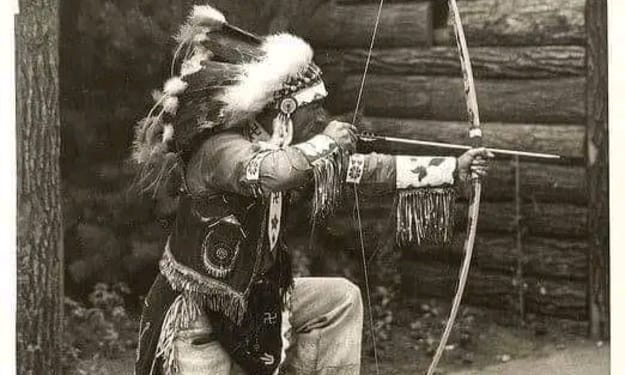
The history and culture of the United States are deeply intertwined with the legacy of Native American tribes. One of the most fascinating connections to this rich heritage is found in the names of its states. Half of all U.S. states—25 to be exact—carry names derived from Native American languages, each with unique meanings rooted in the landscapes, tribes, and natural elements that defined the regions long before European settlers arrived. In this blog post, we will explore these 25 states and the meanings behind their Native American names, listed in alphabetical order. 1. Alabama The state of Alabama gets its name from the Alabama, or Alibamu, tribe, a Muskogean-speaking tribe that once inhabited the region. There is some debate about the exact meaning of the name. Some sources suggest that it means "clearers of the thicket," a reference to the tribe’s practice of clearing land for agricultural use. Others believe it translates to "herb gatherers," highlighting the tribe’s reliance on native plants for medicine and sustenance. 2. Alaska Alaska’s name is derived from the Aleut word "alaxsxaq," which means "the mainland." The Aleut people, native to the Aleutian Islands and coastal regions of Alaska, used this word to describe the massive landmass to the east, setting it apart from the islands they called home. 3. Arizona Arizona’s name comes from the O'odham word "alĭ ṣonak," which translates to "small spring." This name is believed to refer to a small body of water near the border between present-day Arizona and Mexico, highlighting the importance of water in this arid desert region. 4. Connecticut Connecticut’s name originates from the Mohican word "quonehtacut," meaning "place of long tidal river." This is a reference to the Connecticut River, which runs through the state and was a vital waterway for the Native American tribes that lived in the region. 5. Hawaii The name Hawaii comes directly from the Hawaiian language and means "homeland" or "place of the gods." The indigenous Polynesian people who settled on the Hawaiian Islands gave the state this name to reflect its significance as their ancestral homeland. 6. Illinois Illinois is named after the Illiniwek, a confederation of several Native American tribes that lived in the region. The word "Illiniwek" translates to "men" or "warriors." The name was later adapted to Illinois by French settlers. 7. Iowa Iowa is named after the Ioway tribe, a Siouan-speaking people native to the region. The name Ioway is believed to mean "gray snow," a poetic reference to the winter landscape commonly experienced by the tribe in the area. 8. Kansas Kansas is named after the Kansa tribe, whose name means "south wind people." The Kansa were a Plains tribe, and their name likely refers to their geographic location and the prevailing winds that swept across the Great Plains. 9. Kentucky The origins of Kentucky’s name are somewhat unclear, but it is widely believed to have come from the Iroquoian word "Kentake," meaning "on the meadow" or "land of meadows." This reflects the region’s fertile land and abundance of natural resources, which made it an ideal area for hunting and farming. 10. Massachusetts Massachusetts is named after the Algonquin word "Massadchu-es-et," which translates to "great-hill-small-place." This likely refers to the Blue Hills, a small range of hills located near present-day Boston, which were a prominent geographical feature for the Native American tribes of the area. 11. Michigan The state of Michigan gets its name from the Chippewa (Ojibwe) word "Michigama," meaning "large lake." This is a fitting name given Michigan’s location, surrounded by the Great Lakes, which have played a central role in the state’s history and development. 12. Minnesota Minnesota’s name comes from the Dakota Indian word "Minisota," meaning "white water." This name refers to the state’s many rivers and lakes, particularly the Minnesota River, which was central to the Dakota people’s way of life. 13. Mississippi Mississippi’s name is derived from the Choctaw word "Misi-ziibi," which translates to "great river" or "father of waters." The Mississippi River, one of the longest and most important rivers in North America, was named by the Choctaw people, who relied on it for transportation, trade, and sustenance. 14. Missouri The state of Missouri is named after the Missouri tribe, whose name means "those who have dugout canoes." The Missouri people lived along the Missouri River, which was a major transportation route for both the tribe and the European settlers who followed. 15. Nebraska Nebraska’s name comes from the Otoe word "Nebrathka," meaning "flat water." This refers to the Platte River, a shallow but wide river that flows through the state, providing water and resources for the Native tribes that once inhabited the area. 16. New Mexico While the name New Mexico reflects Spanish colonial influence, it is believed to be connected to the Nahuatl (Aztec) word "Mexico," which means "place of the Mexica." The Mexica were an indigenous people of the Valley of Mexico, and their influence extended northward through trade and migration. 17. North Dakota North Dakota is named after the Dakota Sioux, one of the dominant Native American tribes in the region. The word "Dakota" means "allies" or "friends," reflecting the tribe’s sense of community and cooperation. 18. Ohio Ohio’s name is derived from the Iroquois word "O-Y-O," meaning "great river." This is a reference to the Ohio River, a major waterway that played a crucial role in the lives of Native American tribes and later, European settlers.
By Deji Akomolafe2 years ago in History
The Historical Background of the Valiant Legend: Sir Cedric of Eldoria.
Eldoria had for quite some time been a place that is known for harmony and thriving, its kin honored with fruitful soil and plentiful harvests. However, this peacefulness was broken when the dull magician Malakar, when a court mage, betrayed the realm. Looking to guarantee Eldoria's lofty position for himself, Malakar released a swarm of horrendous animals and gathered tempests of dark sorcery, transforming the once- loving land into a domain of dread.
By Robiul Rasel2 years ago in History
Unearthing History: The Discovery of the World’s Only Intact Roman Legionary Shield
In the realm of archaeology, few discoveries hold the same weight as that of the world’s only intact Roman legionary shield. Unearthed in the 1930s at the ancient site of Dura-Europos in modern-day Syria, this extraordinary artifact offers a rare and invaluable glimpse into the military life of Roman soldiers during the early 3rd century AD. The shield not only serves as a testament to the craftsmanship of the Roman military but also acts as a portal through which we can understand the complexities of their daily lives. The Context of Dura-Europos Dura-Europos, often referred to as the "Pompeii of the East," was an ancient city located on the banks of the Euphrates River. Founded in the 3rd century BC, it became a melting pot of cultures, influenced by Greek, Roman, and Persian elements. Its strategic position made it a focal point for trade and military activity. The city was fortified with thick walls, and its layout was meticulously planned, reflecting the engineering prowess of the time. The shield was discovered during an excavation led by British archaeologist M. I. Rostovtzeff in the 1920s and 1930s. The site had been remarkably well-preserved due to its unique soil composition, which created anaerobic conditions that prevented decay. This allowed many artifacts, including the shield, to survive intact, providing an unprecedented look into the material culture of the Roman military. The Shield: Design and Construction The legionary shield, known as a scutum, was a large, curved shield typically made of wood, reinforced with iron, and adorned with bronze fittings. This specific shield, dating back to the early 3rd century AD, exemplifies the typical design and functionality that Roman soldiers relied upon in battle. Measuring around 1.2 meters tall and 0.9 meters wide, the shield’s distinctive shape allowed for effective protection while maintaining mobility. The wooden core was likely covered with leather or canvas to enhance its durability. The intricate boss, a protruding circular element at the center of the shield, was designed to deflect blows from weapons and was often decorated to reflect the identity of the soldier or his unit. Remarkably, the shield also features intricate bronze fittings, which not only added to its aesthetic appeal but also provided structural support. The craftsmanship evident in this artifact highlights the Romans’ advanced understanding of materials and military technology, setting them apart from many contemporary civilizations. Preservation and Significance The exceptional preservation of the Dura-Europos shield is due to the anaerobic conditions of the soil, which limited exposure to oxygen and thus prevented the decay that typically affects organic materials. This makes the shield not only a rare find but also a vital source of information for historians and archaeologists. The significance of the shield extends beyond its physical attributes. It serves as a tangible connection to the lives of the soldiers who wielded it. The Roman military was a complex institution, and the experiences of its soldiers varied widely based on rank, location, and historical context. The shield’s survival allows us to examine the equipment that shaped the experiences of these men and offers insights into their training, tactics, and everyday challenges. Insights into Roman Military Life The Roman army was renowned for its discipline, organization, and effectiveness in battle. Soldiers, known as legionaries, were heavily trained and equipped with a standard set of military gear, including the scutum. Understanding the design and use of the shield provides critical insight into Roman combat techniques and strategies. For instance, the scutum was not just a tool of defense; it was an integral part of the famed Roman formation known as the testudo or "tortoise." This formation involved soldiers aligning their shields to form a protective barrier, allowing them to advance on enemy positions with reduced risk of injury. The shield’s design facilitated this tactic, showcasing the Romans’ innovative approach to warfare. Moreover, the presence of detailed decorations on the shield may indicate the unit’s identity, rank, or accomplishments. Such elements can help historians piece together the social dynamics within the Roman army and provide clues about how soldiers viewed their roles and status. Conclusion: A Window into the Past The discovery of the intact Roman legionary shield at Dura-Europos is more than an archaeological triumph; it is a window into the past, offering profound insights into Roman military history and the lives of the soldiers who served. As we continue to study and analyze this remarkable artifact, we uncover layers of history that reveal the complexity of the Roman world. In an era where artifacts often succumb to time and decay, the survival of the Dura-Europos shield stands as a testament to the ingenuity of ancient craftsmanship and the enduring legacy of the Roman Empire. Through this single object, we are reminded of the people behind the history, their struggles, and their triumphs, ensuring that their stories are never forgotten.
By Deji Akomolafe2 years ago in History
From the Qur’an to Conservation
Introduction Islam, as a comprehensive way of life, offers profound insights into the relationship between humans and the environment. The Qur’an and the teachings of Prophet Muhammad (peace be upon him) emphasize the importance of preserving nature and maintaining the balance created by Allah. This article explores the Islamic perspective on environmental conservation, highlighting key principles and practical applications derived from Islamic teachings.
By Sazeeb Chowdury2 years ago in History
Bangladesh Railway: The Lifeline of the Nation’s Transport Network
Bangladesh Railway is an integral part of the country's transport infrastructure, offering millions of people a reliable and affordable means of travel. Established in 1862, the railway network has expanded significantly, connecting major cities, towns, and rural areas, playing a crucial role in the nation’s economic growth.
By Zinnat ara Begum2 years ago in History