World History
The Sioux
We are shaped by the experiences of those who preceded us. Our ancestors endured, labored, faced challenges, and encountered both deep joy and sorrow. Their moments of insight and creativity have left us a valuable legacy. Reflecting on the history of North America reveals the remarkable and diverse cultures that have thrived on this continent for thousands of years. Among these extraordinary societies are the Sioux, a Native American nation that has historically coexisted with nature. In this article, we will delve into the history, culture, and enduring legacy of the Sioux people, one of the most prominent indigenous civilizations in North America. The Sioux are a Native American nation whose ancestral lands span the modern-day states of Colorado, North and South Dakota, Wyoming, Montana, and Nebraska. Their story began approximately 13,000 years ago, during the tail end of the last Ice Age, when much of North America was still covered in vast sheets of ice. These early ancestors migrated from Asia across the Bering Land Bridge, known as Beringia, and eventually settled in the northern regions of what is now the United States.
By A História2 years ago in History
The Roman Lighthouse of Dover: A Beacon of History
Nestled on the southeastern coast of England, the Roman Lighthouse of Dover, also known as the Pharos of Dover, stands as a testament to the ingenuity and architectural prowess of the Romans. Dating back to 46–50 AD, during the reign of Emperor Claudius, this ancient structure is not only the oldest surviving lighthouse in England but also one of the oldest in the world. Despite the passage of nearly two millennia, the lighthouse remains a significant landmark, illuminating the maritime history of England and the Roman Empire. The Historical Context: Roman Expansion and the Need for Navigation The construction of the Dover Lighthouse coincided with a period of significant expansion for the Roman Empire, particularly under the rule of Emperor Claudius. Following the Roman invasion of Britain in 43 AD, the need for reliable navigation became increasingly critical as the empire sought to establish trade routes and military operations across the English Channel. The lighthouse served a crucial purpose in this endeavor, providing a guiding light for ships approaching the treacherous coastline. The Romans recognized the importance of safe navigation, particularly in busy maritime regions like the English Channel, which served as a vital artery for trade and military movement. The flickering light from the Dover Lighthouse would have been essential in ensuring that vessels could safely find their way to shore, avoiding rocky hazards and treacherous waters. As one of the key markers along the coast, the lighthouse played a crucial role in facilitating commerce and communication between Britain and the continental territories of the Roman Empire. Architectural Features: A Towering Landmark Standing at a height of 25.4 meters (83 feet) in its original state, the Dover Lighthouse was a remarkable feat of engineering for its time. Constructed using local flint and mortar, the structure’s sturdy design ensured that it could withstand the harsh weather conditions of the southeastern coast. The choice of materials reflected the Romans’ understanding of their environment and their ability to utilize local resources effectively. The lighthouse’s cylindrical shape was a design choice that enhanced its visibility, allowing it to be seen from a considerable distance at sea. In comparison to modern lighthouses, which can soar to impressive heights and feature advanced lighting technologies, the original Dover Lighthouse may seem modest. However, in its day, it was a towering landmark that stood out against the coastal landscape, guiding sailors safely to harbor. A Lighthouse Through the Ages Over the centuries, the Roman Lighthouse of Dover has weathered the elements and endured the test of time. While the original structure stood tall for many years, the ravages of nature have taken their toll. Today, the lighthouse stands at a reduced height of approximately 19 meters (62 feet), its original stonework on the seaward side weather-worn and eroded. Despite these changes, the lighthouse remains an impressive historical site, capturing the imagination of visitors and historians alike. The enduring presence of the structure serves as a reminder of the Roman Empire’s influence on British history and its lasting contributions to navigation and maritime safety. The Role of the Lighthouse in Roman Trade and Military Operations The importance of the Roman Lighthouse of Dover extends beyond its architectural significance; it played a vital role in the economic and military operations of the Roman Empire. The lighthouse marked a key point along the Roman trade routes, facilitating the exchange of goods and resources between Britain and the rest of the empire. Goods such as pottery, metals, and agricultural products were transported across the Channel, and the lighthouse served as a crucial point of reference for merchant ships. Its guiding light helped ensure that trade could continue safely, bolstering the economic prosperity of Roman Britain. Additionally, the lighthouse had strategic military significance. As a watchtower for approaching vessels, it allowed Roman forces to monitor maritime traffic, ensuring that potential threats could be identified and addressed swiftly. This strategic advantage was crucial for maintaining control over the region and safeguarding the interests of the empire. Preservation and Legacy: A Beacon for Future Generations Today, the Roman Lighthouse of Dover is recognized as a significant historical site, drawing visitors from around the world. It stands as a testament to the engineering skills of the Romans and their contributions to maritime navigation. The lighthouse is protected as a Scheduled Ancient Monument, ensuring that it will be preserved for future generations to appreciate and study. In addition to its historical importance, the lighthouse serves as a symbol of the enduring legacy of the Roman Empire in Britain. It represents the connection between ancient and modern navigation practices, highlighting the ways in which humanity has always sought to illuminate the path ahead, both literally and metaphorically. Conclusion: A Timeless Landmark The Roman Lighthouse of Dover remains a remarkable example of ancient engineering and architectural ingenuity. Its significance as a guiding light for sailors and a key marker in the history of navigation underscores the vital role that such structures played in the development of trade and military operations in ancient Rome. As visitors stand before this ancient beacon, they are reminded of the rich tapestry of history that unfolds along the shores of Dover. The lighthouse not only illuminates the coast but also illuminates the enduring legacy of the Roman Empire—a legacy that continues to influence modern society and inspire awe in those who gaze upon its weathered stones. The Roman Lighthouse of Dover is more than just a structure; it is a timeless symbol of humanity's quest for progress and the eternal search for direction amidst the waves of history.
By Deji Akomolafe2 years ago in History
Sutton Hoo: The Enigmatic Anglo-Saxon Burial Ground
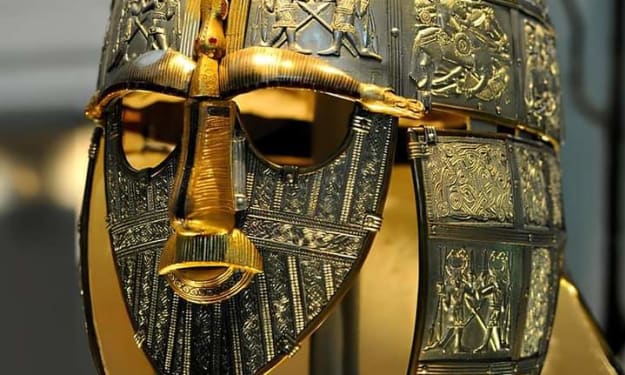
In the summer of 1939, as the shadow of war loomed over Europe, a discovery was made in the quiet Suffolk countryside that would forever alter our understanding of England’s early medieval past. The Sutton Hoo burial site, located near Woodbridge, Suffolk, revealed a treasure trove of Anglo-Saxon artifacts that astounded archaeologists and historians alike. This 7th-century ship burial was not only a testament to the craftsmanship and wealth of the time but also an intriguing mystery, with the absence of human remains leaving scholars to speculate on the identity of the individual buried there. The Sutton Hoo discovery is often compared to Egypt's Tutankhamun, given its scale and significance in uncovering the rich culture of early Anglo-Saxon England. The site includes a ship burial, an ancient tradition where a boat is used as a vessel to carry the dead into the afterlife, filled with objects meant to accompany the deceased on their journey. Though the acidic soil had dissolved any human remains, the grandeur of the grave goods pointed to a burial of immense significance, potentially even royal. The Treasures of Sutton Hoo At the heart of the Sutton Hoo find is the ship itself—an 88-foot-long wooden vessel that had been carefully buried beneath a mound of earth. Although the wood had long since decayed, its imprint remained in the soil, allowing archaeologists to trace its shape and size. The ship, a symbol of power and prestige, was the centerpiece of the burial, indicating that whoever was laid to rest here was no ordinary individual. Among the many treasures unearthed was a ceremonial helmet, one of the most iconic artifacts of Anglo-Saxon England. The Sutton Hoo helmet, with its intricate designs and warrior's face mask, stands as a masterpiece of early medieval metalwork. The helmet is adorned with decorations that include figures of animals and warriors, reflecting both the craftsmanship and the cultural values of the time. Alongside the helmet were other symbols of power and warfare: a sword, a shield, and a coat of mail. These objects suggest that the individual buried at Sutton Hoo was not only wealthy but also a figure of military importance, possibly a king or a high-ranking warrior. The treasures did not end there. Gold and garnet jewelry, bowls, and coins were also found at the site, each piece a testament to the wealth and artistry of the Anglo-Saxon period. The craftsmanship displayed in these items is remarkable, with intricate patterns, vivid colors, and sophisticated techniques that rival those of any other culture in Europe at the time. The presence of these luxury goods points to an elite burial, and scholars have speculated that the grave may have belonged to none other than King Rædwald of East Anglia. Who Was Buried at Sutton Hoo? The identity of the individual buried at Sutton Hoo remains one of the greatest mysteries of the site. While the opulence of the grave goods suggests a royal burial, the lack of human remains makes it impossible to determine for sure who was laid to rest in the ship. Scholars have long debated the identity of the occupant, with King Rædwald, who ruled East Anglia in the early 7th century, often suggested as the most likely candidate. Rædwald was a powerful ruler, known for his conversion to Christianity while maintaining ties to traditional Anglo-Saxon paganism, a duality reflected in the mixture of Christian and pagan symbols found at Sutton Hoo. Rædwald’s reign coincides with the approximate date of the burial, and historical records suggest that he was a figure of great wealth and influence. His conversion to Christianity also hints at a connection to some of the Christian symbols found among the grave goods, including a set of silver spoons engraved with the names of the apostles. However, without definitive proof, this theory remains speculative, and the true identity of the Sutton Hoo occupant continues to elude historians. The Absence of Human Remains One of the most perplexing aspects of the Sutton Hoo burial is the absence of human remains. The acidic soil of Suffolk had eroded any bones over the centuries, leaving no trace of the body that once lay in the ship. This absence has fueled much debate about the nature of the burial. Was the ship burial symbolic, or did it once contain a body that has since disappeared? Some archaeologists have suggested that the burial may have been a cenotaph—a monument erected in honor of a person whose remains are elsewhere. Others propose that the body had simply decayed due to the unfavorable soil conditions. The discovery of fragments of organic material near the burial mound has been interpreted by some as remnants of a wooden coffin or a body wrapped in cloth, but the evidence remains inconclusive. The Legacy of Sutton Hoo Despite the questions surrounding the burial, Sutton Hoo stands as one of the most important archaeological finds in British history. The site has provided invaluable insights into Anglo-Saxon culture, offering a glimpse into the world of early medieval England, a time of emerging kingdoms, powerful rulers, and rich cultural traditions. The treasures found at Sutton Hoo have helped historians piece together the political, religious, and social landscape of the time, highlighting the connections between the Anglo-Saxons and other cultures across Europe. The mystery of Sutton Hoo has also captured the public imagination, inspiring numerous books, documentaries, and even the 2021 film The Dig, which dramatizes the discovery of the site. As archaeologists continue to study the artifacts and the site itself, new findings may yet emerge that shed further light on this enigmatic burial. For now, the identity of the Sutton Hoo burial remains an open question, a puzzle from the depths of history that continues to fascinate and mystify. The grandeur of the burial and the exquisite craftsmanship of the artifacts remind us of the rich cultural heritage of Anglo-Saxon England, offering a tantalizing glimpse into a world long past but not forgotten.
By Deji Akomolafe2 years ago in History
Raahe Wanha Herra: The Old Gentleman of Raahe – The World's Oldest Surviving Diving Suit
In the small town of Raahe, Finland, an extraordinary relic from the 18th century is carefully preserved in the Raahe Museum—a relic that holds the distinction of being the world’s oldest surviving diving suit. Known affectionately as the “Raahe Wanha Herra” or “The Old Gentleman of Raahe,” this unique piece of maritime history offers a fascinating glimpse into the early innovations of deep-sea exploration. Constructed from calfskin and waterproofed with a mixture of pork fat, tar, and pitch, the suit is a testament to the ingenuity of its time, when venturing beneath the waves was both dangerous and mysterious. Origins of the Raahe Diving Suit Dating back to the 1700s, the Raahe Wanha Herra was likely created for use in salvage operations or underwater repairs, activities crucial for Finland's maritime economy. Although diving technology had been around since antiquity, the creation of practical, functional diving suits was still in its infancy during the 18th century. The diving suit from Raahe stands as one of the earliest known examples of such innovation. Its preservation is remarkable, allowing modern observers to study its design and construction in detail. The suit was made from stitched calfskin, a material that, while flexible, required treatment to make it waterproof. The suit’s creators ingeniously coated it with a mixture of pork fat, tar, and pitch to seal out water. This combination was a common waterproofing technique used for boats and other equipment exposed to harsh marine environments. The suit's construction reflects the resourcefulness of its makers, who utilized locally available materials to create a functional suit capable of withstanding the pressures of underwater work. Design and Functionality One of the most interesting features of the Raahe Wanha Herra is its hood-shaped headgear. Reinforced with a wooden framework, the hood was designed to protect the diver’s head while also providing ventilation. In the upper part of the hood, an opening was created for a wooden air pipe, which allowed air to be pumped down to the diver from the surface. This air pipe was essential for keeping the diver alive underwater, as there were no modern oxygen tanks or regulators available at the time. Air would be manually pumped down through the pipe, allowing the diver to breathe while submerged. The wooden framework inside the hood not only reinforced the structure but also helped to distribute the pressure exerted by the water, making it more comfortable for the diver to wear. The calfskin suit, while rudimentary by modern standards, would have provided some insulation against the cold waters of the Baltic Sea, though diving in such conditions would still have been a grueling and perilous task. The suit covered the diver’s entire body, protecting them from the elements and minimizing the risk of hypothermia during prolonged dives. The design of the Raahe Wanha Herra, while simplistic, was effective for its time. It allowed divers to perform underwater tasks such as retrieving cargo, repairing ships, or salvaging wrecks—activities that were critical for the bustling maritime trade of the 18th century. Despite its basic construction, the suit represents a significant step forward in the evolution of diving technology. The Historical Significance of the Raahe Wanha Herra The Raahe diving suit’s survival into the present day is a remarkable feat of preservation, and it offers valuable insight into the early history of underwater exploration. At a time when the depths of the ocean were largely unknown and considered treacherous, the development of functional diving suits like the Raahe Wanha Herra opened new possibilities for maritime industries. During the 1700s, Finland’s economy was heavily reliant on maritime activities, with shipbuilding, fishing, and trade playing central roles. The ability to perform underwater repairs or recover valuable cargo from shipwrecks would have been a significant advantage, making diving suits like the Raahe Wanha Herra indispensable tools for those working at sea. The suit’s existence suggests that there was already a practical understanding of how to manage the challenges of underwater work, even without the advanced technologies we associate with modern diving. The suit also highlights the innovation of the time. While it may appear primitive compared to today’s sophisticated diving equipment, the Raahe Wanha Herra represents a creative solution to the problem of underwater exploration. Its makers used the materials they had available—calfskin, wood, tar, and pork fat—to craft a suit that met the needs of its time, and its survival today allows us to appreciate the ingenuity of early diving pioneers. The Legacy of the Old Gentleman of Raahe Today, the Raahe Wanha Herra is housed in the Raahe Museum, where it continues to draw the attention of historians, diving enthusiasts, and visitors interested in maritime history. As the oldest known surviving diving suit, it occupies a unique place in the history of underwater exploration. The suit serves as a reminder of the early efforts to conquer the underwater world, long before the advent of modern diving technology. The preservation of the suit is a testament to Finland’s maritime heritage, and it stands as a symbol of the close relationship between the people of Raahe and the sea. The suit, with its combination of traditional craftsmanship and innovative design, reflects the ingenuity and resourcefulness of the people who relied on the sea for their livelihoods. In conclusion, the Raahe Wanha Herra offers a fascinating window into the early history of diving. As the world’s oldest surviving diving suit, it tells the story of a time when the depths of the ocean were as mysterious as the far reaches of space. The Old Gentleman of Raahe may be a relic of the past, but it continues to inspire awe and curiosity about the brave individuals who first ventured beneath the waves, pushing the boundaries of human exploration and innovation.
By Deji Akomolafe2 years ago in History
Atlit Yam: A 9,000-Year-Old Window into the Neolithic Past
Submerged beneath the waters off the coast of Atlit, Israel, lies one of the most remarkable archaeological discoveries of our time: Atlit Yam, a 9,000-year-old Neolithic village. This ancient settlement, now resting 8 to 12 meters underwater, provides a detailed glimpse into the lives of people during the final Pre-Pottery Neolithic period, which dates back to between 6900 and 6300 BC. Atlit Yam, which spans around 10 acres, is not only an impressive testament to human ingenuity and survival but also a treasure trove of information about early agriculture, freshwater management, and social structures. Discovered in 1984, the site is an extraordinary reminder of the dynamic relationship between human civilization and the natural world. Submerged due to the post-glacial sea level rise following the last Ice Age, Atlit Yam lay hidden for millennia until underwater archaeologists began uncovering its secrets. The site has since revealed a rich array of artifacts, human remains, and stone structures that speak volumes about life in this early farming community. The Structures of Atlit Yam One of the most fascinating aspects of Atlit Yam is its well-preserved stone structures. Archaeologists have uncovered stone-built houses, offering insights into how people in the Neolithic period constructed their dwellings. These houses, typically circular or rectangular in shape, were likely built with wood and stone, reflecting a relatively advanced level of architectural knowledge for the time. Perhaps more remarkable than the houses are the wells found at the site. Atlit Yam contains some of the earliest known water wells, suggesting that the inhabitants had developed sophisticated methods for managing freshwater resources. The wells, some of which reach depths of up to five meters, were crucial for accessing fresh drinking water and irrigation for crops. The presence of these wells highlights how the people of Atlit Yam adapted to their environment and managed their resources, ensuring a stable water supply even in times of scarcity. A particularly intriguing feature at the site is a semi-circular arrangement of large stones surrounding a spring. The purpose of this structure is still debated, but some archaeologists believe it may have served a ritualistic or symbolic function, possibly related to water, fertility, or seasonal cycles. The fact that the stones were deliberately placed suggests that Atlit Yam’s inhabitants had a deep understanding of their environment and may have incorporated spiritual or cultural beliefs into their daily lives. A Glimpse into Neolithic Life The discovery of more than 100 human skeletons at Atlit Yam has provided invaluable insights into the health, diet, and lifestyle of its people. These skeletons show evidence of various medical conditions, including some of the earliest known cases of tuberculosis. The presence of such diseases suggests that as people transitioned from a nomadic, hunter-gatherer lifestyle to a more settled, agricultural way of life, they became more vulnerable to certain health issues due to living in close quarters and interacting more with domesticated animals. Examinations of the skeletons have revealed that the people of Atlit Yam had a diet rich in both plant and animal-based foods. Animal bones found at the site indicate that they hunted wild animals and also domesticated certain species, such as sheep and goats. In addition to hunting, they practiced early forms of agriculture, cultivating crops like wheat and barley. The presence of flint tools, sickle blades, and arrowheads further supports this, indicating that the community was engaged in both farming and hunting activities. Interestingly, the preservation of organic materials, including plant remains and animal bones, has allowed researchers to reconstruct the environment of Atlit Yam. The site’s inhabitants lived in a coastal region that likely provided access to a variety of resources, from marine life to terrestrial animals and plants. The presence of marine shells and fish bones at the site points to the importance of the sea as a food source, as well as a cultural element in their daily lives. Burial Practices and Social Structure The human remains discovered at Atlit Yam also provide clues about the community’s burial practices. Many of the skeletons were found in graves, some of which contained personal items like tools or ornaments. This suggests that the people of Atlit Yam placed importance on burying their dead with care and may have believed in an afterlife or spiritual continuation after death. The arrangement of bodies in certain burial patterns hints at a complex social structure, where certain individuals may have held higher status or had specific roles within the community. Additionally, the discovery of artifacts such as flint tools and polished stone axes suggests that the people of Atlit Yam were skilled craftsmen. These tools were essential for everyday tasks like hunting, farming, and building, but they may have also held symbolic or ritual significance. The presence of finely crafted tools and ornaments indicates that the community may have engaged in trade or exchange with other nearby groups, sharing goods, ideas, and cultural practices. The Legacy of Atlit Yam Atlit Yam stands as a remarkable testament to human adaptability and innovation. The people who lived there were among the first to transition from a nomadic lifestyle to one based on agriculture and permanent settlement. Their knowledge of architecture, freshwater management, and tool-making demonstrates a level of sophistication that was ahead of its time. Today, Atlit Yam is not just an archaeological site; it is a time capsule of Neolithic life. The artifacts and remains found there provide a vivid picture of how early humans lived, worked, and interacted with their environment. As researchers continue to study the site, new discoveries are likely to shed even more light on this fascinating chapter of human history. The village’s submersion, while tragic in its time, has also preserved it in a way that allows us to explore the rich tapestry of life from 9,000 years ago, helping us to understand the origins of human society in a world vastly different from our own.
By Deji Akomolafe2 years ago in History
Why Did This WWII Tank Float in the Air?
They say necessity is the mother of all invention, and no time in human history proves this maxim more than during periods of war. Beyond the heavy artillery, the advanced weaponry, and the outnumbering of troops, there’s something equally powerful that has decided the outcome of many conflicts: out-thinking the enemy. History is riddled with examples where deception, strategy, and psychological warfare have shifted the tide of battle just as much as bullets and bombs.
By Marveline Merab2 years ago in History
The Ancient Origins of Impalement: The Assyrians and the Birth of a Brutal Punishment
When one hears the word “impalement,” many might immediately think of Vlad the Impaler, the 15th-century ruler of Wallachia who used this brutal technique to terrorize his enemies and defend his kingdom against the Ottoman Empire. However, the history of impalement stretches back much further, far beyond Vlad Dracula’s reign or the Ottomans. In fact, the Assyrians, one of the most powerful and advanced civilizations of the ancient Near East, were the first to use impalement as a method of punishment and psychological warfare on a large scale. This gruesome practice, employed from around the 9th to the 7th centuries BCE, became one of the defining features of Assyrian rule, and its legacy would echo throughout history. The Rise of the Assyrian Empire and the Use of Impalement The Assyrian Empire, at its height, was known for its military prowess, architectural achievements, and centralized government. But alongside these advancements, the Assyrians were also infamous for their brutal methods of warfare and punishment. Impalement was one such method, and it played a crucial role in maintaining the empire’s power and influence across vast territories. Impalement involves forcing a sharpened stake or pole through the body of a victim, typically leaving them to die slowly and painfully. The pole was usually inserted through the lower part of the body and exited near the neck or head. It was not only a method of execution but also a psychological tool designed to spread fear and break the spirit of those who might consider rebelling against Assyrian rule. The use of impalement by the Assyrians is most closely associated with Ashurnasirpal II (883–859 BCE), one of the empire’s most renowned and feared kings. He led numerous military campaigns to expand the empire’s territory and was known for his ruthless treatment of those who resisted his conquests. In his own inscriptions, Ashurnasirpal II boasted about impaling rebels and enemies, describing how their bodies were left on display for all to see. This was not merely an act of cruelty but part of a calculated strategy to instill terror in conquered populations, ensuring that they remained submissive to Assyrian authority. Impalement as Psychological Warfare The public display of impaled bodies served a clear purpose for the Assyrians: psychological warfare. By displaying the corpses of those who defied them in prominent locations—such as city walls or roads leading into towns—the Assyrians sent a powerful message to both their enemies and their subjects. The sight of impaled bodies acted as a constant reminder of the consequences of rebellion. It reinforced the idea that resistance was futile and that those who challenged Assyrian rule would meet a horrific end. The Assyrians did not discriminate when it came to impalement. Soldiers, civilians, and even entire towns could be subjected to this gruesome fate if they opposed the empire. In one instance, Ashurnasirpal II famously impaled the rebels of Suru, a city on the Euphrates River, after they resisted Assyrian rule. He described in chilling detail how he had the rebels’ bodies impaled around the city’s perimeter as a warning to others. This tactic was highly effective, and the Assyrians were able to maintain control over their empire largely through the fear they instilled in their enemies. Beyond Assyria: Impalement in Other Ancient Civilizations While the Assyrians were the first to extensively use impalement as a method of punishment and control, they were not the only ancient civilization to employ it. The practice spread to other cultures in the ancient Near East, including the Babylonians and Persians. The Babylonians, who succeeded the Assyrians as a dominant power in the region, adopted many of their predecessors’ methods of punishment, including impalement. The Code of Hammurabi, one of the oldest known legal codes, contains references to impalement as a punishment for certain crimes, particularly for women who committed adultery or plotted the death of their husbands. This indicates that impalement was not only used as a tool of warfare but also as a form of judicial punishment in ancient legal systems. The Persians, too, used impalement, most notably during the reign of Darius I (550–486 BCE). Darius, who is known for consolidating and expanding the Persian Empire, used impalement to deal with political dissent and rebellions within his vast empire. One famous account of Persian impalement comes from the Histories of Herodotus, in which Darius reportedly had 3,000 Babylonians impaled after a revolt against his rule. This large-scale execution was yet another example of how the practice was used to crush uprisings and maintain control over subject peoples. Impalement and the Legacy of Fear The terrifying nature of impalement ensured that it would remain a potent symbol of tyranny and oppression for centuries. The Romans, Byzantines, and eventually Ottomans would also employ variations of this brutal practice, though none would become more closely associated with it than Vlad the Impaler. Vlad III, the 15th-century prince of Wallachia, used impalement to punish criminals and enemies, earning him the nickname "Vlad the Impaler." While Vlad’s use of impalement was undoubtedly horrific, it was not new, nor was it unique to his time. The practice had been perfected by the Assyrians centuries before Vlad’s rise to power. Conclusion: The Assyrian Legacy of Brutality Impalement, though widely associated with later historical figures like Vlad the Impaler, owes its origins to the Assyrian Empire and its brutal methods of maintaining control. The Assyrians used impalement as both a punishment and a psychological weapon, instilling fear in their enemies and ensuring the submission of their subjects. While other ancient civilizations, such as the Babylonians and Persians, also practiced impalement, it was the Assyrians who first made it a hallmark of their military and judicial strategies. Today, the practice of impalement is remembered as one of the most horrific forms of execution ever devised, and its use in ancient times is a stark reminder of the lengths to which empires would go to maintain power. The Assyrian legacy of impalement is one of both innovation and brutality, casting a long shadow over the history of punishment and warfare in the ancient world.
By Deji Akomolafe2 years ago in History
The Remarkable Escape of Henry “Box” Brown: A Journey to Freedom
In the annals of American history, there are few stories of escape as daring and ingenious as that of Henry "Box" Brown. Born into the brutal system of slavery in Richmond, Virginia, in 1815, Henry Brown would go on to devise one of the most extraordinary methods of achieving freedom. In 1849, after enduring 33 years of enslavement, Brown famously shipped himself in a wooden box from Richmond to Philadelphia, traveling over 350 miles to secure his liberty. His story is not only one of personal courage but also of the relentless pursuit of freedom in the face of unspeakable adversity. Life in Bondage Henry Brown spent much of his early life enslaved on a Virginia plantation, enduring the physical and psychological hardships that came with his condition. Like millions of other enslaved African Americans, he had no control over his own life. His days were spent working tirelessly, and he had little hope for a future beyond the constant cruelty of bondage. Brown’s personal life was also marred by the cruelty of slavery. He had a wife and children, but the institution of slavery tore them apart. His family was sold to a different owner and sent away, a heart-wrenching reality for many enslaved families. The separation was a turning point for Brown; it was then that he resolved to escape and reclaim control over his life. A Plan Takes Shape By the mid-19th century, abolitionist movements in the Northern states were gaining momentum. Philadelphia, in particular, was a hub for abolitionists, and it became a safe haven for those seeking to escape the horrors of slavery in the South. It was to Philadelphia that Henry Brown sought freedom, but the question was how to get there. Brown began to hatch an idea so bold and dangerous that it seemed impossible: he would ship himself in a cargo box to Philadelphia. The concept was simple, but the execution required careful planning and the help of trusted allies. Brown reached out to a free black man, James C. A. Smith, and an abolitionist shoemaker, Samuel Alexander Smith (no relation), both of whom supported his plan and agreed to help him. The box that would carry Brown to freedom was constructed from wood and measured just 3 feet long, 2 feet wide, and 2.5 feet deep (about 60 centimeters wide). It was small, barely large enough for him to sit inside. To ensure his survival during the journey, small air holes were drilled into the box, and Brown equipped himself with a single bladder of water and a few biscuits to sustain him. On March 23, 1849, Brown climbed into the box, which was nailed shut and labeled as “dry goods”. The box was shipped by Adams Express, a popular shipping company of the time, and the destination was the office of an abolitionist in Philadelphia. Thus, Brown’s perilous journey to freedom began. The Journey to Freedom The journey from Richmond to Philadelphia was 350 miles and would take 27 hours. Brown was transported via wagon, steamboat, and railroad, enduring a harrowing trip filled with danger and discomfort. The cramped conditions of the box made it difficult for him to breathe, and at several points, he was placed upside down, causing immense physical pain. Despite these challenges, Brown remained resolute. He knew that if he was discovered, the consequences would be dire. Slaves attempting to escape were often subjected to brutal punishments, including torture or death, and those aiding in their escape faced harsh penalties. But Brown was willing to risk everything for the chance to be free. Arrival in Philadelphia After a grueling day of travel, Brown’s box finally arrived in Philadelphia at the office of the Pennsylvania Anti-Slavery Society. When the box was opened by abolitionists, including James Miller McKim, Brown emerged, weak but alive. His first words upon emerging from the box were, “How do you do, gentlemen?” This simple greeting marked the end of his life in bondage and the beginning of his new life as a free man. Brown’s escape was celebrated by the abolitionist community, and he quickly became a symbol of resilience and ingenuity. His story spread across the North, inspiring others to seek freedom and highlighting the brutal realities of slavery. Brown began to share his story publicly, becoming a speaker and performer in the abolitionist movement. A Life of Freedom Henry “Box” Brown spent the remaining 50 years of his life as a free man. After his daring escape, he became a public speaker, sharing his story at abolitionist meetings and events across the country. He published a memoir titled “Narrative of the Life of Henry Box Brown”, which recounted his journey from enslavement to freedom. His story captivated audiences and helped to further the cause of abolition. In addition to his speaking engagements, Brown also became a magician and performer, incorporating elements of his escape into his act. His performances, which often involved re-enacting his dramatic journey in a box, were a unique way of keeping his story alive and engaging audiences with the plight of enslaved people. Brown eventually moved to England, where he continued his abolitionist work and performed for many years. He lived out the rest of his life in relative obscurity but remained a powerful symbol of the lengths to which people would go to secure their freedom. Legacy of Henry "Box" Brown Henry “Box” Brown’s story is a testament to the strength of the human spirit and the unyielding desire for freedom. His escape in a wooden box remains one of the most remarkable tales of ingenuity and courage in American history. Brown’s journey serves as a reminder of the brutal realities of slavery and the incredible resilience of those who fought to escape its grasp. Today, Brown’s legacy lives on as a symbol of the abolitionist movement and the broader struggle for civil rights and human dignity. His extraordinary story continues to inspire and resonate with those who fight for freedom and justice around the world.
By Deji Akomolafe2 years ago in History
From Fertilizer to Delicacy: The Surprising History of Lobster in America
In today’s culinary world, lobster is often synonymous with luxury—a decadent treat reserved for special occasions or fine dining experiences. However, the journey of the lobster in American history is far more humble and intriguing than its current status suggests. Once abundant to the point of washing ashore in piles on Massachusetts beaches during the 1700s, lobsters were not always revered as a delicacy. In fact, they were once considered the "poor man’s chicken," a lowly crustacean primarily used for fertilizer or as food for prisoners and slaves. The Humble Beginnings of Lobster Imagine walking along the shores of Massachusetts in the 1700s and coming across piles of lobsters up to 2 feet high. This was a common sight back then, as lobsters were so plentiful in the waters off New England that they would occasionally wash ashore in abundance. Native American tribes in the region often used lobsters as a readily available food source, incorporating them into their diets without the stigma that would later develop among European settlers. For early European colonists, however, lobsters held little appeal as a culinary delight. They were so abundant that they were considered food fit only for the poor, servants, and those who had no other options. Lobsters were even used as fertilizer for crops or ground into feed for livestock. In some colonies, such as Massachusetts, there were regulations limiting how often indentured servants and prisoners could be served lobster meat, due to its perceived low status. The Rise of Lobster as a Railroad Delicacy The perception of lobster began to change significantly with the development of America’s rail transportation system in the 19th century. As trains crisscrossed the country, connecting states and cities like never before, a new opportunity emerged for lobster to shed its humble reputation. Railroad workers along the East Coast, particularly in New England, noticed that lobsters were plentiful and inexpensive. They began serving lobster to passengers on trains, not realizing the negative stigma attached to the crustacean back home. To travelers accustomed to the scarcity and high cost of lobster elsewhere, being served this abundant seafood on a train felt like an extravagant treat. Passengers quickly developed a taste for lobster, and soon began requesting it even when they were not traveling by train. The demand for lobster grew beyond the confines of railroad dining cars, spreading to restaurants and hotels along the East Coast. Entrepreneurs saw an opportunity and began shipping live lobsters inland, using ice-packed rail cars to ensure their freshness during transit. Lobster, once a food of necessity and survival, was now becoming a sought-after delicacy. Changing Perceptions and Culinary Prestige By the early 20th century, lobster had undergone a complete transformation in the minds of Americans. No longer viewed as a food fit only for the poor or as fertilizer, lobster had become a symbol of luxury and indulgence. Restaurants in New York City and Boston began featuring lobster dishes on their menus, catering to a growing clientele eager to experience this newfound delicacy. The marketing of lobster as a high-end food was further fueled by celebrities and socialites who enjoyed lobster at exclusive dining establishments. The crustacean’s rich, succulent meat and the ritual of cracking open its claws and tail became associated with sophistication and culinary pleasure. Conservation and Sustainable Harvesting As lobster gained popularity and its market value rose, concerns about sustainability and conservation began to emerge. Lobster populations in certain areas were overharvested, prompting efforts to regulate fishing practices and protect breeding grounds. Today, lobster fisheries are closely monitored, with strict quotas and regulations in place to ensure the long-term health of lobster populations. Conclusion: The Remarkable Evolution of Lobster The story of lobster in America is a fascinating tale of transformation—from abundant coastal crustacean to prized culinary delight. Once considered a food for the poor and even reviled by some, lobster underwent a remarkable shift in perception thanks to the development of railroads and changing culinary tastes. Today, lobster is celebrated as a delicacy enjoyed by people around the world. Whether served steamed with drawn butter, in a creamy lobster bisque, or as part of a gourmet seafood platter, lobster continues to hold a special place in the hearts—and stomachs—of food enthusiasts everywhere. The journey of lobster from humble beginnings to culinary prestige serves as a reminder of the ever-changing nature of food trends and cultural perceptions. It also highlights the importance of sustainability and responsible harvesting practices to ensure that future generations can continue to enjoy this iconic seafood treat.
By Deji Akomolafe2 years ago in History
The Most Mysterious Currency in History: Rai Stones
For tens of thousands of years, money has been making the world go round. It's not just about buying groceries or paying rent—money has shaped civilizations, enabling communities to trade, amass wealth, and expand empires. But how did it all begin? Surprisingly, the origins of money are far older than written history, and we still don’t know exactly when or where it first came into play.
By Marveline Merab2 years ago in History
Israel vs. Palestine:. AI-Generated.
The conflict between Israel and Palestine is one of the most enduring and complex geopolitical issues in the world, stretching back over a century. Rooted in religious, nationalistic, and territorial claims, the history of this conflict is marked by significant events that have shaped the Middle East and drawn global attention.
By george sochi2 years ago in History