Places
1925 Ohio Types Of Hardwood Floors
As far as the aesthetics and longevity is concerned there is nothing more exquisite than having hardwood floors in your home. Ohio: As for the Ohio residents, or those who are working on the renovation of their homes, which may have been constructed in or around 1925 Ohio, one may discover that the type of hardwood flooring used initially may go an extremely long way towards ensuring that the home in question retains or retains the original architectural integrity . Taking a closer look at the 1925 Ohio types of hardwood floors, readers will learn what types of flooring were used during that time as well as their key features and tips on how to properly care for and restore these floors in in the contemporary world.
By Christine Joseph2 years ago in History
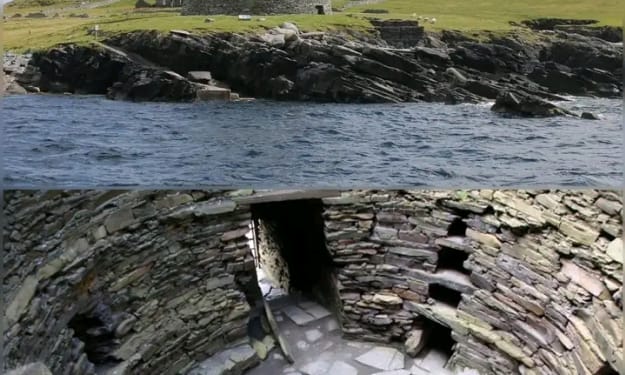
Mousa Broch: A Remarkable Legacy of Iron Age Scotland on Shetland’s Remote Shores
On the rugged Shetland island of Mousa, standing amidst wild landscapes and facing the relentless North Sea, lies a structure so ancient and well-preserved that it has captivated historians, archaeologists, and travelers alike. Mousa Broch, an architectural marvel of Iron Age Scotland, was constructed around 300 BC and has withstood more than two thousand years of weather, human activity, and change. Rising an impressive 43 feet (13 meters) high, Mousa Broch is one of the best-preserved broch structures in Scotland, offering a remarkable insight into ancient life and engineering. What is a Broch? Brochs are unique to Scotland and serve as a defining feature of the Iron Age in the region. Found mainly in the north and west, these drystone towers were circular buildings with thick walls made entirely without mortar. Brochs were often constructed along coastlines, providing strategic vantage points against potential invaders. While their exact purpose remains a topic of debate, brochs are generally thought to have served as defensive structures or high-status dwellings, designed to protect inhabitants from external threats. Their construction represents a sophisticated understanding of engineering, as they were able to withstand the elements and remain standing for centuries. The Construction of Mousa Broch What makes Mousa Broch particularly impressive is not just its height but also the precision and skill evident in its construction. Built without mortar, the broch is made up of stacked stones, carefully placed to create the towering walls that remain largely intact today. The circular structure features a double-wall design, with an interior staircase running between the outer and inner walls, allowing access to different levels of the broch. This design provided both structural strength and insulation, creating a space that would have been secure and, relatively speaking, comfortable even in Shetland’s often harsh weather. The broch’s walls are nearly 16 feet thick at the base, tapering as they rise, which adds to its stability. The interior of the broch, though simple, would have been a refuge from the elements, offering a space where residents could keep warm and store supplies. The entrance is low and narrow, perhaps a deliberate design to make it easier to defend against attackers. Some historians believe that the structure could have functioned as a fortified home for an Iron Age chieftain or leader, signifying its importance as a residence or status symbol in the region. The Strategic Location of Mousa Broch The location of Mousa Broch was as much a defensive choice as it was a practical one. Positioned along the coast of Shetland’s Mousa island, the broch faces the North Sea, with views stretching across the water to nearby islands. This coastal positioning gave the broch’s inhabitants a vantage point from which they could observe approaching ships and potential threats. During the Iron Age, this remote and isolated position would have offered both security and access to the sea, a critical resource for fishing, trade, and travel. Furthermore, the structure’s proximity to the sea likely provided an added defensive benefit. The rugged coastline and surrounding water acted as a natural barrier, making it difficult for invaders to reach the broch without being detected first. This location may also have facilitated contact with neighboring settlements or clans, strengthening alliances and trading networks in the region. Mousa Broch in the Norse Sagas Adding to its historical significance, Mousa Broch is even mentioned in Norse sagas, making it one of the rare prehistoric sites in Scotland with a place in medieval literature. In the Orkneyinga Saga, a Norse tale from the 13th century, the broch is described as a refuge for a Norwegian couple in the year AD 900. The story tells of a couple who, after a shipwreck, sought shelter in the broch from hostile forces. Their tale, preserved in the sagas, brings the broch to life as a symbol of protection and sanctuary, adding a layer of mythology and romance to its history. This connection to the Norse sagas underscores the broch’s importance not only to Iron Age communities but also to the Norse who later inhabited the region. Mousa Broch Through the Centuries While its primary function remains debated, Mousa Broch has served various purposes over the centuries, from shelter to stronghold to landmark. During the Iron Age, it would have been a center of community life, serving as a gathering place, residence, and possibly a defensive fortress. As time passed, the broch was abandoned, but its solid construction ensured that it remained intact, enduring through centuries of shifting tides, storms, and history. In the centuries that followed, the broch became a focal point for local legends and a topic of interest among historians and archaeologists. Its exceptional state of preservation made it an invaluable site for understanding the Iron Age, and it has since been the subject of numerous archaeological studies. Today, Mousa Broch remains a national treasure, protected as a historic monument and visited by travelers who come to marvel at this ancient structure and experience its timeless atmosphere. Visiting Mousa Broch Today Today, Mousa Broch stands as one of Shetland’s most popular historical attractions, drawing visitors from around the world. A trip to Mousa requires a journey by boat, as the island remains remote and uninhabited. Visitors who make the trek are rewarded with a striking view of the broch rising from the rugged landscape, a sentinel against the sea that has stood for over two millennia. Once on the island, visitors can explore the broch’s interior, ascending the narrow staircase within its double walls and stepping out to look over the surrounding landscape and ocean. The broch offers a glimpse into life in the Iron Age, with its ancient stones and remarkable engineering evoking a connection to the past. The experience of standing within Mousa Broch, surrounded by the same stone walls that shielded ancient inhabitants, is a powerful one, transporting visitors back in time. Preserving a Legacy Mousa Broch is an enduring symbol of resilience, a structure that has withstood the test of time and continues to inspire awe. Its preservation is crucial not only for understanding the Iron Age in Scotland but also for maintaining the connection between past and present. Protected as a scheduled monument, efforts are ongoing to ensure that the broch remains intact for future generations to study and enjoy. As one of the most impressive examples of Iron Age architecture in Scotland, Mousa Broch represents the ingenuity, strength, and tenacity of ancient communities. It stands as a reminder of a time when people crafted their own fortresses and homes from the landscape itself, drawing upon skill, cooperation, and resilience to build structures that would endure across the ages.
By Deji Akomolafe2 years ago in History
Dunluce Castle: The Haunting Beauty and Storied Past of Northern Ireland’s Cliffside Fortress
Perched dramatically on the edge of a basalt cliff overlooking the North Atlantic, Dunluce Castle stands as one of Northern Ireland’s most iconic medieval ruins. With a history spanning centuries, marked by feuds, fierce storms, and a series of notable inhabitants, Dunluce Castle is as much a testament to Ireland’s turbulent past as it is a symbol of enduring beauty. Built in the 13th century, Dunluce has captivated onlookers for generations, drawing visitors who come for its breathtaking views and a tangible sense of history that permeates the crumbling stone walls. Origins of Dunluce Castle: The McQuillan Family Legacy The story of Dunluce Castle begins in the 13th century with the McQuillan family, a prominent Irish clan who controlled much of Northern Ireland’s Antrim coast. Originally intended as a defensive stronghold, Dunluce was designed to ward off attacks from rival clans and protect valuable resources and trade routes along the coast. The cliffside location of Dunluce provided natural defenses, with steep drops on three sides making it nearly impregnable from land attacks. Built with solid basalt and limestone, the castle was constructed to withstand both the elements and the violent conflicts that frequently erupted between the region's clans. Over the years, the McQuillans fortified and expanded Dunluce, turning it into a prominent and formidable castle. Yet, despite its strategic location and sturdy construction, Dunluce’s position high above the rocky coastline would ultimately prove to be both a blessing and a curse. The rugged beauty of the surroundings added to the allure of the castle, but the relentless forces of nature would pose significant challenges. The MacDonnell Clan Takes Control By the late 16th century, the McQuillans had lost their hold on Dunluce Castle. Through marriage and military maneuvering, the castle eventually passed into the hands of the powerful MacDonnell clan. Sorley Boy MacDonnell, a chieftain from the Scottish MacDonnell family, seized Dunluce and established it as his family’s stronghold. Under Sorley Boy’s leadership, Dunluce was transformed from a defensive fortress into a grand residence, reflecting the MacDonnell family’s wealth and influence. The MacDonnells continued to expand and enhance Dunluce Castle, building new sections that included luxurious accommodations and more sophisticated defenses. During this period, Dunluce became a symbol of the clan’s power and influence in the region, dominating the Antrim coast as one of the most formidable castles in Ireland. In 1588, history and fate intertwined at Dunluce when the remnants of a Spanish Armada ship, the Giralda, wrecked nearby. The MacDonnells salvaged valuable treasures from the wreckage, enhancing their wealth and adding to the mystique surrounding the castle. This newfound wealth funded further expansion, including an elaborate manor house, making Dunluce a castle fit for nobility. For a brief time, it was a center of Gaelic culture and power on the Irish coast, a stronghold that blended Irish and Scottish heritage. The Collapse of 1639: Nature’s Fury Dunluce’s position on the cliff’s edge gave it a stunning panoramic view of the North Atlantic, but it also made the castle vulnerable to the fierce storms that battered the coast. In 1639, one of these storms proved disastrous for Dunluce. During a particularly violent night, a significant portion of the castle, including the kitchen and other essential structures, collapsed into the sea. Legend has it that several servants were in the kitchen at the time of the collapse, adding a tragic dimension to the castle’s history. This catastrophic event marked the beginning of the end for Dunluce Castle as a livable fortress. The damage was too extensive and the risk too great for the MacDonnells to continue using it as a residence. Over the following decades, the castle was gradually abandoned, left to the forces of nature and history. The MacDonnells eventually moved to more stable accommodations, and Dunluce was left as a haunting ruin—a skeleton of its former grandeur. A Ruin and a Mystery Though no longer occupied, Dunluce Castle has never truly been forgotten. Over the centuries, stories and legends surrounding the castle have grown, intertwining fact with folklore. Local tales speak of ghosts wandering the ruins, of eerie lights seen flickering in the empty windows, and of the sounds of clinking armor and ghostly voices carried on the wind. These stories only add to the allure of Dunluce, drawing those fascinated by the supernatural as much as those interested in history. The ruins of Dunluce also offer a remarkable glimpse into medieval architecture and the living conditions of Ireland’s nobility during the period. Despite its dilapidated state, the castle’s layout and surviving stonework still convey a sense of the power and prestige it once commanded. The remnants of towers, walls, and doorways transport visitors back in time, helping them imagine the castle in its heyday, filled with the sounds of feasting, music, and clan gatherings. Dunluce Today: A Window to the Past Today, Dunluce Castle stands as a cherished historical landmark and a top tourist destination on the Antrim coast. The site, managed by the Northern Ireland Environment Agency, is carefully preserved to ensure that future generations can experience its beauty and history. Visitors can explore the ruins, taking in views of the dramatic coastline, the distant cliffs, and the endless horizon of the North Atlantic. Standing on the castle’s cliffside walls, one can feel the weight of history, the echoes of the lives that once filled these now-empty halls. The castle's position offers breathtaking views, with the deep blue waters of the Atlantic crashing against the cliffs far below. It's easy to see why Dunluce has become a favorite spot for photographers and travelers seeking to capture the raw beauty of Ireland’s coast. Its dramatic setting has even caught the eye of filmmakers, appearing in productions such as Game of Thrones, where it served as an inspiration for the House of Greyjoy’s fortress, Pyke. Preserving the Legacy Dunluce Castle is more than just a ruin; it’s a symbol of resilience, a reminder of Ireland’s rich and turbulent past. The ruins of this once-grand stronghold tell the story of clans and conquests, of triumphs and tragedies. Through storms, wars, and the passage of time, Dunluce has stood as a testament to human ambition and the ever-present force of nature. For visitors, Dunluce is not merely a tourist attraction but an invitation to connect with the spirit of ancient Ireland, to walk where warriors and nobility once strode, and to witness firsthand the stunning beauty and historical resonance of this extraordinary cliffside castle.
By Deji Akomolafe2 years ago in History
Haiti’s Revolutionary History
The Haitian Revolution is considered a pivotal moment in history, yet it often lacks the acknowledgment it merits. Haiti was the second country in the Americas to gain independence, after the United States in 1776. Furthermore, it became the first Black republic globally and stands as the sole example of a successful uprising by enslaved people that led to the establishment of an independent nation.
By A História2 years ago in History
Why Did The Ripper SUDDENLY Disappear?
Jack the Ripper. The very name sends chills down your spine, doesn’t it? For over a century, the identity of this infamous killer has haunted Londoners and thrill-seekers alike. His gruesome crimes in the impoverished district of Whitechapel in 1888 shocked the world, and yet, after a spree of brutal murders, Jack the Ripper seemingly disappeared into thin air. But why did he vanish so suddenly? Did he retire? Was he caught but released? Or did he just tire of the game?
By Marveline Merab2 years ago in History
The World's Most Beautiful Seaside
The allure of the seaside has captivated humanity for centuries. There’s something about the rhythmic sound of waves crashing against the shore, the salty breeze, and the endless horizon that brings a sense of peace and wonder. Whether you're seeking relaxation, adventure, or a place to unwind, the world's most beautiful seascapes offer the perfect escape. In this post, we’ll explore some of the most stunning coastal destinations globally, showcasing the beauty and diversity of our planet's shorelines.
By Zinnat ara Begum2 years ago in History
The Epic Voyages of Christopher Columbus: Discovering New Lands and Shaping History
Christopher Columbus’s journey across the Atlantic Ocean stands as one of the most transformative events in world history. His voyages in the late 15th century were not only feats of navigation and maritime courage but also pivotal moments that linked continents and altered the course of human civilization. In this article, we’ll explore Columbus’s famous expeditions, the lands he encountered, and the profound impact his discoveries had on the world.
By mariam elghazaly2 years ago in History
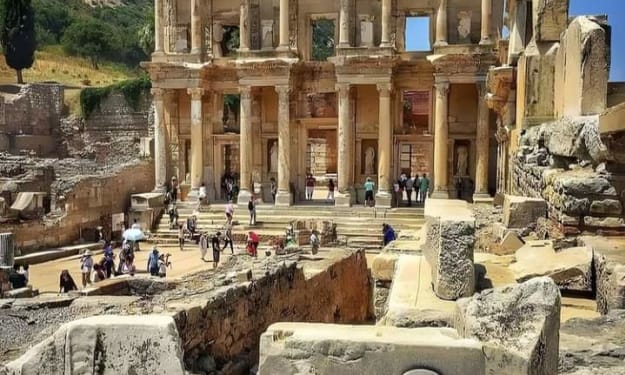
The Library of Celsus: An Architectural Marvel of Ancient Ephesus
Nestled within the ancient city of Ephesus, now located in modern-day Turkey, stands the remarkable Library of Celsus, a structure celebrated for its architectural grandeur and historical significance. This library, constructed during the height of the Roman Empire, is a rare surviving example of the great libraries that once dotted the ancient world. Built in the 2nd century AD, the Library of Celsus is more than just a collection of texts and scrolls; it is a testament to the Roman appreciation for learning, beauty, and public life, with intricate architectural details that captivate historians and tourists alike to this day. Origins and History The library was built between 110 and 135 AD by Tiberius Julius Aquila in honor of his father, Tiberius Julius Celsus Polemaeanus, a former Roman senator and governor of the Asian province. Celsus had been a highly respected and influential figure, and his son sought to honor his legacy by commissioning a structure that would serve as both a library and a monumental tomb. Unlike other libraries of the time, which served exclusively as public spaces for reading and knowledge, the Library of Celsus also served as Celsus’s tomb. It is believed that his remains were laid to rest within a sarcophagus beneath the library, making it a unique blend of a cultural and commemorative space. Architectural Significance What makes the Library of Celsus particularly remarkable is its architectural design. With a two-story facade adorned with Corinthian columns, statues, and intricately carved details, the library stands as an example of Roman urban design and the Empire’s ability to blend utility with visual artistry. The facade is approximately 21 meters (69 feet) high and is flanked by several statues, each symbolizing wisdom, knowledge, and other virtues associated with intellectual pursuits. The placement of the columns and statues is not only decorative but also serves to create a visual illusion of grandeur and depth, making the library appear even larger than it is. The use of these columns, along with the ornate carvings, exemplifies the fusion of Greek and Roman architectural styles, a hallmark of Roman public buildings during this period. The outer walls feature a sequence of niches filled with statues symbolizing the virtues most prized in Roman society—Sophia (wisdom), Arete (virtue), Ennoia (intellect), and Episteme (knowledge)—highlighting the importance the Romans placed on intellectual and moral values. The aesthetic beauty of the Library of Celsus, with its proportional symmetry and detailed ornamentation, makes it one of the most admired structures from ancient Ephesus. A Center for Knowledge While the primary purpose of the Library of Celsus was commemorative, it was also designed to house an impressive collection of scrolls, estimated to be as many as 12,000. Although this may seem modest compared to other grand libraries of the ancient world, like the Library of Alexandria, it was an invaluable resource for Ephesus, a bustling Roman provincial capital and center of commerce. The library not only supported the city’s intellectual community but also served as a place where citizens could gather, read, and engage in discussion. Inside, the library featured a rectangular room with shelves and niches designed to hold the scrolls, while windows allowed natural light to flood the reading area. To protect the precious scrolls from humidity, which could damage the delicate papyrus material, the library was built with a clever ventilation system, an advanced feature that helped maintain the scrolls’ condition. The walls also had double layers to act as insulation, preventing excessive heat and moisture from damaging the scrolls. This attention to detail underscores the value that the Romans placed on the preservation of knowledge and their understanding of how to manage environmental factors. The Library's Decline and Rediscovery The Library of Celsus, like many of the world’s ancient wonders, fell victim to time and the forces of nature. The city of Ephesus began to decline in importance during the Byzantine period, and a series of earthquakes in the 3rd and 10th centuries AD caused extensive damage to the library and surrounding structures. By the time Ephesus was abandoned, the Library of Celsus had been reduced to ruins, with its once-grand facade buried under layers of sediment and debris. In the 20th century, a team of archaeologists from Austria set out to restore the library’s facade, painstakingly piecing together its remnants from the rubble. The restoration efforts were successful, and today, the facade of the Library of Celsus stands as a beautiful reminder of its past splendor. While the interior and original scrolls were lost over time, the facade remains largely intact, allowing visitors to catch a glimpse of its former glory. The Legacy of the Library of Celsus The Library of Celsus has left a lasting legacy as an architectural marvel and a symbol of the intellectual vibrancy of the ancient Roman world. Its survival through millennia, despite natural and human-induced challenges, is a testament to the craftsmanship of Roman engineers and the cultural importance placed on knowledge and intellectual achievement. For visitors to Ephesus, standing before the Library of Celsus offers a tangible connection to history and a reminder of the timeless value of learning. In the context of ancient libraries, which were often destroyed by fire, invasion, or decay, the Library of Celsus stands out as a rare survivor, capturing the elegance and ambition of the Roman Empire at its height. It is not just a place where knowledge was stored; it is a symbol of a society that revered wisdom and sought to preserve it for future generations. In this way, the Library of Celsus remains relevant, a monument to the enduring human quest for knowledge and the architectural beauty that can arise from such noble pursuits. Today, the Library of Celsus continues to inspire awe and admiration as one of the most photographed and celebrated ruins in Ephesus, drawing visitors from around the world who marvel at its artistry and the historical narrative it embodies. It reminds us that the pursuit of knowledge and beauty is universal, transcending the boundaries of time and culture, and that even in ruin, the legacy of past civilizations continues to resonate.
By Deji Akomolafe2 years ago in History
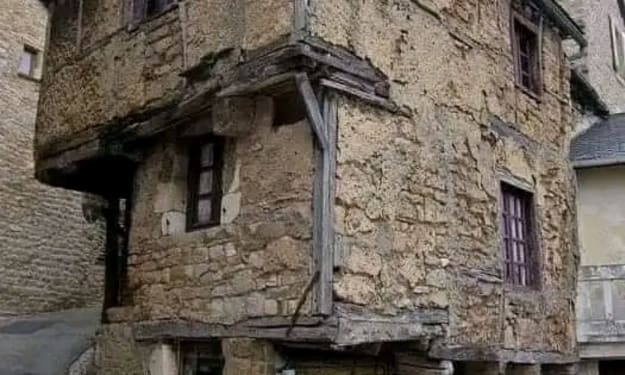
The Oldest House in France: A Glimpse into Medieval Life in Aveyron
Nestled in the charming countryside of Aveyron, France, stands an extraordinary piece of history: a 700-year-old house, believed to be the oldest in France. Built in the 13th century, this medieval residence, attributed to a woman named Jeanne, provides a captivating look into life in medieval France. Its age, architectural details, and ongoing restoration efforts have transformed it into a unique cultural treasure, preserving a way of life that otherwise may have been forgotten. A Medieval Masterpiece in Stone The house itself is a testament to the architectural practices of medieval times. Constructed from stone, a luxury in those days, it tells us that Jeanne, its original owner, was relatively wealthy. In medieval France, only the wealthier members of society could afford to build with stone, as it was durable, offered better protection from the elements, and symbolized stability. Unlike the wooden structures that were common during that period, stone houses were more resistant to fire, pests, and decay, making them valuable assets. The stone structure also reflects the level of craftsmanship available at the time. Builders had to quarry, transport, and shape each stone by hand, an arduous task that required skill and dedication. The choice to invest in stone suggests that Jeanne had a long-term vision for her property, wanting it to withstand generations and provide safety and comfort. Unique Tax-Saving Design One of the house’s most intriguing features is its design, which reflects the ingenuity of medieval tax-avoidance strategies. The ground floor is slightly smaller than the upper levels, a design tactic employed in the 13th century to minimize land taxes. During Jeanne's time, taxes were based on the footprint of the ground floor, rather than the total square footage of the building. By expanding the upper stories, homeowners could maximize their living space without incurring additional tax costs. This clever design is not only historically significant but also visually distinctive. The house appears to widen as it rises, creating an almost whimsical structure that captures the creativity and adaptability of medieval builders. This feature also highlights the financial considerations and constraints that shaped the architecture of the time, reminding us that even in centuries past, individuals found innovative ways to adapt to tax regulations. A Glimpse into Jeanne’s Life While much of Jeanne's story remains a mystery, the details we do know paint a fascinating picture of her life. The fact that she could afford a stone house suggests that Jeanne was likely a woman of means, either through family wealth, marriage, or her own economic activities. Medieval Aveyron was a region marked by a mix of agriculture, trade, and craftsmanship, so it’s possible that Jeanne or her family had ties to one of these industries. The house’s size and sturdy construction imply that it was not only a place of residence but also a point of pride. Stone houses were rare enough to signify social standing, and it’s likely that Jeanne’s home would have been admired by her neighbors and community members. This also gives insight into the local society and culture, as structures like this would serve as informal landmarks, embodying the town’s history and identity. Restoration Efforts: Preserving a Piece of History Today, Jeanne’s house is undergoing careful restoration, a process that requires respect for its historical integrity as well as modern expertise. Restoration efforts aim to preserve the original stonework, unique design, and architectural details, ensuring that the house remains a genuine representation of its time. Given its age and historical significance, the restoration project must balance the demands of modern preservation techniques with the materials and methods that would have been used in the 13th century. Restoring a 700-year-old house is no easy feat. The work involves skilled craftsmen who specialize in stone masonry, woodwork, and traditional building methods, each carefully selected to match the original materials. Even with modern technology, the restoration team faces the challenge of preserving the structural integrity of a building that has withstood centuries of weather and wear. Yet the effort is well worth it, as it allows future generations to experience a piece of medieval life firsthand. Historical Significance and Cultural Value The house in Aveyron is more than just an old building; it is a symbol of France’s deep historical roots and architectural heritage. Structures like Jeanne’s house offer a tangible link to the past, allowing people to step back in time and imagine the lives of those who lived centuries ago. For historians, architects, and tourists, the house offers a rare opportunity to explore an authentic piece of medieval history, untouched by the major changes that swept through France over the centuries. Moreover, this house stands as a cultural treasure for the local community, embodying a sense of identity and continuity. The restoration of Jeanne’s house is not only about preserving bricks and mortar; it’s about keeping alive the stories, traditions, and lifestyles of those who shaped the region’s history. For the people of Aveyron, the house is a reminder of their ancestors’ resilience, ingenuity, and craftsmanship. A Lasting Legacy of Medieval France As the oldest known house in France, Jeanne’s 13th-century home is a remarkable legacy of the medieval period. It stands as a tribute to the skills and creativity of those who lived hundreds of years ago, as well as a symbol of the timeless connection between architecture and society. The design details, tax-saving features, and the durability of the stone construction all speak to a way of life that was both practical and profound. Today, as visitors and locals alike witness the careful restoration of Jeanne’s home, they are reminded of the rich tapestry of history that surrounds them. In preserving this medieval house, France is safeguarding not only a structure but a story—a story of a woman named Jeanne, of a town’s heritage, and of a time when homes were crafted to last, providing shelter, pride, and a lasting legacy for future generations.
By Deji Akomolafe2 years ago in History
Discovering the Enchantment of Sicily's Timeless Stone Village: A Journey Through History, Language, and Heritage
Nestled in the heart of Sicily, far from the well-trodden tourist trails, lies a village unlike any other. Here, history breathes through every stone, and stories linger in the ancient walls of a 4,000-year-old castle. This place is not only a feast for the eyes but a marvel for the soul—a village where the rugged cliffs cradle homes and an ancient dialect is still spoken today. Step into this hidden Sicilian treasure, a place where time seems to stand still, and embark on a journey through its layers of history, tradition, and language. The Ancient Castle: A Testament to Millennia The castle, which is the focal point of this village, was constructed an astonishing 4,000 years ago. Built into the bedrock, its rough-hewn stones seem to merge seamlessly with the rugged landscape, making it a natural part of the scenery. Originally crafted by ancient inhabitants of Sicily, the fortress has stood resilient through the centuries, witnessing the rise and fall of empires, the evolution of cultures, and the transformation of the world around it. Remarkably well-preserved, it continues to dominate the landscape, inviting all who visit to imagine the lives of those who once roamed its halls. Historians believe that this castle may have served as a defensive stronghold, safeguarding its inhabitants from invading forces who long sought control of Sicily's fertile lands and strategic location. From the Greeks to the Romans, Arabs, Normans, and Spaniards, countless civilizations have left their marks on Sicily. Yet, this castle seems to transcend them all, embodying the enduring spirit of the island's past. The Stone-Carved Village: Homes Built Inside the Rock A short walk from the castle, the charm of this village deepens with houses carved directly into the stone, merging human ingenuity with natural splendor. Unlike most villages that expand horizontally or vertically, this community was built inward, taking advantage of the natural caves and formations in the cliffs. For centuries, families have lived within these rock-hewn homes, which provide natural insulation against Sicily's sweltering summers and chilly winters. These houses are not just homes; they are a testament to the Sicilian people’s ability to adapt to and thrive within their environment. Every doorway, window, and stone reveals a story. Inside, the walls retain the echoes of countless generations who lived in harmony with nature, relying on the land for sustenance. The interiors are modest yet cozy, offering glimpses into a simpler way of life, far removed from the pace of modern cities. The blend of practicality and beauty found in these stone-carved dwellings is a rare spectacle that connects the present-day inhabitants with their ancient ancestors. A Unique Language and Its Roots: Preserving a 200-Year-Old Dialect Perhaps one of the most fascinating aspects of this village is the language spoken by its residents. Linguists have been captivated by the dialect here, which is distinct from standard Italian or even Sicilian. This unique language dates back around 200 years, believed to have evolved as a blend of local Sicilian with influences from various occupiers who passed through over centuries. The dialect is a living remnant of this village's isolated history, preserved in part by the community’s relatively remote location and close-knit nature. The language reflects the village’s unique identity, a mix of cultural influences shaped by history yet untouched by time. Each word, phrase, and expression reveals the story of resilience, adaptation, and pride that defines the people here. Locals are proud to share their dialect with visitors, keen to pass down their linguistic heritage to younger generations. In a world where ancient languages are quickly disappearing, this village stands as a beacon of cultural preservation. Stepping Back in Time: Embracing the Culture and Community Visiting this village offers a unique journey into Sicily's deep-rooted history and distinct culture. This is not a place of hurried sightseeing but of lingering exploration, where every step reveals a new piece of the past. The locals, often wearing traditional clothing and maintaining age-old customs, invite you to experience their way of life. From homemade Sicilian dishes to artisan crafts, they proudly showcase their heritage, weaving a tapestry of Sicily’s storied past into the fabric of everyday life. Festivals here are a vibrant celebration of the community’s identity. Ancient rituals and songs, sung in the unique dialect, breathe life into the village, allowing both locals and visitors to partake in traditions that stretch back through the ages. The festivals celebrate the harmony between human endeavor and the natural world, from seasonal harvests to cultural commemorations. Preserving a Living Legacy: A Village of the Past, For the Future As modernity encroaches on even the most remote places, this Sicilian village remains steadfast in preserving its ancient way of life. Visitors are enchanted by the timeless charm and authenticity of the experience, but the villagers are mindful of striking a balance between welcoming tourism and protecting their heritage. Initiatives are underway to preserve both the architecture and the dialect, ensuring that future generations can continue to enjoy the unique legacy of this stone-carved sanctuary. The journey to this extraordinary village is more than a mere trip—it’s a step back through millennia, a portal to an ancient Sicily where history lives on in the language, walls, and hearts of the people. Whether you're drawn by the allure of the ancient castle, the beauty of the stone-carved homes, or the chance to hear a language unlike any other, this village offers an unparalleled experience that connects you to the enduring spirit of Sicily’s past. In a world racing forward, this hidden gem in Sicily offers a rare chance to pause, listen, and truly appreciate the echoes of history.
By Deji Akomolafe2 years ago in History
Fulwell Acoustic Mirror. Top Story - November 2024.
Remembrance Day feels like an appropriate time to look back at an unlikely piece of military history on Wearside. The Fulwell Acoustic Mirror might not look like much, but the stark concrete slab played a key role in air defence 15 years before Radar was implemented.
By Andy Potts2 years ago in History
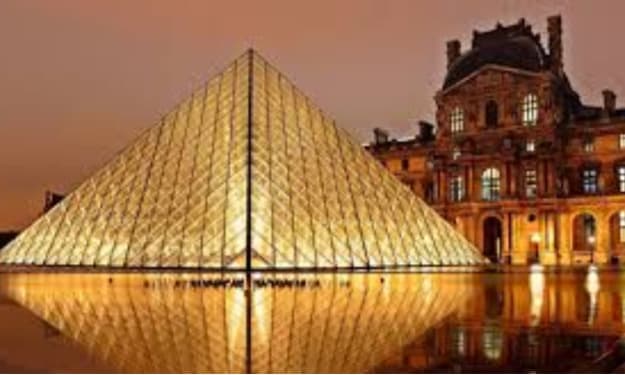
The World’s Most Beautiful Museums
Museums are not just repositories of history, but also monuments to the human imagination. Some of the most beautiful museums in the world combine art, culture, and stunning architecture to create unforgettable experiences for visitors. From the grandeur of the Louvre Museum in Paris to the contemporary brilliance of the Guggenheim in New York, these cultural gems offer not only masterpieces but also some of the most iconic structures in the world. Join us on a journey to explore the world's most beautiful museums, where art and architecture intersect to create timeless experiences.
By Zinnat ara Begum2 years ago in History