Fiction
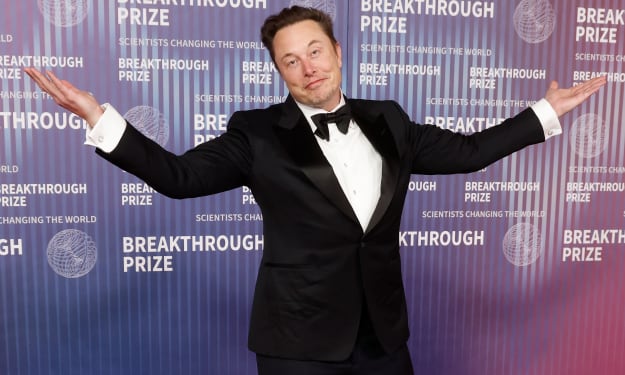
Elon Musk’s Neuralink Implant Goes Public: First Human Trials Success
Introduction Elon Musk’s futuristic brain-computer interface (BCI) company, Neuralink, has taken a monumental step forward by successfully implanting its device in a human patient. After years of animal testing and regulatory hurdles, Neuralink has officially entered human trials, marking a pivotal moment in neurotechnology. The first human recipient, who underwent the procedure in early 2024, has reportedly recovered well and is showing promising initial results. This breakthrough could revolutionize how we treat neurological disorders, restore lost functions, and even merge human cognition with artificial intelligence (AI). In this article, we’ll explore: The science behind Neuralink’s brain implant Details of the first human trial Potential medical and technological implications Ethical concerns and future prospects What Is Neuralink? Neuralink, founded by Elon Musk in 2016, aims to create a high-bandwidth, minimally invasive brain-machine interface. The ultimate goal is to enable direct communication between the human brain and computers, allowing for: Medical applications (treating paralysis, blindness, Parkinson’s, etc.) Cognitive enhancement (memory augmentation, faster learning) Symbiosis with AI (preventing humans from being outpaced by artificial intelligence) How Does the Neuralink Implant Work? Neuralink’s device, called the "Link," is a coin-sized chip implanted in the skull. It consists of ultra-thin, flexible electrodes (thinner than a human hair) that connect to neurons in the brain. These electrodes detect and transmit neural signals to an external device, such as a computer or smartphone. Key features of the Neuralink implant: Minimally Invasive Surgery – A precision robot performs the implantation, reducing risks compared to traditional brain surgeries. Wireless Charging & Data Transfer – The device connects via Bluetooth, eliminating the need for visible wires. High-Resolution Neural Recording – Capable of reading and stimulating thousands of neurons simultaneously. Potential for AI Integration – Future updates may allow direct brain-to-AI communication. First Human Trial: A Major Milestone In January 2024, Neuralink received FDA approval to begin human trials. The first participant, a paralyzed patient, underwent surgery to receive the implant. Procedure & Early Results The surgery was performed by Neuralink’s custom robotic surgeon, ensuring precise electrode placement. The patient recovered without major complications, and early tests confirmed that the implant is successfully recording brain activity. Initial reports suggest the patient can control a computer cursor and type messages using only their thoughts—a groundbreaking achievement for paralyzed individuals. What’s Next in the Trial? Neuralink plans to expand trials to more patients, focusing on those with severe spinal cord injuries and neurodegenerative diseases. The company aims to refine the technology for broader medical and consumer use. Potential Medical Applications Neuralink’s success could transform treatment for numerous neurological conditions: 1. Restoring Mobility for Paralysis Patients By bypassing damaged nerves, Neuralink could allow paralyzed individuals to control robotic limbs or exoskeletons using their thoughts. 2. Treating Parkinson’s & Epilepsy The implant could detect and counteract abnormal brain activity, reducing tremors and seizures. 3. Restoring Vision & Hearing Future versions might interface with optical or auditory nerves, helping blind or deaf individuals perceive signals directly. 4. Mental Health & Depression Treatment Deep brain stimulation via Neuralink could regulate mood disorders more precisely than current methods. Beyond Medicine: The Future of Human-AI Integration While medical applications are the immediate focus, Musk envisions Neuralink as a bridge between human intelligence and AI. Potential futuristic uses include: 1. Enhanced Cognitive Abilities Instant access to information (like a "Google search" in your brain). Accelerated learning by downloading skills directly. 2. Brain-to-Brain Communication Telepathic messaging between Neuralink users. 3. Merging with Artificial Intelligence Preventing AI from surpassing human intelligence by integrating with it. Ethical Concerns & Challenges Despite its promise, Neuralink raises significant ethical and safety questions: 1. Privacy Risks Could brain data be hacked or misused? Who owns the neural data collected by Neuralink? 2. Long-Term Safety How will the brain react to long-term implants? Could there be unforeseen side effects? 3. Inequality & Accessibility Will this technology be available only to the wealthy? Could it create a divide between enhanced and non-enhanced humans? 4. Regulatory & Social Acceptance Governments will need strict oversight to prevent misuse. Public perception may slow adoption due to fears of "mind control." Conclusion: A New Era of Brain-Computer Interfaces Neuralink’s first successful human trial is a historic milestone, opening doors to revolutionary medical treatments and futuristic human-computer symbiosis. While challenges remain, the potential benefits—from curing paralysis to merging with AI—are staggering. As Neuralink advances, society must carefully balance innovation with ethics, ensuring this powerful technology is used responsibly. One thing is certain: the future of human cognition and interaction is changing faster than ever before. Final Thoughts Short-term impact: Life-changing treatments for neurological disorders. Long-term vision: A seamless merger between human intelligence and AI. Key question: Are we ready for a world where thoughts can control machines—and machines can influence thoughts? Neuralink’s journey has just begun, and the world is watching closely.
By Silas Blackwoodabout a year ago in History
The End of College? Employers Drop Degree Requirements in 2025
Introduction For decades, a college degree has been the golden ticket to career success. Employers have long used degrees as a proxy for skills, intelligence, and employability. But in 2025, a major shift is underway: companies across industries are dropping degree requirements in favor of skills-based hiring. This trend raises a critical question: Is this the beginning of the end for traditional college education? As major corporations, tech giants, and even government agencies eliminate degree mandates, the value of a four-year degree is being reevaluated. Rising tuition costs, student debt crises, and the rapid evolution of job skills have forced employers to rethink hiring strategies. In this article, we’ll explore: Why employers are abandoning degree requirements The rise of alternative credentials (bootcamps, certifications, apprenticeships) The potential decline in college enrollment and its economic impact What this means for students, workers, and the future of education Why Employers Are Dropping Degree Requirements 1. The Skills Gap Crisis Many employers struggle to find qualified candidates despite millions of degree holders. A 2024 report by the Society for Human Resource Management (SHRM) found that 45% of employers believe college graduates lack essential job skills. Degrees often emphasize theory over practical application, leaving graduates unprepared for real-world work. Companies like Google, Apple, and IBM have publicly stated that skills and experience matter more than formal education. 2. The Rising Cost of College vs. Diminishing Returns The average student loan debt in the U.S. is $37,000 per borrower, with total student debt surpassing $1.7 trillion. Meanwhile, studies show that many degrees do not guarantee high-paying jobs. Employers recognize that requiring degrees excludes talented candidates who can’t afford college. By removing this barrier, companies tap into a larger, more diverse talent pool. 3. The Shift to Competency-Based Hiring Instead of relying on degrees, employers now use: Skills assessments (coding tests, case studies, portfolio reviews) Micro-credentials (Google Certificates, Coursera, Udacity) Apprenticeships and on-the-job training A 2025 LinkedIn survey found that 72% of employers prioritize skills over degrees, especially in tech, marketing, and healthcare. Alternative Pathways to High-Paying Jobs With degrees becoming optional, workers are turning to faster, cheaper, and more targeted education options: 1. Coding Bootcamps & Tech Certifications Bootcamps (Flatiron School, General Assembly) train students in 3–6 months. Certifications (AWS, CompTIA, Google IT) validate skills without a 4-year degree. Outcome: Many bootcamp grads land $70,000–$100,000+ jobs in tech. 2. Apprenticeships & Earn-While-You-Learn Models Companies like Tesla, Microsoft, and JPMorgan Chase now offer paid apprenticeships instead of requiring degrees. 3. Online Learning & Self-Education Platforms like Coursera, Udemy, and Khan Academy provide affordable upskilling. Self-taught professionals in fields like digital marketing, UX design, and cybersecurity are thriving without degrees. The Decline of College Enrollment & Its Economic Impact 1. Plummeting Enrollment Rates Since 2020, U.S. college enrollment has dropped by nearly 10%. If this trend continues, universities could face: Campus closures (especially small liberal arts colleges) Reduced funding for research and programs Increased competition from alternative education providers 2. The Student Debt Reckoning As fewer students see college as a worthwhile investment, pressure mounts on policymakers to: Cancel or reduce student debt Subsidize vocational training Regulate for-profit colleges 3. The Rise of Corporate Universities Companies like Amazon, Walmart, and Salesforce now offer their own training programs, bypassing traditional education. What This Means for Students & Workers For Current Students: Consider ROI before enrolling—will your degree pay off? Supplement with certifications to stay competitive. Explore apprenticeships and internships for hands-on experience. For Job Seekers Without Degrees: Build a strong portfolio (GitHub, Behance, personal website). Network aggressively—many jobs come from referrals. Leverage free/low-cost upskilling (Google Career Certificates, LinkedIn Learning). For Employers: Focus on skills assessments over pedigree. Invest in training programs to bridge skill gaps. Promote diversity by removing unnecessary degree filters. Conclusion: Is College Still Worth It? The decline of degree requirements doesn’t mean college is obsolete—elite schools and specialized fields (medicine, law) will still demand degrees. However, for many careers, skills and experience are the new currency. In 2025, the education system is at a crossroads. Universities must adapt by offering more affordable, flexible, and job-relevant programs. Meanwhile, workers must continuously learn to stay competitive in a fast-changing job market. The era of "degree inflation" is ending. The future belongs to those who can prove their skills—with or without a diploma.
By Silas Blackwoodabout a year ago in History
Taylor Swift’s Record-Breaking ‘Eras Tour’ Movie Dominates Streaming
Taylor Swift continues to redefine success in the entertainment industry, and her latest triumph comes in the form of Taylor Swift: The Eras Tour (Taylor’s Version), a concert film that has taken streaming platforms by storm. Originally released in theaters in October 2023, the film shattered box office records before making its highly anticipated debut on Disney+ in March 2024. Since then, it has dominated streaming charts, reinforcing Swift’s unparalleled influence in music, film, and pop culture.
By Silas Blackwoodabout a year ago in History
The Forgotten Empire That Shaped the Modern World
We often talk about history like it’s a straight line from ancient Greece to Renaissance Europe to Silicon Valley. But between the ruins of Rome and the rockets of Elon Musk lies a missing chapter — one written not in Latin or English, but in Arabic script, inked with innovation, and powered by curiosity. It’s the story of a civilization that burned brightly at a time when most of the Western world had gone dark.
By Mohammad Ashiqueabout a year ago in History
History Would’ve Burned: How Fire Shaped Civilizations
Fire is one of humanity’s oldest and most transformative discoveries. Its mastery marked the dawn of civilization, altering the course of history in ways both constructive and destructive. From providing warmth and protection to enabling technological advancements, fire has been a double-edged sword—capable of nurturing societies or reducing them to ashes. This article explores how fire has shaped human history, from prehistoric times to the modern era, and how civilizations have risen, fallen, and adapted in its flames. The Dawn of Fire: Humanity’s First Great Tool The controlled use of fire dates back at least 1 million years, with evidence suggesting that early hominids like Homo erectus harnessed it for warmth, cooking, and protection. Fire allowed early humans to: Cook food, making it more digestible and unlocking greater nutritional value, which may have contributed to brain development. Ward off predators, enabling safer settlements. Extend waking hours by providing light after sunset, fostering social interaction and tool-making. Without fire, human evolution and migration—especially into colder climates—would have been drastically different. Fire and the Birth of Civilization As humans transitioned from nomadic hunter-gatherers to settled agricultural societies, fire became indispensable. 1. Agriculture & Land Management Slash-and-burn farming cleared forests for crops, though it also led to soil depletion over time. Controlled burns were used by Indigenous peoples to manage ecosystems, promoting biodiversity. 2. Metallurgy & Technology The discovery of smelting (extracting metal from ore using fire) revolutionized tool-making, leading to the Bronze and Iron Ages. Fire enabled ceramics and glassmaking, essential for storage, construction, and art. 3. Warfare & Destruction Fire was weaponized early, from flaming arrows to Greek fire (a Byzantine incendiary weapon). Cities like Rome (64 AD) and London (1666) suffered catastrophic fires that reshaped urban planning. Fire as a Cultural and Religious Symbol Beyond its practical uses, fire held deep spiritual significance: Zoroastrianism revered fire as a symbol of divine wisdom. Greek mythology told of Prometheus, who stole fire from the gods to give to humanity. Hindu rituals involve sacred fires (yajna) for purification and offerings. The Industrial Revolution: Fire Powers the Modern World The 18th and 19th centuries saw fire’s role expand exponentially with the advent of: Steam engines (burning coal) powering factories and transportation. Internal combustion engines, leading to automobiles and airplanes. Electricity generation, initially through coal and later gas and oil. However, industrialization also brought pollution, deforestation, and climate change—unintended consequences of humanity’s reliance on fire. Fire in the Modern Age: Control and Catastrophe Today, fire remains both a vital tool and a devastating force: 1. Controlled Use Energy production (natural gas, nuclear reactions). Space exploration (rocket propulsion). Medicine and industry (sterilization, manufacturing). 2. Uncontrolled Disasters Wildfires (exacerbated by climate change) destroy millions of acres annually. Urban fires (e.g., Grenfell Tower, 2017) reveal vulnerabilities in modern infrastructure. Warfare (napalm, incendiary bombs) continues to use fire as a weapon. Conclusion: Will Fire Consume or Sustain Us? Fire has been a defining force in human history—both creator and destroyer. As we advance, the challenge is to harness its power responsibly, mitigating its dangers while leveraging its benefits. From ancient campfires to fusion energy, fire remains at the heart of civilization’s progress. If history is written in flames, then humanity’s future will be shaped by how well we master this primal force—before it masters us.
By Silas Blackwoodabout a year ago in History
Elon Musk's interesting life story. Content Warning.
Early Life and Education Born on June 28, 1971, in Pretoria, South Africa, Elon Musk was the eldest of three children. His mother, Maye Musk, was a Canadian model and dietitian, and his father, Errol Musk, was a South African electromechanical engineer. From a young age, Musk exhibited a keen interest in computing and technology. At age 12, he developed and sold a video game called Blastar for $500.
By Himanish Royabout a year ago in History
99-million-year-old dinosaur tail found preserved inside amber fossil
**99-Million-Year-Old Dinosaur Tail Found Preserved Inside Amber Fossil** In one of the most extraordinary paleontological discoveries of the 21st century, scientists have uncovered a 99-million-year-old dinosaur tail preserved in amber. This rare and stunning find, unearthed in Myanmar, has provided researchers with a unique glimpse into the ancient world, revealing incredible details about feather evolution, dinosaur biology, and the ecosystems of the Cretaceous period.
By GLOBAL NEWSabout a year ago in History
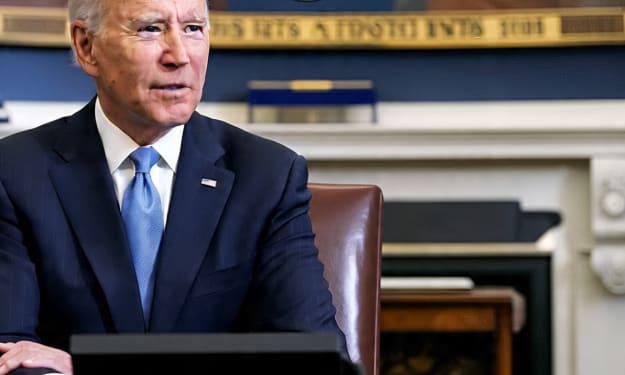
Joe Biden. AI-Generated.
Joe Biden was born on November 20, 1942, in Scranton, Pennsylvania, a small city in the United States. He grew up in a working-class family. His father, Joseph Biden Sr., worked very hard to take care of the family. At times, the family had little money. But they stayed strong and close together.
By Khalil Rehmanabout a year ago in History
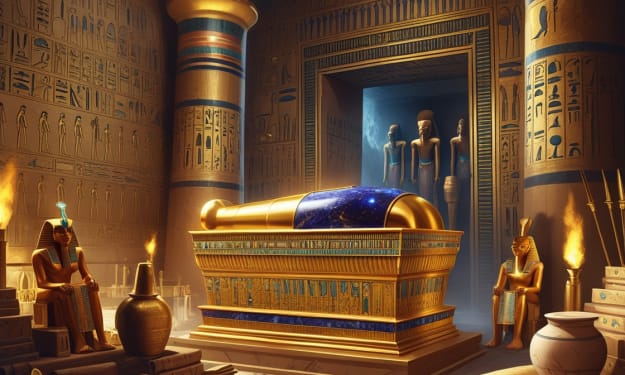
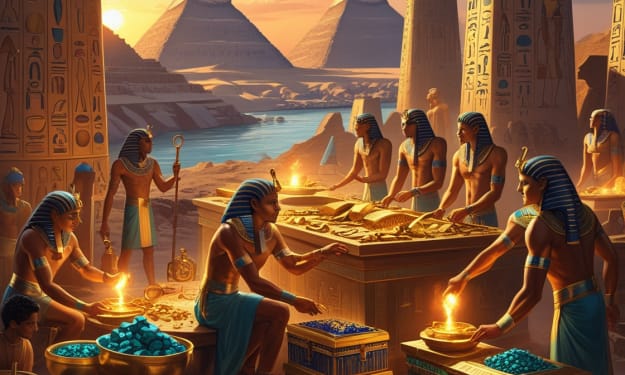
Supreme Egyptian Wealth Yet to Be Discovered: The Buried Tomb of Pharaoh Amenhotep I. AI-Generated.
Introduction Egypt is emblematic of ancient wealthshimmering gold, revered tombs, and forgotten temples. Throughout the ages, archaeologists have uncovered monumental discoveries, from the Valley of the Kings to the Great Pyramids. Nonetheless, despite these achievements, many contend that the most significant Egyptian treasure remains concealed beneath layers of time: the lost tomb and pristine treasures of Pharaoh Amenhotep I. Amenhotep I governed approximately 1526–1506 BCE, during the early 18th Dynasty of the New Kingdom. Unlike the more renowned Tutankhamun, the burial site of Amenhotep has never been definitively located. This lost tomb is thought to be brimming with opulent items befitting a mighty pharaohgolden sarcophagi, ceremonial arms, funerary amulets, and perhaps a compendium of ancient scrolls. Who Was Amenhotep I? Amenhotep I was the progeny of Ahmose I, the initiator of the 18th Dynasty who expelled the Hyksos and reestablished Egypt’s unity. His reign epitomized a thriving epoch of temple edification, religious transformations, and cultural renaissance. Deified posthumously, Amenhotep was venerated as a deity of the afterlife for centuries. Given his divine stature and the veneration accorded to him by future rulers and priests, scholars surmise that his burial would have been sumptuous and symbolically significant. However, while several mummies were discovered relocated to the Deir el-Bahari cache in 1881 (including that of Amenhotep), no archaeologist has uncovered his original tomb. The Myth of the Concealed Tomb Numerous Egyptologists assert that Amenhotep’s tomb was formerly situated in the Valley of the Kings. Some hypothesize it was purposefully obscured to safeguard its contents from grave robbers, particularly during the 21st Dynasty when priests relocated royal mummies for their protection. However, documentation of the original tomb’s site was either lost or never chronicled. Certain narratives propose that the tomb was sealed within a sacred area of the Theban Necropolispotentially in an undiscovered wadi or concealed chamber. According to ancient writings and oral traditions, this tomb was adorned with rare blue faience tiles, alabaster walls, and filled with offerings from Nubia, Crete, and Mesopotamia. What Might the Treasure Encompass? If the tomb of Amenhotep I is discovered intact, it could easily rival, if not exceed, the wealth of Tutankhamun. Experts speculate that its contents may include: A Golden Sarcophagus: Presumably larger and more intricately designed than Tutankhamun’s, embellished with scenes of the afterlife and inlaid with precious gemstones. Chariots and Arms: Ceremonial combat equipment, shields, and bows inscribed with religious motifs. Jewelry and Amulets: Bracelets, collars, and rings crafted from gold, lapis lazuli, carnelian, and turquoise. Statues and Ushabti: Numerous or even countless servant figurines intended to aid the sovereign in the afterlife. Religious Artifacts: Hallowed relics, offering tables, ritual implements, and possibly primitive iterations of spiritual texts.
By Say the truth about a year ago in History
The Origin and Value of Tutankhamun’s Treasure: A Heritage in Gold
But from where did this vast treasure arise? Why was such wealth interred with a boy-king who perished around the age of 18 or 19? And what might be the current estimated worth of these treasures? This article investigates the origins, symbolism, and contemporary valuation of one of history’s most renowned caches. The Origin of Tutankhamun’s Treasure: Tutankhamun ruled during a turbulent epoch in ancient Egyptian history. His predecessor, Akhenatenthought to be his fathersought to transform Egypt’s faith by advocating the veneration of a singular deity, Aten, the sun disk, over the customary pantheon of gods. This monotheistic initiative disrupted Egyptian society, governance, and religious life. Following Akhenaten’s passing, the young Tutankhamun ascended to the throne and endeavored to reinstate Egypt’s traditional beliefs and institutions. Although his reign was short-lived (circa 1332–1323 BCE), it signified a revival of political stability and religious orthodoxy. As part of this restoration, considerable efforts were made to affirm his divine legitimacy and kingship. This political and spiritual rejuvenation may elucidate the grandeur of his intermentthe treasure was intended not merely to commemorate a king but to symbolize the resurgence of the Egyptian order. Numerous historians contend that a substantial portion of Tutankhamun’s burial artifacts may have been repurposed or inherited from preceding royal interments. Some relics discovered in his tomb feature inscriptions or designs that imply they initially belonged to otherspossibly even his stepmother Nefertiti or his father Akhenaten. This hypothesis is reinforced by evidence of hastily crafted or modified items within the tomb, indicating that the burial was orchestrated swiftly and perhaps under duress following the king’s unforeseen demise. Contents of the Treasure: The tomb of Tutankhamun housed over 5,000 artifacts, including: The Golden Death Mask: Constructed from solid gold and adorned with lapis lazuli, quartz, obsidian, turquoise, and colored glass, this emblematic mask alone is believed to weigh over 10 kilograms and symbolizes the divine countenance of Osiris. Three Nested Coffins: The innermost coffin, entirely fashioned from solid gold and weighing approximately 110 kilograms, enclosed the mummy of the pharaoh. Chariots, Furniture, and Thrones: Many of these were inlaid with ivory, ebony, and precious metals, serving ceremonial functions in both life and the afterlife. Canopic Shrine and Jars: Utilized to contain the pharaoh’s internal organs, these items were also crafted from gold and alabaster and elaborately decorated. Statues and Figurines: Representing deities, guardians, and the king himself. Jewelry and Amulets: Necklaces, rings, armlets, and earrings made of gold, semi-precious stones, and glass. Weapons and Shields: Encompassing daggers, bows, and a curved sword (khopesh), frequently ceremonial yet emblematic of sovereign authority. Symbolism and Purpose: Every item within Tutankhamun’s burial site fulfilled a distinct spiritual function. The ancient Egyptians held a belief in the afterlife as a continuation of terrestrial existence. To guarantee a seamless transition and sustenance in the subsequent realm, the monarch required all the implements, provisions, furnishings, and magical safeguards he could transport with him. The items were not solely ornamental; they symbolized a spiritual safety net. Estimated Net Worth of the Treasure: Assigning a contemporary financial value to such artifacts is intricate. Numerous items are deemed invaluable owing to their cultural, artistic, and historical significance. Nevertheless, for the purpose of estimation: The golden death mask may possess a value exceeding $2 million based solely on gold weight, but in the art market, its symbolic and historical significance could elevate it to $100–$200 million, if such a transaction were even plausible. The solid gold inner coffin, weighing 110 kg, could be appraised at $6 million according to current gold valuesbut once more, its true worth in cultural terms is far greater. Jewelry and statues, considering craftsmanship and materials, could collectively range from $50–100 million. Furniture, chariots, and ceremonial artifacts might attract another $50–100 million, contingent on intricacy and condition. In total, the net estimated financial value of Tutankhamun’s treasure could surpass $750 million to $1 billion, although this figure remains conjectural and is confined to material worth, not cultural or historical significance. Conclusion: Tutankhamun’s treasure serves as a magnificent testament to the splendor of ancient Egypt, yet it represents more than merely a compilation of gold. It narrates the saga of a civilization’s religious convictions, political turbulence, artistic brilliance, and veneration for death and the divine. The origin of his treasure is as political and spiritual as it is economica royal legacy molded by centuries of tradition and the necessity to validate a tenuous reign. While contemporary evaluations of worth endeavor to quantify the immeasurable, the legacy of Tutankhamun’s tomb remains a priceless glimpse into the ancient world.
By Say the truth about a year ago in History