Fiction
Enduring Legacy of the Great Wall
The Great Wall of China: A Monument of Endurance and Empire The Great Wall of China, one of the most iconic landmarks in the world, winds across northern China like a stone dragon, stretching over 13,000 miles. The image you see—a majestic section of the Wall snaking over green hills beneath a golden sky—represents not just architectural achievement, but a profound testament to China's ancient civilizations, military strategy, cultural identity, and resilience.
By Mukhtiar Ahmadabout a year ago in History
Metamorfosis
In a realm suspended between starlight and silence, there floated a garden unlike any other—an island of luminous moss and singing orchids, adrift in the infinite black. Above it arched violet trees that shimmered with memory, their roots tangled in sky and time. From the heart of this sacred cradle, a young woman in a lavender robe tended the blossoms with hands of trembling calm.
By ihsandanishabout a year ago in History
Barton Haunted Air Field Uk
Barton Haunted Air Field Uk We stood with the camera in hand at Barton Airbase. I imagined the deaths—the aircraft that went down during the war. The watchtower stood dark and empty. An eerie feeling pinched at my skin like a swarm of insects biting in rhythm.
By ♿ V+ Marie381Uk about a year ago in History
Timeless Glory: Colosseum’s Enduring Legacy
Rising majestically in the heart of Rome, the Colosseum stands as one of the most iconic and enduring symbols of the Roman Empire. Known in ancient times as the Flavian Amphitheatre, this monumental structure was commissioned around 70–72 AD by Emperor Vespasian of the Flavian dynasty and completed by his son Titus in 80 AD. Built to demonstrate the might of the new regime, the Colosseum served not just as a center for entertainment but also as a powerful tool for political propaganda, showcasing the glory, wealth, and engineering genius of the empire.
By Mukhtiar Ahmadabout a year ago in History
The Roaring Silence: Revealing the Greatest Enigma of the Yali
Origins and Early Representations: The earliest recorded illustrations of Yalis can be traced to the Pallava and Chola temples in Tamil Nadu, dating as early as the 7th century CE. These mystical beings embellish columns, gopurams (temple towers), and even thrones. In these representations, the Yali frequently appears mid-roar, with colossal claws, razor-sharp fangs, and a serpentine tail coiling around ancient stone. In contrast to the well-documented deities of Hindu mythologyShiva, Vishnu, and Brahmathe Yali lacks a definitive origin narrative. It is neither a god nor does it play a significant role in the Puranas, Mahabharata, or Ramayana. Nonetheless, it appears repeatedly, almost obsessively, throughout temple architecture in Tamil Nadu, Karnataka, Andhra Pradesh, and Kerala. What is a Yali? Descriptions of the Yali differ widely. It is often depicted with the body of a lion, the head or tusks of an elephant, and at times, wings reminiscent of a bird or a trunk akin to a Makara (sea dragon). It is also illustrated engaged in combat with warriors, symbolizing triumph over malevolence or disorder. The composite aspect of the Yali has led numerous scholars to regard it as a guardian chimeraa mythical amalgamation of various animals, crafted to evoke fear and reverence. Despite its intimidating appearance, the Yali is not malevolent. Indeed, it is viewed as a guardian, vigilantly overseeing temple entrances and symbolizing bravery, valor, and the preservation of dharma (cosmic order). Symbolism and Function: The Yali is believed to embody the forces of naturepotent, unpredictable, and protective if honored. In Vastu Shastra (the ancient science of architecture), Yalis are thought to repel negative energies, serving as spiritual guardians. There is also a belief that Yalis represent manifestations of inner strength. Just as temples symbolize the microcosm of the universe and the human body, Yalis embody the inner beasts we must conquer through knowledge, devotion, and discipline. But why such significant emphasis on a creature with no established position in scriptural mythology? This inquiry leads us to the essence of the mystery. The Mystery: Why Was the Yali So Prominent? Historians and art analysts have suggested various theories: Dravidian Heritage: The Yali may derive from pre-Vedic Dravidian traditions, making it a remnant of a more ancient symbolic system that predates Hindu orthodoxy. This would elucidate why the Yali appears more frequently in South Indian temples than in the North. Royal Symbolism: The lion (Simha) and elephant (Gaja) represent long-standing symbols of authority and nobility. Merging these could have produced a super-symbol for dynasties such as the Cholas and Vijayanagar rulers to assert their divine sovereignty and invulnerability. Architectural Requirement Transformed into Myth: Some assert that the Yali originated as a design elementa robust, artistic embellishment utilized to reinforce heavy beams and constructions. Over time, individuals began to mythologize the being, ascribing powers and significance to its appearance. Lost Texts and Oral Traditions: Numerous regional legends were never inscribed but transmitted verbally. It is plausible that the Yali possessed a well-developed narrative tradition that has since disappeared or survived solely in temple art and folklore.
By Say the truth about a year ago in History
The Dragon King's Palace: Revealing the Subaquatic Treasure City of Japanese Mythology. AI-Generated.
The Mythical Origins of Ryūgū-jō Within the expansive realm of Japanese mythology, few narratives resonate with such awe as the chronicle of Ryūgū-jō (竜宮城), the Dragon Palace located beneath the ocean. Alleged to be the sphere of Ryūjin (龍神), the Dragon Deity of the sea, Ryūgū-jō is a splendid underwater palace crafted from coral, crystal, and precious metals. Its mythological foundations originate from early Shinto convictions and were further developed by Buddhist influences, folklore, and oral traditions transmitted through generations.
By Say the truth about a year ago in History
"The Dragon Through Time: Tracing the History and Origin of the Mythical Beast"
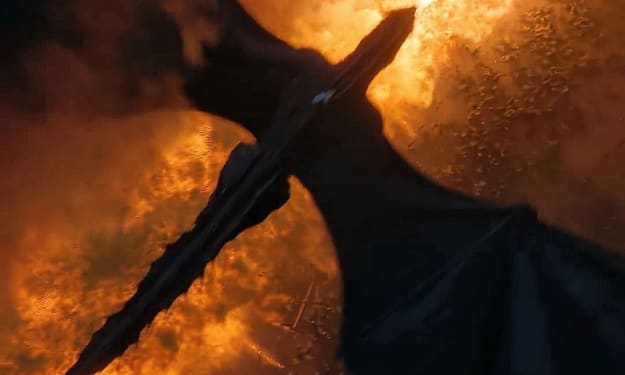
The Genesis of the Dragon Myth The notion of dragons predates documented history. Long before societies inscribed records on tablets or scrolls, tales of serpentine monsters and sky-beasts were transmitted orally through generations. Anthropologists speculate that the dragon myth may have originated from ancient humans discovering colossal fossilized bonespossibly of dinosaurs or large prehistoric mammalsand envisioning them as remains of formidable, mythical creatures. Another hypothesis posits that dragons are a fusion of humanity's primal fears: serpents, large felines, birds of prey, and flames. When amalgamated into one entity, you obtain something remarkably akin to the dragona formidable, fearsome predator that reigns over land, air, and occasionally even water. Dragons of the East: Symbols of Authority and Prosperity Nowhere is the dragon more esteemed than in Chinese culture. Contrary to being malicious, Chinese dragons (termed long or lung) are emblems of wisdom, rainfall, imperial power, and strength. Their likeness is observed in everything from ancient scrolls to contemporary festivals. The earliest allusions to dragons in Chinese mythology date back over 6,000 years. Archaeologists have uncovered dragon-like designs on pottery from the Neolithic Hongshan culture, and jade sculptures in the form of coiled serpents indicate that the myth held profound religious or ceremonial significance. In Chinese cosmology, dragons govern weather and waterrivers, oceans, precipitation, and floods. Unlike their Western counterparts, they are wingless, elongated, serpentine beings often depicted soaring effortlessly through the clouds. Emperors of China asserted lineage from dragons and frequently donned dragon robes. The "Dragon Throne" referred to the seat of imperial authority. Japan, Korea, and Vietnam cultivated similar dragon traditions, albeit with local modifications. The Japanese ryū is likewise a water deity, while Korean dragons were regarded as guardians residing in rivers or mountains and were known to admonish wrongdoers. Dragons of the West: Formidable and Ferocious In contrast, Western dragons emerged as representations of chaos, avarice, and devastation. They are commonly illustrated as winged, fire-breathing reptiles that accumulate treasure and terrorize settlements. One of the earliest references to such dragons originates from Mesopotamian mythology. The Babylonian creation epic Enuma Elish recounts the story of Tiamat, a primordial chaos dragon vanquished by the storm god Marduk. Similarly, in Greek mythology, the hero Heracles must conquer the Hydra, a multi-headed serpent-like creature, as one of his tasks. Dragons entered European mythology through Greco-Roman narratives and subsequently through Norse, Celtic, and Christian conventions. In Christianity, the dragon frequently represents Satan or wrongdoing. The narrative of Saint George conquering the dragon evolved into a well-known medieval fable that illustrated Christian morality prevailing over malevolence. Such narratives functioned as allegories for the dichotomy of good versus evil and were intended to impart ethical principles. Medieval dragons were also protectors of immense treasuressimilar to the dragon in Beowulf, which hoards gold, or in Norse sagas like the Völsunga saga. This portrayal of the dragon gained notable popularity in later fantasy literature. The Dragon in Mesoamerican and Other Mythologies Dragons are not limited to Eurasia. In Mesoamerican mythology, Quetzalcoatlthe Feathered Serpentis a deity of knowledge, wind, and civilization. Although not a dragon in the Western context, this divinity possesses numerous dragon-like characteristics: serpentine shape, ability to fly, and divine strength. In Hindu mythology, the serpent-dragon Vritra is a demon of drought vanquished by the deity Indra. Similarly, the Naga in Southeast Asia are semi-divine serpent entities linked with water, fertility, and the underworld. Even in Australia, Aboriginal legends recount the "Rainbow Serpent," a creature that formed rivers and landscapes as it traversed the land. The Modern Dragon: From Myth to Media The representation of the dragon continues to progress. In the 20th and 21st centuries, dragons have evolved into symbols of fantasy literature and mainstream culture. From Smaug in The Hobbit to Daenerys’s dragons in Game of Thrones, the creature has assumed new significance. In numerous contemporary interpretations, dragons are not inherently evil. They are ancient, intelligent entitiessometimes companions, sometimes foes. They embody enigma, strength, and the uncontrollable forces of nature. In games, books, and films, dragons now symbolize the connection between the ancient realm and fantasy. Conclusion: A Creature of Imagination and Identity The dragon remains one of the few universal beings of myth, emerging independently in nearly every ancient society. Whether a benevolent bringer of rain or a ferocious beast, the dragon encapsulates our deepest fears and highest hopes. It is a being of dualitieslife-giver and annihilator, sagacious mentor and daunting creature. Its ongoing relevance attests to a universal reality: regardless of time or location, humans are captivated by tales of the formidable and the enigmatic. And few symbols are as potent or mysterious as the dragon.
By Say the truth about a year ago in History
The Mythical Nine-Tailed Fox: Heritage, Lore, and Cultural Impact
Ancient Roots in China: The Huli Jing The notion of the nine-tailed fox traces back over 2,000 years to ancient China. The earliest documented mention can be found in the “Shanhaijing” (Classic of Mountains and Seas), a Chinese manuscript assembled between the 4th and 1st centuries BCE. The Huli Jing was characterized as a captivating, astute fox spirit that could exist for more than a millennium. According to Daoist beliefs, these foxes amassed spiritual energy through age and meditation, acquiring magical abilities and frequently transforming into human females to engage with humans. In early writings, the Nine-Tailed Fox represented auspiciousness, longevity, and affluence. Nonetheless, with the passage of time, their portrayal became more intricate. In certain narratives, they entice men, extract life force, or instigate turmoil, embodying the dual nature of allure and peril. Rulers and intellectuals deliberated whether Huli Jing were divine emissaries or demonic deceivers, reflecting the society’s shifting ethical and spiritual principles. The Kitsune of Japan: Trickster, Paramour, and Protector As the mythology disseminated to Japan, the Nine-Tailed Fox assumed a local incarnation: the Kitsune. In Japanese folklore, foxes were revered as sacred envoys of Inari, the Shinto deity of rice, fertility, and abundance. Unlike the Chinese Huli Jing, Kitsune are closely linked with Shinto faith and temples, where effigies of foxes are frequently situated. Japanese kitsune were categorized into two main classifications: Zenko (善狐) – benevolent foxes associated with Inari. Yako (野狐) – mischievous or malevolent wild foxes. Traditions suggested that a Kitsune acquires a tail every century, with nine tails symbolizing the pinnacle of wisdom and strength. Upon reaching nine tails, the fox radiates with golden or white fur and possesses capabilities such as shape-shifting, generating fire or lightning (kitsunebi), and penetrating dreams. One of the most renowned kitsune tales in Japan is the story of Tamamo-no-Mae, a stunning courtesan revealed to be a malevolent nine-tailed fox. Her conspiracy to assassinate the emperor was uncovered, resulting in her demise, yet her spirit continued to haunt the region. Korean Gumiho: A More Ominous Aspect In Korea, the Gumiho holds a more malevolent reputation. Initially referenced in the “Samguk Yusa” during the Goryeo era, Gumiho are typically depicted as flesh-eating female foxes who allure men to devour their hearts or livers. This darker interpretation may represent a moral cautionary narrative surrounding temptation and treachery. In certain narratives, a Gumiho may attain permanent humanity if it abstains from taking life for 1,000 days or secures the affection of a human. These tales underscore the conflict between a Gumiho's aspiration to attain humanity and its inherent monstrous tendencies, a theme prevalent in contemporary Korean television dramas. Symbolism and Interpretation Throughout various cultures, the Nine-Tailed Fox symbolizes dualityintelligence and deceit, allure and peril, metamorphosis and stagnation. It is frequently regarded as a metaphor for power that necessitates mastery, as well as the concealed potential within individuals who appear ordinary. The numeral nine itself holds symbolic significance. In East Asian numerology, nine signifies completeness and eternity. Consequently, a nine-tailed fox is not merely a formidable spiritit is a nearly divine entity that has realized the utmost possible state of its existence. Modern Representations The Nine-Tailed Fox has experienced a substantial resurgence in popular culture: Anime & Manga: The most notable contemporary example is Kurama, the Nine-Tailed Fox imprisoned within Naruto Uzumaki in the "Naruto" series. Kurama, initially a devastating creature, transforms into a guardian figure epitomizing friendship, mastery over strength, and inner resilience. Games: Characters inspired by the nine-tailed fox feature in games such as League of Legends (Ahri), Pokémon (Ninetales), and Genshin Impact (Yae Miko). TV & Film: Korean dramas like My Girlfriend is a Gumiho and Tale of the Nine-Tailed reinterpret the fox spirit as a multifaceted romantic character. These adaptations illustrate how the myth continues to develop, resonating with contemporary themes of identity, transformation, and power. Conclusion The Nine-Tailed Fox has endured across time, geography, and genre to emerge as a mythical archetype that is universally recognized. Whether as a celestial protector, alluring spirit, or misapprehended monster, the fox’s narrative remains profoundly humanpertaining to mastery over desire, the quest for wisdom, and the equilibrium of light and shadow. In every culture it influences, the Nine-Tailed Fox imprints a legacy of magic, enigma, and
By Say the truth about a year ago in History