Discoveries
"Forgotten Heroines: The Shocking True Stories of British Women Convicts Sent to Australia!"
True Tales of British Women Transported to Australia: Convict Ships and Untold Stories The harrowing tale of Mary O’Loughlin, who was sentenced to transportation for stealing a loaf of bread, captures the essence of a journey that would alter countless lives. Imagine her fear and desperation as she boarded a convict ship bound for Australia, leaving behind everything she knew. Transportation to Australia was a common punishment in the 18th and 19th centuries, and many women, like Mary, faced unimaginable hardships. This article will explore the lives and stories of British women transported to Australia, their struggles, resilience, and the legacies they left behind. The Condemned: Crimes and Sentences Types of Crimes Committed by Women Many women were transported for a variety of offenses, often minor in nature. Common crimes included: Theft: Stealing food or clothing topped the list, accounting for nearly 40% of convictions. Prostitution: This crime made up about 25% of female convictions. Infanticide: A distressing 15% of women were convicted under this charge, often linked to desperate situations. Statistical data shows that women represented about 20% of all convicts sent to Australia. The Legal System and Gender Bias The legal system operated with a stark gender bias. Women often received harsher sentences than men for the same crimes. As historian Dr. Elizabeth M. McMahon states, "Societal attitudes saw women as more morally culpable than men, leading to more severe punishments." In many cases, this resulted from deep-rooted beliefs surrounding femininity and morality. Social Context Many women turned to crime out of necessity. Poverty, lack of education, and limited opportunities pushed them into desperate situations. By understanding the social context, we begin to see the struggles these women faced before their transportation. The Voyage: Hardships at Sea The Conditions on Convict Ships Life aboard convict ships was grim. Overcrowding, poor ventilation, and restricted space made for nightmarish conditions. Women were often crammed into small quarters, with minimal privacy and basic provisions. Letters from female convicts describe the stench and despair, illustrating how the journey was as perilous as the sentences themselves. Disease and Death Mortality rates among female convicts were shockingly high, with estimates indicating that 10-20% died during the voyage. Common illnesses included typhus, dysentery, and cholera, all fueled by unsanitary conditions. Medical care was virtually nonexistent, leaving many to suffer without help. Violence and Abuse The risk of violence during travel was a grim reality. Women faced abuse from crew members and sometimes from fellow convicts. Accounts detail instances of physical and emotional abuse, adding layers of trauma to an already harrowing experience. Arrival in Australia: A New Beginning? First Impressions of Australia Upon arrival, many women felt a mix of hope and despair. Letters and diaries reveal astonishment at the vastness of the land and its unfamiliar features. One account notes the striking beauty of the coastline, while another laments the harshness of survival in a new, unforgiving environment. The Penal Colonies Life in the penal colonies was harsh. Women faced strenuous labor, often assigned to work in kitchens, laundry, or agricultural tasks. Conditions were tough, and many struggled to adapt. Even so, some found ways to contribute positively. Establishing a Life Despite their pasts, numerous women managed to rebuild their lives in Australia. Some went on to marry, start families, and establish businesses, demonstrating an incredible ability to overcome adversity. Resilience and Legacy: Women's Stories Building Communities Women convicts formed vital support networks, helping each other navigate the challenges of colony life. They created communities based on shared experiences, providing emotional support and practical assistance. Contributions to Australian Society Despite their stigmatized beginnings, female convicts played a crucial role in shaping Australia. They contributed to various fields, including agriculture, education, and healthcare. Many became the backbone of their communities, proving that their worth extended far beyond their past mistakes. Uncovering Hidden Histories Accessing historical records of female convicts poses challenges. Many documents are incomplete or lost, making it difficult to piece together their stories. Nevertheless, historians and researchers continue to uncover these hidden histories, bringing light to the lives of these women. Beyond the Records: Further Research and Resources Accessing Archival Materials For those interested in exploring this history, numerous resources are available. Websites like the National Archives of Australia and State Library archives provide access to convict records and personal narratives. Museums and Memorials Several museums and memorials in Australia honor the stories of convicts. The Hyde Park Barracks Museum and the National Museum of Australia are key sites for learning more about this history. Modern Interpretations Contemporary perspectives on female convicts are evolving. Ongoing discussions about their experiences highlight the importance of recognizing their contributions as part of broader Australian history. This shift encourages a more nuanced understanding of their lives. Conclusion The stories of women transported to Australia reveal the depths of their struggles and the strength of their spirit. Their resilience has left an indelible mark on Australian society. Learning about this often-overlooked aspect of history offers valuable insights into the lives of those who came before us. Exploring these tales not only honors their legacy but also enriches our understanding of history. Dive deeper and discover the remarkable journeys of these women.
By Story silver book 2 years ago in History
Unearthing the Treasures of King Tutankhamun’s Tomb
Unearthing the Treasures of Baron Tutankhamun’s Tomb: A Glimpse into Age-old Egyptian Majesty The adventure of Baron Tutankhamun’s tomb is one of history’s best blood-tingling archaeological discoveries. Hidden below the coffer of Egypt for over 3,000 years, the tomb remained a abstruse until 1922, back British archaeologist Howard Carter and his aggregation baldheaded its riches. What they begin wasn’t aloof the burying alcove of a adolescent pharaoh but a abundance accession that appear the brightness of age-old Egyptian civilization. The Basin of the Kings: A Aristocratic Resting Place The Basin of the Kings, nestled on the west coffer of the Nile abreast Luxor, served as the burying arena for Egypt’s New Kingdom pharaohs. These tombs, carved abysmal into the mountains, were meant to assure the aristocratic asleep and their accouterments from grave robbers. Yet, admitting their precautions, best tombs had been looted centuries ago.
By Say the truth 2 years ago in History
Small Mistakes With HUGE Consequences
Mistakes are a universal experience. Forgetting a meeting or mistakenly calling a teacher "Mom" are minor inconveniences. But some mistakes carry weighty consequences. Take, for example, the accidental upload of a yoga video instead of a documentary. Such blunders can evoke embarrassment, yet they pale in comparison to larger, systemic errors.
By Tafara Sibotshiwe2 years ago in History
The Real Heroes of Titanic: Acts of Courage and Sacrifice
Titanic: Unearthing the Real Story Behind the Tragedy The Titanic has become a symbol of human ambition and tragedy. Myths surround this massive ship, challenging us to look deeper into its real story. What happened on that fateful night? How did this “unsinkable” vessel meet its end? Understanding the Titanic allows us to honor those lost and learn from the past. The Night the "Unsinkable" Sank Passenger Demographics: A Social Snapshot of the Titanic On April 10, 1912, the Titanic set sail from Southampton, carrying over 2,200 passengers and crew. The demographics ranged widely: Classes: Passengers were divided into First, Second, and Third class. Nationalities: Included British, American, Irish, and many more. Age Groups: From infants to the elderly. This mix reflects the societal hierarchy of the early 20th century. The wealthiest traveled in luxury, while many others sought a better life. The Ship's Design and Construction: Flaws and Miscalculations The Titanic was a marvel of modern engineering, featuring: Size: At the time, it was the largest ship ever built. Safety Flaws: Only 16 lifeboats, enough for about half the passengers. Poor Materials: Substandard steel and rivets contributed to structural failure. These flaws were ignored in favor of speed and luxury, setting the stage for disaster. The Titanic's Maiden Voyage: A Timeline of Events Leading to Disaster The Titanic embarked on its maiden voyage with great fanfare. Key moments include: April 10, 1912: Departed from Southampton. April 11, 1912: Stopped in Cherbourg. April 12, 1912: Continued to Queenstown (now Cobh), Ireland. April 14, 1912, 11:40 PM: Struck an iceberg. Each moment was filled with anticipation, masking the impending doom. The Collision and Immediate Aftermath The Impact: Accounts from Survivors and Crew When the Titanic hit the iceberg, chaos erupted. Survivors recall: A Shocking Noise: Described as a loud rumble. Confusion: Many believed the ship was unsinkable. Immediate Response: Crew members tried to maintain order. Their testimonies offer glimpses into the panic and uncertainty faced that night. The Initial Response: Panic, Chaos, and Lifeboat Allocation With the ship taking on water, lifeboats became a lifeline. Challenges included: Limited Capacity: Lifeboats could hold only about 1,200 people. Chaos: Passengers struggled to board. Class Differences: First-class passengers were prioritized, leaving many in lower classes behind. This response highlighted deep societal divides and fueled the tragedy's horrors. The Sinking: A Descent into the Icy Depths By 2:20 AM on April 15, the Titanic sank. Key points in this descent: Last Moments: Lights flickered, then darkness overtook the ship. Frozen Waters: Many survivors faced near-certain death from the cold. Final Acts of Courage: Some stayed behind to help others escape. The sinking marked a devastating chapter in maritime history. The Rescue and Recovery Efforts The Carpathia's Arrival: Saving Survivors from the Freezing Waters The RMS Carpathia responded to distress signals. Key aspects of the rescue: Bravery: Crew members risked their lives to save others. Lifeboat Gatherings: Survivors were picked up from lifeboats. Survivors: About 710 people were saved. The heroism of the Carpathia’s crew offered a glimmer of hope amid despair. The Aftermath: Investigating the Disaster and Identifying the Remains After the disaster, investigations began. Major outcomes included: Inquiry: Investigations led by key figures in maritime safety. Identification: Methods developed to identify recovered bodies. Media Coverage: The public was captivated by the tragedy. These efforts painted a fuller picture of the event’s impact. The Impact on Maritime Safety: Lessons Learned and Regulatory Changes In the wake of the Titanic, maritime safety transformed significantly. Important changes included: Increased Lifeboat Requirements: Ships now needed enough lifeboats for all passengers. Ice Patrols: Systems established to monitor iceberg dangers. International Regulations: Standards created to improve ship safety globally. These regulations aimed to prevent future tragedies. The Legacy of the Titanic Myths and Misconceptions: Separating Fact from Fiction The Titanic story is filled with myths. Common misconceptions include: Unsinkable Myth: The ship's design led many to believe it was truly unsinkable. Slow Response: Many think help was slow, but the Carpathia acted quickly. Specific Survivor Stories: While compelling, many are embellished or dramatized. Separating fact from fiction helps us understand the reality of the tragedy. The Titanic in Popular Culture: Books, Films, and Exhibitions The Titanic's story continues to captivate. Its presence is seen in: Movies: The 1997 film brought the story to a new generation. Books: Numerous publications explore different aspects of the tragedy. Exhibitions: Museums worldwide feature artifacts and stories from the Titanic. This cultural significance keeps the memory of the Titanic alive. Memorializing the Victims: Honoring the Lost and Remembering the Tragedy Many memorials exist to honor those lost. Notable efforts include: Titanic Memorial in Halifax: Commemorates those buried at sea. Annual Remembrances: Events held to honor the victims. Educational Programs: Initiatives aimed at teaching future generations. These efforts ensure the tragedy is not forgotten. Exploring the Wreckage The Discovery: Locating the Remains on the Ocean Floor The Titanic's wreck was discovered in 1985 by Robert Ballard. Key details: Location: About 12,500 feet deep in the North Atlantic. Condition: The wreck is in poor shape, covered in rust and debris. Significance: Finding the wreck sparked interest in its history. The discovery reignited fascination with the Titanic. Exploring the Wreck: Technological Advancements in Deep-Sea Exploration Exploration of the wreck has led to advancements, including: Robotics: Submersibles can navigate deep ocean depths. Imaging Technology: High-resolution imaging reveals details of the wreck. Preservation Efforts: Ongoing research into conserving artifacts. These technologies allow us to learn more about the Titanic. The Wreck's Deterioration: The Ongoing Impact of Time and Ocean Currents The Titanic wreck faces ongoing challenges. Key factors include: Current Damage: Ocean currents erode the site. Biological Growth: Microbes and other organisms accelerate deterioration. Temperature Effects: The cold environment slows decay, but not indefinitely. Understanding these impacts is crucial for future preservation. Key Takeaways and Lasting Impact The Human Cost: A Reflection on Loss and Survival The Titanic's disaster led to the loss of over 1,500 lives. We remember: Personal Tragedies: Stories of families affected. Survivor Accounts: Emphasizing resilience amid disaster. These stories remind us of the human cost of this tragedy. Technological Advances Inspired by the Tragedy The Titanic sparked changes in maritime technology. Notable advancements include: Ship Design Improvements: Focus shifted toward safety and lifeboat capacity. Communication Systems: Better systems were developed for distress signals. Safety Drills: Regular drills became standard practice for crew and passengers. These changes help keep future passengers safer. The Enduring Fascination: The Titanic's Continued Cultural Significance The Titanic’s story continues to evoke interest for several reasons: Human Drama: The emotional stories resonate with audiences. Mystery: Exploration of the wreck keeps people intrigued. Lessons Learned: The tragedy offers valuable insights into safety. This fascination ensures that the Titanic will remain in our collective memory. The Titanic story, while tragic, serves as a poignant reminder of human resilience and the need for safety. By learning from the past, we can honor those lost and strive to prevent future tragedies. Let's remember the Titanic and its powerful legacy that continues to shape our world.
By Story silver book 2 years ago in History
The Historical Backdrop of Christmas: From Antiquated Customs to Current Celebrations
Introduction Christmas is one of the most generally celebrated occasions all over the planet, mixing strict, social, and mainstream customs. Its set of experiences traverses millennia, established in antiquated agnostic celebrations, Christian religious philosophy, and advancing worldwide traditions. This article investigates the starting points, authentic turn of events, and various practices related with Christmas.
By david jones2 years ago in History
Most costly Construction Mistakes
It is often said that fear of making mistakes is the biggest mistake of all. While this may hold true in many areas of life, construction is a different matter. In this field, mistakes can be both dangerous and expensive. Consider the Tacoma Narrows Bridge in Washington. Its infamous collapse serves as a stark reminder of the high stakes involved in construction.
By Tafara Sibotshiwe2 years ago in History
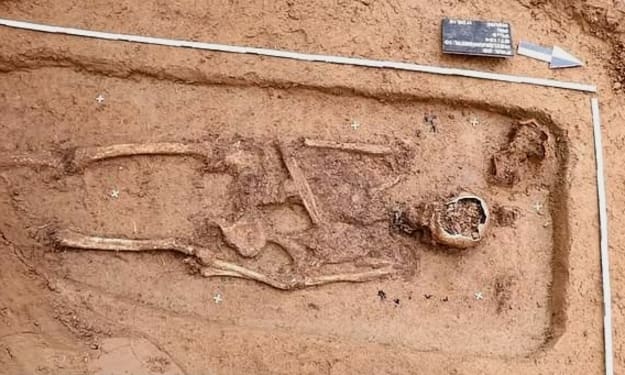
Archaeologists found 10-foot-tall humans in a Nevada cave.
Giants used to walk the earth, according to myth, folklore, and even the Bible. It turns out that this assertion is supported by evidence. In the US state of Nevada, extraordinary human remains have been discovered; some of the skeletons are as tall as ten feet.
By Francis Dami2 years ago in History
THE LAST ARENA
The Last Arena Eirik remained at the edge of the precipice, the salt breeze pulling at his hair as the principal light of day break broke into the great beyond. Underneath him, the town of Eldfjall mixed to life. The crash of mallet on metal reverberated from the smithy, where metal forgers molded blades and safeguards for the champions getting ready for the fight to come. The air was thick with the scents of fire, steel, and ocean. It was a universe of solidarity, yet underneath that strength, Eirik felt something different—something weighty, a biting sense that the next few days would request a greater amount of him than he was prepared to give.
By Chronicle Canvas2 years ago in History
The Forgotten Women of Early Tech Startups
There is a very common mythos surrounding individual brilliance attached to innovation in the world of technology. That tends to be the dominant narrative of the industry: a lone (mostly male) genius, like Steve Jobs building Apple, Bill Gates founding Microsoft, or Elon Musk revolutionizing absolutely everything, from money to space travel.
By anasatia sundarela2 years ago in History