Discoveries
LWANDA MAGERE. AI-Generated.
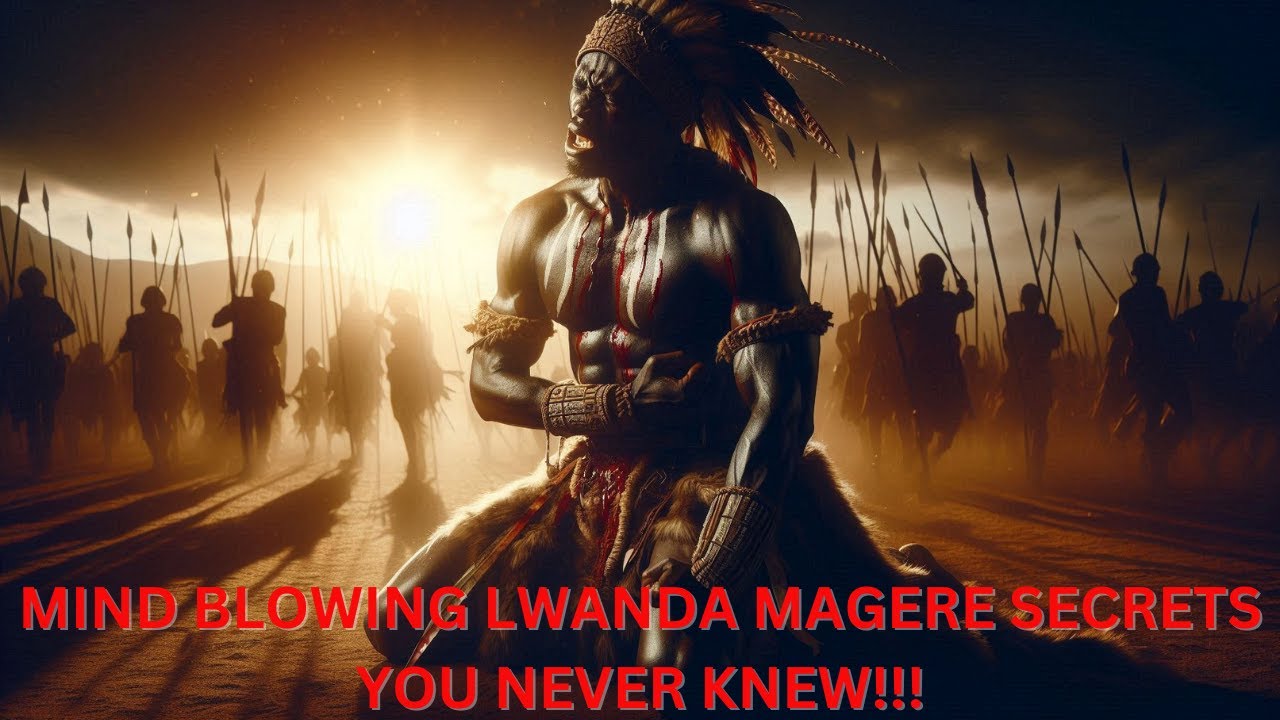
In the Lash of vent lands of the Luo nestled by the shimmering Waters of Lake Victoria, Tales of an indomitable Warrior named Lwanda Magere echoed across Villages. Born under a full moon, in the year 1720 to Abonyo Wuod Omolo and his mother, Nyabera. After his mother died during his birth, he was taken into the care of his grandmother, Rapondi. His father died in one of the numerous wars with their Nandi neighbors when Magere was barely a teenager. He belonged to the Sidho clan in Kano, on the shores of Lake Victoria. The Sidho clan occupies the present-day sugar belt at the foot of the Nandi escarpment.
By Nailot African folktale2 years ago in History
Napoleon’s Egyptian Campaign: The Birth of Modern Egyptology and Scientific Discovery
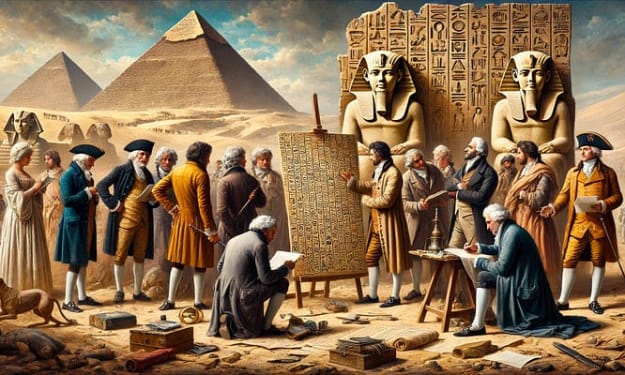
In addition to being a military operation, Napoleon Bonaparte's invasion of Egypt in 1798 changed the scientific landscape. It was an expedition of world-historic significance in the fields of archaeology and anthropology, botany, ophthalmology, and the general science of Egypt's ancient civilization. It was more than just a resounding failure of a campaign intended to obstruct British access to India and to increase French prestige in the Middle East. This expedition, which included Napoleon, was made up of about 150 academics, scientists, and intellectuals known as the "savants" who were dispatched to investigate, record, and analyse Egypt's rich historical and cultural heritage. This study by the savants marked the beginning of modern Egyptology.
By Canva Pro Teams2 years ago in History
Explore Dubai's Rich Heritage
Greetings to historians and cultural enthusiasts! Dubai is well-known for its gleaming skyscrapers and technical marvels, but it also has a rich and intriguing history that deserves to be discovered. Join a Dubai travel agency for a cultural city trip that will transport you back to the city's vibrant history, including ancient archaeological sites and wonderfully maintained traditional neighborhoods.
By Syed Regal2 years ago in History
Plan Your Visit: Vatican Museum Tickets and Insider Tips
The Vatican Museums are one of the most popular tourist destinations in the world, attracting millions of visitors every year. With a vast collection of artworks and artifacts spanning over 2,000 years, the Vatican Museums offer an unparalleled glimpse into the world of art, architecture, and spirituality. To make the most of your visit, it's essential to plan ahead and book your tickets in advance. In this article, we'll provide you with insider tips and information on how to plan your visit to the Vatican Museums, including ticket options, opening hours, and what to expect during your visit.
By James Smith2 years ago in History
"Mansa Musa: The Golden Legacy"
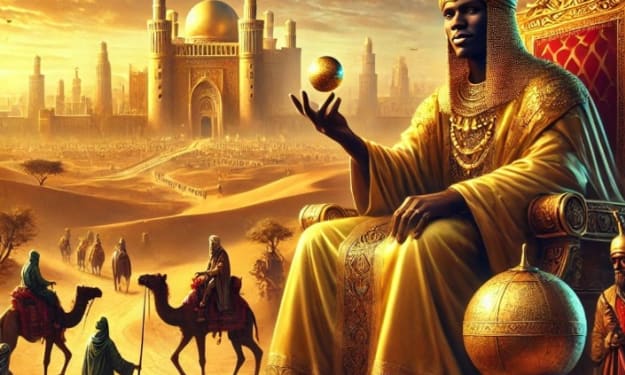
The Aureate Caravan: The Bequest of Mansa Musa In the aboriginal 14th century, the Kingdom of Mali stood as a alarm of abundance and ability in West Africa. At its affection was Mansa Musa, a baron whose bequest would answer through history as one of the richest and best able rulers the apple had anytime known. His adventure was not aloof one of gold and riches, but of vision, faith, and an unparalleled adherence to his people. The Rise of a King Musa Keita I, after accepted as Mansa Musa, ascended to the head of Mali in 1312. His administration came at a cardinal time back the authority controlled all-inclusive territories affluent in gold and salt. Under his leadership, Mali flourished, its cities acceptable centers of trade, education, and religion. Yet, it wasn’t his abundance abandoned that authentic Mansa Musa—it was his adamant acceptance in the ability of ability and faith.
By Say the truth 2 years ago in History
Biryani History. AI-Generated.
The History of Biryani: A Flavorful Journey Through Time Biryani, one of the most beloved and aromatic dishes in the world, has a rich and fascinating history that spans centuries. Its origin is a blend of culture, spice, and royal influence, making it much more than just a meal—it’s a culinary masterpiece. Let's take a flavorful journey through the history of biryani, from its humble beginnings to its rise as a global favorite.
By faizi team2 years ago in History
Cryptocurrencies and the World Economy
Introduction Once upon a time, in a world where financial transactions were dominated by traditional institutions, a quiet revolution was brewing that would change the economic landscape. That revolution was cryptocurrencies. Through the stories of ordinary people, we explore how this technology is redefining our financial future, offering both hope and challenges.
By Jose Lawson2 years ago in History
Unearthing the Treasures of Baron Tutankhamun’s Tomb: A Glimpse into Age-old Egyptian Majesty
In the aureate bank of Egypt, amidst the whispers of time, lies the adventure of a boy-king who captured the acuteness of the world. Tutankhamun, generally referred to as Baron Tut, charcoal one of the best ambiguous and iconic abstracts of age-old Egypt.
By Say the truth 2 years ago in History
Why all world Maps are WRONG!
Maps have long been a trusted source of information. However, many common maps are misleading. Take the Mercator projection (picture below), for instance. This map, created by Gerardus Mercator in 1569, is often thought to accurately represent the world. But it doesn't.
By Tafara Sibotshiwe2 years ago in History
WORLD HISTORY
From dawn of civilization to today, world history is a story of triumphs and struggles. It shows us the moments that have shaped our past and still influence us today. This journey explores how human societies developed, the rise and fall of civilizations, and the impact of key figures. It covers ancient Mesopotamia and the Nile River Valley, to the classical empires of Greece and Rome. It also looks at the spread of world religions, the age of exploration, the Industrial Revolution, and the 20th century's big events. This journey through history gives us a deep look into our shared human story.
By Emmanuel Akah 2 years ago in History
"UNFORGETTABLE Last Stands: Heroes Who Fought to the Death | Historic Battles You NEED to See!"
History's Most Desperate Battles: Last Stands Fought to the Death The stories of last stands have captivated humans for generations. These moments, marked by extraordinary courage, highlight the powerful spirit of resistance in the face of certain death. Understanding these battles can provide insights into human nature, strategy, and sacrifice. The Psychology of a Last Stand: Facing Certain Death When faced with inevitable defeat, why do some choose to fight until the end? Last stands often involve a deep sense of honor, loyalty, and a desire to protect one's people or beliefs. These individuals confront their mortality with tenacity, choosing valor over escape. Such moments illustrate the complexity of human motivation—ranging from fear to profound commitment. Famous Last Stands Throughout History: A Brief Overview Throughout history, there have been notable last stands that reveal humanity's resilience: Thermopylae (480 BC): 300 Spartans fought against a massive Persian army. Masada (73-74 AD): Jewish Zealots made a final stand against Roman forces. Little Bighorn (1876): General Custer and his troops faced the Native American alliance. The Alamo (1836): Texan defenders died fighting for independence. Rorke’s Drift (1879): British soldiers held a small outpost against Zulu warriors. These historical events demonstrate the ultimate sacrifice in defense of a cause. Why Studying Last Stands Matters: Lessons in Courage, Strategy, and Sacrifice Exploring these last stands offers lessons not just in bravery but also in military strategy. Each battle provides a unique perspective on how leadership, tactics, and group dynamics shape outcomes. Resilience in adversity The importance of preparation Understanding the consequences of decision-making Learning from these events can inform future conflicts and inspire individuals in their own struggles. Thermopylae: 300 Spartans Against an Empire The Spartan Military Machine: Tactics and Training The Spartans were known for their disciplined military training and exceptional tactics. Young boys trained from a young age to become fierce warriors. Their rigid discipline and advanced strategies created a powerful fighting force. Leonidas's Strategic Decision: Delaying the Persian Advance King Leonidas made a crucial decision at Thermopylae. By choosing to stand against the Persian army led by Xerxes, he aimed to delay their advance into Greece. This sacrifice bought precious time for Greek city-states to prepare for war, showcasing strategic foresight in dire circumstances. The Aftermath of Thermopylae: A Pyrrhic Victory for Xerxes Though the Persians eventually overpowered the Spartans, the battle was costly. It encouraged the Greeks to unite against the Persians, ultimately leading to their defeat. Thermopylae became a symbol of heroic sacrifice and unity. The Siege of Masada: Zealot's Defiance The Roman Siege: A Brutal Campaign Masada was a stronghold for Jewish Zealots during the Roman Empire's expansion. The Roman forces laid siege, intending to crush the rebellion. With a well-constructed wall and engaging in psychological warfare, the Romans aimed to wear down the defenders. The Mass Suicide of the Jewish Zealots Faced with capture, the Zealots made a tragic choice. In 73 AD, they chose mass suicide over surrender, highlighting their fierce commitment to freedom. This act of defiance has resonated through history. Masada's Legacy: Symbol of Resistance and Sacrifice Masada represents the struggle against oppression. Today, it serves as a symbol of courage and resistance. The phrase "Masada shall not fall again" echoes in the hearts of those who seek freedom. The Battle of Little Bighorn: Custer's Last Stand The Sioux and Cheyenne Alliance In 1876, the Native American tribes united against the encroaching settlers. General Custer underestimated their resolve and cohesion. Trained for battle, they carefully strategized their attacks. Custer's Miscalculations: Underestimation and Poor Tactics Custer's overconfidence led to disastrous decisions during the battle. Arriving with a fragmented force instead of waiting for reinforcements, his troops faced overwhelming opposition. The Native Americans outmaneuvered Custer, resulting in a decisive defeat. The Aftermath of Little Bighorn: Impact on Native American Resistance The loss shocked the nation and intensified conflicts. However, it also strengthened Native American resolve, marking a pivotal moment in their fight for their rights and lands. The Alamo: A Symbol of Texan Resilience The Siege of the Alamo: A 13-Day Struggle In 1836, a small group of Texan defenders faced a much larger Mexican army. The siege lasted 13 days, becoming a symbol of valor. These brave men fought for Texas independence. The Sacrifice of the Alamo Defenders All defenders perished, but their legacy lived on. Their bravery inspired many Texans to join the fight against oppression, signifying the power of collective sacrifice. The Alamo's Enduring Symbolism: A Catalyst for Texan Independence The phrase "Remember the Alamo!" became a battle cry, galvanizing support for Texan independence. The story of the Alamo represents the enduring spirit of resistance. The Battle of Rorke's Drift: A British Stand Against the Zulus The Zulu Impi: Military Organization and Tactics The Zulus were known for their effective military strategies. Their disciplined formations and use of mobility made them formidable opponents. The British were ill-prepared for the onslaught they faced. The British Defense: Holding the Outpost Against Overwhelming Odds At Rorke’s Drift, a small group of British soldiers held their ground against thousands of Zulu warriors. They used defensive tactics, such as barricades, to protect their position. The determination of these soldiers showcased extraordinary bravery. Rorke's Drift's Impact: A Triumph Against the Odds The defense of Rorke's Drift became a celebrated victory for the British Empire, highlighting the importance of tactics and morale. It demonstrated that even against overwhelming odds, courage can prevail. Conclusion: Lessons From History's Last Stands Key Takeaways: Courage, Strategy, and the Human Spirit The stories of last stands teach us invaluable lessons in determination and the human spirit. These battles remind us that courage can emerge in the fiercest adversities. Understanding the Impact of Last Stands on Future Conflicts Examining these events offers insights that can apply to modern conflicts. The principles of strategy, unity, and sacrifice remain relevant today. Further Research: Exploring Other Notable Last Stands Many last stands exist beyond those mentioned. Exploring these can deepen understanding of human resilience and the enduring quest for freedom. The lessons from history continue to inspire us today.
By Story silver book 2 years ago in History
Comfort Women: The Silence and Strength of Their Stories. Content Warning.
The details of their enslavement remain painful and controversial in Japan and the former occupied countries, despite the fact that the first women were forced into sexual slavery for Imperial Japan nearly a century ago. The subjugation of women is not well documented; only a small percentage of "comfort women" survived the war, with an estimated 90% of them dying. Despite having existed in the Japanese military since 1932, military brothels gained significant traction after the Rape of Nanking, one of the most well-known incidents in imperial Japan's campaign.
By Hridya Sharma2 years ago in History