Discoveries
Jeanne Córdova: A Legacy of Courage and Activism
Jeanne Córdova was a trailblazing figure whose activism reshaped the landscape for LGBTQ+ rights and feminism. She inspires generations because of her unwavering determination and fearless pursuit of equality. Through her life's work, Jeanne Córdova advocated for change and became an icon for revolutionaries seeking to make a difference.
By faisal khatri2 years ago in History
Were Indian Rulers too Noble for their own good?
For centuries, the Indian subcontinent stood as a beacon of culture, wealth and philosophy. Its rulers built empires adorned with temples, thriving cities, and intricate social systems. They followed a moral code shaped by Dharma, emphasizing, righteousness, honor and respect for life. Wars , when waged, were bound by ethical principles: never strike the unarmed, spare those who surrender, and protect civilians and sacred sites.
By Darian Voss2 years ago in History
The Fall of the Roman Empire: Lessons from the Collapse of a Historical Superpower
The Fall of the Roman Empire: Lessons from the Collapse of a Historical Superpower Introduction The Roman Empire, once the epitome of power and civilization, met its dramatic decline over centuries, leaving historians and scholars puzzled and fascinated. This monumental collapse offers valuable insights into political, economic, and societal dynamics. How did such a mighty empire crumble? In this article, we explore the key factors behind the fall of Rome and the enduring lessons it imparts.
By 💓 Pulse of Stories 💓2 years ago in History
The Battle of Waterloo: Napoleon Bonaparte’s Dramatic End
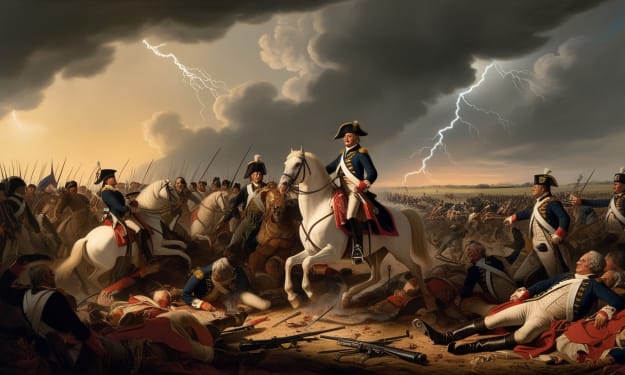
The Battle of Waterloo: Napoleon Bonaparte’s Dramatic End Introduction The Battle of Waterloo, fought on June 18, 1815, stands as one of the most pivotal events in European history. This decisive clash marked the end of Napoleon Bonaparte’s reign and reshaped the political landscape of Europe for decades to come. In this article, we will delve into the key events, players, and consequences of this legendary battle, unraveling the factors that led to Napoleon’s dramatic fall.
By 💓 Pulse of Stories 💓2 years ago in History
Unsung Plagues: 10 Historical Pandemics You Should Know About
History is littered with the wreckage of forgotten catastrophes, and among the most devastating are the unsung plagues that have ravaged humanity. While the Black Death and Spanish Flu remain etched in our collective memory, countless other epidemics have left equally profound, albeit less-remembered, marks on civilizations. This exploration delves into ten such historical pandemics, revealing their terrifying impact on societies and offering a sobering reminder of humanity's ongoing vulnerability to infectious disease. From ancient Rome to modern times, these forgotten outbreaks offer valuable lessons about resilience, public health, and the enduring power of disease.
By Agammegwa udo philip2 years ago in History
The Story of the Great Wall of China: A Symbol of Strength and Determination
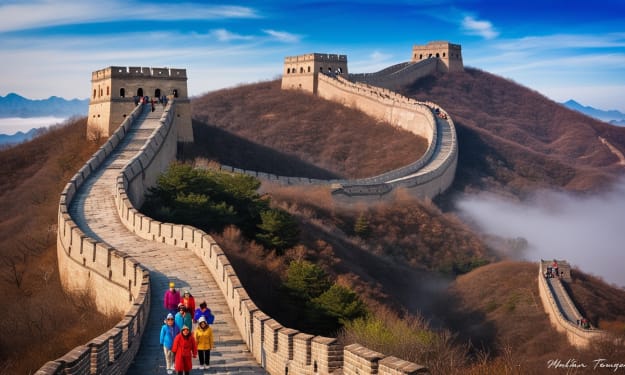
The Story of the Great Wall of China: A Symbol of Strength and Determination Introduction The Great Wall of China stands as one of humanity’s most extraordinary architectural feats. Stretching over 13,000 miles, it symbolizes strength, resilience, and cultural unity. Built over centuries, this monumental structure aimed to protect China from invasions, regulate trade, and solidify the empire’s boundaries. In this article, we will explore the history, purpose, and legacy of the Great Wall, highlighting how it became a timeless emblem of perseverance.
By 💓 Pulse of Stories 💓2 years ago in History
The French Campaign in Egypt: Ambitions and Challenges
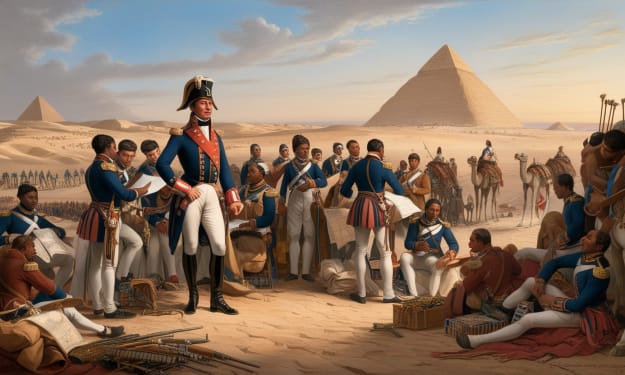
The French Campaign in Egypt: Ambitions and Challenges Introduction The French Campaign in Egypt (1798–1801) remains a fascinating episode in history, blending military ambition, cultural exchange, and political turmoil. Initiated by Napoleon Bonaparte, the campaign aimed to undermine British interests, expand French influence in the East, and establish a new route to India. However, the journey was fraught with challenges, from local resistance to logistical setbacks. This article delves into the French expedition to Egypt, exploring its objectives, obstacles, and enduring legacy.
By 💓 Pulse of Stories 💓2 years ago in History
The Story of Japan's Rise: From Isolation to a Global Power
The Story of Japan's Rise: From Isolation to a Global Power Introduction Japan's transformation from a secluded island nation to one of the world’s leading economic and technological powers is nothing short of remarkable. This journey, often referred to as the "Japanese Miracle," showcases a blend of resilience, strategic vision, and cultural dedication. But how did Japan achieve such a profound transformation? This article dives deep into the story of Japan's rise, tracing its roots, pivotal moments, and the lessons the world can learn from its success.
By 💓 Pulse of Stories 💓2 years ago in History
"Exploring Hiroshima: The Dark Truth Behind the World’s First Atomic Attack"
Hiroshima: A Legacy of Nuclear Devastation and Global Peace Efforts The Dawn of August 6, 1945: A City Under Siege The Atomic Bombing: A Detailed Account of the Events On August 6, 1945, at 8:15 AM, Hiroshima faced a catastrophic event. An atomic bomb, nicknamed Little Boy, was dropped by the B-29 bomber Enola Gay. The bomb unleashed a force equivalent to around 15 kilotons of TNT, creating a blinding flash and immense heat. Within seconds, the city was engulfed in flames, and buildings collapsed. The landscape changed forever. Civilian Casualties: The Unfathomable Human Cost Estimates suggest that about 140,000 people died by the end of 1945 due to the bombing. The suffering didn't stop there; many faced severe burns, injuries, and radiation sickness. Long-term effects of radiation exposure led to countless cases of cancer and other illnesses in survivors, known as Hibakusha. Over 90,000 people were injured, and countless families were displaced. The Decision to Drop the Bomb: A Controversial Choice The decision to drop the bomb has stirred debate for decades. Allied leaders believed it was crucial to end World War II quickly. Critics argue that alternative strategies, like a demonstration of the bomb's power, were overlooked. This decision raises questions about the necessity and ethics of using atomic weapons. The Immediate Aftermath: A City in Ruins Destruction of Infrastructure and Environment The bomb devastated Hiroshima’s infrastructure. Buildings, roads, and bridges were reduced to rubble. The local ecosystem suffered as well, with plants and animals perishing in the aftermath. Images from this time depict a hellish scene, showcasing the extensive destruction. Rescue Efforts: A Race Against Time Rescue operations began swiftly, but challenges overwhelmed the efforts. Fire, debris, and radiation hindered the work. Survivors recounted their harrowing experiences, often describing the chaos. International aid arrived, but it took time to mobilize effectively. Medical Crisis: Treating the Unprecedented Injuries Medical professionals faced an unprecedented crisis in treating victims. Acute radiation syndrome affected many, leading to severe symptoms. Hospitals were overcrowded and lacked supplies. Long-term health consequences remained a significant concern, impacting many lives. The Long Shadow of Radiation: The Ongoing Impact Hibakusha: Stories of Survivors and Their Struggles Survivors, known as Hibakusha, share profound stories that highlight their struggles. Many faced physical ailments and psychological scars. Social stigma often compounded their hardships. Testimonies reveal the emotional toll and the fight for recognition and support. Genetic Effects and Long-Term Health Problems Research indicates that radiation exposure has generational effects. Survivors have reported increased cancer rates and various illnesses. Studies continue to explore these issues, providing a clearer picture of long-term health impacts. Environmental Contamination: Lasting Effects on the Land Hiroshima's land still bears scars from the bombing. Soil and water contamination raised concerns for years. The ecological impact necessitated extensive clean-up and remediation efforts, highlighting the ongoing challenges faced by the city. Hiroshima Today: Remembrance and Reconstruction The Hiroshima Peace Memorial Park: A Symbol of Hope Today, the Hiroshima Peace Memorial Park stands as a testament to resilience. The park features memorials and sculptures, including the iconic Atomic Bomb Dome. It serves as a gathering place for annual memorial services, fostering remembrance and peace. The Hiroshima Peace Memorial Museum: Documenting History The museum offers exhibits and artifacts that capture the tragedy of the bombing. Educational programs promote awareness and understanding. Preserving this historical memory is crucial for future generations. Global Peace Advocacy: Learning from the Past Hiroshima plays a vital role in advocating for global peace. The Hiroshima Declaration calls for nuclear disarmament and international cooperation. The city actively participates in global initiatives aimed at preventing future nuclear conflicts. The Ethical Implications: A Continuing Debate The Morality of Nuclear Warfare: A Complex Issue The morality of nuclear warfare remains a divisive topic. Different perspectives emerge, with some defending its necessity in hastening the war's end. Others highlight the atrocities committed and advocate for stronger international laws. Preventing Future Nuclear Catastrophes: Global Responsibility The Nuclear Non-Proliferation Treaty emphasizes the need for nations to work towards disarmament. Global efforts focus on reducing arsenals and enhancing diplomatic relations. Cooperation between countries is essential for a safer world. Personal Responsibility: Promoting Peace and Understanding Educational initiatives strive to teach the dangers of nuclear weapons. Advocating for disarmament and promoting peace are vital. Each individual can contribute to a culture of understanding and respect. Conclusion: Hiroshima's Enduring Message for Humanity Key Takeaways: Reflecting on the Past and Shaping the Future The Hiroshima bombing serves as a stark reminder of the devastating cost of nuclear weapons. It emphasizes the necessity for international collaboration and peace initiatives. The legacy of Hiroshima carries profound global implications. Lasting Impact: A Call for Lasting Peace and Nuclear Disarmament Hiroshima's history demands our attention. The attack's impact continues to resonate today. Engaging in peace efforts is essential, and remembering the past is crucial for forging a better future.
By Story silver book 2 years ago in History
The Sultan Who Shook the World: The Story of Saladin Al-Ayyubi
The Sultan Who Shook the World: The Story of Saladin Al-Ayyubi 🌍⚔️ In the twelfth century AD, specifically during the time of the Crusades, a man emerged who engraved his name in the annals of history in letters of gold: Saladin Al-Ayyubi. Saladin was born in the city of Tikrit in 1138 AD, to a Kurdish family. From a young age, he showed sharp intelligence and a great interest in science and chivalry, which qualified him to become a skilled leader in his youth. 🌟
By 💓 Pulse of Stories 💓2 years ago in History