Biographies
The Net Worth of Indian Wealth Looted by the British Empire
India’s Economic Strength Before British Rule Before the British East India Company gained control, India was an economic powerhouse. According to historical studies, India accounted for about 23–25% of the world’s GDP in the early 1700s. Indian textiles, spices, steel (such as Wootz steel), and agricultural goods were exported worldwide. Indian kingdoms were wealthy, cities were prosperous, and industries employed millions. This economic strength made India a prime target for European colonial powers, especially Britain. How the British Began Looting India The British did not conquer India overnight. They entered as traders through the British East India Company. Gradually, they gained political control using wars, alliances, and manipulation. Once political power was secured, economic exploitation began. The British used several methods to drain wealth: Heavy taxation on Indian farmers Destruction of Indian industries Forced export of raw materials Unfair trade policies Transfer of Indian revenue to Britain This process is often called the “Drain of Wealth”. The Drain of Wealth: What It Means The “Drain of Wealth” refers to money and resources taken from India without proper return. Indian taxes were used to: Pay British officials in India Fund British wars Support British industries Enrich the British Crown India paid for its own colonization. Even infrastructure like railways was built using Indian money but mainly served British interests. Destruction of Indian Industries One of the biggest economic crimes was the destruction of India’s traditional industries, especially textiles. Indian handloom cloth was famous worldwide. The British: Imposed heavy taxes on Indian textiles Promoted British factory-made cloth Forced Indian weavers into poverty Millions lost their livelihoods. India was turned from a manufacturing economy into a supplier of raw materials like cotton, jute, and indigo. Famines and Economic Mismanagement During British rule, India suffered from over 30 major famines, including the Bengal Famine of 1943, which killed millions. These famines were not natural disasters alone. They were caused by: Forced export of food grains High taxation during droughts Lack of relief efforts While Indians starved, food was exported to Britain. How Much Wealth Was Looted? Estimating the exact amount is difficult, but historians have made careful calculations. Shashi Tharoor’s Estimate Indian author and historian Dr. Shashi Tharoor estimates that Britain drained about $45 trillion (45 trillion US dollars) from India between 1765 and 1938. This figure includes: Tax revenue transferred to Britain Profits from trade Value of destroyed industries Interest on drained wealth What Would This Wealth Be Worth Today? To understand the scale, consider this: $45 trillion is more than the current GDP of many developed countries combined It is several times larger than India’s current annual GDP If this wealth had stayed in India, the country could have achieved: Universal education Advanced healthcare Industrial development Poverty elimination India’s economic backwardness at independence in 1947 was not accidental—it was the result of systematic exploitation. Britain’s Prosperity and India’s Poverty Many British institutions benefited directly from Indian wealth: British railways and factories Universities and public buildings Industrial Revolution growth India funded Britain’s rise as a global power. Meanwhile, India was left impoverished, with low literacy, poor health, and weak industries. Was Any Compensation Given? After independence, no financial compensation was given to India for the looted wealth. Britain has acknowledged colonial “mistakes” in words, but no formal apology or repayment has been made. The debate about reparations continues, but no legal settlement exists. Conclusion The British looting of India was not just theft—it was an organized economic system designed to transfer wealth from one of the richest civilizations to an emerging empire. Estimates suggest that tens of trillions of dollars were drained from India over nearly two centuries. Understanding this history is important not to create hatred, but to recognize the true cost of colonialism. India’s struggles after independence were not due to lack of ability, but due to massive economic damage caused by foreign rule.
By Say the truth 10 months ago in History
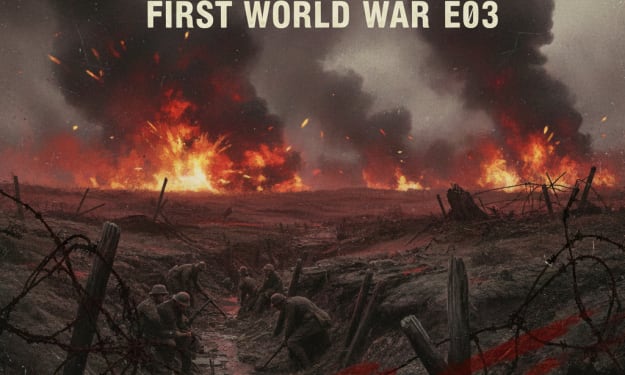
First world war E03,The Battle of Verdun
Introduction The Battle of Verdun stands as one of the most brutal and symbolic conflicts of the First World War. Fought between Germany and France from February to December 1916, this battle became the longest engagement of the war, lasting 302 days. Verdun was not just a military confrontation; it was a test of endurance, national pride, and human survival. Germany’s attempt to break French resistance ultimately failed, but the human cost was staggering.
By Muhammad waqas10 months ago in History
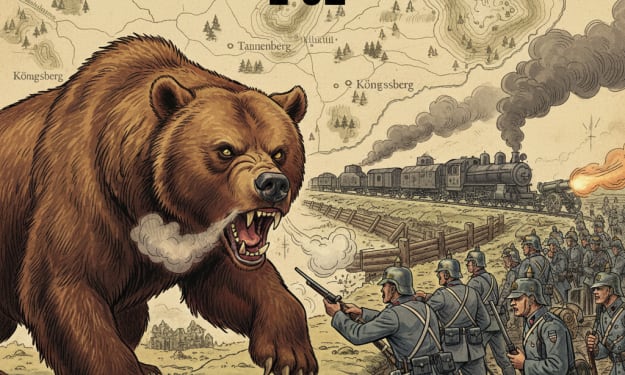
First world war E02,the Eastern Front and Gallipoli
Introduction While World War I is often remembered for trench warfare on the Western Front, some of the most dramatic and decisive events unfolded far from Paris and the English Channel. On the Eastern Front and at Gallipoli, Germany and the Ottoman Empire faced overwhelming enemies but achieved astonishing victories. From the crushing defeat of Russia at the Battle of Tannenberg to the Ottoman resistance against Britain and France at Gallipoli, these campaigns reshaped the balance of power in the First World War.
By Muhammad waqas10 months ago in History
First World War E01 Why Did WWI Start?
In July 1914, Europe stood at the edge of what its rulers believed would be a short and routine conflict. The German and Russian Empires prepared for war with optimism, assuming victory would come within weeks. German Emperor Kaiser Wilhelm II famously told his soldiers they would return home before the leaves fell from the trees. Russian commanders shared similar confidence.
By Muhammad waqas10 months ago in History
"How Did a 10-Day Shift in 1582 Change Christmas Forever?"
The Hidden History of Christmas and the Calendar Shift Christmas is one of the most celebrated holidays in the world, but its association with December 25th was not always so simple. While we take it for granted today, did you know that Christmas, for a time, wasn’t universally celebrated on the same day? This wasn’t due to some quirky holiday tradition, but because of an error in how time was calculated.
By Daily Motivation10 months ago in History
The History of Sheikh’s Spear
It wasn't always called Sheikh’s Spear. In the beginning, it was just a length of strong, straight wood, chosen from an acacia tree that grew alone in a dry valley. The man who found it was a young herder named Khalil. He needed something to guide his goats and lean on during long walks. He smoothed the wood with sand and stone until it felt like a part of his own arm.
By LegacyWords10 months ago in History
Yalda Night
Across the world, cultures have found meaningful ways to mark the changing seasons. In Iran, one of the most cherished traditions is Yalda night, a celebration held on the longest night of the year, usually around December 21st. More than just a seasonal event, Yalda night represents hope, light, family, and continuity values that have been passed down for thousands of years.
By Zohreh Asadi10 months ago in History