Biographies
"Vlad the Impaler: The Brutal King and His Dark Kingdom"
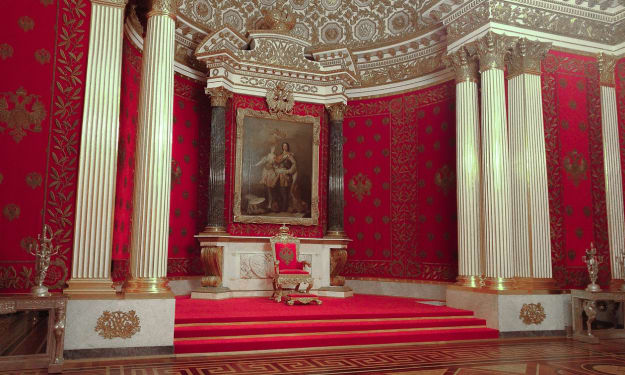
Dracula in Absolute Life: The Fable of Vlad the Impaler The adventure of Dracula, the abominable vampire who feeds on the claret of the living, is abiding in one of the best air-conditioned abstracts of medieval history:
By Say the truth 2 years ago in History
The Hiri Trade in Papua New Guinea
Trade System in Port Moresby, Papua New Guinea Papua New Guinea (PNG) has a rich history of traditional trade systems, which were integral to the lives and culture of its people long before European contact. In particular, Port Moresby, the capital of PNG, was historically a bustling center for trade, driven by the Motu-Koita people who developed a unique trading system known as the hiri trade. This ancient practice played a crucial role in fostering social ties, spreading goods, and connecting various communities along the coastlines of New Guinea and its offshore islands. The Hiri Trade System The hiri trade was a highly organized and ceremonial trading expedition carried out by the Motu people from the Port Moresby area. The Motu were primarily fishermen and potters who relied on maritime skills to navigate along the southern coast of Papua New Guinea. Due to the dry and arid climate in the Port Moresby region, the Motu faced limited agricultural output. As a result, they lacked resources like sago and other foodstuffs that were abundant in the wetter Gulf Province to the west. To address this, the Motu people began making annual voyages across the Gulf of Papua in large, intricately constructed canoes known as lakatoi. These canoes, which could be over 20 meters long, were made from logs bound together and equipped with triangular sails. These journeys would often involve several days of travel in sometimes treacherous seas. To undertake these journeys, the Motu developed navigational expertise and carefully planned logistics to ensure a safe and productive expedition. The Trade Process The primary goods traded by the Motu were pottery items, which were highly valued along the coast and used in daily life for cooking and storage. Motu pots were crafted through traditional techniques, using clay sourced from specific areas around Port Moresby. These pots were both practical and symbolic, reflecting the artisanship and culture of the Motu people. In exchange for their pottery, the Motu traders obtained sago, a starchy food derived from the sago palm, which was a staple for the Gulf Province people. They also traded for other essential goods like areca nuts, fish, and decorative items. This trade was reciprocal; while the Motu received food resources, the Gulf people gained valuable pottery that they could not produce themselves. Once the Motu traders arrived at their destinations, they participated in a well-established bartering system. There was often a ceremonial aspect to the trading, with elders and clan leaders facilitating exchanges and ensuring fair trade practices. Relationships forged through the hiri trade helped prevent conflict, as communities that traded together developed social ties and mutual respect. Socio-Cultural Significance The hiri trade was more than just an economic activity; it was a cultural institution embedded in the Motu-Koita society. The voyages were accompanied by rituals and traditions, including prayer and sacrifice, to ensure a successful journey and safe return. They were also a rite of passage for young Motu men, marking their transition into adulthood through participation in these risky and challenging expeditions. Each year, the hiri expeditions became a community-wide event, creating a sense of pride and shared identity among the Motu-Koita people. The arrival of the lakatoi canoes upon their return was celebrated with dances, feasting, and storytelling, strengthening communal bonds and celebrating the endurance and bravery of the voyagers. Decline and Legacy The hiri trade continued until the early 20th century when colonial influences, modern transportation, and the introduction of currency and new economic structures diminished its role. However, the legacy of the hiri trade remains a vital part of the cultural heritage in Port Moresby and PNG at large. Today, the Hiri Moale Festival commemorates this historic trade, celebrated with traditional dances, canoe races, and a showcase of Motu-Koita arts and crafts. This annual festival is not only a celebration of history but also a means of preserving and educating new generations about the significance of traditional trade systems. By honoring the hiri trade, Papua New Guineans remember the ingenuity, resilience, and skill of their ancestors who forged connections and sustained their communities through resourceful trade practices. --- Through the hiri trade, Port Moresby was more than a point of commerce—it became a hub of cultural exchange and a testament to the adaptability and ingenuity of the Motu-Koita people. This ancient trade system highlights the interconnectedness of societies and the vital role of exchange in sustaining life and culture in Papua New Guinea.
By Grace Guise2 years ago in History
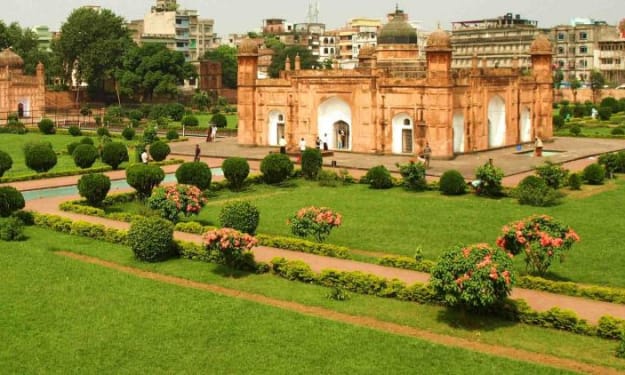
Lalbagh Fort: A Historic Marvel in Dhaka
Lalbagh Fort, also known as Fort Aurangabad, is one of the most iconic architectural landmarks in Bangladesh, located in the capital city of Dhaka. This 17th-century Mughal fort, built during the reign of Emperor Aurangzeb, is a stunning example of Mughal architecture and has captivated visitors for centuries with its intricate design, historical significance, and mysterious, unfinished legacy. Constructed initially by Prince Muhammad Azam Shah, the son of Aurangzeb, Lalbagh Fort stands as a symbol of Dhaka’s rich history and has become a major tourist attraction that reflects the grandeur and cultural heritage of the Mughal era.
By Md Mostafizur Rahman2 years ago in History
Disposed Royal Houses That Still Exist.
Throughout the 19th and 20th Century, the Old World, and parts of the New World, were once largely ruled by monarchs. Be it absolute or constitutional, these kings, queens, emperors, and empresses were regarded with admiration by their subjects. However at the end of First World War, and the subsequent Second, the vast majority of monarchies were largely done away with. From being disposed by government action or voted out of power by the people, these ancient ruling families saw their reigns come to an end.
By Halden Mile2 years ago in History
Curupira
Brazilian folklore is abundant with mythical characters that reflect the vibrant and enigmatic qualities of the nation’s diverse ecosystems. One such figure is the Curupira, an intriguing protector of the forests who represents the ideals of safeguarding, honoring, and valuing nature. Characterized by his striking red hair and feet that point in reverse, the Curupira is both elusive and formidable, instilling fear in those who seek to damage the environment. However, who is this mysterious entity, and what significance does he hold within Brazilian folklore? In Brazilian mythology, the Curupira is a supernatural entity responsible for safeguarding the forest and its creatures. Unlike many other mythical beings, the Curupira actively protects the environment, employing tricks and illusions to mislead hunters and loggers who violate the natural order. He is typically portrayed as a small, child-like figure with striking red hair, symbolizing his untamed spirit and deep connection to the earth.
By A História2 years ago in History
The Mystical Land of Shambhala: A Journey into Legend
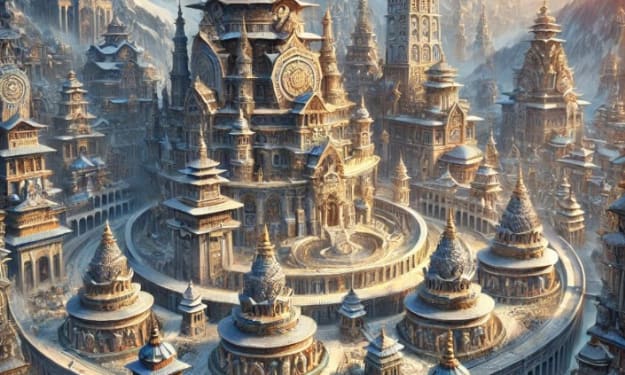
The Mystical Land of Shambhala: A Journey into Legend Imagine a hidden kingdom, nestled in the snowy mountains, filled with wise people living in peace and harmony. This magical place is called Shambhala. According to ancient legends, Shambhala is a pure, peaceful land where wisdom, kindness, and balance flourish.
By Say the truth 2 years ago in History
The Keeper of Memories
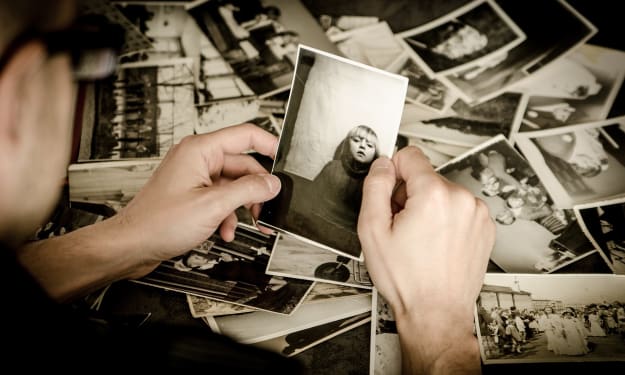
The Keeper of Memories In the small town of Albury, nestled between rolling hills and quiet lakes, lived an elderly man named Thomas. For as long as anyone could remember, Thomas had been the town’s unofficial historian. He was not a historian in the formal sense; he held no degrees, no scholarly titles. But what he did possess was an irreplaceable gift for remembering and storing the memories of people who had once lived, loved, and left their mark on the town. Thomas ran a modest shop called “Keepsakes & Memories.” Inside, every wall, shelf, and drawer was filled with items that held pieces of Albury’s history—worn letters, faded photographs, ticket stubs from a fair long past, tiny trinkets with stories only Thomas seemed to know. The townsfolk would bring him their cherished possessions, knowing they’d be safe with him, held in his careful, gentle hands. But it wasn’t only objects Thomas stored; it was the emotions, the stories, the moments frozen in time. People would often visit the shop not to buy anything, but to listen. They would ask him, “Thomas, tell us about the night of the Great Storm,” or “What was the Winter Ball like in ‘68?” And Thomas would begin, his voice soft and low, weaving tales that pulled at the heart. However, there was one particular story Thomas hadn’t shared with anyone—the story of how he became the keeper of memories. It was a story that lived in his heart, quietly shaping the man he had become. Years ago, when Thomas was a young man, he’d been married to a woman named Eleanor. She was his light, his laughter, his everything. Together, they’d dreamed of traveling the world, of writing their own history in places far and wide. But life, as it often does, had different plans. Eleanor fell ill, a cruel, relentless sickness that no doctor could cure. As her health faded, so did their dreams of distant lands and grand adventures. During her last days, Eleanor asked Thomas to promise her one thing. “Keep our memories, Tom,” she’d whispered, her hand clasped weakly in his. “Promise me you’ll remember all the small things—our picnics by the lake, our late-night talks, that silly dance we made up.” Thomas, choking on his tears, promised her he would. And as Eleanor slipped away, he felt a hollow emptiness settle in his heart, one he feared would never be filled. After Eleanor’s passing, Thomas found himself lost. He wandered through days in a fog of grief, unsure of how to keep the promise he’d made. But then, one afternoon, he stumbled upon an old wooden box Eleanor had kept on her vanity. Inside were tiny treasures—a dried flower from their first date, a ticket stub from their favorite movie, a small, handwritten note that simply read, “Forever yours.” It was in that moment Thomas understood: memories needed a home. They needed a place to rest, to be remembered, to be safe from the winds of time. So he began collecting not just his memories but those of the town, creating a space where moments were preserved, cherished, and kept alive. One evening, as Thomas sat alone in his shop, a young boy entered. He couldn’t have been more than ten, with tousled hair and eyes that held a sadness Thomas recognized all too well. The boy placed a small, battered toy car on the counter. “Can you keep this safe for me?” he asked, his voice barely a whisper. Thomas looked at the boy, understanding without needing to ask. He nodded, gently placing the toy on a special shelf he’d reserved for things of great importance. And as the boy left, Thomas promised himself that the toy car, and the story it held, would always have a place in his collection. From then on, people brought him more than just trinkets; they brought him pieces of their souls. A young widow handed him her husband’s pocket watch, a reminder of every second they’d spent together. An elderly woman entrusted him with a silk scarf, a gift from a love long lost but never forgotten. And each time, Thomas stored not only the objects but the emotions bound to them. As years went by, the shop became known as the heart of Albury. People who had moved away would send packages with letters that read, “For Thomas. Please keep it safe.” Children who had grown up listening to his stories would visit with their own mementos, placing their memories in his care. And Thomas, true to his word, kept each one safe. But Thomas’s time was growing short. His hands, once steady and sure, now trembled as he handled the fragile memories left in his care. One cold winter’s day, as he sat by the window, he realized it was time to pass the legacy on. He looked around the shop, at the countless pieces of love, loss, and laughter he had collected, and wondered who could continue this work. That evening, he called Clara, a young woman who had grown up listening to his stories. Clara had always been drawn to the shop, spending hours there as a child, mesmerized by Thomas’s tales. When she arrived, Thomas took her hand, placing the key to the shop in her palm. “This shop isn’t just a collection of things,” he told her, his voice a soft murmur. “It’s a collection of lives, of memories that need a place to live on. I’ve done my part, but now it’s time for someone else to keep them safe.” Clara, with tears in her eyes, understood the weight of what Thomas was entrusting her with. She nodded, promising to honour his legacy, to keep the memories alive. When Thomas passed away, the entire town mourned. People filled the small shop, leaving behind letters, flowers, and mementos of their own. Clara watched as the town remembered the man who had stored their memories, who had given their lives a place to be remembered, preserved in kindness. Years later, as she sat behind the counter, a young child walked into the shop, clutching a small, worn-out teddy bear. Clara took it gently from him, her heart swelling with the familiar weight of a new story. She smiled, placing the bear on the shelf, knowing that Thomas’s legacy lived on. And so, the little shop in Albury remained—a keeper of memories, a place where stories never faded, where every trinket, photograph, and letter was held in a special space. It was more than a habit of storage; it was a testament to love, to remembrance, and to the quiet, powerful promise of keeping memories alive.
By Dipak Pawar2 years ago in History