Biographies
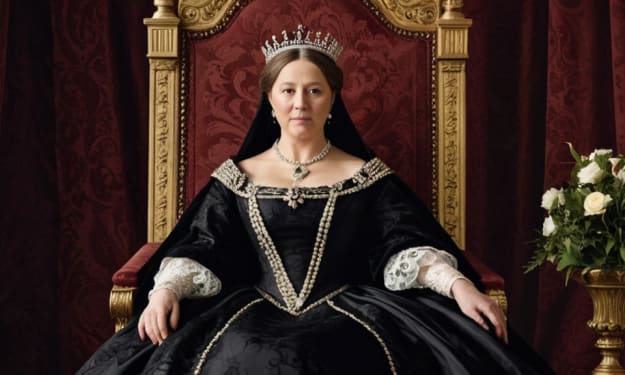
Women on the throne.. Queen Victoria, grandmother of the European continent
Modern history has not known a queen who was able to bring about a major change for her people as Queen Victoria did during her rule of Britain, where she witnessed great development and expansion on the scientific, cultural, military and economic levels, and was able to establish the “empire on which the sun never sets.” With her wisdom, she was also able to spread her nine sons throughout the continent of Europe to marry into the most important royal and ruling families, until her grandchildren spread throughout the old continent, so she was given the title “Grandmother of the European Continent.”Birth and upbringing
By Kisama Riyo 2 years ago in History
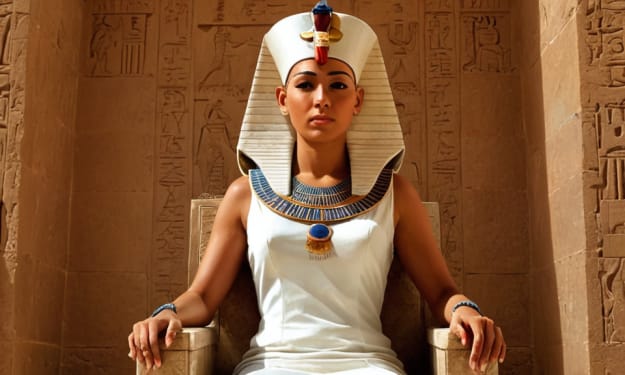
Women on the throne.. Cleopatra VII, the most famous queen in history
Perhaps no woman in history has ever been as famous as Cleopatra VII, the last king of the Ptolemaic dynasty, which is considered a meeting point between the Greek, Pharaonic and Roman civilizations. The events that Cleopatra experienced greatly contributed to increasing this fame, until the beautiful queen became one of the legends of history and the heroines of novels, stories, films and dramas.Birth and upbringing
By Kisama Riyo 2 years ago in History
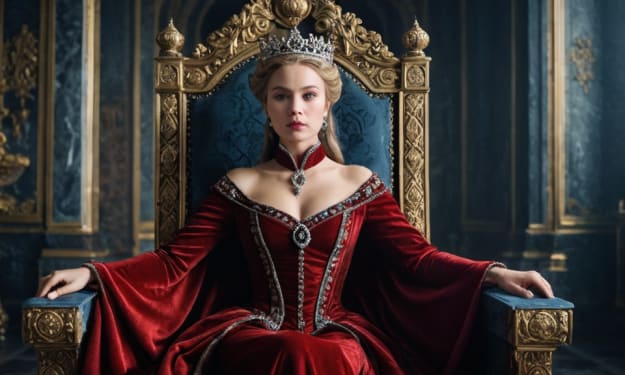
Women on the throne.. Anna Ivanovna, Empress of Blood and Ice
Just as history bears witness to some women who ascended the throne or ruled the country with a number of major victories and developments that indicate strength, wisdom and intelligence, history also bears witness to the madness and strangeness of some women who assumed power, most notably Anna Ivanovna, Empress of Russia, who was forced by circumstances to sit on the throne and begin a series of insane acts, with murder, tyranny and torture in ways that indicate sadism, and the absence of reason for ten years, the duration of her rule, which was filled with blood and psychological complexes that some analysts attribute to her father who suffered from psychological and mental disorders throughout his life, or to her marriage experience that ended quickly.Birth and upbringing
By Kisama Riyo 2 years ago in History
Woman on the throne.. Hatshepsut, the most famous queen in Pharaonic Egypt
Just as the history of Pharaonic Egypt is full of secrets, strange tales, tremendous events and things that are difficult to explain, Queen Hatshepsut is one of these strange and great tales at the same time. How was this girl able to rule this powerful state and tighten her grip on power amidst the conspiracies of the priests, the competition of her brother and the traditions of rule in the oldest civilization in history? And how did her era become an example of progress, peace and stability?Hatshepsut's Birth and Family
By Kisama Riyo 2 years ago in History
Papua New Guinea’s Central Province: A Rich Tapestry of Culture and Customs
Papua New Guinea’s Central Province, located along the southeastern coast, is known for its breathtaking landscapes, from rugged mountains to pristine beaches. This province is equally fascinating for its people, who are steeped in traditional customs and a vibrant cultural heritage. The diversity within Central Province, with its many different communities and languages, has fostered unique traditions that continue to thrive despite modernization. This article explores some of the notable customs and cultural practices that define the people of Central Province. Language and Identity Papua New Guinea is home to over 800 languages, and Central Province contributes significantly to this linguistic diversity. The Motu language, widely spoken in Central Province, is one of the region’s most prominent languages, and the unique Hiri Motu dialect serves as a lingua franca across several coastal communities. Language is central to identity in Central Province, with each community cherishing its linguistic heritage. Rituals, oral histories, and myths are passed down through generations in these local languages, preserving the people’s identity and deep connection to their land and ancestors. The Hiri Trade Tradition One of the most celebrated cultural practices in Central Province is the Hiri trade tradition. This historical trade network connected the people of the coast with inland and island communities, particularly the Gulf Province. The Hiri voyages were undertaken in large, wooden sailing canoes called “lakatois,” which were crafted from special trees and decorated with unique symbols. These voyages were significant both economically and socially, as they facilitated the exchange of goods, such as clay pots, sago, and shells, and strengthened inter-community relationships. The Hiri trade tradition is commemorated in an annual Hiri Moale Festival, where the history and heritage of this ancient practice are celebrated through canoe races, dances, and the crowning of the Hiri Queen. This festival is a vibrant showcase of Central Province’s pride in its maritime history and serves as an opportunity for younger generations to learn about and connect with their ancestors’ way of life. The Significance of Dance and Music Dance and music are integral to the cultural expression of Central Province. Traditional dances, known as “meke,” are performed at special events, from weddings and celebrations to rituals that honor ancestors. These dances are highly symbolic, often representing stories of creation, warrior legends, or the province’s natural elements. Dancers wear costumes made from materials like feathers, shells, and plant fibers, each costume design unique to the specific community and purpose of the dance. Music accompanies these dances, with drums (known locally as kundu drums) playing a central role. Drums are carved from hardwood and painted with traditional designs, representing a family’s or clan’s history. In Central Province, music is also a storytelling medium, with songs sung in local dialects and handed down across generations. These musical traditions help preserve the people’s connection to their ancestral lands and natural environment. Marriage and Family Life Marriage customs in Central Province reflect the community-oriented nature of local society. Marriages are often arranged with the aim of strengthening ties between families and communities. While the details of marriage ceremonies vary among communities, the process generally involves negotiations between families, with bride price (gifts or money given to the bride’s family) playing a significant role. This exchange is not merely transactional; it represents a commitment from both families to support the union and its future offspring. Family life in Central Province is communal, with extended family units living together and sharing responsibilities. Elders are highly respected and play a vital role in decision-making, with younger members expected to listen to their guidance. This respect for family and community bonds is deeply embedded in the culture, emphasizing the importance of mutual support and harmony within the clan. The Role of Spirituality and Taboos Central Province’s culture is deeply spiritual, with beliefs rooted in respect for nature and the spirits of ancestors. Many communities observe specific taboos that govern their daily lives, often based on ancestral teachings. These taboos might dictate how certain plants or animals should be treated or prohibit actions that could disrupt the spiritual harmony of a place. Respect for nature and the environment is woven into these customs, underscoring a collective responsibility to preserve the land and sea that sustain them. Traditional healers, or “sorcerers,” also hold an esteemed position within Central Province communities. These individuals are believed to have a unique connection with the spirit world and are called upon for healing, guidance, or protection. In addition, rituals that honor ancestral spirits are regularly practiced, especially in times of crisis or during important milestones like births and deaths. Conclusion Central Province in Papua New Guinea is a region rich in cultural heritage, where ancient customs and modern life blend to create a unique identity. Through the Hiri trade tradition, dance and music, communal family life, and deeply rooted spiritual beliefs, the people of Central Province maintain a strong connection to their ancestral traditions. As they navigate the challenges of modernity, these cultural practices provide a source of identity, resilience, and unity, ensuring that the customs and stories of Central Province continue to thrive for generations to come.
By Grace Guise2 years ago in History
Amaran movie review
Amaran movie review Here’s a detailed review of *Amaran*, the Tamil biographical drama directed by Rajkumar Periasamy and starring Sivakarthikeyan and Sai Pallavi. Based on the life of Major Mukund Varadarajan, the film is an emotionally charged tribute to a real-life hero, blending romance, bravery, and duty. Here’s a breakdown of the film’s various elements:
By Mahalakshmi2 years ago in History
Major Mukund Varadarajan: A Hero’s Legacy
Major Mukund Varadarajan: A Hero’s Legacy **Introduction** Major Mukund Varadarajan, often celebrated as a symbol of courage and selflessness, was an officer of the Indian Army who sacrificed his life in the line of duty. Known for his bravery, tactical acumen, and deep sense of responsibility toward his country, Major Varadarajan’s story is an inspiration to millions across India. His life, career, and ultimate sacrifice exemplify the dedication and valor of Indian soldiers, who put their lives on the line to ensure the safety and sovereignty of the nation.
By Mahalakshmi2 years ago in History
The 2024 Melbourne Cup
The 2024 Melbourne Cup, taking place on November 5 at Flemington Racecourse, is set to showcase an exciting blend of international and Australian talent, with top horses competing in Australia’s most prestigious race. Known as "the race that stops a nation," this year’s event brings together a unique lineup of highly skilled runners, each with distinct strengths and impressive backgrounds, promising an unforgettable day for racing enthusiasts worldwide.
By arun singhwal2 years ago in History
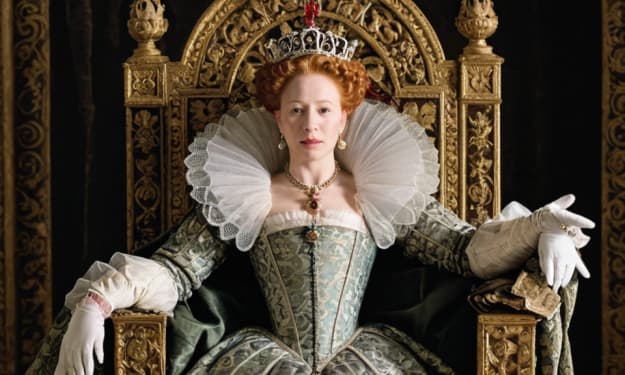
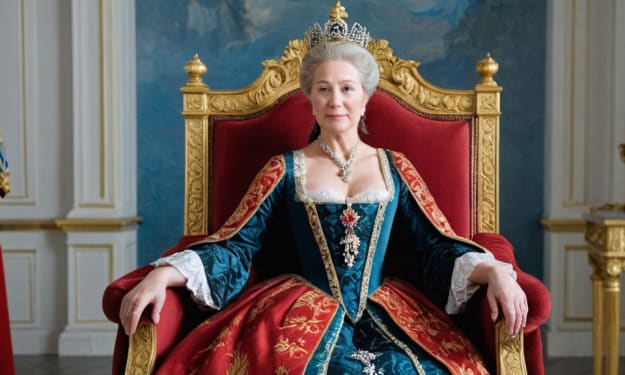
Women on the throne.. Catherine the Great, the most famous ruler of Russia
Despite the difficult historical stage and the great challenges inside and outside the country, Catherine II was able to lead Russia to become one of the world's great powers, and force the major European countries to submit to Russia with its economic and military development, which placed Catherine II's name among the greatest Russian rulers ever, so she became known as (Catherine the Great), in addition to being one of the most famous and powerful rulers in history.Birth and upbringing
By Kisama Riyo 2 years ago in History