
Rome’s African Emperor: The Forgotten Warrior King Who Rebuilt London and Ruled the Mightiest Empire on Earth
Born under the scorching sun of Leptis Magna in ancient Libya, Septimius Severus rose from North African roots to become Rome’s first African-born emperor - a battle-hardened leader who crossed the sea at age 62 with the largest army ever sent to Britain, stabilized a crumbling frontier, and left a lasting mark on history that was later quietly erased.

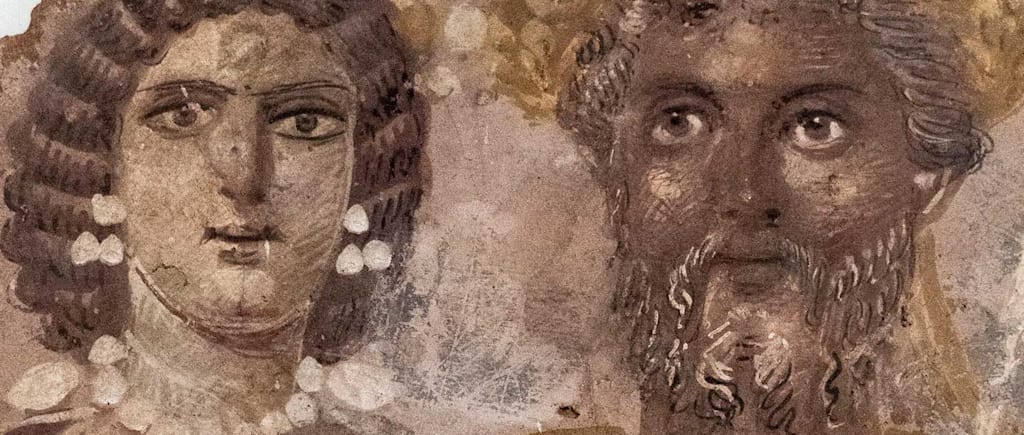
Have you ever stood in front of an old stone wall or walked through ancient ruins and wondered about the hands that built them? The lives, the ambitions, the struggles behind those silent stones? Now imagine discovering that one of the most powerful men who helped shape early London wasn’t some pale senator from Italy, but a battle-scarred warrior born under the blazing African sun in what is now Libya.
It’s the year 208 AD. The Roman Empire is vast but cracking at the edges. In distant Britain, tribal raids are tearing apart the northern frontiers. The emperor at the time? A 62-year-old man named Lucius Septimius Severus. He doesn’t send a general. He doesn’t delegate. He personally leads one of the largest military campaigns Britain had ever seen - crossing the cold Channel with tens of thousands of troops. This wasn’t just another conquest. This was a man returning order to chaos, rebuilding walls, securing cities, and quite literally helping lay foundations that would one day become modern London.
You know, stories like this always hit me with this strange mix of awe and frustration. Awe at the sheer scale of human ambition across continents. Frustration because for centuries, the African origins of this extraordinary leader were downplayed, whitened, or simply edited out of popular history books. Today, we’re diving deep into the remarkable life of Septimius Severus - Rome’s African emperor - a tale of ambition, military brilliance, political cunning, and legacy that still echoes today.
The Boy from Leptis Magna
Let’s travel back to 145 AD. The city of Leptis Magna, on the coast of modern-day Libya, was one of the wealthiest and most magnificent Roman cities in North Africa. Grand colonnades, bustling harbors filled with trade ships from across the Mediterranean, libraries, theaters, and markets overflowing with goods. This was no backwater province. This was a thriving center of Punic, Berber, and Roman culture.
Young Lucius Septimius Severus grew up surrounded by this blend of worlds. His family had deep roots in the region - Punic heritage mixed with local African lineages. He received an excellent education, spoke multiple languages, and from an early age showed a sharp mind and fierce determination. Rome was the center of power, so like many ambitious young men of his time, he made his way to the imperial capital to climb the ranks.
But he never forgot where he came from. His African identity, his understanding of different cultures, and his practical experience would later serve him incredibly well.
Rising Through the Ranks of Chaos
The late 2nd century was a turbulent time for Rome. Emperors rose and fell quickly. Civil wars threatened to tear the empire apart. Severus proved himself as a capable administrator and military commander in various provinces - from Syria to Gaul.
When Emperor Commodus was assassinated in 192 AD, the empire descended into full civil war. Three main claimants emerged: Septimius Severus in the west, Pescennius Niger in the east, and Clodius Albinus in Britain.
This is where Severus showed his strategic genius. Instead of fighting on multiple fronts at once, he played a masterful game of politics and warfare. He first neutralized Albinus by offering him the title of Caesar (second-in-command), buying precious time. Then he turned east and crushed Niger at the Battle of Issus in 194 AD - on the very ground where Alexander the Great had once triumphed centuries earlier.
By 197 AD, Severus stood as the undisputed emperor. But he didn’t stop there. He reformed the military, increased soldiers’ pay, expanded the empire’s borders, and worked to stabilize the economy. His reign marked the beginning of the Severan Dynasty, which would guide Rome through challenging times.
The British Campaign – Rebuilding London and Securing the North
By 208 AD, Britain was in trouble. Tribes from the north (often called Caledonians or Picts) were raiding deep into Roman territory. The walls and defenses were failing. Severus, now in his early sixties and suffering from gout, made the grueling journey across the sea with his wife Julia Domna and their sons Caracalla and Geta.
This wasn’t a small expedition. Historians describe it as one of the largest armies ever assembled for a campaign in Britain - possibly over 40,000 troops. Severus pushed north, rebuilding forts, constructing roads, and reinforcing Hadrian’s Wall and other defenses. His campaigns helped stabilize the province for years to come.
London (Londinium) benefited immensely during this period. Infrastructure improvements, stronger defenses, and economic boosts from the massive military presence helped transform it into an even more important hub. Some historians argue that Severus’ efforts were foundational to the city’s long-term growth and security.
He spent significant time in York (Eboracum), which served as his headquarters. In fact, he died there in 211 AD, reportedly still planning further campaigns even on his deathbed.
The Man, The Myth, The Whitewashing
Here’s where the story gets reflective for me. Septimius Severus was undeniably African - born and raised in North Africa with visible features that reflected his heritage. Contemporary Roman sources described him as such. Yet for centuries afterward, especially during the height of European classical revival and later colonial narratives, his statues were idealized in white marble with European features. Textbooks often glossed over or minimized his African birth, framing him simply as “Roman.”
It makes you wonder about all the other figures whose stories were reshaped to fit convenient narratives. History isn’t just about what happened - it’s about who gets to tell it.
Despite this, Severus achieved what few emperors did. He expanded and stabilized the empire, promoted merit-based advancement, and left architectural legacies from Leptis Magna (which he greatly beautified) to Britain.
Legacy That Still Echoes
Septimius Severus wasn’t perfect. His reign saw increased militarization of politics, and his sons’ later rule brought new challenges. But his story stands as powerful proof of African excellence at the very heart of the Roman Empire - something that challenges old stereotypes about who could wield power in antiquity.
In our modern world, where debates about identity, migration, and historical representation continue, figures like Severus remind us that the ancient world was far more interconnected and diverse than many textbooks suggested. North Africa wasn’t a peripheral footnote. It produced emperors, scholars, warriors, and builders who shaped global civilization.
So let me leave you with this thought: What other incredible stories have been quietly minimized or erased simply because they didn’t fit the dominant narrative of their time? The next time you walk through London or visit Roman ruins anywhere, remember the African emperor who helped secure those stones. His blood, his ambition, and his vision are literally baked into the foundations of Western history.
Does learning about leaders like Septimius Severus change how you view the Roman Empire - or history in general? I’d love to hear your thoughts. Because the more we uncover these hidden chapters, the richer and more human our shared past becomes.
And honestly? That search for the full, unfiltered truth is one of the most exciting parts of being alive today.
About the Creator
KWAO LEARNER WINFRED
History is my passion. Ever since I was a child, I've been fascinated by the stories of the past. I eagerly soaked up tales of ancient civilizations, heroic adventures.
https://waynefredlearner47.wixsite.com/my-site-3
Enjoyed the story? Support the Creator.
Subscribe for free to receive all their stories in your feed.
Comments
There are no comments for this story
Be the first to respond and start the conversation.