
June 24, 2026: Venezuela's Devastating Earthquake
A powerful earthquake that shook the nation and changed thousands of lives.

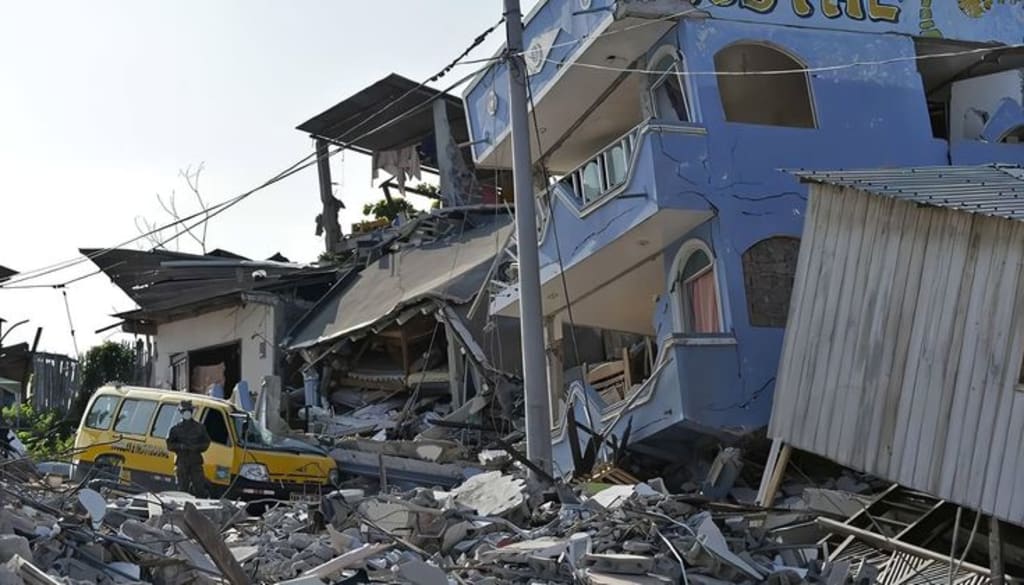
June 24, 2026: Venezuela's Devastating Earthquake A Normal Day Turned Into Disaster On June 24, 2026, Venezuela experienced one of the strongest earthquakes in its recent history. What began as a normal day quickly turned into a frightening disaster as powerful shaking spread across parts of the country. Within seconds, homes, offices, schools, and businesses were affected. Many people rushed into the streets, unsure of what would happen next. The earthquake reminded everyone how suddenly nature can change lives. The Powerful Earthquake The earthquake measured more than 7 on the magnitude scale, making it a major seismic event. Reports said that two powerful shocks occurred within a very short time, increasing the fear among residents. The ground shook violently, causing buildings to sway and sending debris onto roads. In several areas, electricity and communication services were interrupted, making it difficult for families to contact one another during the first hours after the disaster. Damage Across Caracas and Nearby Areas The capital city, Caracas, and surrounding regions experienced strong shaking. Many buildings suffered damage, while some older structures partially collapsed. Cracks appeared in roads, walls, and bridges. Vehicles were trapped in traffic as frightened drivers stopped to avoid accidents. Public transportation also faced disruptions as officials inspected tracks, stations, and roads for safety before allowing normal operations to continue. Hospitals and Emergency Response Hospitals immediately activated emergency plans. Doctors, nurses, and rescue teams worked without rest to treat injured people. Ambulances moved continuously through affected neighborhoods, carrying patients to medical centers. Emergency shelters were opened for families whose homes were no longer safe. Volunteers distributed drinking water, food, blankets, and other basic supplies to those in need. Rescue Operations Rescue workers searched damaged buildings carefully, hoping to find survivors trapped beneath fallen concrete and broken walls. Heavy machinery was brought to the hardest-hit areas, while specially trained rescue dogs assisted in locating people under the rubble. Every successful rescue brought hope to worried families waiting nearby. At the same time, officials asked people to stay away from unstable buildings because aftershocks could cause additional collapses. Aftershocks Continue Aftershocks continued to shake the region during the following hours and days. Although many were smaller than the main earthquake, they created fresh concern among residents. Some people chose to sleep outdoors or in temporary shelters rather than return to damaged homes. Engineers inspected schools, hospitals, apartment buildings, and public offices to determine whether they were safe for use. Why Earthquakes Happen Earthquakes happen because enormous sections of the Earth's crust, called tectonic plates, are constantly moving. Venezuela is located in an area where these plates interact, making earthquakes a natural risk. Scientists cannot predict the exact time when an earthquake will occur, but they can study fault lines, monitor seismic activity, and improve warning systems. This knowledge helps governments prepare emergency plans and encourages communities to practice earthquake safety. Earthquake Safety Tips Experts always remind people that preparation saves lives. Families are encouraged to keep emergency kits containing water, food, flashlights, batteries, first-aid supplies, important documents, and medicines. During an earthquake, people should stay calm, protect their heads, and take cover under sturdy furniture if they are indoors. If they are outside, they should move away from buildings, trees, bridges, and power lines until the shaking stops. Economic Impact The economic impact of the disaster may continue for months. Repairing damaged roads, bridges, homes, schools, and hospitals requires significant time and financial resources. Businesses forced to close temporarily may lose income, while thousands of families could face expensive rebuilding costs. Governments, humanitarian organizations, and international partners often work together to provide emergency assistance and support long-term recovery efforts. Stories of Courage Despite the destruction, stories of courage quickly emerged. Neighbors helped rescue one another, shared food with strangers, and opened their homes to families who had nowhere to stay. Medical workers continued treating patients despite difficult conditions, while volunteers worked around the clock to deliver aid. These acts of kindness demonstrated the strength and resilience of communities facing an unexpected disaster. Looking Ahead The June 24, 2026, Venezuela earthquake serves as a powerful reminder that nature can be unpredictable. While buildings can be rebuilt and roads repaired, the safety of people remains the highest priority. Continued rescue operations, careful rebuilding, improved construction standards, and better disaster preparedness can help reduce the impact of future earthquakes. As Venezuela begins the long process of recovery, the determination and unity of its people will remain one of the country's greatest strengths.
About the Creator
Hafiz afridi
✍️ Writer | Creator | Dreamer Sharing original stories, ideas, and knowledge with the world. Turning thoughts into words and words into impact.
Enjoyed the story? Support the Creator.
Subscribe for free to receive all their stories in your feed.
Comments
There are no comments for this story
Be the first to respond and start the conversation.