
Ice Age Lighting Techniques Uncovered by 14,400-Year-Old Footprints in an Italian Cave
A Tour to the Hall of Mysteries

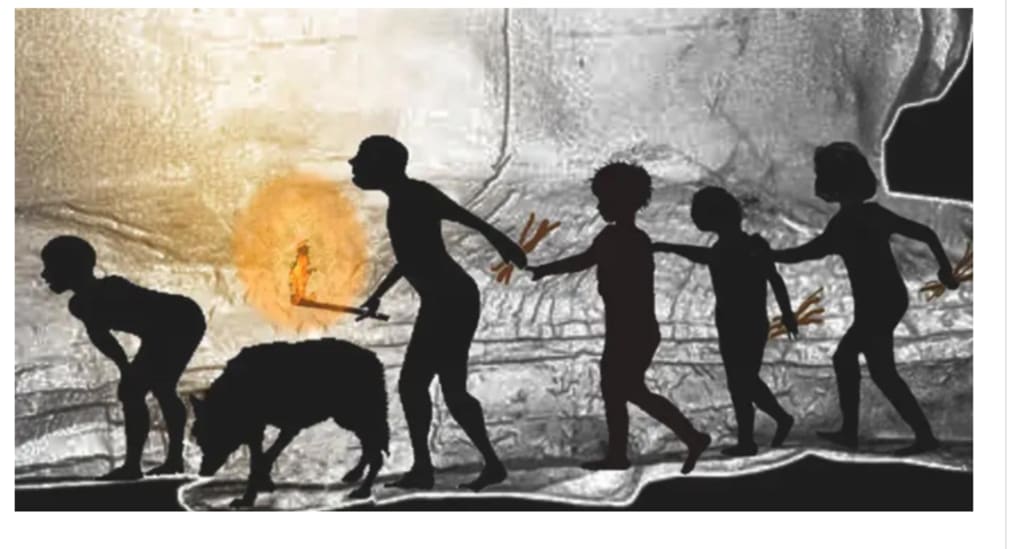
A remarkable discovery made in the dark, deep passageways of Bàsura Cave in northwest Italy has illuminated our prehistoric ancestors' inventiveness. Nearly 14,400 years ago, a small group of five Epigravettian hunter-gatherers, along with a canid, journeyed deep underground utilising little pine twigs as their primary source of illumination, according to a recent study published in Quaternary International. This intriguing discovery casts doubt on preconceived notions of Palaeolithic cave exploration and offers a clear window into Ice Age human daily life.
As part of the collaborative Bàsura Revisited project, the study team recreated the lighting techniques employed by these ancient explorers by combining pollen analysis, charcoal inspection, archaeological excavations, and experimental testing. According to their findings, these early humans used small, portable bundles of Scots pine twigs to light their way across the hazardous terrain of the cave instead of hauling big, cumbersome torches.
A Tour to the Hall of Mysteries
Bàsura Cave, which is close to Toirano in Liguria, is well known for its large concentrations of cave bear remains, charcoal traces, and well-preserved fossilised footprints. The "Hall of Mysteries," a deep area of the cave where various signs of human activity have been found, was the focus of the most recent excavations. The researchers observed that over half of the 56 charcoal particles in this location belonged to Pinus sylvestris (Scots pine) or closely related species.
Importantly, the majority of these charcoal fragments were from young branches with a diameter of less than two or three centimetres. The long-held notion that enormous torches built of thick branches were employed by prehistoric cave visitors is refuted by this data. Rather, it proposes a more sensible strategy: gathering tiny pine twigs from live trees and bundling them to make effective, transportable light sources.
Reliving the Experience of the Ice Age
The researchers carried out a number of experimental trials in a nearby cave with comparable climatic conditions in order to test their idea. Five participants used bundles of dried Scots pine branches to negotiate the dark passageways, matching the number of people determined from the footprints. The findings were insightful.
The trials showed that a group of five people moving in single file could get enough light from just two burning pine twigs. They could see up to ten meters after their eyes adapted to the darkness. Additionally, compared to larger torches, these tiny flames produced less smoke and glare, which made them perfect for manoeuvring through confined, compact areas.
One light source was positioned at the front of the group and another at the back, and participants maintained contact by putting their hands on the shoulders of those in front of them. This configuration proved to be the safest. A significant contributing factor to the extinction of giant cave bears, Arene Candide: Ice Age Cave Discloses Rituals to Bid Farewell to Our Dead Humans
Effective Fuel for Extensive Research
Fuel usage was remarkably low, according to the testing studies. As it moved, a burning twig lost about four centimetres of length every minute. The researchers calculated that the ancient party would have need twenty pine twigs, each about thirty centimetres long, to make the two-hour trek from the cave entrance to the Hall of Mysteries based on these measurements.
It's interesting to note that the ancient traces discovered inside Bàsura Cave closely resembled the charcoal imprints made on the cave walls during the experiments. The archaeological patterns found throughout the excavations were likewise consistent with the buildup of tiny charcoal bits beneath these signs. This strong evidence demonstrates the advanced knowledge these Epigravettian people possessed of their surroundings and resources in addition to confirming the use of pine twigs for lighting.
This outstanding study offers a unique and personal glimpse into the lives of hunter-gatherers throughout the Ice Age. It demonstrates a degree of preparation, ingenuity, and flexibility that enabled them to venture into the most obscure areas of their planet, leaving a legacy that still sheds light on human history.
About the Creator
Enjoyed the story? Support the Creator.
Subscribe for free to receive all their stories in your feed.
Comments
There are no comments for this story
Be the first to respond and start the conversation.