
How Did World War I End?
Remembering How World War I Ended on November 11, 1918
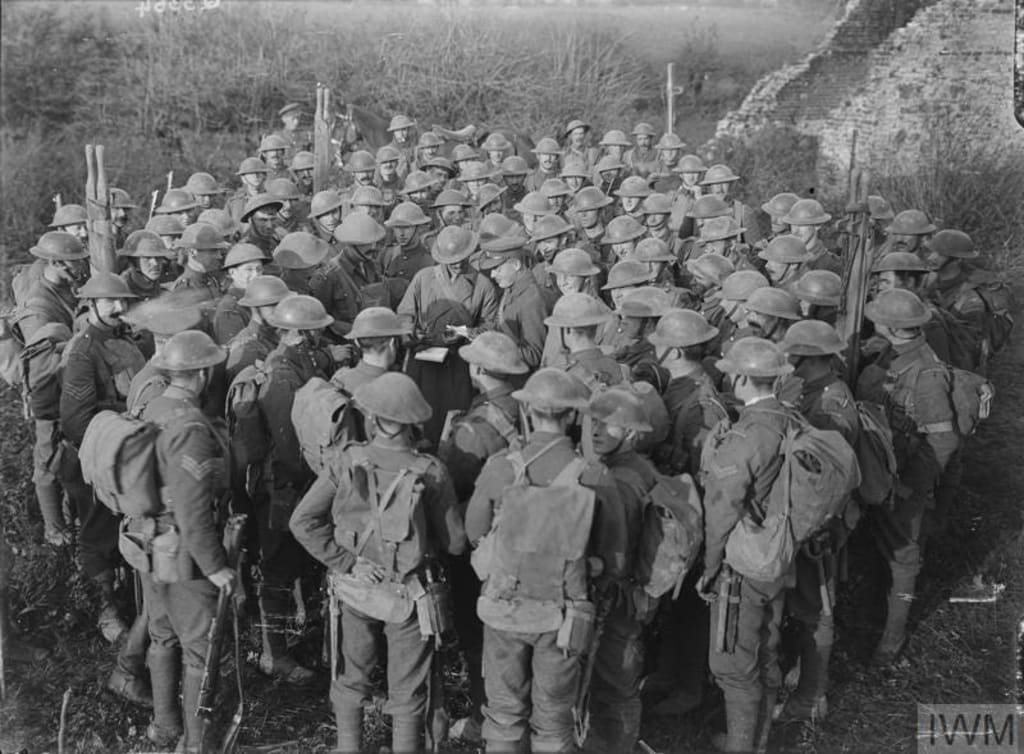
There was no clear winner in World War I until the final year, as the Entente armies of Britain, the USA, and France began to gain military superiority on the Western Front. World War I swung in their favor with the Entente joined by the USA.
In 1917, World War I was undecided. However, Britain's economic blockade was increasingly effective, leaving shortages in Germany. Germany needed to break the Royal Navy blockade. To do so, the Germans developed a new type of naval weapon, namely the U-boat (submarine).
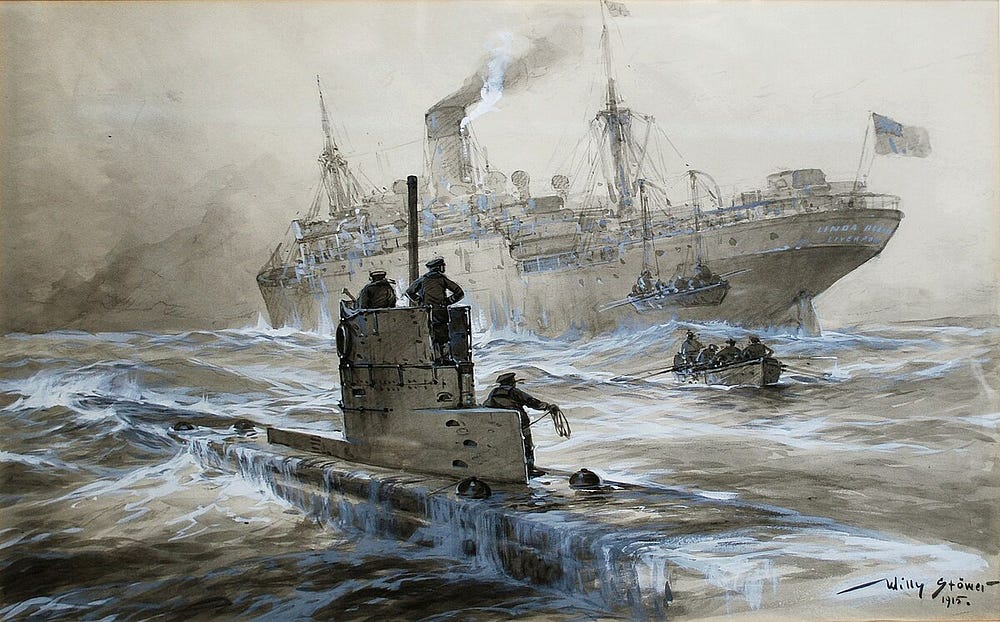
With this, Germany hoped to defeat the Royal Navy. However, submarine warfare had its risks. Most notable was the potential for the USA to join World War I with the Entente. Despite this, the German High Command proceeded with the U-boat campaign, which ultimately did not succeed. The Royal Navy developed convoy tactics, which brought the U-boats into combat with warships.
The Royal Navy's blockade continued. The policy also resulted in the USA declaring war on Germany. By 1918, World War 1 had turned against Germany.
With the Entente set to be reinforced by US troops, the Germans organized one final advance in a bid to break through in Western Europe. This advance did, at first, push the Entente armies back. The Entente halted the advance at the Second Battle of the Marne.
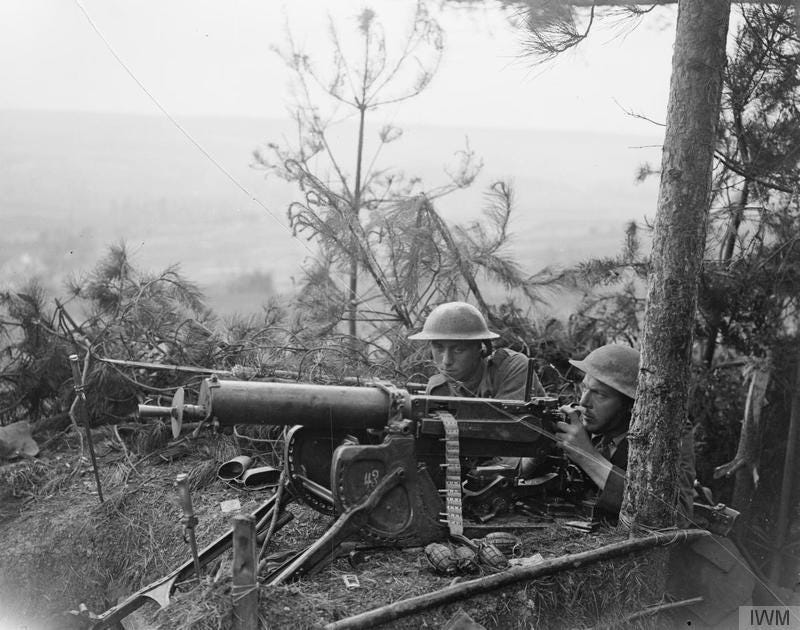
With this victory, the Entente began its offensive. The Hundred Days Offensive saw the Entente decisively defeat the German armies in Western Europe. The BEF overran German lines with the tank, and the German army retreated eastwards towards Germany.
Such defeats led the German High Command to concede that victory could no longer be won in World War I. They began to seek an armistice with the Entente to end World War I. President Wilson made it clear that the Entente peace negotiations required that Wilhelm 2nd abdicate the throne.
Protests in Germany were also emerging. Starting at Kiel, the protesters demanded an end to the war. With such protests, Wilhelm 2nd abdicated the throne, paving the way for a new German government.
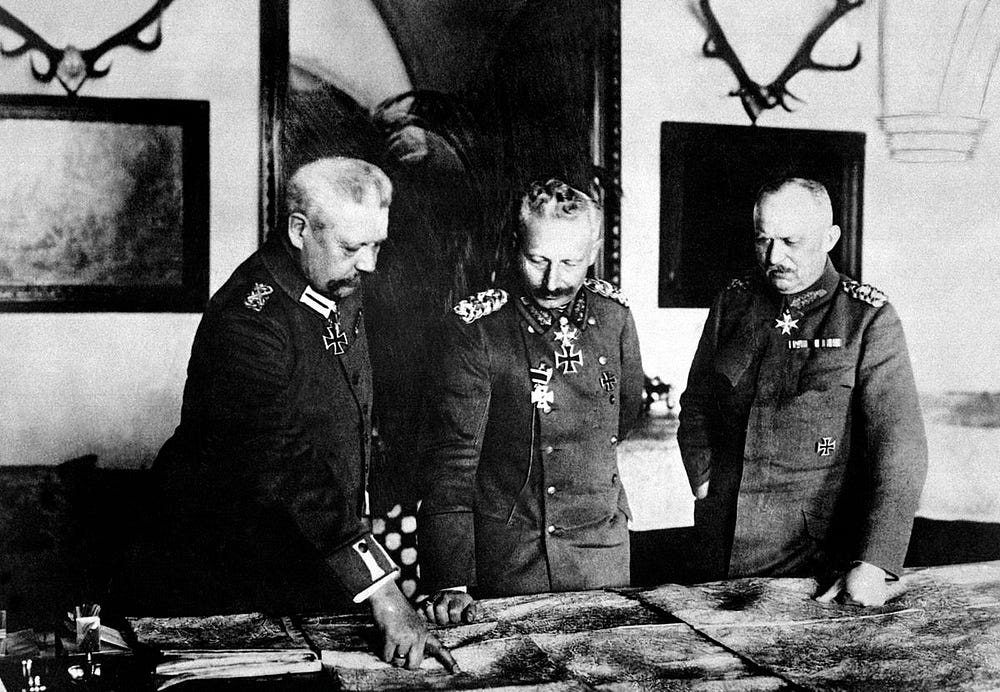
By November 11, 1918, Germany and the Entente agreed to an armistice, and with that, World War I ended. At the end of World War I, the Entente outlined the terms for peace with the Treaty of Versailles, which the Weimar Republic consented to. World War I ended with the demise of the German, Ottoman, and Austro-Hungarian empires.
Why is the End of World War I Significant Today?
The end of World War I is significant today because the British Legion sold poppies for WWI veterans from 1921 onward. That selling of poppies was so popular that the British Legion established a factory to produce them in 1922. Thus, it established what was originally Armistice Day, a regular remembrance of the millions of troops lost in World War I.
When World War II was over, Armistice Day became Remembrance Sunday. That is the Sunday closest to November 11. The 2026 Remembrance Sunday date, commemorated throughout many former Commonwealth countries, is November 8. The National Service of Remembrance is traditionally at the Cenotaph memorial in Whitehall, London. Then, Big Ben chimes at 11 A.M and the U.K. royal family lays wreaths at the memorial alongside politicians.
World War I's November 11 armistice is perhaps the most widely remembered date in 20th-century history. It was an armistice that ended one great tragedy. Yet, the biggest tragedy was that the end of World War I began an interlude for an even worse global war that began in 1939. The post-war Treaty of Versailles settlement infuriated the Germans, along with the French Supreme Allied Commander, Marshall Ferdinand Foch. Ferdinand Foch said: "This is not a peace. It is an armistice for twenty years."
This article of mine was previously submitted to Medium.com, where you can read it here.
Read more of my World War I articles on Vocal:
Britain's Victories and Defeats in World War I
Remembering the Key Political Figures of World War I
Germany's Victories and Defeats in World War I
Remembering the Defeat of Russia in World War I
Timeline of the First World War: From Sarajevo to Versailles
About the Creator
Matthew A
Matthew is the author of Battles of the Pacific War 1941-1945. Battles of the Pacific War is available on Amazon and Lulu in e-book and paperback formats. Check out the book’s blog at battlesofthepacificwar.blogspot.co.uk.
Enjoyed the story? Support the Creator.
Subscribe for free to receive all their stories in your feed.
Comments
There are no comments for this story
Be the first to respond and start the conversation.