
From Greece to Lebanon: The Shock Doctrine at Work
Economic Collapse, Political Power, and the Human Cost of Crisis

Lebanon: A Nation in Crisis
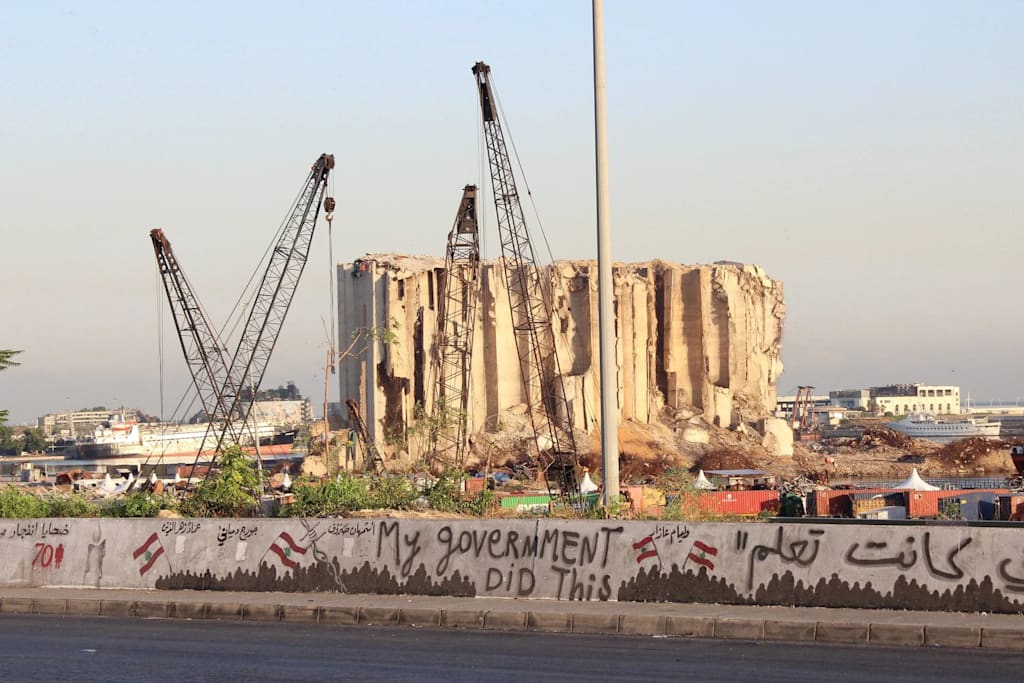
Lebanon, once described as the “Switzerland of the Middle East,” has experienced a succession of crises that have shaken not only its economy but also the relationship between society and the institutions meant to represent it. Since the financial collapse that began in 2019, the Lebanese pound has lost much of its value, access to bank deposits has been severely restricted, and inflation has transformed ordinary necessities into expenses that many families struggle to afford. The World Bank found that poverty had reached 44% in the areas covered by its 2022–23 household assessment, a striking indication of the deterioration in living conditions.
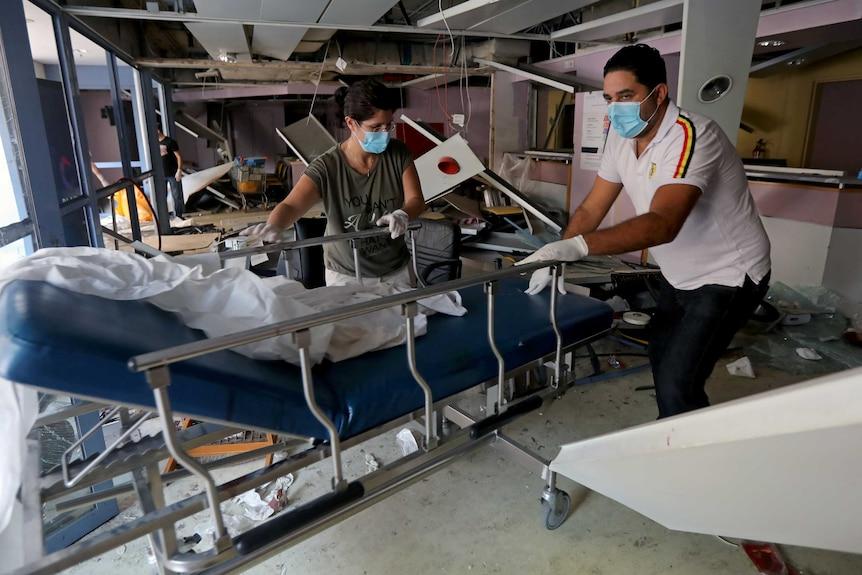
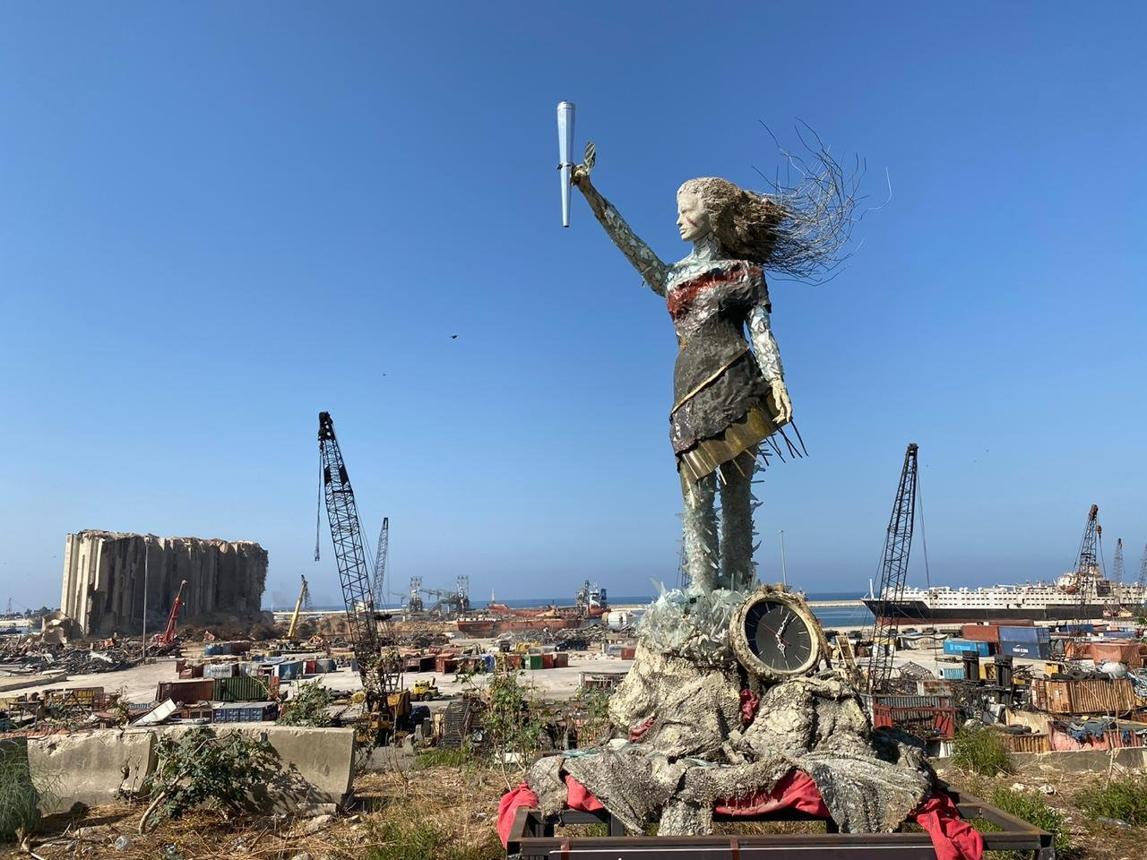
The crisis cannot be explained by one event. Years of financial mismanagement and political paralysis were followed by the COVID-19 pandemic and the explosion at Beirut’s port on 4 August 2020. More recently, renewed armed conflict brought further destruction and displacement. Yet beyond the economic figures, what interests me is the way these crises change the possibilities available to people. When savings disappear, electricity becomes unreliable and professional qualifications no longer guarantee a livelihood, how much freedom remains in decisions that we continue to describe as personal?
Corruption and the Weakening of Public Life
A central part of Lebanon’s crisis concerns the relationship between political authority, banking and private economic interests. For years, public institutions were weakened by mismanagement, patronage and a lack of accountability. In its study The Great Denial, the World Bank described a depression imposed on the population by an elite that had captured the state and its economic resources. This is a particularly serious diagnosis because it suggests that economic failure is inseparable from the political arrangements through which wealth and responsibility are distributed.
The consequences are visible in ordinary life. A family may still possess money in a bank account but be unable to withdraw it freely. A worker may receive a salary whose purchasing power disappears almost as soon as it is paid. Healthcare, education and housing become increasingly difficult to sustain, while the institutions responsible for providing security appear unable to guarantee it. The anger expressed in Lebanon’s protests was therefore not simply a reaction to rising prices. It also concerned the question of who had benefited from the arrangements that preceded the collapse and who would ultimately be expected to pay for their failure.
The Shock Doctrine
In The Shock Doctrine: The Rise of Disaster Capitalism, Naomi Klein investigates a disturbing political possibility: that moments of collective fear and disorientation may be used to introduce economic policies that would encounter much stronger opposition under ordinary circumstances. A war, a financial collapse or a natural disaster can leave a population focused on immediate survival. In such moments, measures presented as the only available solution may reshape the distribution of public resources and private power long after the emergency has passed.
I find this interpretation useful because it asks us to examine a crisis as more than an interruption of economic normality. Who is allowed to define the emergency? Who decides which sacrifices are necessary? And why do certain groups repeatedly discover that their losses are unavoidable, while the protection of other interests is treated as essential to recovery?
This does not mean that every economic reform is necessarily an example of the shock doctrine, or that a crisis must have been deliberately created for powerful interests to benefit from it. Klein’s argument is a critical framework, rather than automatic proof of intent. Its value lies in the questions it raises about consent, vulnerability and the unequal political power of those who must live with decisions made during exceptional circumstances.
The Shock Doctrine in Lebanon
Lebanon provides an unsettling case through which to consider these questions, although its economic history does not fit every element of Klein’s model. Unlike Greece, Lebanon had not implemented an externally financed austerity programme comparable to the Greek bailout agreements. The IMF reached a preliminary staff-level agreement with Lebanon in April 2022, but the financial and institutional reforms needed for a full programme remained contested and incomplete for years. As of September 2026, IMF discussions still centred on bank restructuring, the allocation of financial losses and the protection of depositors.
The crucial question, then, is not whether Lebanon followed exactly the same programme as another country, but how the consequences of its collapse were distributed. Ordinary depositors were unable to access savings on the terms they had expected, while banking losses remained the subject of political disputes. Public services deteriorated, and many households became increasingly dependent on private alternatives. Economic necessity was gradually taking the place of meaningful choice.
Weaponising Crisis for Political Gain
When a society is overwhelmed by economic insecurity, political decisions can begin to appear almost technical, as though the language of budgets and financial stability were independent of human lives. Yet decisions about bank losses, taxation, reconstruction and public spending are also decisions about social power. They determine who bears responsibility for the crisis, who receives protection and whose future is postponed.
This is where Klein’s theory becomes particularly relevant to my understanding of Lebanon. The danger is that the emergency itself may be used to narrow public debate: people are presented with a choice between accepting painful measures or facing an even greater catastrophe. The threat of further collapse becomes part of the political argument for policies whose costs are rarely shared equally. The World Bank’s account of entrenched elite influence gives substance to that concern, even if it cannot establish that every individual policy was part of a coordinated plan.
The Role of Hezbollah
Lebanon’s political difficulties cannot be separated from the position of Hezbollah, an armed movement and political organisation closely aligned with Iran. Its military capabilities operate outside the exclusive control of the Lebanese state, while its participation in government and regional conflicts has complicated questions of sovereignty, security and political accountability. Sanctions imposed by some governments target Hezbollah and associated individuals or networks; they should not, however, be confused with sanctions against the entire Lebanese population or treated as a sufficient explanation for the country’s financial collapse.
Hezbollah is only one part of a much larger and historically entrenched political structure. Lebanon’s sectarian system distributes power among religious communities, and the institutions formed around those divisions can encourage citizens to seek protection through communal networks rather than a state that serves them equally. At the same time, sectarian identity and religious belief should not automatically be confused with extremism. The political problem concerns how identities may be mobilised to preserve authority, especially when economic insecurity makes people more dependent on those who promise protection.
Fundamentalism: A Divisive Distraction?
Economic desperation can create opportunities for movements that offer certainty, belonging and apparently straightforward explanations for complicated social problems. But it would be too simple to argue that poverty inevitably produces fundamentalism, or that the Lebanese crisis can be understood principally through religion. Citizens across religious communities have also organised against corruption and demanded institutions capable of representing them beyond sectarian divisions.
What interests me instead is the relationship between fear and political identity. When people lose confidence in their economic future, the promise of belonging can become especially attractive. An authority that offers protection may also demand loyalty. Under these conditions, political or religious divisions can distract from questions about the distribution of wealth and responsibility, although they may equally coexist with genuine political grievances that deserve to be heard.
Privatisation and the Rise of Inequality
One claim in my original article requires an important distinction. Lebanon’s dependence on private healthcare, education and electricity provision did not simply begin with the 2019 collapse. Private institutions and informal providers had already played a major role for many years. What the crisis exposed was the extraordinary inequality of a system in which access to essential services often depends on the ability to pay.
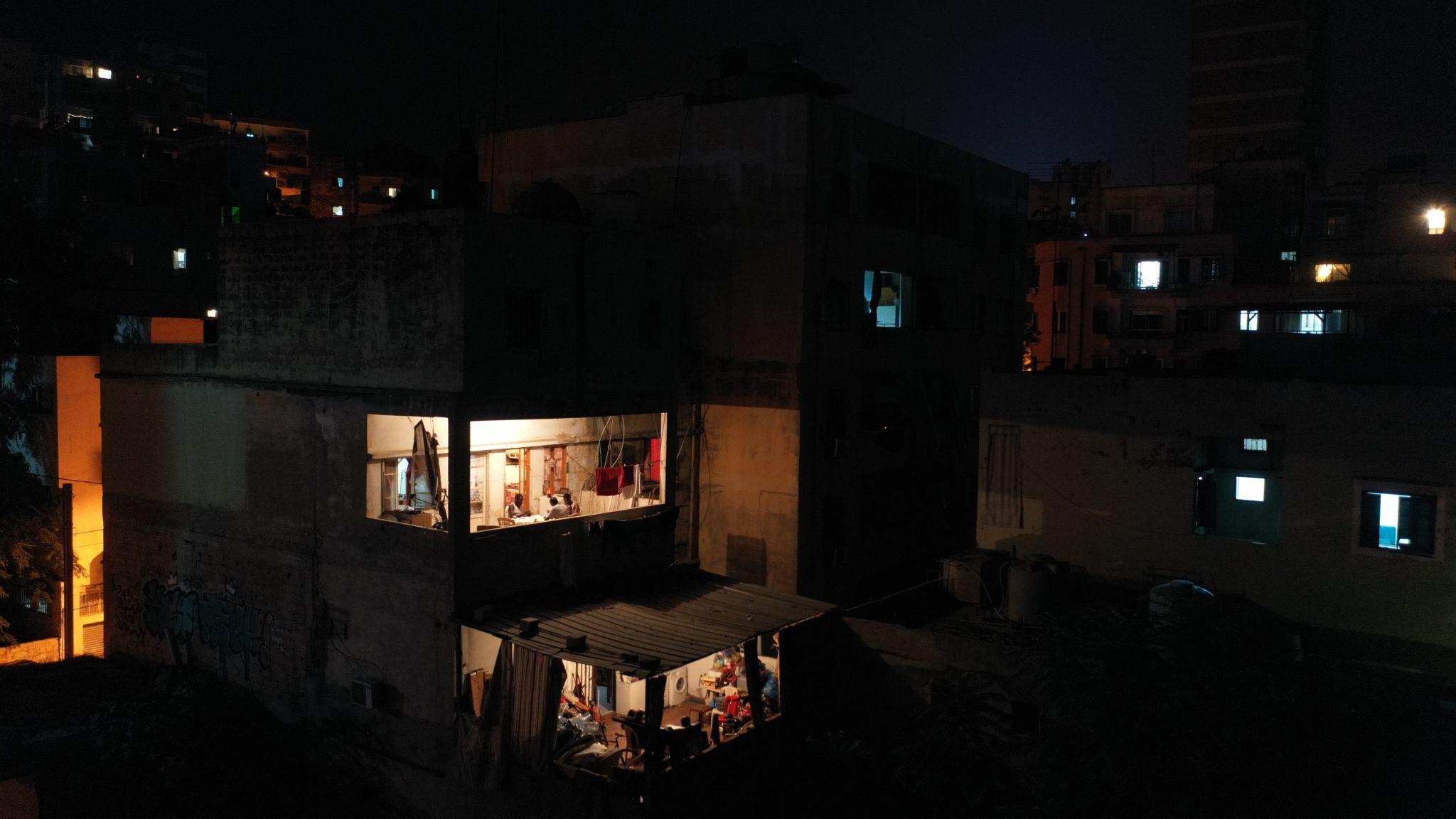
Electricity offers a particularly revealing example. As the state-run supply deteriorated, families who could afford subscriptions to private diesel generators retained some access to power, while others spent long hours without it. Human Rights Watch documented how these costs consumed a much larger proportion of poorer households’ income. A public failure had created a profitable private market, without ensuring that the service became universally accessible.
Does the existence of such a market demonstrate economic efficiency, or does it reveal what happens when basic necessities become commodities whose availability depends on personal wealth? This question reminds me of my earlier writing on the moral logic of capitalism. Economic systems influence not only what people can purchase, but also what society comes to regard as a reasonable expectation, a personal responsibility or an unaffordable privilege.
A lit apartment during a power outage in Beirut. Source: The Century Foundation/Getty Images. Additional illustration; photographer and reuse rights to be checked. Image source.
Emigration and Brain Drain
One of the most lasting consequences of economic collapse is the departure of people who can no longer imagine a sustainable future in their own country. Young graduates, doctors, nurses and other professionals may leave not because they lack attachment to home, but because the conditions required to build a life have become increasingly difficult to find. Lebanon’s healthcare system, already weakened by financial constraints, has suffered from the departure of experienced workers.
The term brain drain describes an economic loss, but it seems to me that it can also conceal a deeply personal experience. A country loses knowledge and labour, while individuals lose proximity to family, language, memory and the ordinary places through which they recognised themselves. The decision to emigrate may offer freedom and opportunity, yet it can also emerge from a situation in which the possibility of staying has gradually disappeared.
Humanitarian Crisis
Economic collapse, the pandemic, the Beirut explosion and subsequent armed conflict have placed extraordinary pressure on Lebanon’s healthcare system and basic infrastructure. The need for humanitarian support is immediate, but the political problem reaches further. Emergency assistance may help people survive; it cannot, by itself, resolve the institutional conditions that made everyday life so vulnerable before the latest disaster occurred.
Greece: A Familiar Example
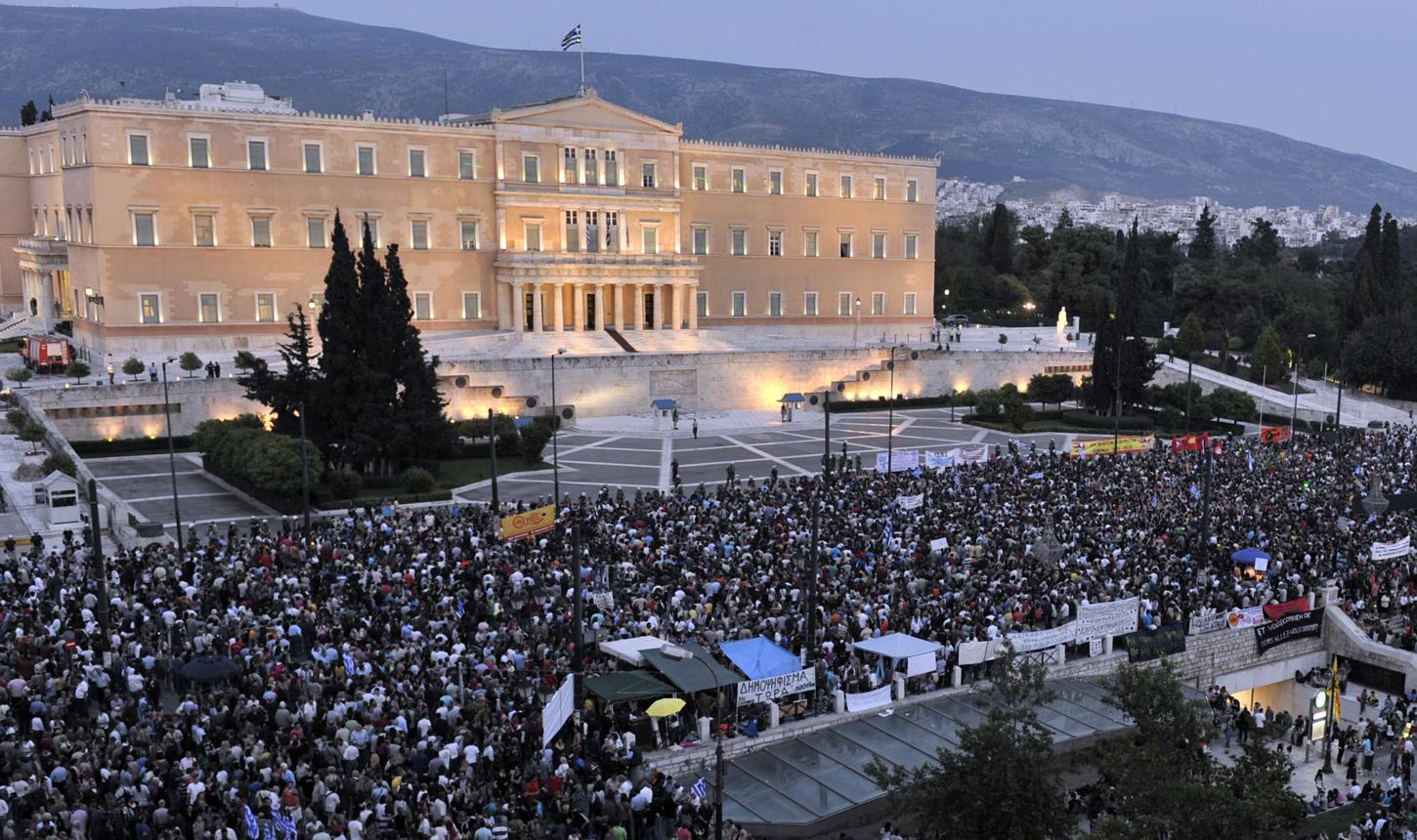
I cannot examine Lebanon’s crisis without thinking about Greece. The Greek financial crisis, which intensified in 2009 and led to the first international rescue programme in 2010, transformed the country’s economic and political life. In return for financial assistance, successive governments adopted fiscal adjustments and structural reforms negotiated with European institutions and the International Monetary Fund. Public spending was reduced, unemployment rose sharply and many households experienced a dramatic fall in living standards. Between 2008 and 2016, Greece lost more than a quarter of its economic output, while hundreds of thousands of people left the country during the crisis years.
Although I rarely interrupt an article to speak directly about my own experience, I cannot avoid doing so here. I was a child of the Greek financial crisis. My teenage years unfolded amid political polarisation, arguments about austerity and uncertainty about what kind of future my generation could expect. Later, I too left Greece in search of professional opportunities. This does not make my experience identical to that of someone leaving Lebanon, but it makes certain aspects of their predicament painfully recognisable.
For those who were young at the time, the crisis was not only a debate about sovereign debt and fiscal targets. It entered family conversations, professional expectations and the way we imagined adulthood. It affected the choices people believed they could make, including the possibility of remaining in the country where they had grown up.
Holding a Mirror
Sometimes comparing Greece and Lebanon feels like holding a mirror between two countries. Both experienced severe economic disruption, a loss of confidence in established political institutions, protests, weakened living standards and the emigration of younger generations. In both, citizens encountered the unsettling idea that sacrifices were necessary to save the economy, even when the social meaning of that rescue remained difficult to understand.
The analogy also raises the question of responsibility. In Greece, bailout financing was conditioned on reforms negotiated with international creditors; domestic governments nevertheless participated in designing and implementing those measures. In Lebanon, the collapse emerged from a different combination of banking practices, political patronage, financial mismanagement and institutional paralysis. Both cases invite a critical examination of who possessed the power to make decisions and who ultimately carried their consequences.
I am also reminded of a contradiction that appears repeatedly in discussions about economic recovery. A government may report improved financial indicators, yet the families whose lives were transformed by the crisis may not recover at the same pace. The figures may change before the expectations, memories and personal losses created during those years begin to fade.
A Fractured Mirror
Yet a mirror can also distort. Greece is a member of the European Union and the euro area, and its financial crisis unfolded within a framework of international lending, monetary constraints and formally negotiated bailout conditions. Lebanon possesses its own currency and a very different political structure, marked by sectarian power-sharing and the long-standing influence of banking and political networks. Its crisis was compounded by the Beirut explosion and successive periods of armed conflict. These differences matter, and they prevent us from treating the two countries as identical examples of the same political strategy.
Even the application of the shock doctrine differs. In Greece, the speed and severity of austerity programmes provide a clearer case for examining how external financial pressure can restrict democratic choice. In Lebanon, the more revealing question may be how entrenched interests, delayed reforms and the weakening of public institutions allow the costs of an economic collapse to be transferred to society. The absence of decisive action can sometimes be as politically consequential as a dramatic policy announcement.
The comparison is therefore not proof that a single doctrine explains both crises. It is an invitation to examine how economic emergencies can narrow the choices available to ordinary people while preserving, or even strengthening, the influence of those who already hold power.
Conclusion
I continue to believe that Naomi Klein’s shock doctrine offers a valuable perspective from which to examine Greece and Lebanon, provided that we distinguish its interpretative power from the evidence required to establish its application in each case. The countries differ in their institutions, histories and economic constraints, but both confront us with a similar philosophical problem: what becomes of political freedom when an emergency reduces the alternatives people are permitted to consider?
Financial crises are often narrated through debt, investment, exchange rates and the promise of recovery. Yet their consequences extend into the most personal dimensions of human life. They influence where we can live, the work we pursue, the security we feel, the relationships we maintain and the future we imagine for ourselves.
Perhaps the question is not simply whether a country can restore economic stability, but what kind of society emerges from the process, who is allowed to participate in shaping it, and which people discover that their lives have already been changed before they were ever asked to agree.
Written and published by Sergios Saropoulos
Sources and Selected Bibliography
Klein, Naomi. The Shock Doctrine: The Rise of Disaster Capitalism (2007). Author’s presentation of the concept and its historical argument. https://naomiklein.org/the-shock-doctrine/
World Bank. Lebanon Economic Monitor: The Great Denial (Fall 2021). Analysis of the financial collapse and elite capture. https://www.worldbank.org/en/country/lebanon/publication/lebanon-economic-monitor-fall-2021-the-great-denial
World Bank. “Lebanon: Poverty More Than Triples over the Last Decade, Reaching 44% under a Protracted Crisis” (23 May 2024). Poverty findings for surveyed governorates. https://www.worldbank.org/en/news/press-release/2024/05/23/lebanon-poverty-more-than-triples-over-the-last-decade-reaching-44-under-a-protracted-crisis
Human Rights Watch. “Cut Off From Life Itself”: Lebanon’s Failure on the Right to Electricity (9 March 2023). Evidence on state provision, private generators and inequality. https://www.hrw.org/report/2023/03/09/cut-life-itself/lebanons-failure-right-electricity
International Monetary Fund. “IMF Reaches Staff-Level Agreement on Economic Policies with Lebanon” (7 April 2022). The proposed programme and its conditions. https://www.imf.org/en/news/articles/2022/04/07/pr22108-imf-reaches-agreement-on-economic-policies-with-lebanon-for-a-four-year-fund-facility
International Monetary Fund. “IMF Staff Concludes Visit to Lebanon” (18 September 2026). Banking restructuring, public finances and social priorities. https://www.imf.org/en/news/articles/2026/09/18/pr26297-lebanon-imf-staff-concludes-visit-to-lebanon
European Commission. Ex-Post Evaluation of the Economic Adjustment Programmes of Greece during 2010–2018 (25 May 2023). Institutional assessment of the adjustment programmes. https://economy-finance.ec.europa.eu/publications/ex-post-evaluation-economic-adjustment-programmes-greece-during-period-2010-2018_en
Bank of Greece. Yannis Stournaras, “The Greek Economy 10 Years after the Crisis and Lessons for the Future” (2019). Economic contraction, unemployment and emigration. https://www.bankofgreece.gr/en/news-and-media/press-office/news-list/news?announcement=9397dd17-e1d1-4afc-afd1-4d1f006936c8
Organisation for Economic Co-operation and Development. Education for a Bright Future in Greece (2018). Context on youth emigration and skilled migration. https://www.oecd.org/en/publications/education-for-a-bright-future-in-greece_9789264298750-en/full-report/component-4.html
World Health Organization. “Lebanon: A Conflict Particularly Destructive to Health Care” (22 November 2024). The impact of renewed conflict on health services. https://www.who.int/news/item/22-11-2024-lebanon--a-conflict-particularly-destructive-to-health-care
World Bank. “Lebanon’s Recovery and Reconstruction Needs Estimated at US$11 Billion” (7 March 2025). Assessment of economic damage and reconstruction needs. https://www.worldbank.org/en/news/press-release/2025/03/07/lebanon-s-recovery-and-reconstruction-needs-estimated-at-us-11-billion
About the Creator
Sergios Saropoulos
As a Philosopher, Writer, Journalist and Educator. I bring a unique perspective to my writing, exploring how philosophical ideas intersect with cultural and social narratives, deepening our understanding of today's world.
Enjoyed the story? Support the Creator.
Subscribe for free to receive all their stories in your feed.
Comments
There are no comments for this story
Be the first to respond and start the conversation.