
Alexander the Great's sexuality
The Truth About Alexander the Great They Never Taught You in School
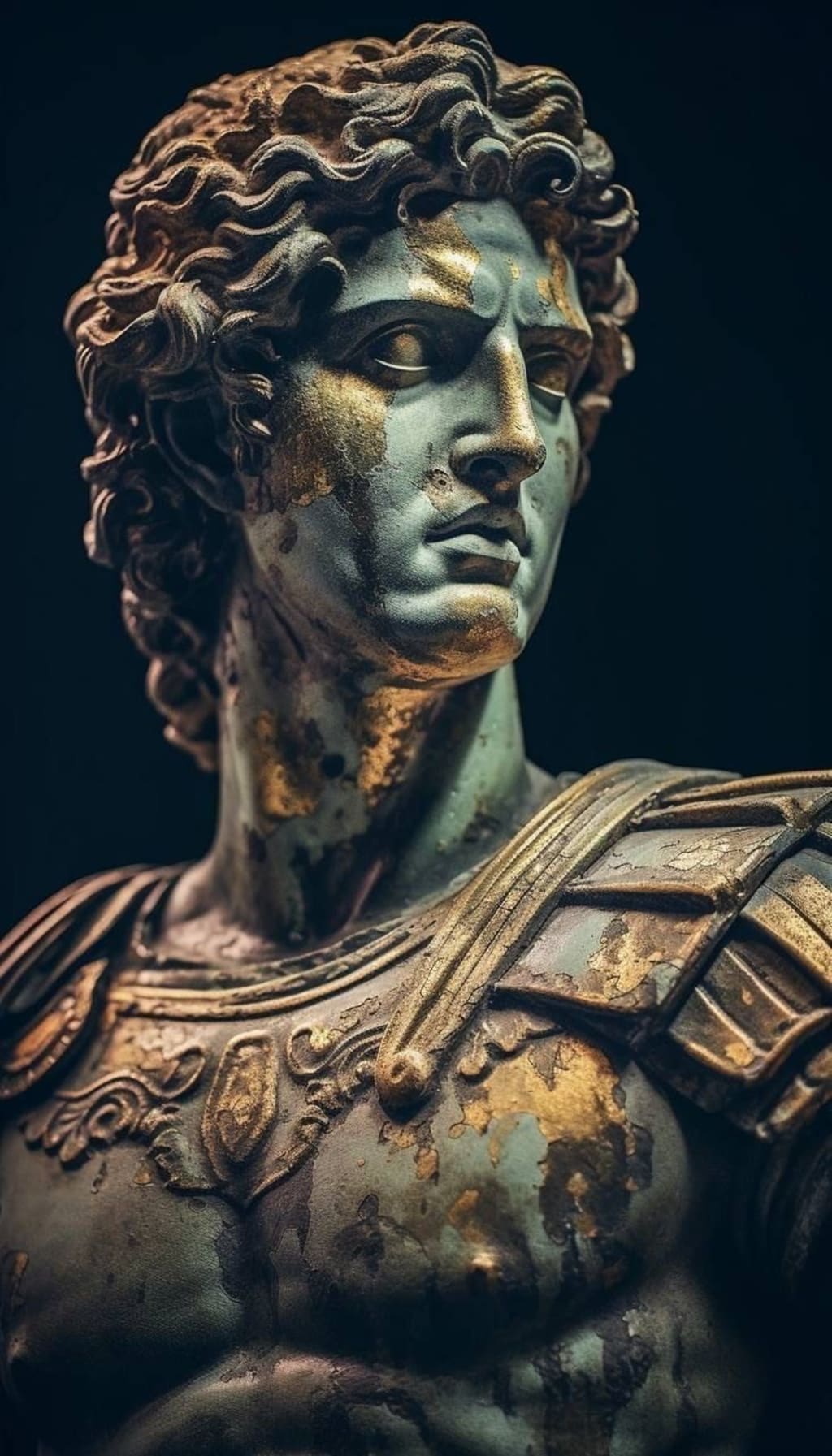
We called him Great.
We built statues of him. Named cities after him — over twenty of them, including one he named after his horse. We made him the subject of Hollywood epics, military textbooks, and philosophy lectures. Alexander of Macedon is perhaps the most celebrated conqueror in human history, a man who by the age of 32 had carved out an empire stretching from Greece to the edges of modern-day India.
And yet, the one conversation the world has never been fully comfortable having about him is the one that might reveal the most about who he actually was.
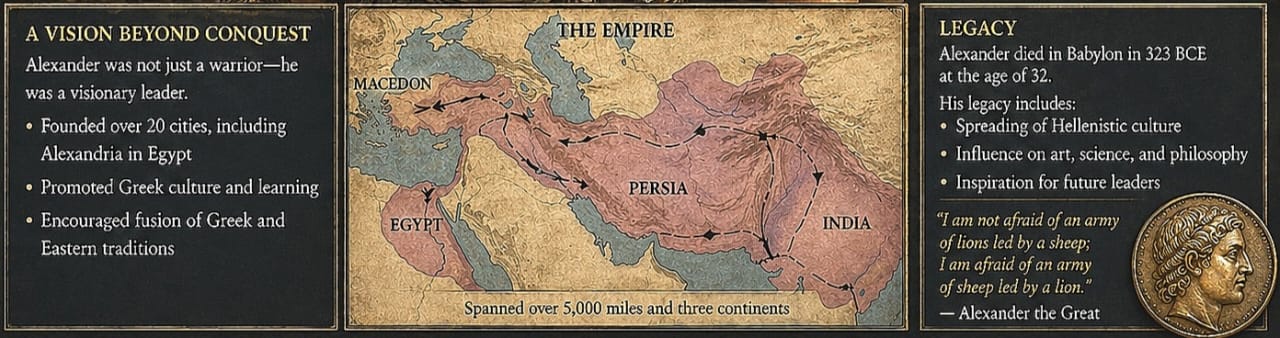
He was born in 356 BC in Pella, Macedonia, the son of King Philip II — a brilliant military strategist — and Olympias, a fierce, religiously intense woman who allegedly slept with snakes and claimed her son was fathered by Zeus himself. From the beginning, Alexander existed at the intersection of myth and reality, and he understood how to use that.
His education was staggering. At 13, his father hired Aristotle — the greatest intellectual mind of the ancient world — as his personal tutor. For three years, Alexander was taught philosophy, science, medicine, and rhetoric by a man whose ideas would shape Western thought for two thousand years. By the time Alexander picked up a sword in earnest, he was already one of the most educated young men alive.
He was also already in love.
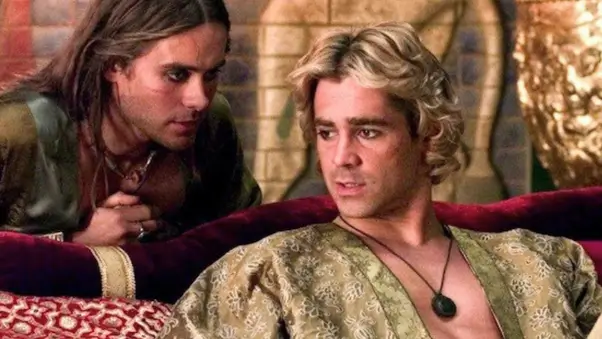
Hephaestion was Alexander's closest companion from childhood. They grew up together, trained together, and when Alexander launched his legendary campaign across Persia, Hephaestion rode beside him — not just as a general, but as something the ancient world understood even if our modern one still stumbles over it.
When they visited Troy together early in the campaign, Alexander laid a wreath on the tomb of Achilles. Hephaestion laid one on the tomb of Patroclus — Achilles' companion, whose relationship with Achilles was, in Greek culture, openly understood as romantic. The parallel was not accidental. Alexander made it deliberately. Publicly.
Ancient sources — Plutarch, Arrian, Diodorus — all describe Hephaestion as the person Alexander loved most in the world. When Hephaestion died of fever in 324 BC, Alexander's grief was so total and so public that it alarmed his generals. He reportedly lay across the body for hours, refusing to move. He ordered the manes and tails of all horses cut as a sign of mourning. He crucified the physician who had failed to save him. He requested that Hephaestion be venerated as a divine hero.
He died himself less than a year later, at 32, having never recovered emotionally from the loss.
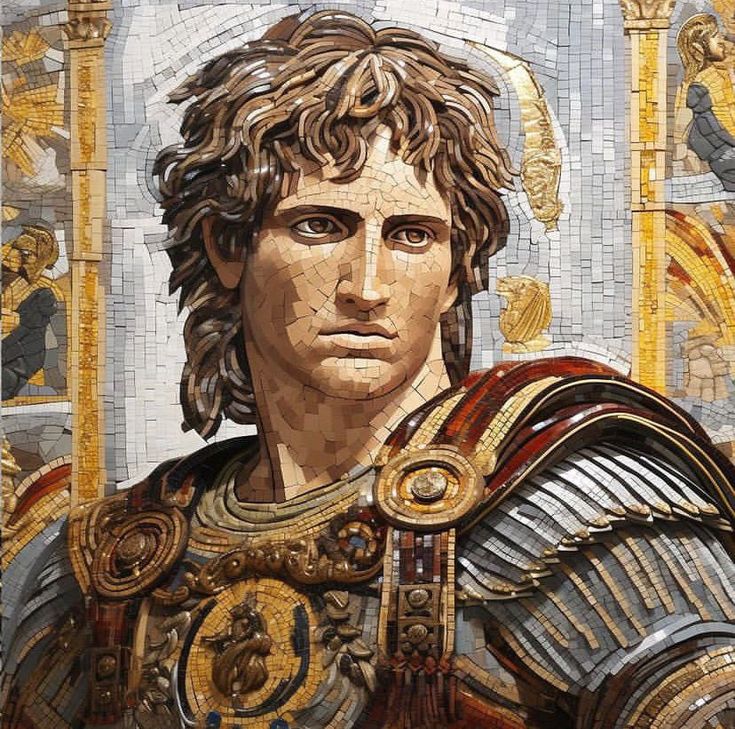
The world has spent centuries debating and deflecting. Hollywood gave us a version of Alexander where his love for Hephaestion was buried beneath subtext. Historians have argued semantics — was it romantic, or merely the intense bonds of ancient brotherhood? But the Greeks themselves had no such confusion. In their cultural framework, what Alexander and Hephaestion shared was neither scandalous nor unusual — it simply was.
What is remarkable is not who Alexander loved. What is remarkable is everything else.
He conquered Persia — the greatest empire the world had seen. He marched his army through deserts, mountains, and foreign climates, winning battles against forces that outnumbered him repeatedly through tactical brilliance rather than brute force. He wept, famously, at the edges of India — not from weakness, but because there was nothing left to conquer and he did not know who he was without the pursuit.
He died in Babylon in 323 BC. Cause of death still disputed. Empire immediately fractured — because he had built it entirely around his singular personality and had named no successor.
He was 32 years old.
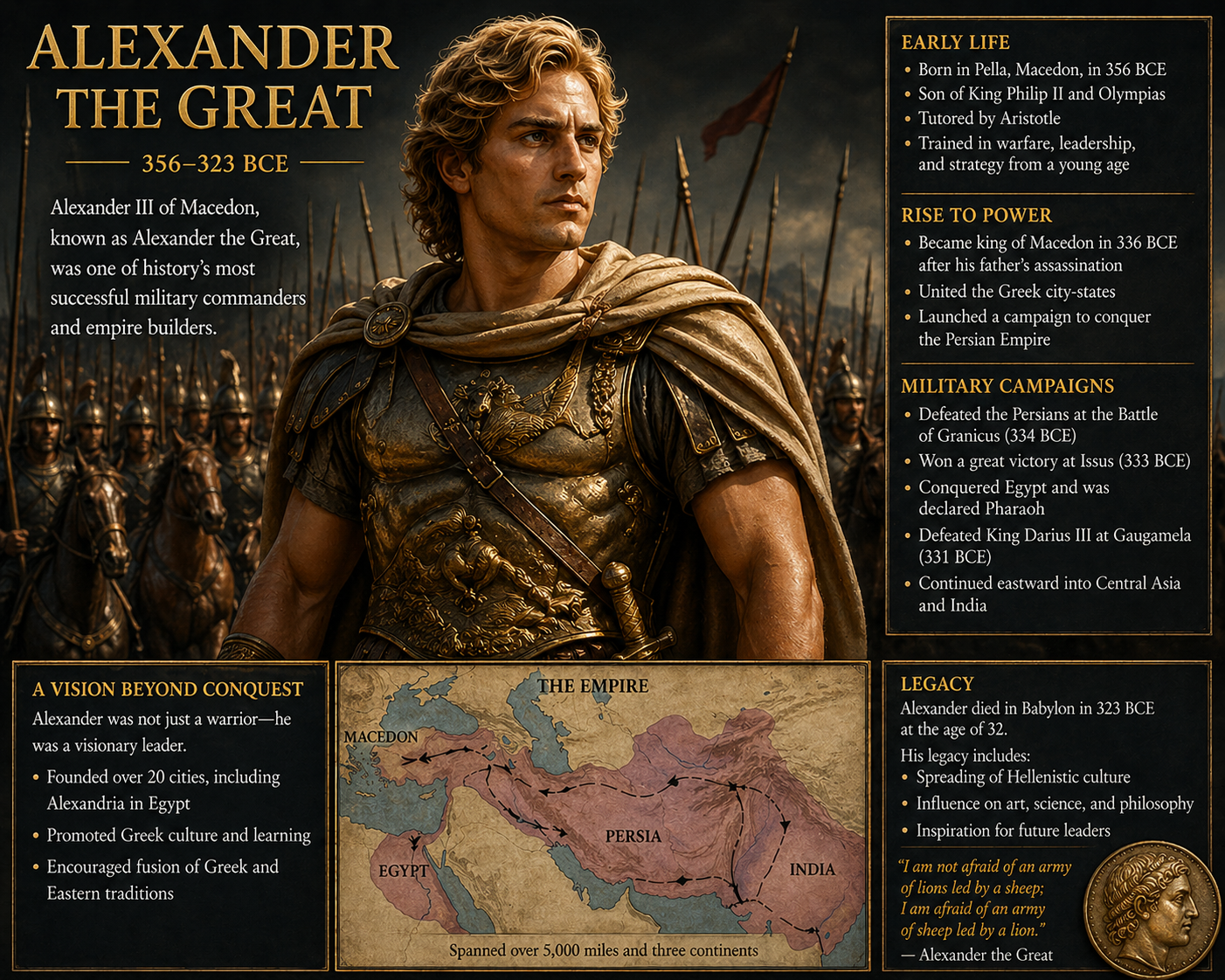
They called him Great because of the territories he seized, the battles he won, the civilizations he connected through his conquests. And those things are real and staggering.
But perhaps the most honest thing about Alexander the Great is also the most human — that behind the armor and the legend was a man who loved deeply, grieved openly, and ultimately could not survive the loss of the one person who made the empire worth having.
History made him a god. He was something rarer than that. He was fully, completely human.
About the Creator
Enjoyed the story? Support the Creator.
Subscribe for free to receive all their stories in your feed.
Comments
There are no comments for this story
Be the first to respond and start the conversation.