
Life on Different Planets
Have you ever wondered if we could evolve to survive on other planets in our Solar system?

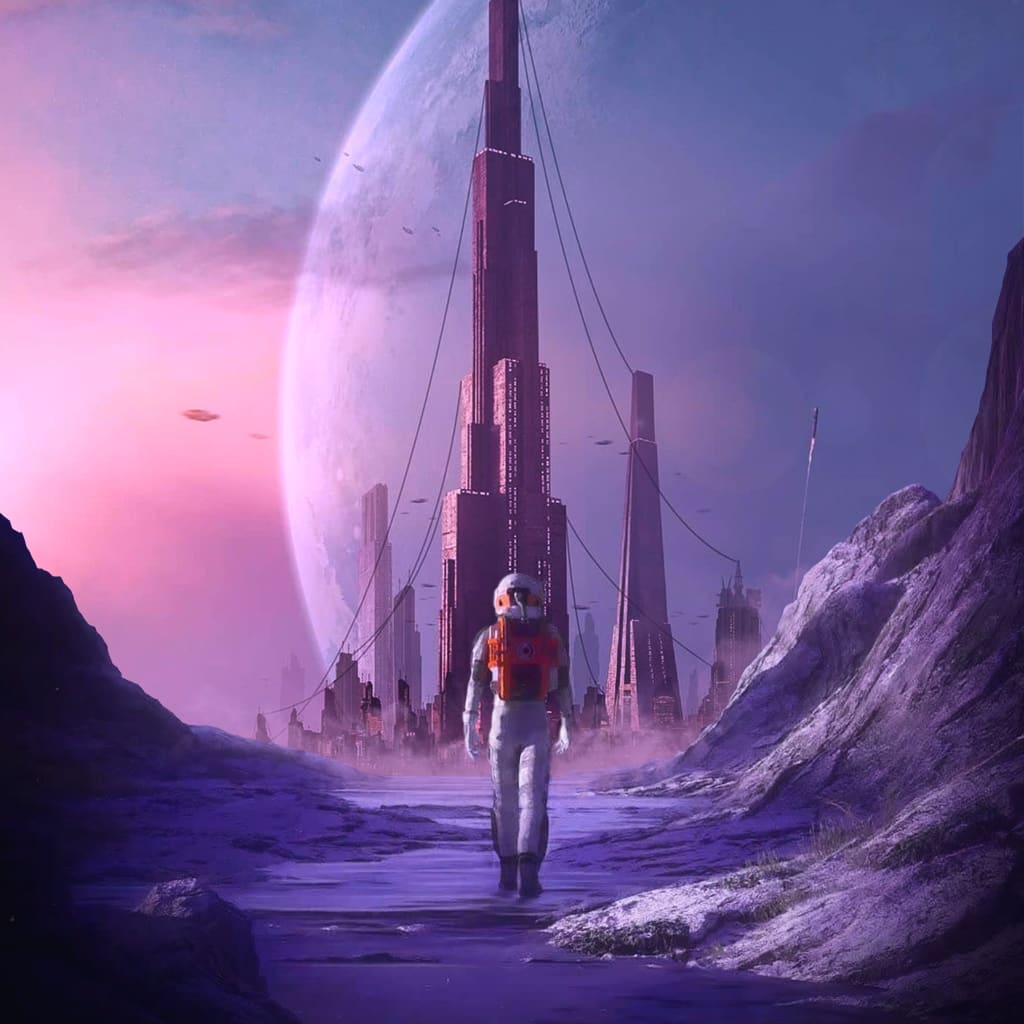
A few days back, I was watching Bright Side’s space-related YouTube videos and I went down a rabbit hole as I found it all to be so fascinating! Let me tell you about one of the videos that made me envy Bright Side’s imagination and creativity. The video was about life on different planets.
No, it’s not what you think. It was about us living on other planets. They came up with how we would evolve over a span of 100 years to be able to live on the other planets in our solar system. So, take off your Skeptical Scarves and Cynical Coats, and let me bring you on this imaginative ride as I show you how we would evolve.
1. Mercury
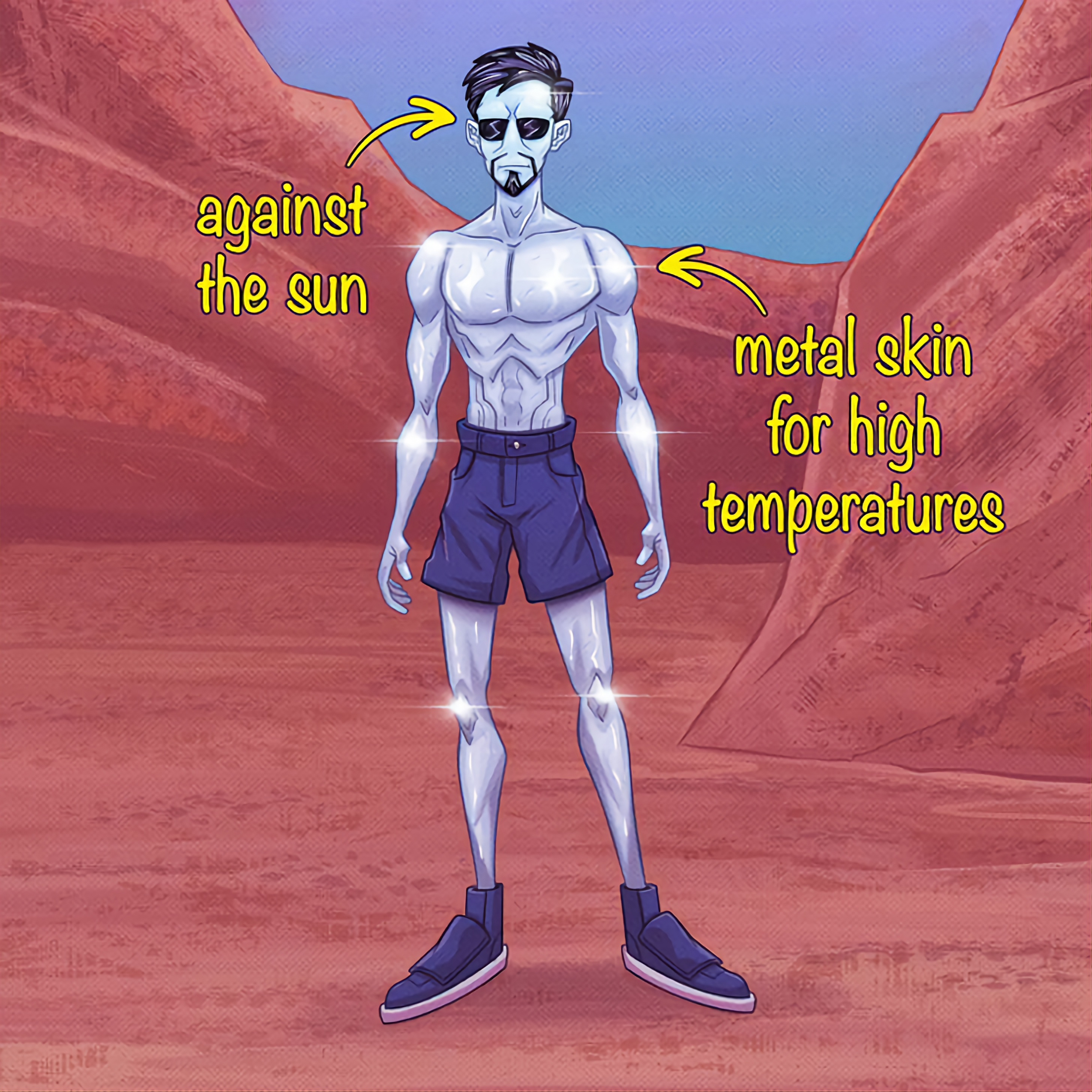
I personally feel that our evolution in Mercury has the coolest look! Mercury is the closest planet to the Sun. It has an average temperature of 800°F (430°C). So, we would be made out of a metal such as titanium, platinum or nickel to withstand this scorching temperature. As there is no air to breathe, we wouldn’t require a respiratory system or a nose on our faces. Instead of eyes, we would have thick sunglasses lenses for protection against the Sun. We would also grow taller because the spaces in between our vertebrae would increase due to Mercury’s low gravity.
2. Venus
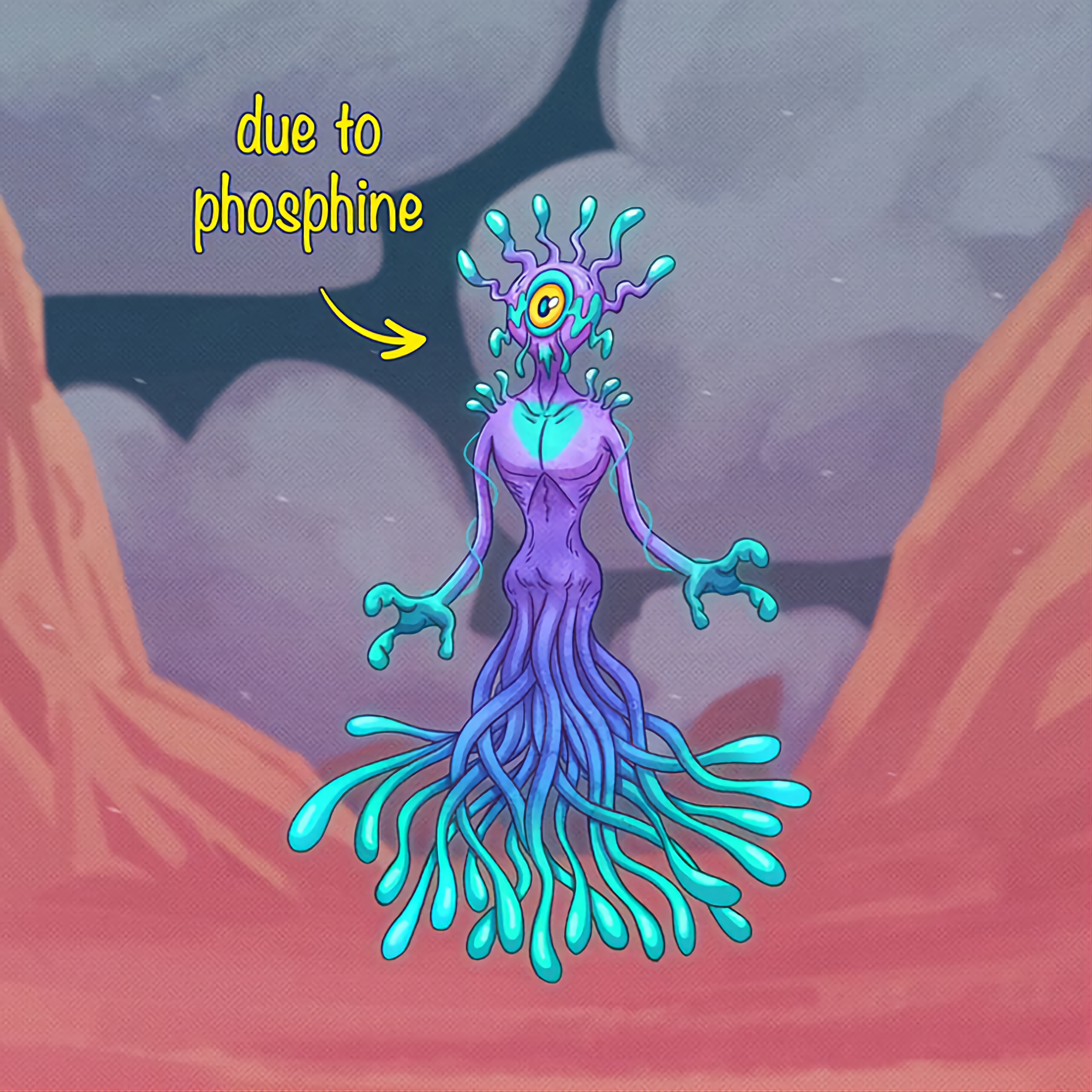
Yes, our evolution on Venus came quite as a shock to me as well. We would actually evolve into microbes or bacteria to survive here. This is because the atmosphere on Venus contains a whole load of carbon dioxide and phosphine. While being toxic to humans, bacteria and microbes thrive in phosphine. Despite Mercury being the closest to the Sun, Venus is the hottest planet with an average temperature of 864°F (462°C). On Earth, there are a few species of microbes that can survive the boiling point of water. Therefore, we would evolve into some kind of mutated microbe or bacteria to be able to breathe in phosphine and withstand the high temperature.
3. Mars
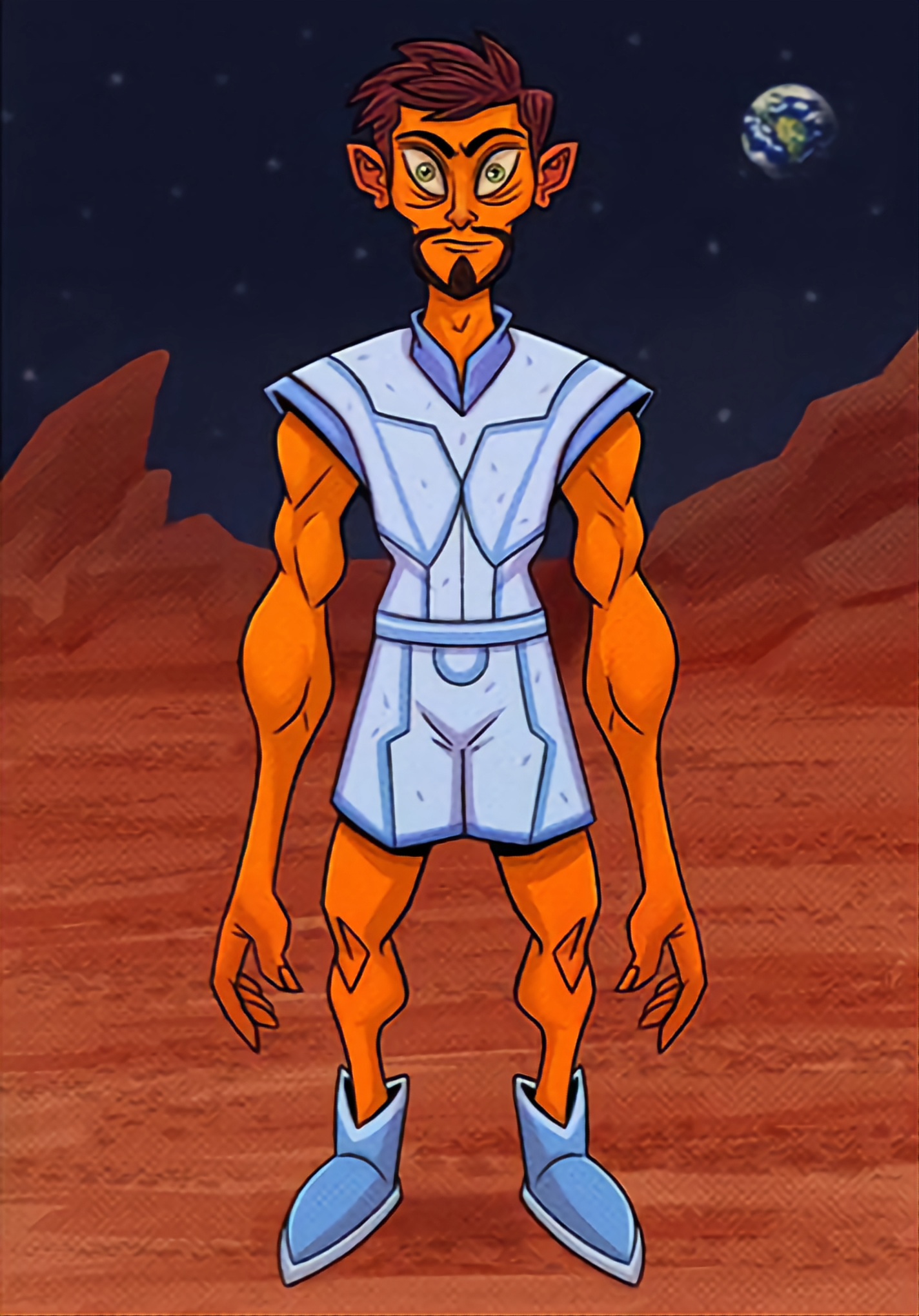
Mars has a lower gravity compared to Earth. Therefore, we would grow taller and have a stronger, muscular body to compensate for the lower gravity. The average temperature of Mars is -80°F (-60°C). Mars has a very thin atmosphere thus it doesn’t have a protective magnetic field. This increases the risk of being exposed to radiation like UV rays. Due to that, our body would need to switch its pigmentation from melanin to carotenoids. We will then have orange skin because carotenoids are the pigments that give oranges, pumpkins and carrots an orange colour.
4. Jupiter
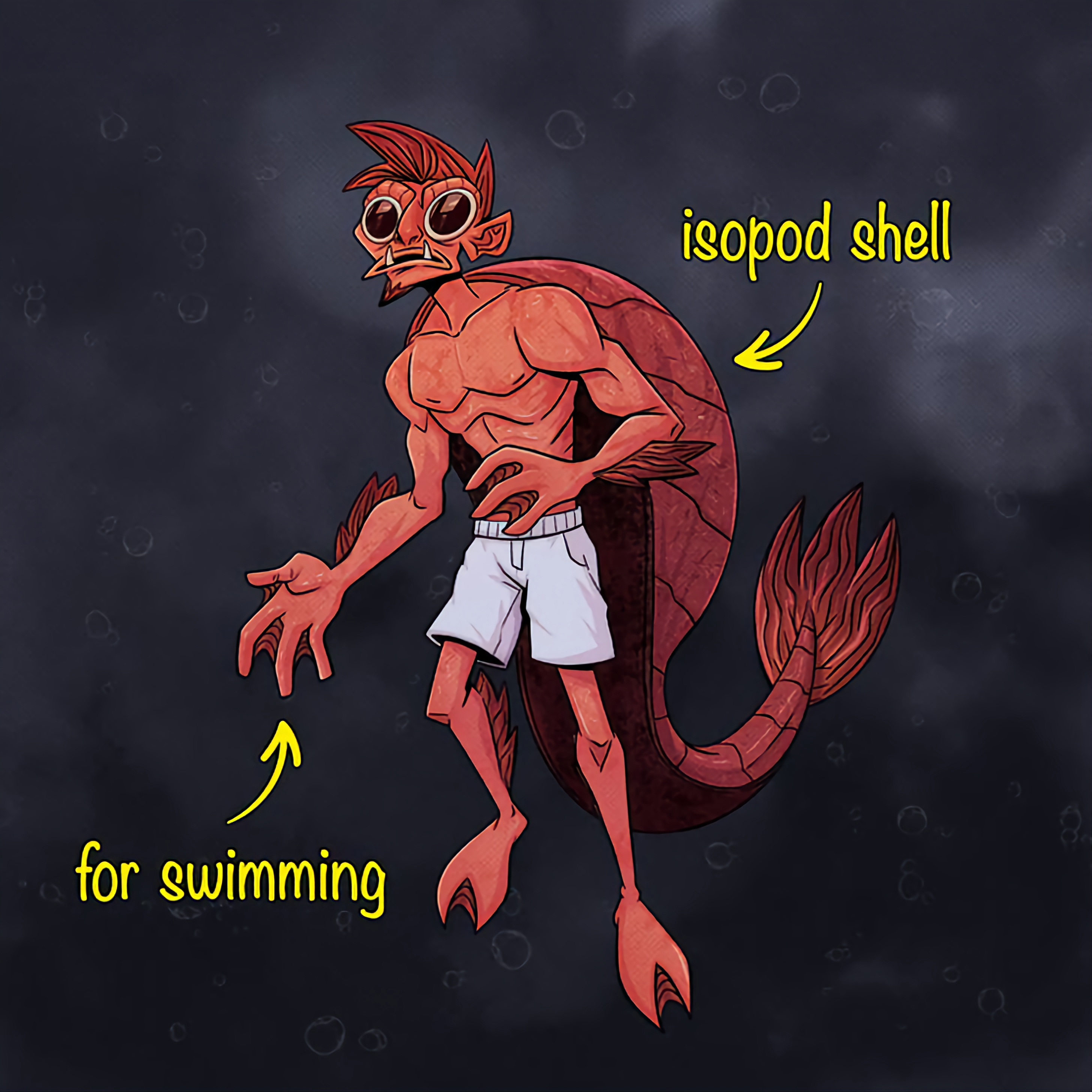
I know, this look is also very cool! Jupiter is a gaseous planet with an average temperature of -234°F (-145°C). However, in its deeper parts, the gas turns into liquid which is an ocean made out of hydrogen. We would look like isopods (an order of crustaceans) to survive in the high pressure, extreme temperatures and liquid environment. Webbed fingers and toes are crucial for swimming. Our isopod shell would also be able to protect us from Jupiter’s radiation.
5. Saturn
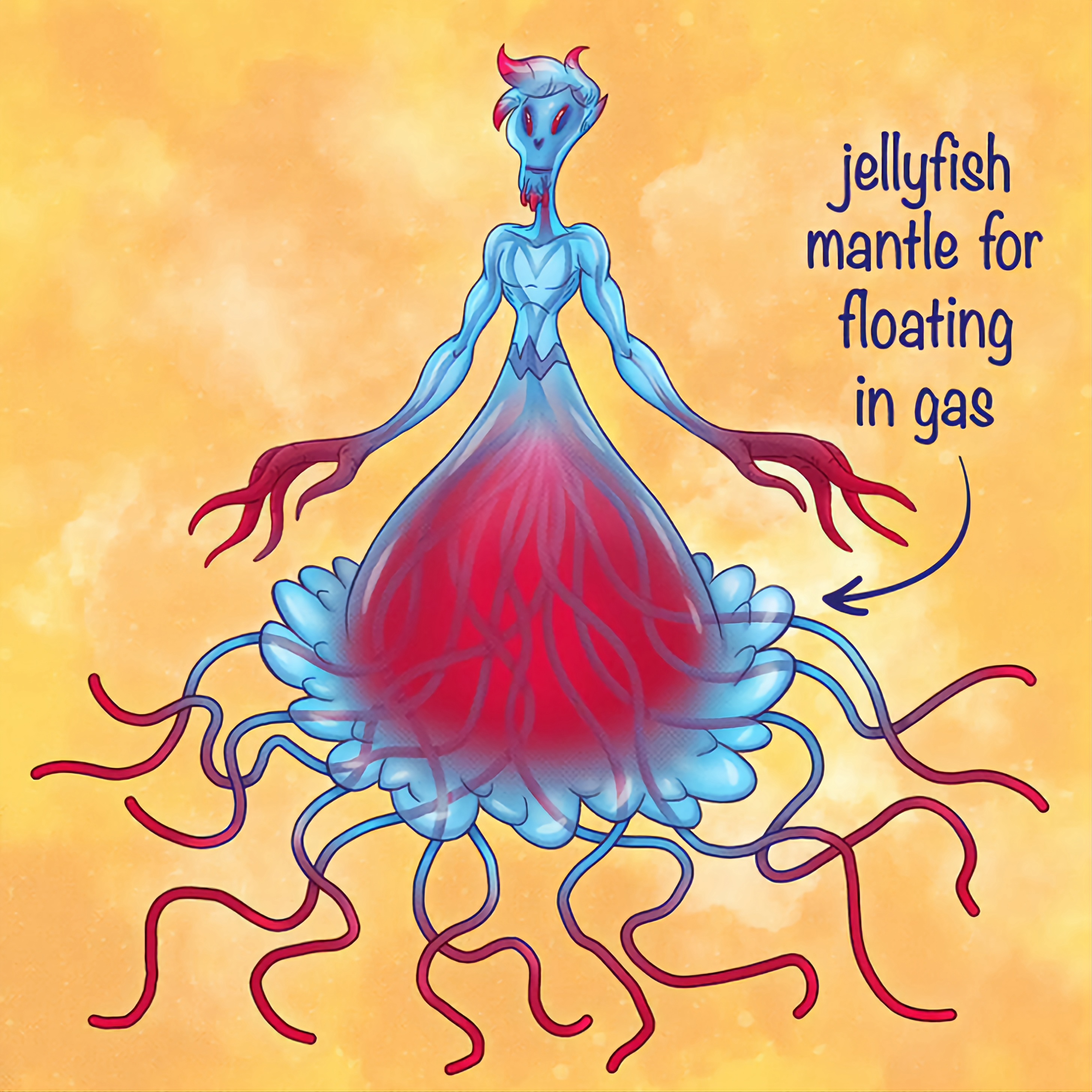
Saturn is also a gaseous planet with an average temperature of -218°F (-138°C). To be able to live here, we would propel ourselves around like a jellyfish. For this, we would have an umbrella-shaped bell. We wouldn’t require a skeleton as it would be crushed by Saturn’s pressure.
6. Uranus and Neptune
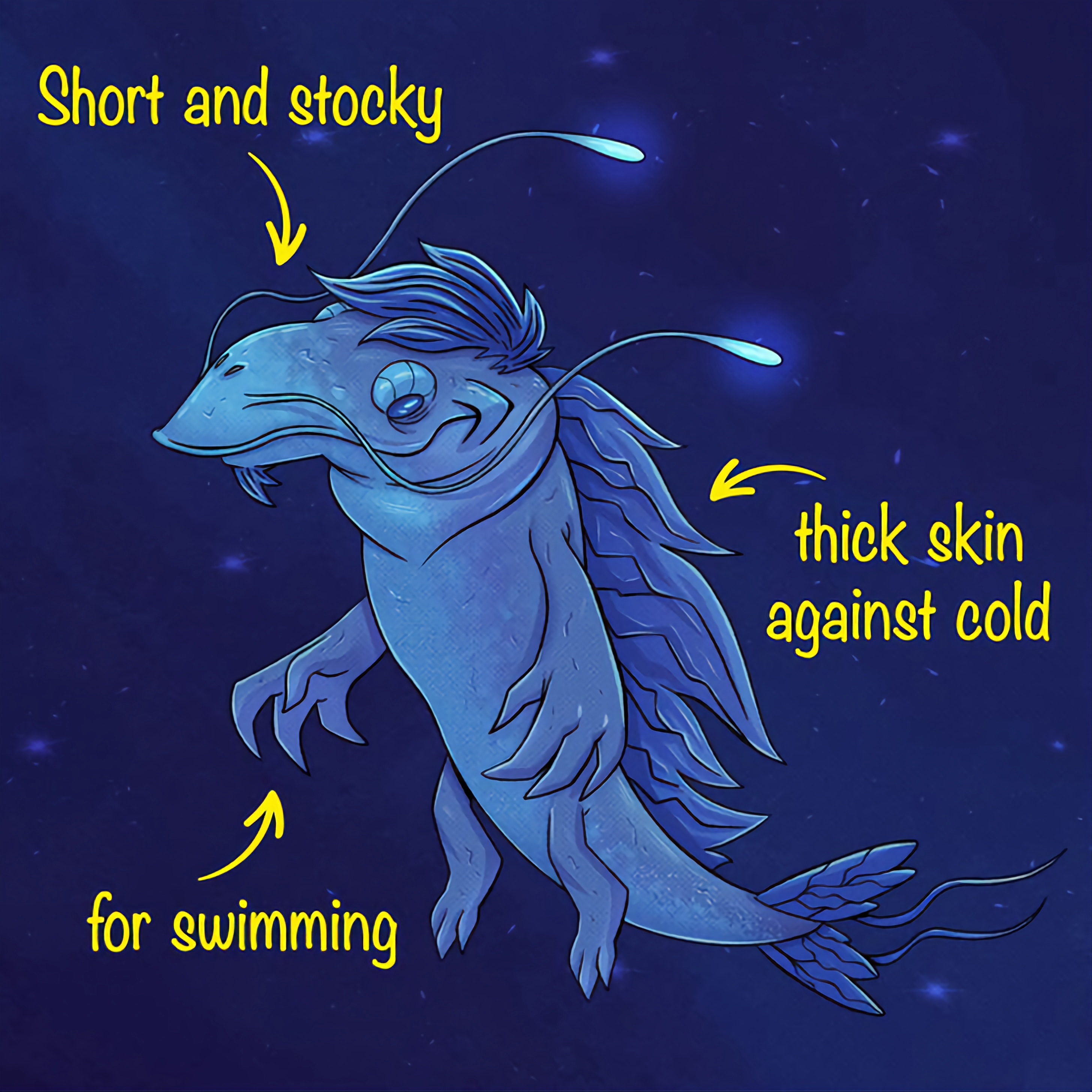
This was what came to my mind when I first saw this picture: A manatee-like space reptile or cosmic fish with esca (the light source of the anglerfish) at the tips of our barbels (whiskers) to be able to see in the dark. Uranus has an average temperature of -374°F (-224°C) whereas Neptune has an average temperature of -353°F (-214°C). Uranus and Neptune are made up mostly of liquids which are methane, water, and ammonia. Being extremely far away from the Sun, it is very cold and dark here. Compared to Earth, the gravity here is stronger. To adapt to the stronger gravity, we would be shorter and stockier. We would also have a muscular body and thick skin to protect us from the cold environment.
7. Pluto
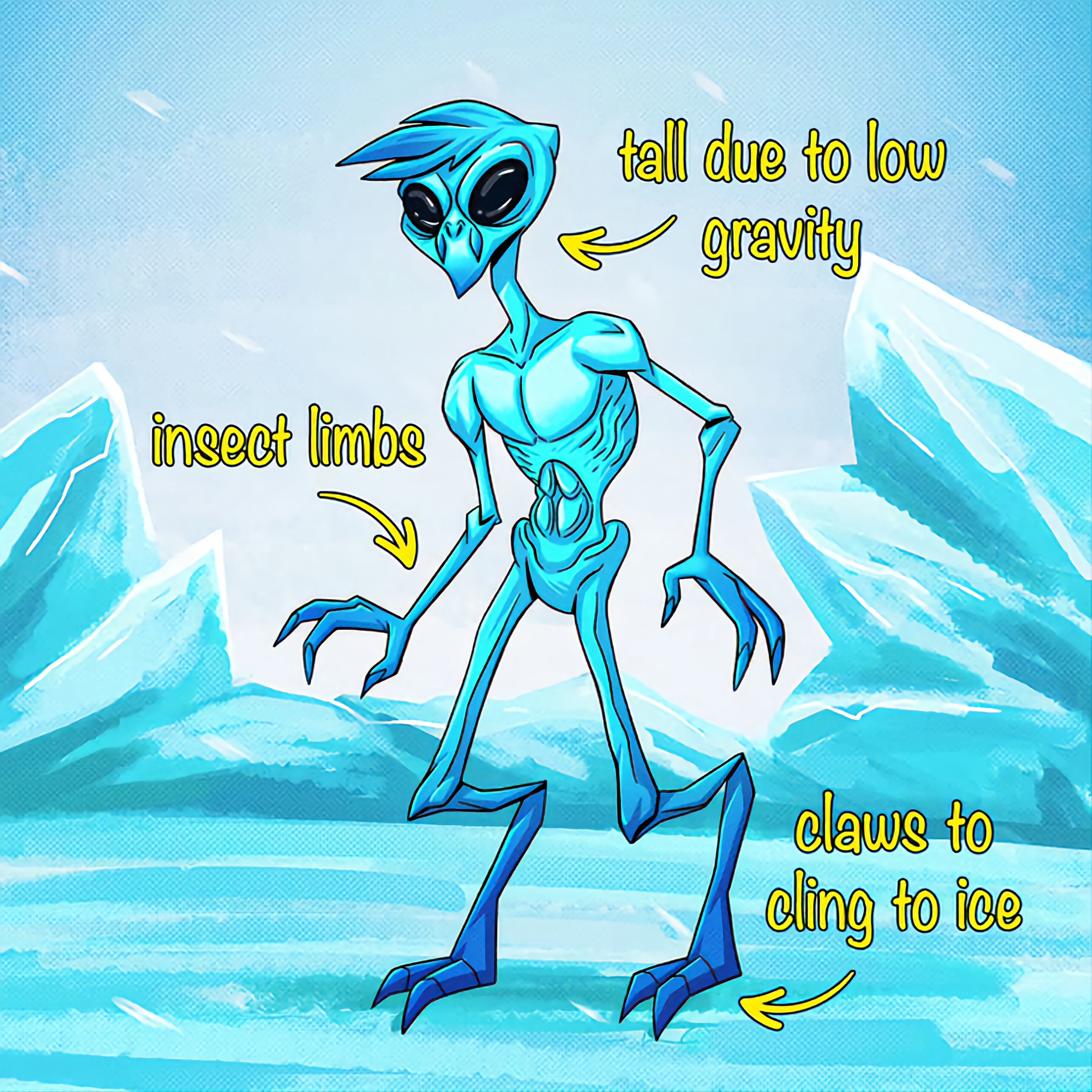
Pluto is a dwarf planet. Yes, it hurts to say that because it was still a planet when I was taught about the solar system in school. Anyway, Pluto is extremely cold being the furthest away from the Sun with an average temperature of -387°F (-232°C). Pluto’s gravity is very low, so, we would grow taller. Our muscles and bones would also shrink causing us to be super thin and we would look like some kind of ice stick insect. We would have natural antifreeze in our blood like Antarctic fish. We would also have claws on our feet to enable us to walk on Pluto’s ice-covered surface without slipping.
___________________________________________
I was inspired by a Youtube video by Bright Side to write this. Click here to watch the video. Thank you so much for reading this! 🥰 If you liked my writing, please leave a comment, click the heart and subscribe for free! You might enjoy this as well:
About the Creator
Dharrsheena Raja Segarran
🥇 Vocal Creator of the Year (2023) 🏆
❤️ Erythrophile ❤️
✨️ Glitteringly Savage ✨️
🖤 Elegantly Disturbed Mind 🖤
Enjoyed the story? Support the Creator.
Subscribe for free to receive all their stories in your feed.
Comments
There are no comments for this story
Be the first to respond and start the conversation.