
Wine Pairing with Takeout for Better Meals
Learn wine pairing with takeout in a simple way. Discover how to match wine with pizza, tacos, and popular dishes for better taste.

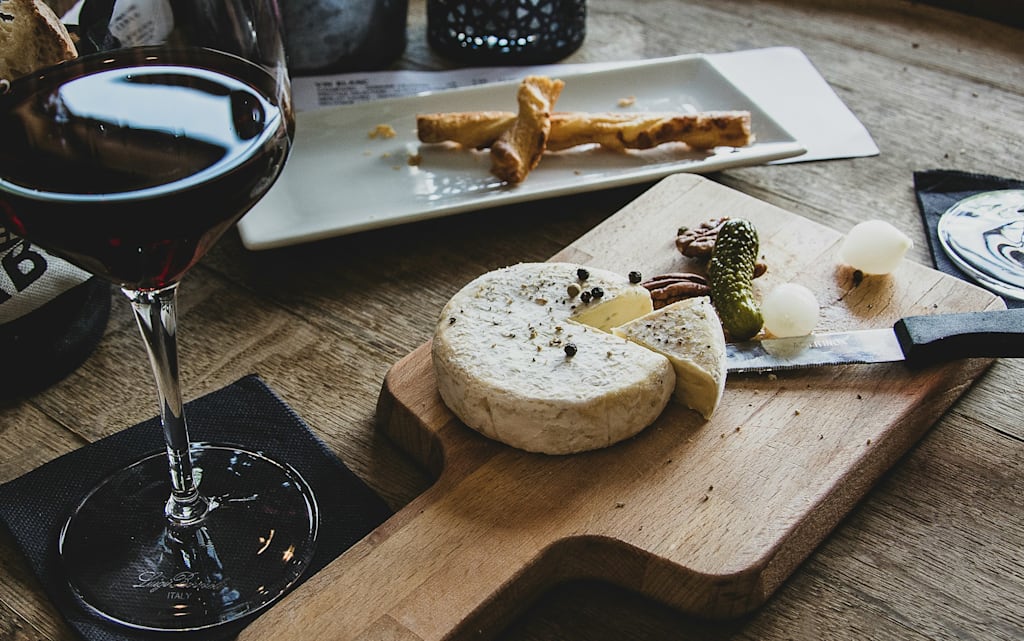
Wine pairing with takeout is an educational approach to improving everyday meals by applying basic wine knowledge to casual foods. While wine pairing is often associated with fine dining, the same principles can be used effectively with takeout dishes such as pizza, tacos, and other popular options. Learning this skill allows you to enhance flavor, balance taste, and create a more enjoyable eating experience.
The foundation of wine pairing with takeout lies in understanding how food and wine interact. Every dish contains elements such as acidity, fat, spice, and texture. Similarly, wine has components like acidity, sweetness, tannins, and body. When these elements are balanced correctly, they complement each other and improve the overall experience.
By studying wine pairing with takeout, individuals can make informed decisions rather than relying on guesswork. This approach transforms simple meals into more refined and satisfying combinations.
To apply wine pairing with takeout effectively, it is important to understand a few core principles. These principles provide a structured way to match wine with different types of food.
One important concept is matching acidity. Foods that contain acidic ingredients, such as tomato-based sauces or citrus elements, pair well with wines that also have noticeable acidity. This prevents the wine from tasting flat and keeps the pairing balanced.
Another principle involves managing spice. Spicy takeout dishes can be challenging to pair, but wines with slight sweetness can help reduce the intensity of heat. This creates a smoother and more pleasant taste experience.
Fat and richness are also important factors. Foods that are heavy or greasy, such as fried items or cheese-based dishes, benefit from wines with good acidity or moderate tannins. These characteristics help cleanse the palate and prevent the meal from feeling overly heavy.
Understanding these principles makes wine pairing with takeout more predictable and easier to apply in everyday situations.
Pizza is one of the most common takeout choices, making it an ideal starting point for learning wine pairing with takeout. Different types of pizza require different wine styles based on their ingredients.
Tomato-based pizzas contain natural acidity, so they pair well with wines that have similar freshness. This helps maintain balance and prevents the flavors from clashing. Wines with bright fruit characteristics are often suitable for this type of pairing.
Cheese-based pizzas, which tend to be rich and creamy, require wines that can cut through the fat. Wines with higher acidity are effective in this case, as they provide contrast and keep the palate refreshed.
For pizzas with meat toppings, such as sausage or cured meats, wines with more structure and body are appropriate. These wines complement the richness of the meat and create a more balanced combination.
By analyzing the main components of the pizza, wine pairing with takeout becomes a straightforward and logical process.
Tacos offer a wide range of flavors, making them an excellent example for practicing wine pairing with takeout. The combination of spices, herbs, and fresh ingredients requires careful selection of wine.
For tacos that include fresh and citrus elements, wines with high acidity are effective. These wines match the brightness of the dish and enhance its freshness. This type of pairing is particularly useful for lighter taco varieties.
Spicy tacos benefit from wines that contain a small amount of sweetness. This helps balance the heat and prevents the wine from intensifying the spice. Choosing wines with moderate alcohol levels can also improve the pairing, as high alcohol can increase the perception of heat.
For tacos with rich or grilled fillings, wines with more body and structure are appropriate. These wines complement the intensity of the flavors and create a more cohesive pairing.
Through these examples, wine pairing with takeout demonstrates how understanding ingredients leads to better wine choices.
Wine pairing with takeout extends beyond pizza and tacos to include a wide variety of global cuisines. Many takeaway dishes feature bold flavors, sauces, and textures that can be enhanced through proper wine selection.
For dishes that combine sweet and savory elements, wines with balanced acidity and slight sweetness can create harmony. These wines adapt well to complex flavor profiles and prevent any single element from dominating.
Fried takeout foods, which are often rich and heavy, pair effectively with wines that have high acidity. The acidity helps cleanse the palate and maintains a balanced tasting experience.
Grilled or smoky dishes benefit from wines with deeper flavor profiles. These wines match the intensity of the food and create a more unified pairing.
By applying consistent principles, wine pairing with takeout can be adapted to a wide range of cuisines and cooking styles.
Improving wine pairing with takeout requires practice and attention to detail. A practical approach is to focus on the dominant characteristic of the dish, such as acidity, spice, or richness, and choose a wine that complements or balances that feature.
Matching the intensity of the wine with the intensity of the food is another effective method. Light dishes pair best with lighter wines, while heavier dishes require wines with more body. This ensures that neither the food nor the wine overpowers the other.
Experimentation is also an important part of learning. Trying different combinations helps develop a better understanding of how flavors interact. Over time, this builds confidence and allows for more accurate pairing decisions.
Keeping notes on successful pairings can also be helpful. This creates a reference for future choices and reinforces learning through experience.
Wine pairing with takeout provides an accessible way to learn about wine without requiring formal training or expensive dining experiences. It introduces key concepts such as acidity, sweetness, and balance in a practical context.
This approach encourages active learning. Instead of simply consuming food and wine, individuals analyze how they interact. This leads to a deeper understanding of both elements and improves overall appreciation.
Wine pairing with takeout is a valuable skill that combines knowledge and practice. It enhances everyday meals, supports informed decision making, and builds a strong foundation in wine education.
About the Creator
Joel Barjenbruch
Sports have framed the seasons of Joel Barjenbruch’s life. Fall Saturdays, summer evenings, Sunday football, and winter basketball have provided more than entertainment.
Portfolio:
Enjoyed the story? Support the Creator.
Subscribe for free to receive all their stories in your feed.
Comments
There are no comments for this story
Be the first to respond and start the conversation.