
What Makes a Great Pizza Starts with the Base
Toppings often take the spotlight on a pizza, but the base is the real key to success
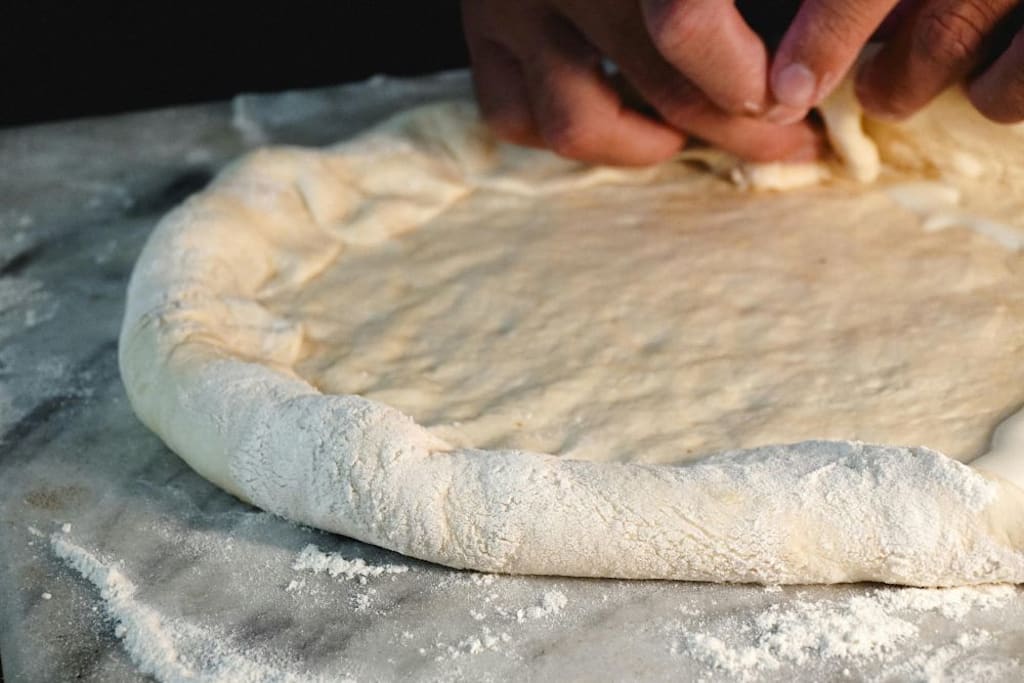
When it comes to pizza, toppings often get the most attention, but the foundation of any great pizza is the base. The texture, flavour, and structure all begin with the dough, shaping the overall experience from the first bite. Whether you’re making pizza at home or ordering from a local favourite, quality pizza bases play a crucial role in delivering a balanced and satisfying result. A well-made base not only supports the toppings but enhances them, creating a better overall flavour and texture.
Why the Base Matters More Than You Think
The base is responsible for more than just holding ingredients together. It affects how the pizza cooks, how the flavours come together, and how enjoyable it is to eat.
It is the vehicle that allows the tasty toppings to shine. The base is the one essential, must-have thing for any pizza to be considered a pizza! There may be pizzas with no sauce, or no cheese, but never without a base.
A base that is too thick can feel heavy, while one that is too thin may lack structure. Achieving the right balance allows the pizza to remain light, crisp, and easy to handle without losing its integrity.
Texture and Cooking Balance
One of the key elements of a good pizza base is texture. Ideally, it should be crisp on the outside while remaining soft and slightly airy on the inside. This balance comes from proper dough preparation and cooking techniques.
The way the base interacts with heat also affects the final result. Even cooking ensures that the base doesn’t become soggy from the toppings or overly dry from excessive heat. Finding the balance is difficult, but essential to producing the proper foundation for any pizza.
Key Factors That Influence Quality
Several factors contribute to the quality of a pizza base, from ingredients to preparation methods. Small differences in these areas can significantly affect the final product.
Some important elements include:
- The type and quality of flour used
- Dough fermentation time
- Water content and consistency
- Cooking temperature and method
Each of these plays a role in creating a base that delivers both flavour and structure that can distingusih and good pizza from a great one.
Supporting the Overall Flavour
A good pizza base should complement the toppings without overpowering them. It provides a subtle flavour that enhances the overall taste of the pizza, rather than competing with it.
When the base is well-balanced, it allows ingredients like sauce, cheese, and toppings to stand out while still contributing to the overall experience. It does not outshine the flavours, but does its job in enhancing the culinary experience with each bite.
Consistency in Every Slice
Consistency is another important factor, especially when ordering or serving pizza regularly. A reliable base ensures that each pizza meets the same standard, providing a predictable and enjoyable experience for the customers every time.
This is particularly important for businesses, where maintaining quality is key to customer satisfaction. A customer will expect the same quality every time, despite the toppings they choose each time they visit.
A Simple Element That Makes a Big Difference
While it may seem simple, the base is one of the most important parts of any pizza. It sets the foundation for everything else and has a direct impact on taste, texture, and overall quality.
By paying attention to what goes into a pizza base, it becomes clearer and easier to understand why some pizzas stand out more than others. A strong foundation truly makes all the difference.
About the Creator
Enjoyed the story? Support the Creator.
Subscribe for free to receive all their stories in your feed.
Comments
There are no comments for this story
Be the first to respond and start the conversation.