

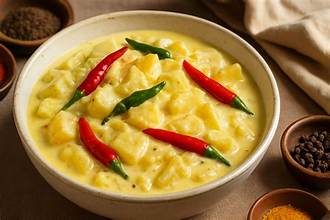
Ema Datshi is the national dish of Bhutan, consisting primarily of chili peppers and cheese. The name translates to "chili cheese" in Dzongkha, the country's official language, and it reflects Bhutan's culinary traditions that emphasize bold flavors and local ingredients.
The dish is prepared with whole or sliced chili peppers simmered with melted farmer's cheese, creating a thick, soupy stew.
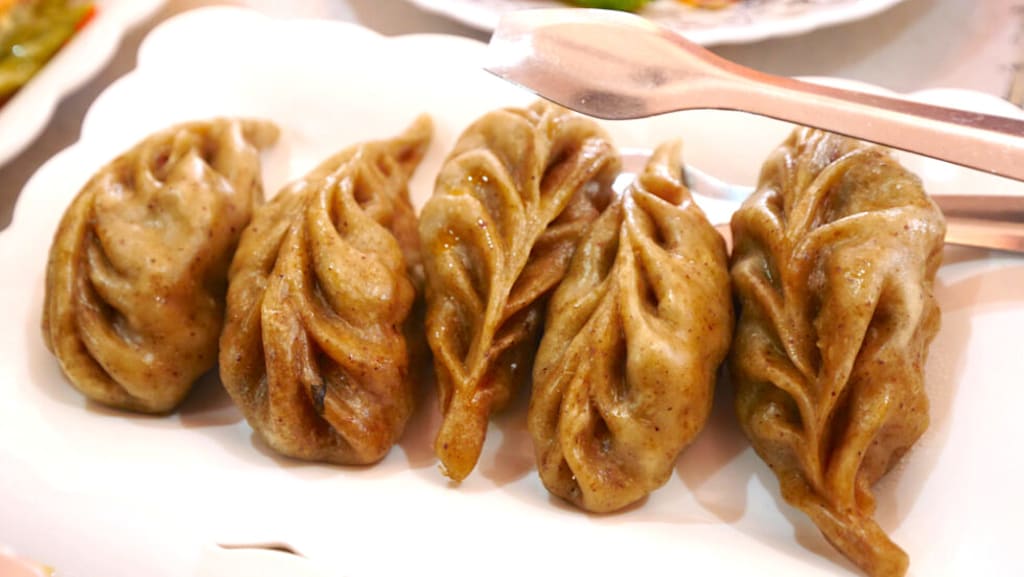
Hoentoe is a traditional Bhutanese dish originating from the Haa Valley, consisting of buckwheat dumplings filled with ingredients like dried spinach, cottage cheese, and spices. It is often served with a spicy chili dip or tomato-based sauce, making it a popular delicacy in Bhutanese cuisine. The dumplings are typically filled with dried spinach, cottage cheese, butter, perilla seeds, ginger, and garlic. Hoentoe is commonly served with a spicy chili dip or a tomato-based sauce.
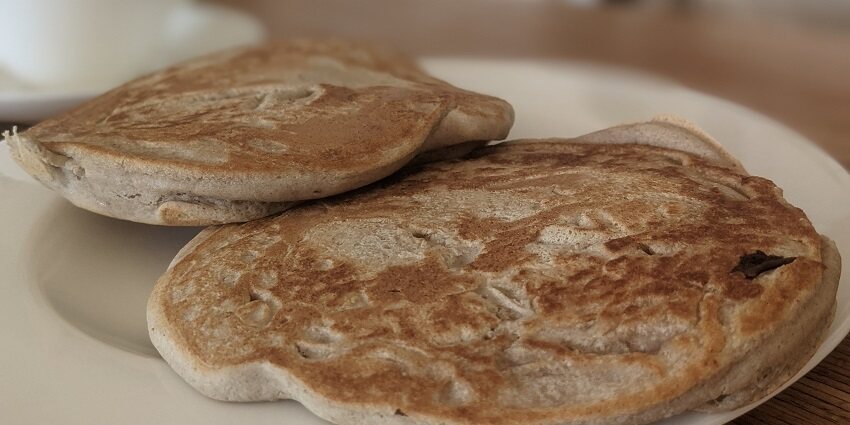
Jaju, a traditional Bhutanese dish, refers to buckwheat pancakes that are nutritious and often enjoyed as a snack or breakfast. These pancakes highlight Bhutan's culinary heritage, showcasing the use of local ingredients like buckwheat, which is naturally gluten-free and quick to prepare. Made primarily from roasted buckwheat flour, these pancakes are both nutritious and gluten-free. They are typically served with butter or honey, enhancing their flavor and appeal.
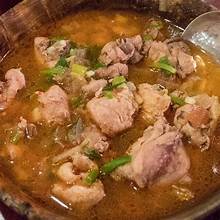
Jasha Maroo is a traditional Bhutanese chicken stew known for its comforting warmth and flavorful broth made from tomatoes, onions, and spices. This dish is often served with Bhutanese red rice and is a staple in Bhutanese households, reflecting the country's culinary heritage.
The stew is made with tender chicken simmered with onions, tomatoes, ginger, garlic, and chilies, creating a rich and aromatic flavor.
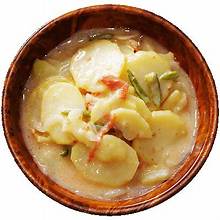
Kewa Datshi is a traditional Bhutanese dish made primarily from potatoes and cheese, often spiced with green chilies. It is a staple in Bhutanese cuisine, celebrated for its rich flavors and comforting qualities. It consists of potatoes, crumbled Bhutanese cheese (Datshi), and green chilies, creating a hearty stew. The dish is typically cooked until the potatoes are tender and the cheese melts into a creamy sauce.
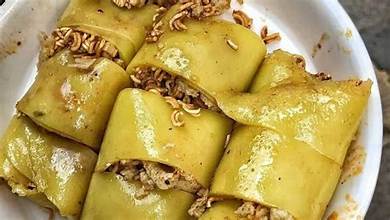
Laphing, also known as Laping, is a popular cold noodle dish in Bhutanese and Tibetan cuisine, made primarily from mung bean starch. It is characterized by its slippery texture and is typically served with spicy sauces, making it a favored street food in the region. It is often garnished with chili oil, soy sauce, and vinegar, enhancing its spicy and tangy flavor profile.
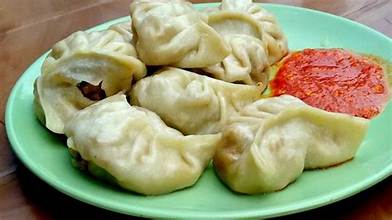
Momos are popular filled dumplings in Bhutan, deeply rooted in the country's culinary traditions. They can be made with various fillings, including vegetables, beef, or chicken, and are enjoyed as snacks or main courses across the nation. They can be filled with a range of ingredients, such as vegetables, chicken, or beef, making them versatile. Traditionally steamed, momos can also be deep-fried or served in soup, often accompanied by chili garlic sauce.
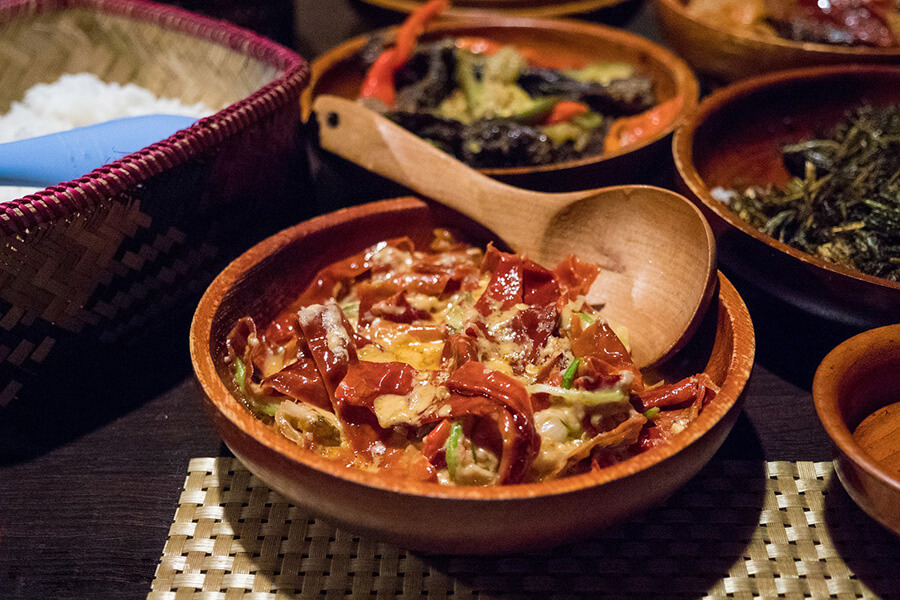
Phaksha Paa is a popular Bhutanese dish made with strips of pork, typically rich in fat, cooked with whole dried red chili peppers, radish, and various greens. This dish is celebrated for its bold flavors and is a staple in Bhutanese cuisine, often enjoyed with rice. The use of dried red chilies gives the dish its characteristic heat, making it a favorite among spice lovers.
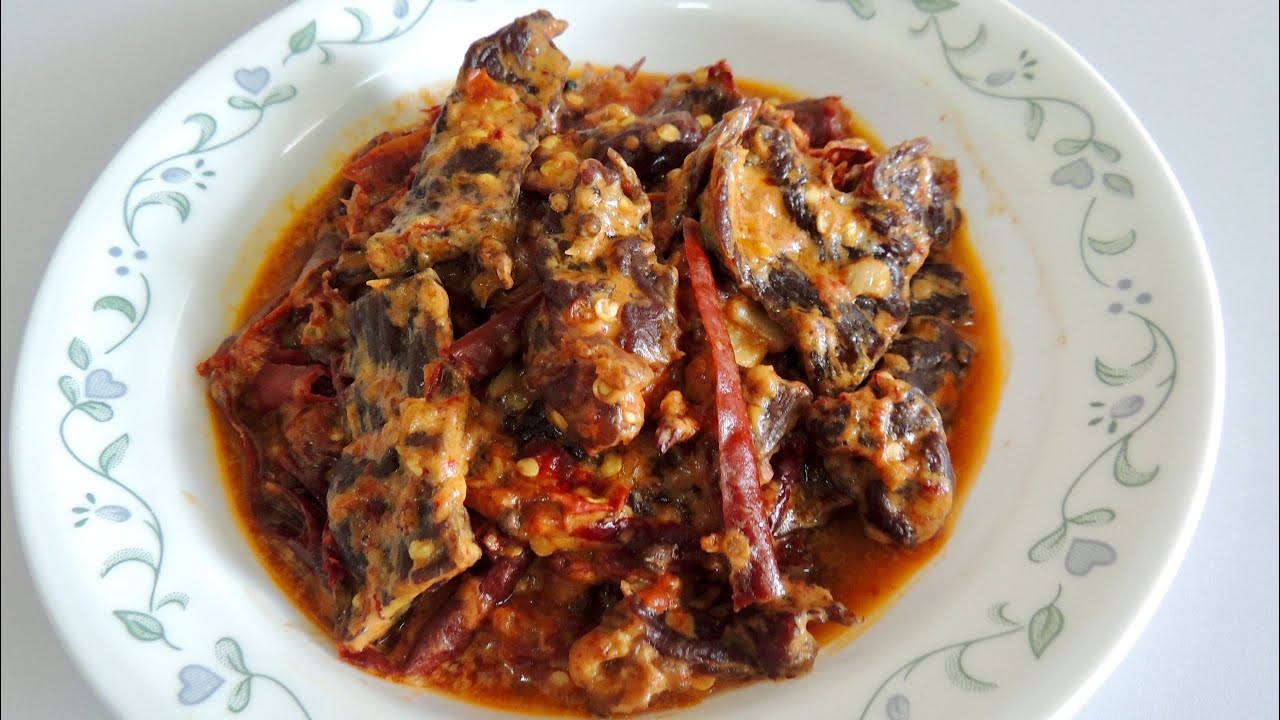
Shakam Datshi is a traditional Bhutanese dish made with sun-dried beef, spicy red chilies, and cheese, creating a rich and flavorful stew. It is often served with red rice and is a staple in Bhutanese cuisine, reflecting the country's culinary heritage. Typically served as a main course, it is accompanied by red rice and can be complemented with side dishes like buckwheat pancakes or salads.
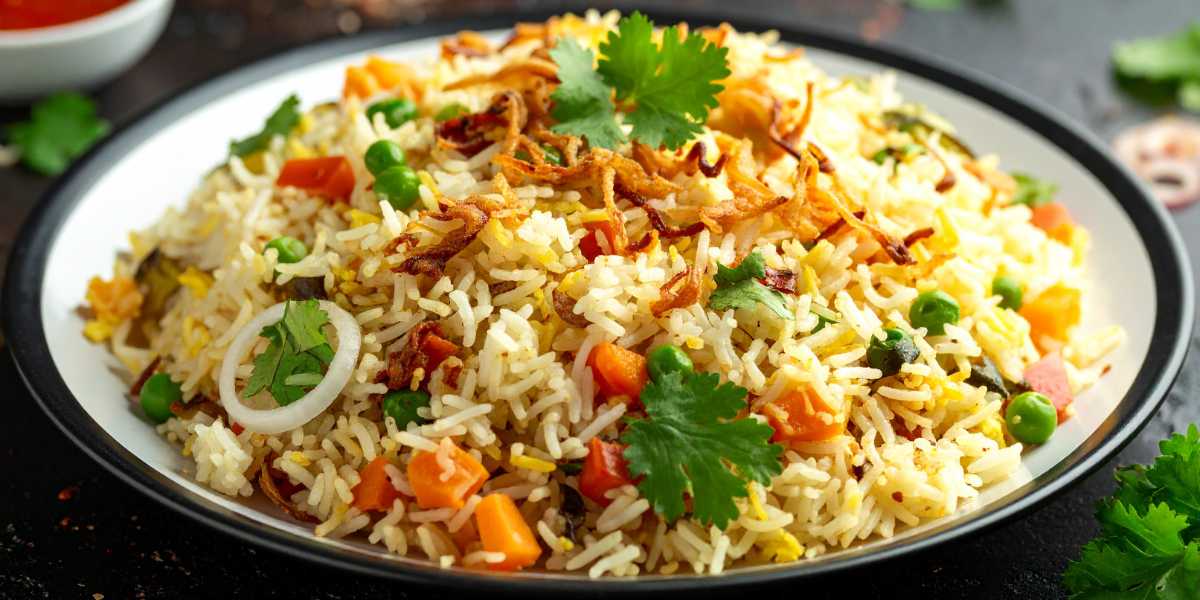
Zow Shungo is a traditional Bhutanese dish made from leftover red rice and vegetables, often stir-fried with spices. This dish exemplifies Bhutanese culinary resourcefulness and sustainability, transforming simple ingredients into a hearty meal. It typically includes leftover red rice, seasonal vegetables, garlic, and ginger.
About the Creator
Rasma Raisters
My passions are writing and creating poetry. I write for several sites online and have four themed blogs on Wordpress. Please follow me on Twitter.
Enjoyed the story? Support the Creator.
Subscribe for free to receive all their stories in your feed. You could also become a paid subscriber, letting them know you appreciate their work.
Comments
There are no comments for this story
Be the first to respond and start the conversation.