
The Cooking Fat You Grew Up With Might Be Better Than You Think
For most of the twentieth century, animal fats were the backbone of home cooking. Lard rendered from pork, beef tallow, duck fat, butter

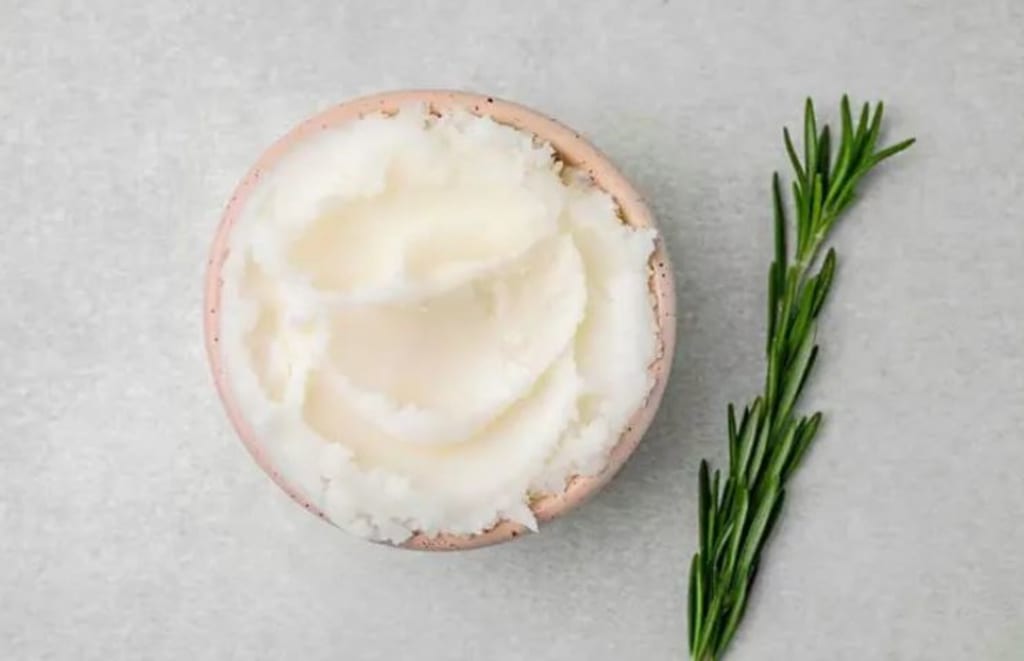
For most of the twentieth century, animal fats were the backbone of home cooking. Lard rendered from pork, beef tallow, duck fat, butter; these were what every household reached for without a second thought. Then came the nutrition science of the 1960s and 70s, saturated fat became the villain of the dietary story, and vegetable oils swept in to replace it. Today, the average kitchen runs almost entirely on refined seed oils: sunflower, corn, soybean, and canola.
The problem is that the science behind that switch was never quite as settled as it was presented, and decades later, researchers are still arguing about who was right.
How We Got Here
The shift away from animal fats was not accidental. It was driven by a combination of genuine scientific concern, industry lobbying, and public health campaigns that found a simple story saturated fat raises cholesterol, cholesterol causes heart disease, therefore saturated fat kills you, and ran with it for fifty years.
What got lost in that simplification was nuance. Not all saturated fats behave the same way in the body. Not all cholesterol is the same. And the vegetable oils that replaced traditional cooking fats came with their own complications, chief among them the fact that many are highly processed, chemically extracted, and rich in omega-6 polyunsaturated fatty acids that, in large quantities, may promote inflammation.
The trans fat scandal added another layer of complexity. When vegetable oils are partially hydrogenated to make them solid and shelf-stable, as in margarine, which was aggressively marketed as the heart-healthy alternative to butter, they produce trans fats that are now universally acknowledged to be genuinely harmful. The very products sold as the safe replacement turned out to be worse than what they replaced.
What Traditional Fats Actually Offer
Lard and tallow, which fell furthest from grace, are in many respects technically superior cooking fats. Both have high smoke points; lard sits around 190°C, tallow higher still, making them stable and effective for high-heat cooking in a way that many cold-pressed plant oils simply are not. When an oil is pushed beyond its smoke point, it oxidises and breaks down, producing compounds that are genuinely harmful and that give food an unpleasant, acrid taste.
Animal fats are also remarkably shelf-stable when stored properly, require no chemical processing to produce, and carry fat-soluble vitamins, particularly A, D, E, and K, that refined vegetable oils do not. Duck fat, long prized in French cooking, is unusually high in monounsaturated fatty acids, the same type found in olive oil, which has never fallen out of nutritional favour.
None of this means animal fats are without consideration. For people with specific cardiovascular risk factors, the advice of a doctor and dietitian remains the right starting point. And quantity always matters; any fat consumed in excess creates problems regardless of its source.
The Bigger Rethink
What is happening now is less a rehabilitation of any single fat and more a broader questioning of how nutritional consensus forms, and how quickly it calcifies into received wisdom that resists revision for decades.
The demonisation of traditional cooking fats was built on a foundation that was shakier than the confidence with which it was delivered. The replacement fats that followed were promoted before their long-term effects were fully understood. And somewhere in the middle, home cooks lost touch with ingredients that had sustained human populations for centuries.
Rendered lard from a trusted source, good-quality butter, or duck fat saved from a weekend roast are not the dietary catastrophes they were made out to be. Used thoughtfully, in the context of a varied and balanced diet, they are simply cooking fats with a long history, genuine technical advantages, and a flavour that refined seed oils have never quite managed to match.
Your grandmother's cooking was not trying to kill her. It may, in fact, have been doing something right.
About the Creator
Mark Lim
Hi I am mark an automotive student and a car, tech and food enthusiast ! Im gonna try and post daily & hope you enjoy what I write and do share my page with people you know. I would gladly appreciate it! Cheers
Enjoyed the story? Support the Creator.
Subscribe for free to receive all their stories in your feed. You could also become a paid subscriber, letting them know you appreciate their work.
Comments
There are no comments for this story
Be the first to respond and start the conversation.