healthy
Living a healthy lifestyle with your food choices. Healthy living is a Feast Media must!
A Guide to Choosing Low Calorie Foods
Maintaining a healthy lifestyle doesn’t have to feel like a never-ending challenge. Starting with low calorie selections, one of the best methods to control weight and general health is by deliberately choosing the meals you eat. But with the profusion of "diet foods" available today, one might easily become overwhelmed. Which foods help you reduce calories and provide nutrients and satisfying value? This article will look at that, emphasising sensible and pragmatic approaches to select low-calorie foods fit for your health objectives.
By Ellie Smith2 years ago in Feast
The Ultimate Guide to Jasmine Rice for Healthy Spring Dinners
Spring has sprung, and with it, a fresh wave of vibrant produce and lighter meals. As you plan your spring dinners, consider incorporating versatile, nutritious, quality guaranteed sunrice jasmine rice. This rice is both aromatic and light, and its nutritional value cannot even be described in words. This fragrant and soft rice variety is not just mouth-watering but also packs in numerous dietary benefits. Also, It highlights ways of recognising fresh produce, storage methods of ingredients, and appropriate cooking methods to retain or even boost the food’s flavour. By the end of this article, you'll be equipped to make a difference, not only in your kitchen but also in the broader food landscape of Sydney.
By Caesar Valles2 years ago in Feast
Spiritual Significance of Olive Oil. AI-Generated.
Olive oil is more than just a staple in Mediterranean cuisine; it holds profound spiritual significance, particularly in biblical history. This golden, silky oil has been used for millennia, playing a crucial role in anointing ceremonies, sacred offerings, and everyday life. As we reflect on its sacred meaning, let’s explore a faith-inspired olive oil recipe that combines biblical ingredients into a delightful dip, perfect for any gathering.
By Betty Sue Michael2 years ago in Feast
A Festive Snack Tale
Introduction: A Crunchy Walk Down Memory Lane Every family has its special traditions—those little moments of joy that bring everyone together. For me, Thattai Murukku holds that magic. It’s more than just a snack; it’s a gateway to festive memories, bustling kitchens, and the comforting hum of my grandmother’s voice as she narrated stories of her childhood.
By Pavithra K2 years ago in Feast
Traditional Dishes of Mumu and Aigir
Papua New Guinea (PNG) is renowned for its rich cultural heritage, diverse languages, and traditional cuisines. Among the most iconic culinary practices are the Mumu and Aigir, both of which reflect the deep connection between the people and their land. These dishes are not just food but central to cultural ceremonies, gatherings, and festivals across the provinces of PNG. Mumu: The Earth Oven Feast The Mumu is a traditional method of cooking that involves an earth oven. It is a communal way of preparing food, particularly popular in the Highlands but practiced across many regions of PNG. The process begins with digging a pit in the ground, which is then lined with hot stones heated in an open fire. Ingredients, often a combination of meat, vegetables, and starchy staples, are wrapped in banana leaves and placed into the pit. These are covered with more leaves and earth to trap the heat, slow-cooking the food to perfection. Key ingredients in a typical Mumu include: Meat: Pork, chicken, or lamb, often marinated with local spices. Vegetables: Sweet potatoes, taro, yams, and cassava. Greens: Aibika (local spinach) and other leafy greens. Extras: Cooking bananas and coconut cream for added flavor. The Mumu is most famously associated with the Highlands provinces like Simbu, Eastern Highlands, Western Highlands, and Southern Highlands. However, it is also practiced in coastal and island provinces with slight variations. Festivals and Occasions Mumu is often the centerpiece of large gatherings, including: Bride Price Ceremonies: Where a groom’s family presents the bride’s family with gifts and prepares a Mumu as a feast to symbolize unity. Sing-Sing Festivals: Cultural gatherings featuring traditional dances, music, and food. Notable examples include the Mount Hagen Cultural Show in the Western Highlands and the Goroka Show in the Eastern Highlands. Christmas and New Year: Many communities celebrate these holidays with a communal Mumu. Aigir: A Traditional Claypot Dish Aigir is another beloved dish, primarily associated with the coastal and island regions of PNG, such as Madang, East New Britain, New Ireland, and Morobe. Unlike the earth oven Mumu, Aigir is prepared in clay pots over an open fire. The dish combines seafood (fish, prawns, or crabs) with vegetables and coconut milk, creating a flavorful and creamy stew. The ingredients are layered in the pot, starting with leafy greens like aibika, followed by root crops such as taro or sweet potatoes, and topped with freshly caught seafood. Grated coconut milk is poured over the layers, and the pot is simmered over low heat until the flavors meld together. Festivals and Occasions Aigir is particularly popular during: Canoe Festivals: For example, the Kenu and Kundu Festival in Milne Bay, where traditional canoes are showcased. Aigir serves as a celebratory meal. Harvest Celebrations: Marking the abundance of seafood and crops, Aigir is prepared to honor community effort and the blessings of the land and sea. Family Gatherings and Ceremonies: Smaller occasions, such as family reunions or local church feasts, often feature Aigir as a staple dish. Significance of Traditional Dishes in Festivals Both Mumu and Aigir go beyond nourishment—they represent the spirit of sharing and community. Preparing these dishes is a collaborative effort, with men and women taking on various roles, from harvesting and cooking to presenting the food. These culinary traditions are also a way to pass down ancestral knowledge, ensuring that younger generations remain connected to their heritage. In festivals, these dishes play a symbolic role, embodying the hospitality and generosity of PNG’s diverse cultures. Visitors to the Mount Hagen Cultural Show or the Kenu and Kundu Festival are often invited to partake in these meals, creating bonds of friendship and understanding. Conclusion The traditional dishes of Mumu and Aigir are deeply rooted in Papua New Guinea’s cultural identity. While Mumu showcases the resourcefulness of the Highlands communities with its earthy cooking method, Aigir highlights the bounty of the coastal regions with its use of fresh seafood and coconut. Both dishes are integral to festivals and ceremonies, bringing people together in celebration and gratitude. They are a testament to PNG’s rich culinary traditions and its people’s profound connection to the land and sea.
By Grace Guise2 years ago in Feast
Rural Charm on a Plate: Village-Style Chicken Curry
Experience the rich flavors of rural with this authentic Village-Style Chicken Curry recipe. Each bite of this delicious dish will take you back to cherished family gatherings and the warm moments spent in the kitchen with grandparents. This traditional recipe, featuring simple yet aromatic spices, brings the essence of village life right to your dining table, offering a comforting meal that feels like home, no matter where you are.
By Sazia Afreen Sumi2 years ago in Feast
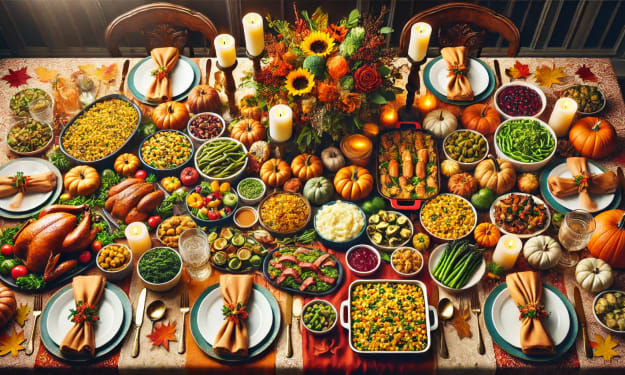
20 Irresistible Side Dishes to Transform Your Thanksgiving Feast
Thanksgiving is more than just turkey—it’s the side dishes that truly make the meal shine. Whether you're looking for classic staples or something adventurous, these 20 side dishes will add a delicious twist to your table.
By David Andrews2 years ago in Feast