
Satay: The Kids' Favourite, and It's Easy to See Why
Bbq on a stick simple and affordable

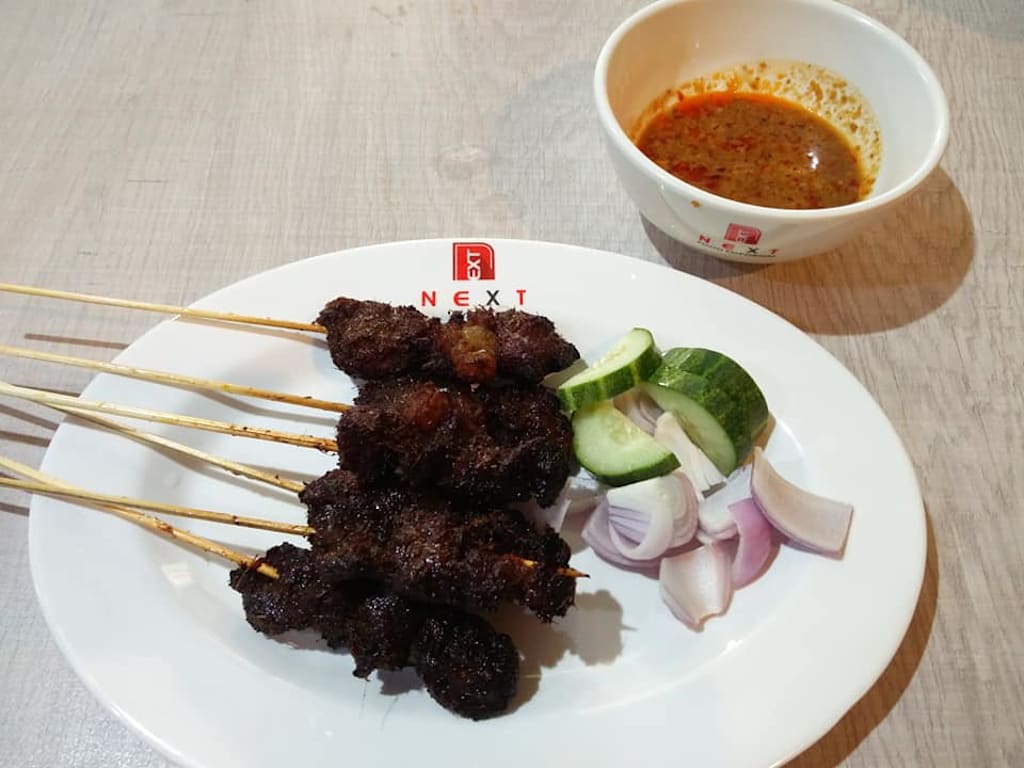
Ask our kids what they want for dinner, and the answer is almost always the same: satay. It is simple, it is delicious, and it is eaten with the hands three qualities that children appreciate and adults, if they are honest, also appreciate. In its most basic form, satay is just meat on a stick. But that description, while technically accurate, sells the dish short.
Satay originated in Indonesia and quickly spread throughout Southeast Asia, adapting to local tastes and ingredients along the way . In Malaysia, it has become a street food staple, a celebratory dish, and a comfort food all rolled into one. The sight of a satay vendor fanning charcoal flames, the smell of smoke and marinated meat, the sound of sizzling as the fat drips onto the coals these are the sensory cues that signal something good is about to happen.
The Meat: Chicken, Beef, or Pork
The beauty of satay is its versatility. The meat can be chicken, beef, or, in non-Muslim venues only, pork . Our kids have clear preferences: Laura favours chicken, while Bernard insists on beef. Both are valid choices.
The chicken satay is tender and mild, its flavour carried by the marinade a mixture of turmeric, lemongrass, garlic, shallots, and cumin that gives the meat its characteristic yellow hue. The beef satay is richer, more substantial, with a deeper savouriness that stands up to the smoky charcoal. Pork satay, when available, is the indulgence of choice for those who can eat it, prized for its fat content and the way it crisps at the edges.
The kids, in their wisdom, focus on the meat. They ignore the accompaniments the cucumber, the onion, the compressed rice cakes (ketupat) and go straight for the protein. They have not yet developed the palate for the sauces, which is a shame, because the sauces are where satay reveals its complexity .
The Sauces: A Regional Journey
Satay sauce varies from region to region, and the best, in our opinion, is the peanut-based version . It is not merely peanut butter thinned with water, though some vendors take shortcuts. A proper satay sauce is a careful balance of roasted peanuts, shallots, garlic, dried chilies, lemongrass, galangal, tamarind, and palm sugar, ground into a paste and simmered until the oil separates from the solids. The result is thick, fragrant, sweet, spicy, and savoury all at once a sauce that clings to the meat and demands to be scooped up with ketupat.
In some regions, the sauce is thinner, almost soupy, designed for dipping and drinking. In others, it is chunkier, with visible bits of peanut and shallot. Some vendors add pineapple for sweetness, or star fruit for tang, or coconut milk for richness. The variations are endless, and each has its defenders.
For the adventurous eater, there is also the option of a spicy vinegar-based sauce , popular in certain parts of Indonesia. It is lighter, sharper, and more aggressive than the peanut sauce, cutting through the richness of the meat like a bright splash of acid. Our kids, predictably, prefer the peanut sauce. So do we .
The Accompaniments
Satay is rarely served alone. The standard accompaniments include:
Ketupat : Compressed rice cakes wrapped in woven palm leaves. The rice is firm, almost chewy, and acts as a neutral base for the sauce and meat.
Cucumber : Sliced thick, providing a cool, refreshing contrast to the heat of the sauce and the smoke of the meat.
Red onion : Raw, sliced thin, adding sharpness and crunch.
Nasi impit : An alternative to ketupat, consisting of compressed rice cut into cubes.
The proper way to eat satay is to take a stick of meat, dip it in the sauce, then take a bite of ketupat and cucumber. The combination of textures the tender meat, the creamy sauce, the chewy rice, the crisp cucumber is greater than the sum of its parts .
The Experience
Satay is best eaten fresh off the grill, at a hawker centre or street stall, surrounded by the noise of conversation and the clatter of plates. It is not a refined dish, and it does not pretend to be. The meat may be slightly charred. The sauce may drip down your chin. The ketupat may be difficult to unwrap. These are not flaws; they are features.
For our kids, satay represents everything good about eating: the joy of using your hands, the satisfaction of pulling meat off a stick, the simple pleasure of something that tastes exactly as it should. They do not care about the origins of the dish, the regional variations of the sauce, or the cultural significance of the accompaniments. They care about the meat. And that, perhaps, is the highest compliment a dish can receive .
Satay is not the most complex dish in Southeast Asian cuisine. It is not the most refined or the most expensive. But it is one of the most beloved, and for good reason. It is accessible, adaptable, and deeply satisfying. It is the food of celebrations and the food of everyday cravings. It is the dish that our kids request again and again, and the dish that we never tire of eating.
If you have not tried satay proper satay, grilled over charcoal, served with a rich peanut sauce and all the accompaniments you owe it to yourself to do so. Start with chicken, if you are unsure. Move to beef, if you are bold. Seek out pork, if you are lucky. But whatever you do, do not skip the sauce. The sauce is the soul of satay. The meat is merely the vehicle .
About the Creator
Mark Lim
Hi I am mark an automotive student and a car, tech and food enthusiast ! Im gonna try and post daily & hope you enjoy what I write and do share my page with people you know. I would gladly appreciate it! Cheers
Enjoyed the story? Support the Creator.
Subscribe for free to receive all their stories in your feed.
Comments
There are no comments for this story
Be the first to respond and start the conversation.