
Restaurant Chain Bankruptcies Are Reshaping the Pizza Industry in 2026
Award-winning pizza brands across America are struggling with rising costs, shrinking profits, and changing consumer habits as Chapter 11 bankruptcies reshape the restaurant industry.

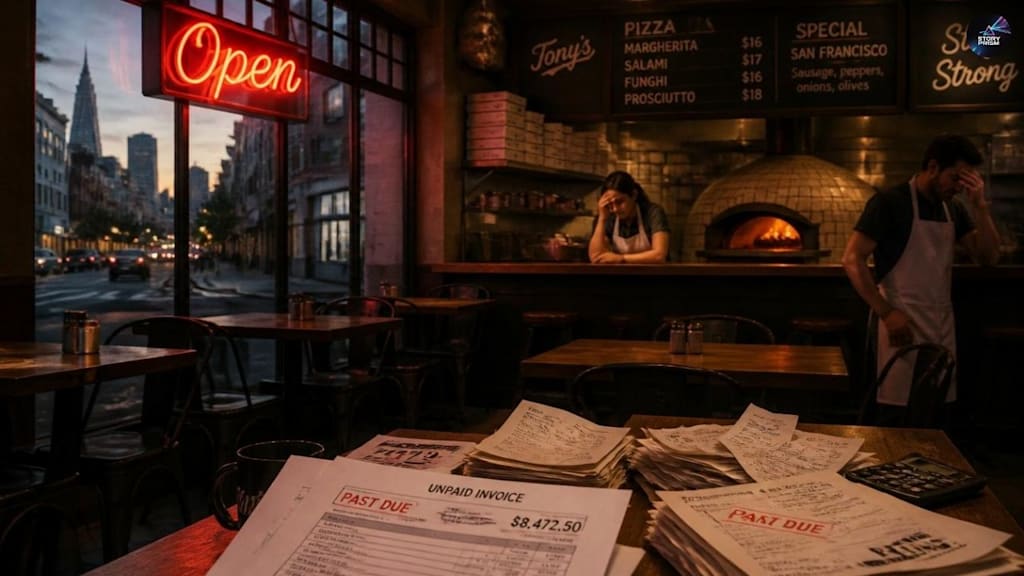
The restaurant industry is going through one of its most difficult periods in recent years, and pizza chains are among the hardest hit. Across the United States, several well-known restaurant brands have filed for Chapter 11 bankruptcy protection as rising operational costs and changing consumer habits continue to pressure the fast-casual dining sector.
From regional favorites to award-winning pizza concepts, many restaurant chains that once expanded aggressively are now struggling to survive in a highly competitive market. Industry experts say the current wave of bankruptcies highlights deeper problems within the restaurant business, including inflation, labor shortages, expensive leases, and declining customer spending.
One of the latest examples is Fiorella, a San Francisco-based Italian pizza chain known for its wood-fired pizzas and neighborhood dining atmosphere. The company reportedly filed for Chapter 11 bankruptcy through multiple operating entities connected to its restaurant locations. Despite the financial restructuring, some locations are expected to continue operating while the company reorganizes its debt and business structure.
Fiorella originally gained popularity for combining upscale Italian dining with a modern pizza concept. After launching its first location in San Francisco, the brand quickly expanded into several neighborhoods, including Noe Valley, Polk Street, and Inner Sunset. However, rapid expansion often comes with significant financial risk, especially during uncertain economic conditions.
Restaurant analysts say many chains expanded too quickly during the fast-casual dining boom of the late 2010s and early post-pandemic years. While customer demand initially appeared strong, operating costs soon began rising at a pace many businesses could not sustain. Food prices increased dramatically, labor became more expensive, and commercial rent in major cities remained extremely high.
For pizza chains specifically, ingredient inflation has become a major challenge. Cheese, flour, meat, cooking oil, and packaging costs have all increased over the past few years. At the same time, restaurants are also paying more for delivery services, utilities, insurance, and employee wages. These combined pressures have significantly reduced profit margins across the industry.
Another major issue affecting restaurant chains is changing consumer behavior. Many customers are dining out less frequently due to economic uncertainty and higher living expenses. Consumers are becoming more selective about where they spend money, leading to reduced traffic at many casual dining establishments.
The growth of food delivery apps has also created new complications for restaurant operators. While delivery platforms help restaurants reach more customers, they often charge high commission fees that cut deeply into profits. Some independent restaurant owners argue that third-party delivery services make it difficult for smaller chains to remain financially stable.
Several other pizza and fast-casual chains have faced similar financial problems in recent years. Some brands attempted to survive by closing underperforming locations, reducing staff, renegotiating leases, or seeking new investors. Others entered bankruptcy protection to reorganize debts while continuing limited operations.
Industry observers note that Chapter 11 bankruptcy does not always mean a company is shutting down permanently. In many cases, it allows restaurant chains to restructure finances, reduce liabilities, and attempt a long-term recovery plan. Some companies successfully emerge from bankruptcy with smaller but more sustainable operations.
However, not every chain survives the process. Experts say restaurant recovery depends heavily on consumer loyalty, operational efficiency, and access to new funding. Brands with strong community support and recognizable identities often have a better chance of rebuilding after restructuring.
In cities like San Francisco, the restaurant industry faces even greater pressure because of high operating costs and expensive commercial real estate. Local restaurant owners continue to struggle with inflation, staffing shortages, and competition from both national chains and independent eateries.
Despite these challenges, pizza remains one of America’s most popular food categories. Consumers continue to seek convenient and affordable comfort food, which means pizza chains still have growth potential if they can adapt to modern market conditions. Many operators are now focusing on smaller restaurant footprints, streamlined menus, digital ordering systems, and improved delivery strategies to remain competitive.
The current wave of restaurant chain bankruptcies may ultimately reshape the future of the pizza industry. Companies that prioritize sustainable expansion, financial discipline, and customer experience are more likely to survive in the evolving dining landscape.
For now, the struggles of restaurant chains like Fiorella serve as a reminder that even popular brands are not immune to economic realities. As the industry continues adjusting to changing consumer habits and rising costs, many restaurant operators will need to rethink how they grow and operate in the years ahead.
About the Creator
Enjoyed the story? Support the Creator.
Subscribe for free to receive all their stories in your feed.
Comments
There are no comments for this story
Be the first to respond and start the conversation.