
Nasi Lemak Melaka: Peranakan Soul in a Kota Damansara Kopitiam
A Fresh Take on a Favourite Sambal Rooted in Heritage Sides That Shine Satay and Skewers: Meat With Personality Adaptation and Evolution A Family Affair Finding Your Way There

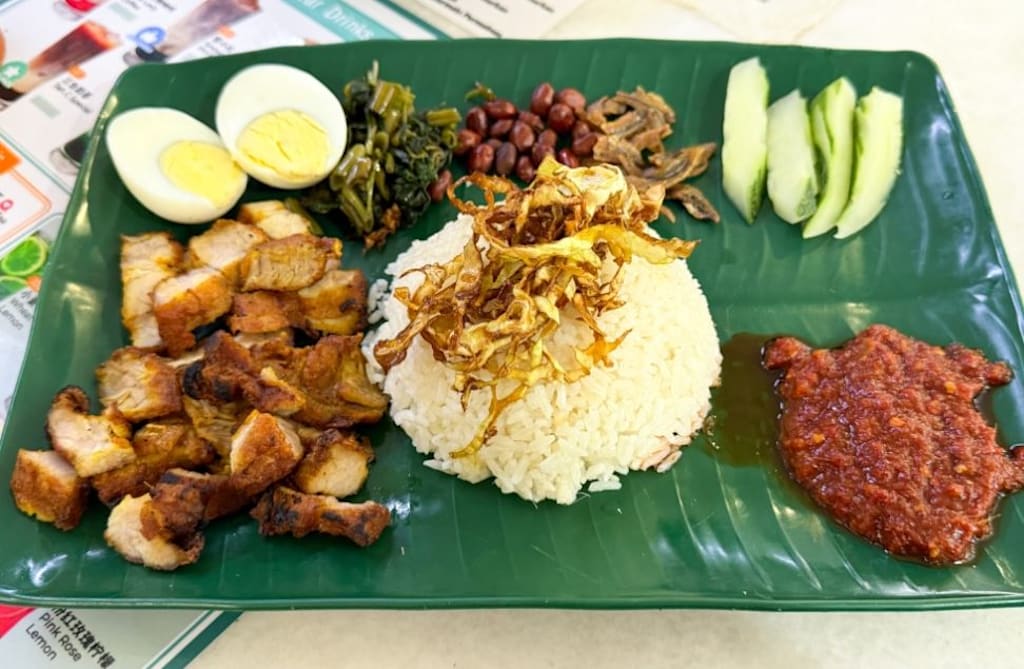
In the bustling lanes of Kota Damansara, inside the welcoming space of Yuen Feng Kopitiam, a three‑month‑old stall is reimagining one of Malaysia’s most beloved dishes. Nasi Lemak Melaka does not chase viral gimmicks or bizarre fusions. Instead, owner Melvin Chin reaches deeper, drawing from his Peranakan heritage to craft a nasi lemak that feels both familiar and delightfully new. It is a quiet lesson: standing out does not require reinvention, just a thoughtful return to roots.
A Fresh Take on a Favourite
At first glance, it is nasi lemak as you know it: fluffy rice, fragrant coconut, the crisp snap of fried anchovies. But one spoonful of the sambal reveals something different. Where many lean heavily on sweet heat, Chin’s version leads with fragrance and bright tang. Lemongrass and torch ginger flower lend depth and aroma; asam jawa delivers a gentle sourness that cuts through richness. It is a sambal that breathes, inspired directly by his Peranakan background, and it pairs beautifully with rice steamed to perfection, carrying just the right whisper of santan.
Sambal Rooted in Heritage
This is the stall’s signature: a sambal that refuses to blend in. “More fragrant forward with a tangier flavour” is how it has been described, standing apart from the ubiquitous spicy‑sweet profiles found elsewhere. Every element has a purpose: the torch ginger adds floral warmth, lemongrass brings citrus‑herb brightness, and tamarind balances richness with refreshing acidity. It is bold yet balanced, exactly the kind of sambal that invites you to slow down and taste every layer.
Sides That Shine
The nasi lemak comes beautifully supported by crisp cucumber, roasted peanuts, hard‑boiled egg, ikan bilis, and kangkung, a nod to Melaka’s version of the dish, alongside fried cabbage prepared in the style of ayam gepuk. But Chin also offers something less commonly seen: fried pork belly and pork rib rendang. The fried pork belly (RM13) proves an inspired match, juicy within, with a satisfying light crunch that complements the sambal perfectly. It is an unexpected pairing that works wonderfully, bringing new textures and flavours to the classic plate.
Satay and Skewers: Meat With Personality
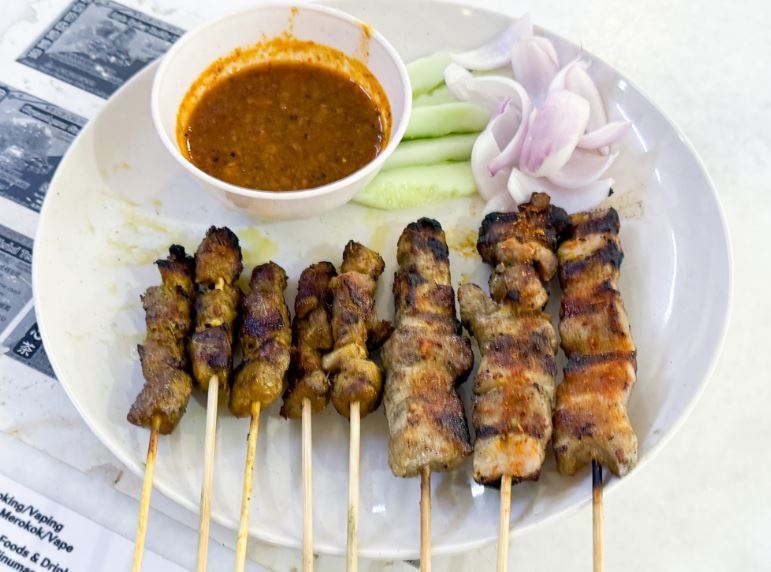
Beyond nasi lemak, the stall extends its reach into grilling traditions. Satay babi (RM10 for five sticks) arrives deceptively lean, with no visible fat speared along yet remains tender and juicy from a light, thoughtful marinade. Dip it into the house‑made peanut sauce, enriched with a swirl of pineapple purée that adds gentle sweetness, and you have a dish worth returning for. For those who relish offal, there are also satay options with large and small intestines, authentic choices that signal real care.
The BBQ skewers are equally appealing. Pork, chicken, beef, and lamb are available, with the pork skewers (RM12 for three) showing well‑marbled meat interspersed with lard to keep each bite moist and flavourful. A marinade of ginger and garlic provides a soft foundation, while chilli powder dusted over the top adds heat adjustable to your preference, placed on the side if you prefer milder flavours. Chin sources pork from Brazil, explaining that it offers superior marbling and richness compared to local supplies, a practical choice that elevates the eating experience.
Adaptation and Evolution
What you see today was not the original plan. Chin began with Portuguese‑style grilled fish, but when that failed to catch on, he pivoted quickly, a reminder that success in the kopitiam world demands listening as much as cooking. He refocused on what resonated: the nasi lemak, the satay, the skewer dishes that speak broadly while carrying his personal touch. It is a lesson in resilience: great food evolves with its customers.
A Family Affair
The stall is not alone. Next door stands MJ Noodle, run by Chin’s wife using recipes developed by him, including a laksa that also draws from their shared heritage. Together, the two stalls create a small culinary corridor within the kopitiam, each reinforcing the other. It is a lovely arrangement: a husband and wife side by side, bringing their background to the community one bowl and one plate at a time.
Finding Your Way There
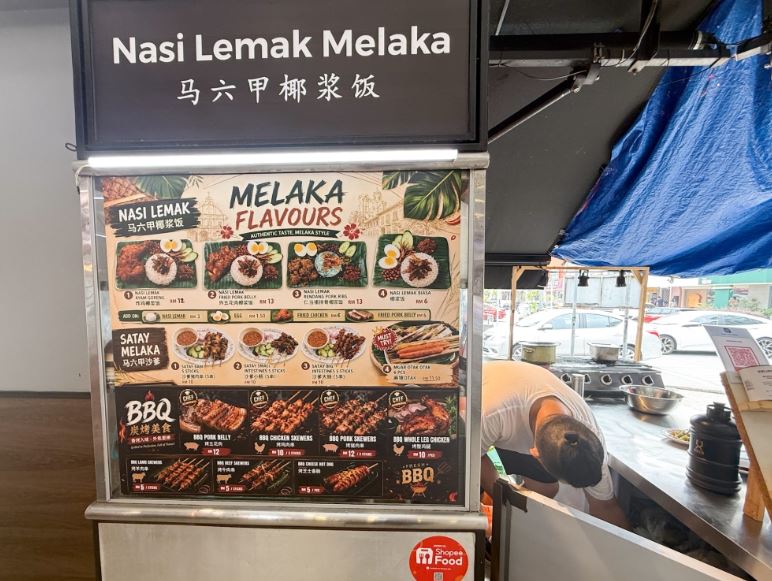
Nasi Lemak Melaka operates from Yuen Feng Kopitiam at 2‑1, Jalan PJU 5/7, Kota Damansara, Petaling Jaya. It opens daily from 7 a.m. to 4:30 p.m. and again from 6:30 p.m. to 10 p.m. ample opportunity to drop by for breakfast, lunch, or an early dinner. Whether you come for the sambal alone, the fragrant rice, or a plate of satay with that pineapple‑laced peanut sauce, you will find something rare these days: food prepared with care, rooted in heritage, and served with quiet confidence.

About the Creator
Mark Lim
Hi I am mark an automotive student and a car, tech and food enthusiast ! Im gonna try and post daily & hope you enjoy what I write and do share my page with people you know. I would gladly appreciate it! Cheers
Enjoyed the story? Support the Creator.
Subscribe for free to receive all their stories in your feed.
Comments
There are no comments for this story
Be the first to respond and start the conversation.