
Mangosteen: The Queen of Fruits You Need to Try
Sweet, tangy, crunchy, and refreshing, this powerful little fruit is a top contender for the title of all-time favourite, and it's packed with health benefits too.

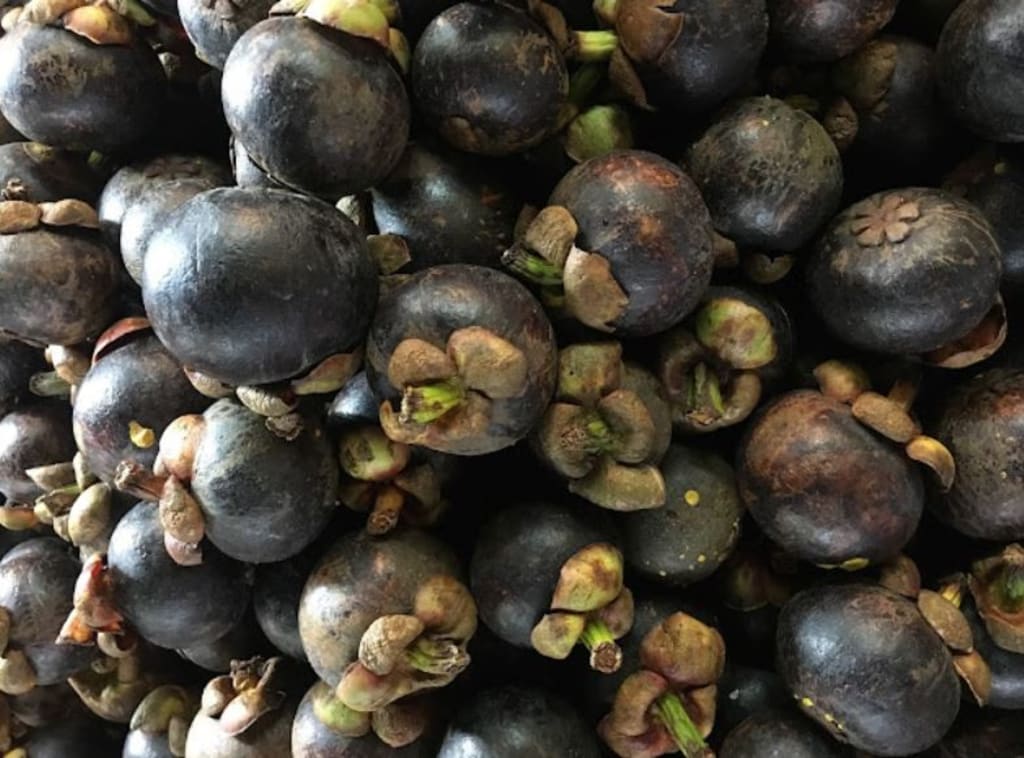
To say I have an all-time favorite fruit is a pretty big statement but mangosteen would have to be a top contender. I was spoiled in Sri Lanka to be able to purchase 10 fruits for $1 USD and the cost in Malaysia is only slightly higher. I love watching people eat the fruit for the first time and being utterly confused about how to open it and which part to eat.
This powerful little fruit is everything, it's sweet, tangy, crunchy, smooth, and refreshing. It also has a lot of anti-inflammatory properties which may keep my asthma at bay.
What Is Mangosteen?
Mangosteen is a tropical fruit that is native to Southeast Asia. It's often referred to as the "queen of fruits," and it's prized for its sweet, tangy flavour and its numerous health benefits.
The fruit has a thick, purple rind that is difficult to open, which is why first-time eaters often find themselves confused about how to access the edible flesh inside. The rind is hard and woody, and it stains your fingers purple when you handle it!
The flesh of the mangosteen is a beautiful white colour, and it's divided into segments that resemble the inside of an orange or a tangerine. Each segment is juicy, sweet, and slightly tangy, with a soft, melt-in-the-mouth texture.
How to Open a Mangosteen
Opening a mangosteen can be a bit tricky if you've never done it before, but once you know the trick, it's easy.
Here's how to do it:
Score the Rind – Use a sharp knife to make a shallow cut around the circumference of the fruit, just deep enough to score the rind without cutting into the flesh.
Twist and Pull – Gently twist the two halves of the fruit in opposite directions, then pull them apart. The rind should split open, revealing the white segments of flesh inside.
Remove the Flesh – Use your fingers or a small spoon to lift out the segments of flesh. Be careful not to eat the rind, as it is bitter and inedible.
Some people prefer to simply press down on the fruit with their thumbs and twist it open, but I find the knife method to be more effective, especially if the rind is particularly tough.
The Flavour Profile
The mangosteen is a fruit of contrasts. The white flesh is sweet and tangy, with a flavour that is often described as a combination of peach, strawberry, and lychee. The texture is soft and juicy, with a slight crunch from the segments.
The flavour is delicate and refreshing, making it a perfect snack on a hot, humid day. It's also a great addition to fruit salads, desserts, and smoothies.
Health Benefits
Mangosteen is not just delicious—it's also incredibly good for you.
Anti-Inflammatory – Mangosteen is rich in xanthones, which are powerful antioxidants that have anti-inflammatory properties. These properties may help keep conditions like asthma at bay.
Boosts Immune System – The fruit is high in vitamin C, which is essential for a healthy immune system.
Supports Digestive Health – Mangosteen is a good source of fibre, which aids in digestion and helps maintain a healthy gut.
Promotes Healthy Skin – The antioxidants in mangosteen can help protect the skin from damage caused by free radicals, keeping it looking youthful and radiant.
Where to Find Mangosteen
Mangosteen is widely available in Malaysia, especially during the fruit's peak season from June to August. You can find it at:
Wet Markets – Local wet markets are the best place to find fresh, affordable mangosteen.
Supermarkets – Larger supermarkets often stock mangosteen, though the prices may be slightly higher than at the markets.
Street Vendors – During the peak season, street vendors selling fresh fruit are a common sight in KL and other Malaysian cities.
Tips for Buying Mangosteen
When buying mangosteen, look for fruits that are firm and heavy for their size. The rind should be a deep, vibrant purple colour. Avoid fruits with cracks or blemishes, as they may be overripe or damaged.
A good mangosteen should have a slight give when you press on it, but it shouldn't be too soft. If the fruit is too hard, it may be underripe; if it's too soft, it may be overripe.
Mangosteen Around the World
Mangosteen is native to Southeast Asia, but it's now grown in other tropical regions, including Sri Lanka, India, and parts of Africa. In Sri Lanka, I was able to purchase 10 mangosteens for just $1 USD an absolute bargain!
In Malaysia, the cost is only slightly higher, making it an affordable and accessible treat for locals and visitors alike.
How to Eat Mangosteen
Mangosteen is delicious on its own, but there are plenty of other ways to enjoy it:
Fresh – Simply open the fruit and eat the segments as a refreshing snack.
In Smoothies – Add mangosteen to your favourite smoothie for a tropical twist.
In Fruit Salads – Combine mangosteen with other tropical fruits like mango, pineapple, and papaya.
As a Dessert Topping – Use mangosteen segments to top ice cream, yoghurt, or panna cotta.
In Juices and Cocktails – The sweet, tangy flavour of mangosteen makes it a great addition to juices and cocktails.
Mangosteen is a fruit that you simply have to try when you're in Southeast Asia. Its sweet, tangy flavour and refreshing texture make it a perfect tropical treat, and its health benefits are an added bonus.
Whether you're a seasoned fruit lover or a curious traveller, mangosteen is a fruit that will surprise and delight you. So go ahead give it a try, and discover why it's called the queen of fruits.
About the Creator
Mark Lim
Hi I am mark an automotive student and a car, tech and food enthusiast ! Im gonna try and post daily & hope you enjoy what I write and do share my page with people you know. I would gladly appreciate it! Cheers
Enjoyed the story? Support the Creator.
Subscribe for free to receive all their stories in your feed.
Comments
There are no comments for this story
Be the first to respond and start the conversation.