
Let’s Have Shellfish Tonight
Dishes with shellfish


Europe
France
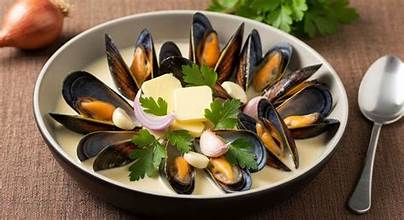
Moules marinière à la crème is a variation on the famous dish called moules marinière. The dish is most popular in northern France. It consists of mussels, garlic, crème fraiche, parsley, white wine, butter, shallots, and aromatic herbs. The mussels are steamed in a covered pot on a combination of butter-sauteed garlic and shallots, with wine and a bit of water. When the mussels come open, the cream and chopped parsley are added to the pot. It is served with crusty bread to soak up the juices.
Croatia
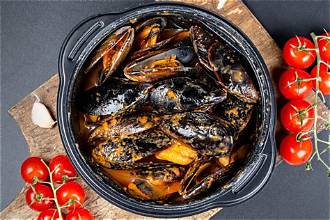
Dagnje na buzaru is a traditional dish of the Croatian coast prepared with mussels as the main ingredient. The shells are scrubbed, placed into a pot with lukewarm water, covered, and lightly heated until all of them crack open. Olive oil, garlic, parsley, and a bit of pepper are sautéed, then mixed with the mussels and maybe a few slices of lemon. As a final touch, white wine is added and the dish is simmered shortly. When serving, it is sprinkled with breadcrumbs for thickening and accompanied by bread to soak up the juices.
Greece
The main ingredient of astakomacaronada is lobster meat in a flavorful tomato-based sauce and served over pasta. It is usually prepared with spaghetti, and the sauce includes wine and various herbs and spices. Traditionally, the lobster meat is served in shells and garnished with parsley. (pictured above)
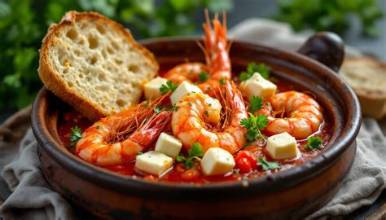
Garides saganaki is a classic dish that is a combination of sautéed shrimp traditionally deglazed with the anise-flavored ouzo, then doused in rich tomato sauce, and topped with crumbled feta cheese.
Italy
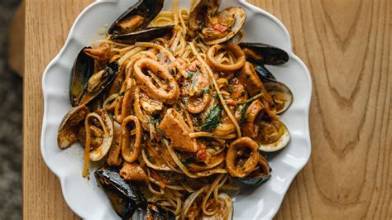
Linguine allo scoglio, also known as linguine ai frutti di mare, is a typical southern Italian seafood dish. It is typically flavored with white wine and garlic. Traditionally, the linguine is combined with a variety of seafood such as clams, mussels, shrimp, and at times clamaretti or baby squid.
Spain
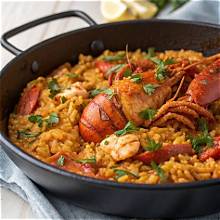
Originating in Valencia, arroz con bogavante is a traditional rice dish. The dish is a combination of round rice like arroz bomba, lobster, fish stock, white wine, shrimp, onions, garlic, bell peppers, tomatoes, paprika, saffron, olive oil, and other seasonings. The ingredients are sautéed in a pan, then simmered in stock until fully cooked. The dish should have plenty of broth, and the rice should float in the broth.
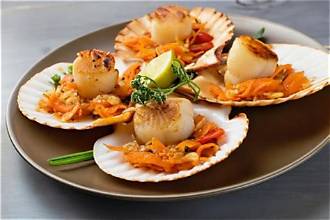
Originating in Galicia, vieiras en su concha is a traditional dish with scallops served in their shells. The dish is prepared with scallops, olive oil, onions, garlic, pimenton, white wine, tomato sauce, salt, pepper, breadcrumbs, and parsley. At first, the garlic, onions, and pimentón are sautéed in olive oil, then covered with wine, tomato sauce, and seasonings in order to create a sauce. The scallops are broiled and arranged on a baking sheet in their shells and topped with the sauce, breadcrumbs, and parsley, then broiled until golden.
Portugal
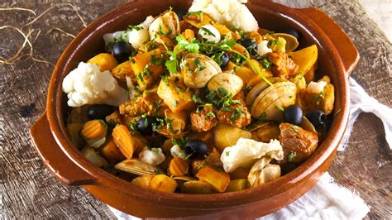
Originating in the Algarve region, carne de porco à Alentejana is a traditional dish that combines marinated pieces of pork with clams in a lightly spiced, wine-infused sauce. It is usually served garnished with lemon wedges, pan-fried potatoes, and country-style bread.
Asia
China
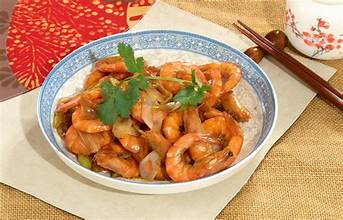
Coming from Shanghai, you bao xia is a dish that consists of whole, shell-on shrimp flash-fried in scorching oil until crisp. They are tossed with a vibrant, sticky, sweet-and-savory glaze.
Malaysia
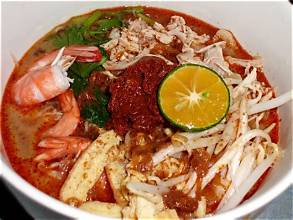
Closely related to other laksa varieties, Sarawak laksa is known for its subtle, mild flavor. The dish consists of a flavorful chicken- or shrimp-based broth that is seasoned with thick laksa paste, which sometimes includes more than twenty different ingredients; the soup is accompanied by vermicelli noodles, shredded omelet, cooked prawns, and shredded chicken. Spicy sambal and lime are traditionally served on the side.
North America
Mexico
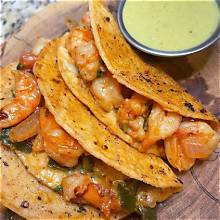
Tacos gobernador or governor’s tacos were named after a Sinaloan governor. To create the dish, warm tortillas are filled with shrimp, grated cheese, coriander, onions, and tomatoes. The tortillas are folded in half and brushed with butter, then cooked on a griddle. The tacos are accompanied by lime wedges and hot chili sauce.
South America
Brazil
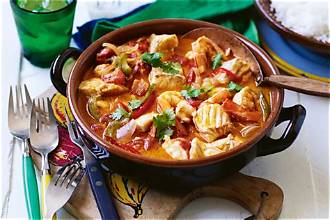
Originating in the Brazilian state of Bahia, moqueca baiana is a seafood stew. It is a combination of white fish, shrimp, or other seafood mixed with coconut milk, dende oil, lime juice, and vegetables like red and yellow peppers, tomatoes, spring onions, garlic, and at times, ginger. When served, the dish is garnished with chopped coriander and accompanied by rice and farofa.
Chile
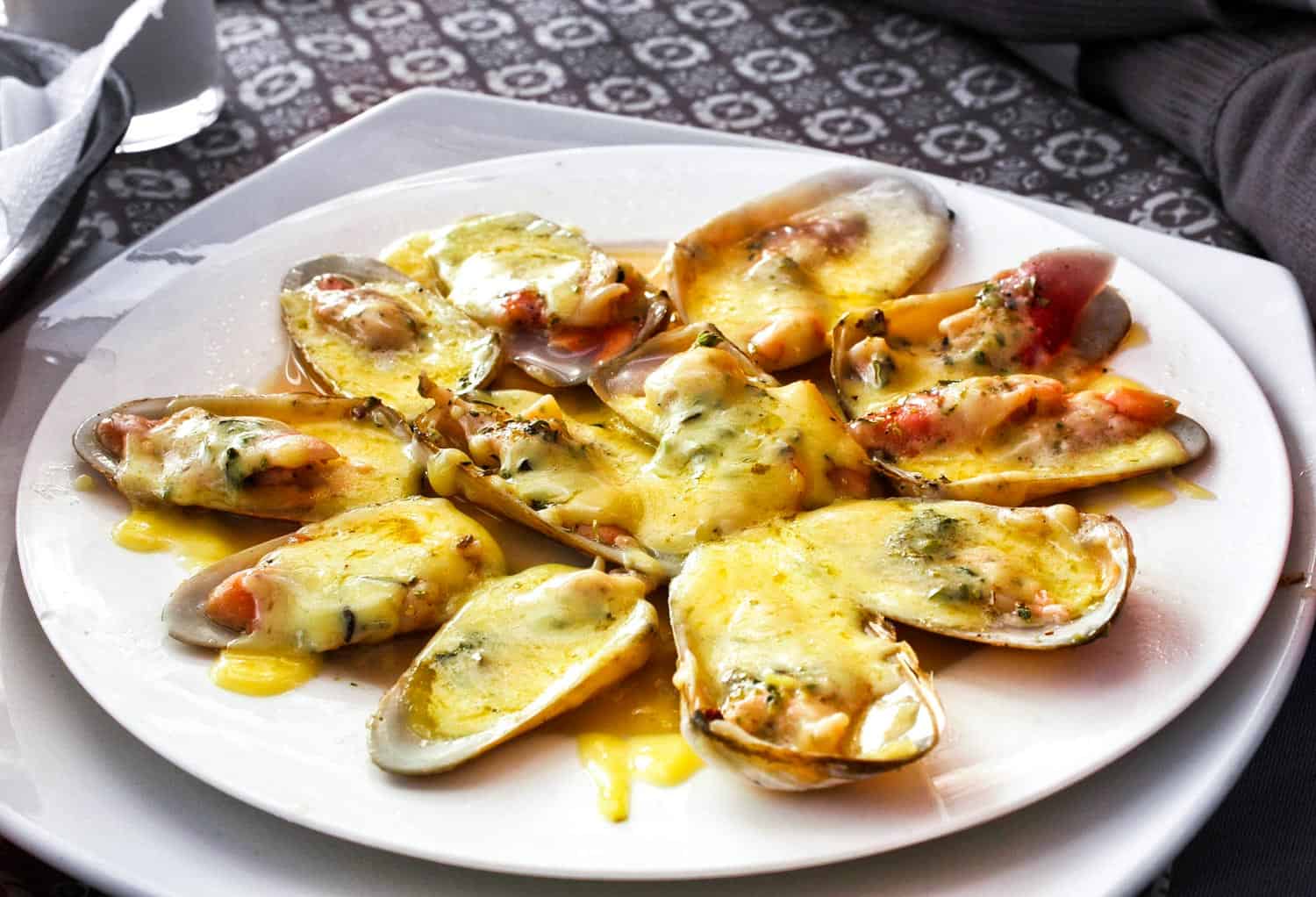
Machas a la parmesana is a typical Chilean dish that is a combination of razor clams topped with salt, white wine, butter, and parmesan cheese. The clams are then broiled until the cheese melts, and it is recommended to serve them immediately, preferably with a glass of white wine on the side.
Peru
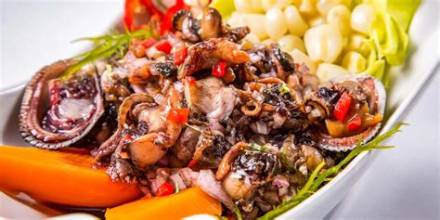
Ceviche de conchas negras is a kind of ceviche that is prepared with black clams. The clams with their juices are cleaned and seasoned with aji limo peppers, finely diced red onions, salt, pepper, and garlic paste. Once combined, the mix is allowed to marinate in fresh lime juice.
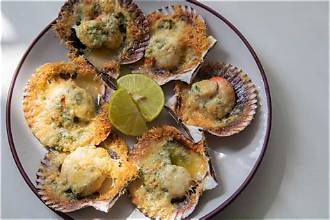
A traditional dish, conchitas a la parmesana is usually served as an appetizer. The dish is prepared with scallops, Worcestershire sauce, lime juice, butter, salt, and pepper, topped with grated parmesan cheese and placed under the broiler to brown. When serving, the cheese should be bubbling, but the scallops remain almost raw.
About the Creator
Rasma Raisters
My passions are writing and creating poetry. I write for several sites online and have four themed blogs on Wordpress. Please follow me on Twitter.
Enjoyed the story? Support the Creator.
Subscribe for free to receive all their stories in your feed. You could also become a paid subscriber, letting them know you appreciate their work.
Comments
There are no comments for this story
Be the first to respond and start the conversation.