
Hokkien Mee: The Gooey, Charcoal-Fried Noodle That Rules Malaysia
Two types of noodles, a rich dark soy gravy, and the unmistakable flavour of charcoal cooking this is the dish that sets the standard for Malaysian street food.

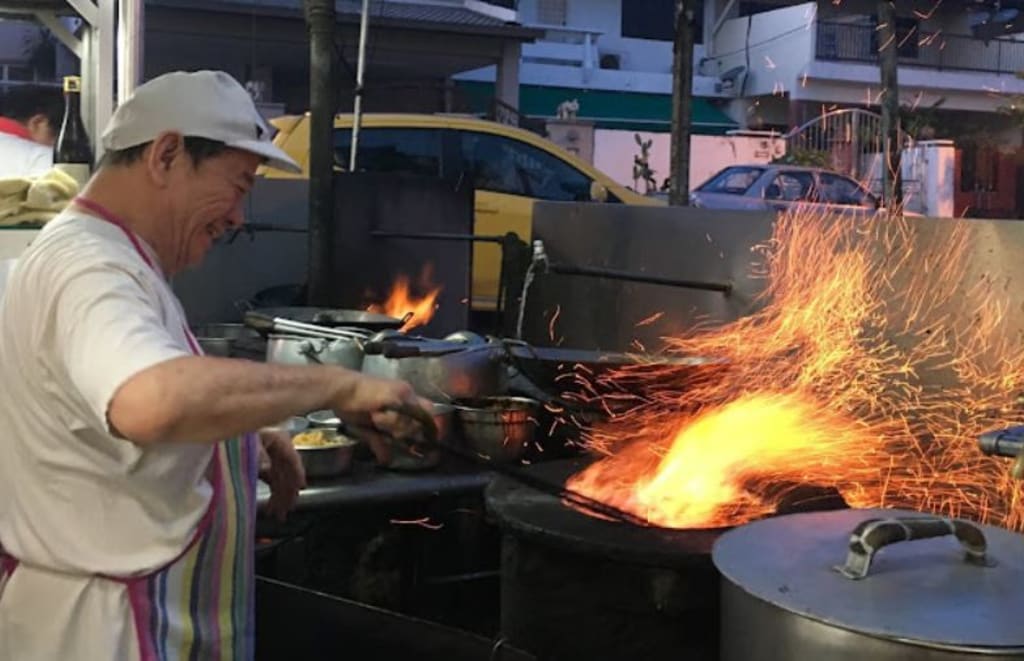
This gooey dish rules the land in Malaysia. We found it everywhere we went, but the very best rendition we tried was while at the holiday market in KL with Food Tour Malaysia. The reason is simple: it was the only time we got to have the dish prepared over charcoal instead of gas.
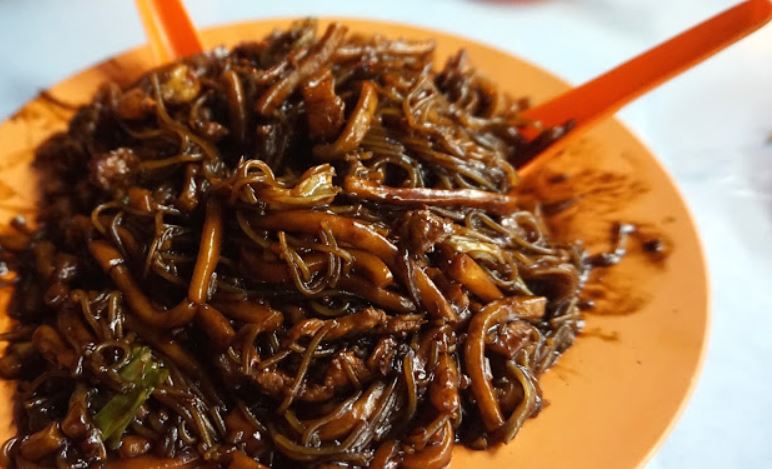
Every restaurant has its own way of preparing the sticky noodle dish. It's usually prepared with lard and chunks of pork and sometimes I even had to say I was Muslim (which I am not) to get cooks to understand I absolutely did not want any pork in my dish. Hokkien Mee calls not for just one type of noodle, but two. There are thick rice noodles and thin glass noodles, which are usually made from sweet potatoes. The noodles are flash fried with a dark soy gravy and tossed with shrimp, cabbage, chili flakes, and an egg that's cracked into the mix at the last second.
The Charcoal Difference
The secret to a truly exceptional Hokkien Mee lies in the cooking method. While many restaurants use gas stoves for convenience and speed, the traditional way to cook this dish is over a charcoal fire.
Charcoal cooking imparts a smoky, aromatic flavour that you just can't replicate with gas. The high heat of the charcoal fire gives the noodles a beautiful char, caramelising the dark soy sauce and creating a depth of flavour that is simply irresistible. The result is a dish that is smoky, savoury, and deeply satisfying.
If you have the opportunity to try Hokkien Mee cooked over charcoal, take it. It's a completely different experience, and it's one that you won't forget.
The Two Noodles
What sets Hokkien Mee apart from other noodle dishes is the use of two types of noodles. The thick rice noodles are chewy and satisfying, while the thin glass noodles (made from sweet potato starch) are slippery and translucent. Together, they create a wonderful contrast in texture that makes every bite interesting.
The noodles are flash-fried over high heat, which gives them a slightly charred, smoky flavour. The dark soy gravy is rich and savoury, coating the noodles in a sticky, glossy sauce that is utterly addictive.
The Ingredients
The dish is a symphony of flavours and textures:
Lard and Pork Chunks – The traditional version uses lard for frying, which adds a rich, savoury depth. The pork chunks are tender and flavourful, adding protein and substance.
Shrimp – Sweet and succulent, the shrimp add a burst of briny flavour.
Cabbage – Adds freshness and a slight crunch, balancing the richness of the gravy.
Chili Flakes – A gentle heat that builds with each bite.
Egg – Cracked into the mix at the last second, the egg adds richness and binds everything together.
The combination of these ingredients creates a dish that is hearty, satisfying, and packed with flavour.
Pork-Free Options
For those who don't eat pork, Hokkien Mee can be a bit of a minefield. The traditional version of the dish is made with pork lard and pork chunks, and many restaurants don't offer a pork-free alternative.
However, it is possible to find pork-free Hokkien Mee, especially at restaurants that cater to a Muslim clientele. If you want to avoid pork, I'd recommend telling the cook that you're Muslim (even if you're not) to ensure that your dish is prepared without any pork products. Most vendors will oblige, and the dish will be just as delicious.
Where to Get Your Mouth Around It
Holiday Market with Food Tour Malaysia
The very best Hokkien Mee I tried was at a holiday market in KL with Food Tour Malaysia. The stall cooked the noodles over a traditional charcoal fire, and the result was absolutely outstanding. The noodles were smoky, savoury, and coated in a rich, sticky gravy. The pork chunks were tender and flavourful, and the shrimp were sweet and succulent.
Food Tour Malaysia is an excellent way to explore KL's food scene. Their guides are knowledgeable and passionate about Malaysian cuisine, and they take you to some of the best hawker stalls in the city.
Lot 10 Hutong
If you're looking for a reliable option in the city centre, head to Lot 10 Hutong. There's a vendor there that serves a mean Hokkien Mee, cooked over a gas flame but still delicious. The noodles are perfectly cooked, the gravy is rich and savoury, and the portions are generous.
Jalan Alor
Jalan Alor is one of KL's most famous food streets, and it's home to several stalls that serve Hokkien Mee. The atmosphere is lively and bustling, and the food is always fresh and delicious. Look out for stalls with long queues; it's usually a sign that the food is worth the wait.
Hawker Centres and Kopitiams
You can find Hokkien Mee at hawker centres and kopitiams throughout KL. Each vendor has their own unique take on the dish, and it's worth trying a few different versions to find your favourite. Some vendors add extra chili for heat, while others add more soy sauce for a richer flavour.
Hokkien Mee is a quintessential Malaysian dish. It's smoky, savoury, and deeply satisfying the kind of food that makes you want to lick the plate clean. Whether you're eating it at a hawker stall, a night market, or a kopitiam, it's a dish that will leave you craving more.
If you're visiting Malaysia, make sure you try Hokkien Mee. And if you have the opportunity to try a charcoal-cooked version, don't miss it. It's an experience you won't forget.
About the Creator
Mark Lim
Hi I am mark an automotive student and a car, tech and food enthusiast ! Im gonna try and post daily & hope you enjoy what I write and do share my page with people you know. I would gladly appreciate it! Cheers
Enjoyed the story? Support the Creator.
Subscribe for free to receive all their stories in your feed.
Comments
There are no comments for this story
Be the first to respond and start the conversation.