

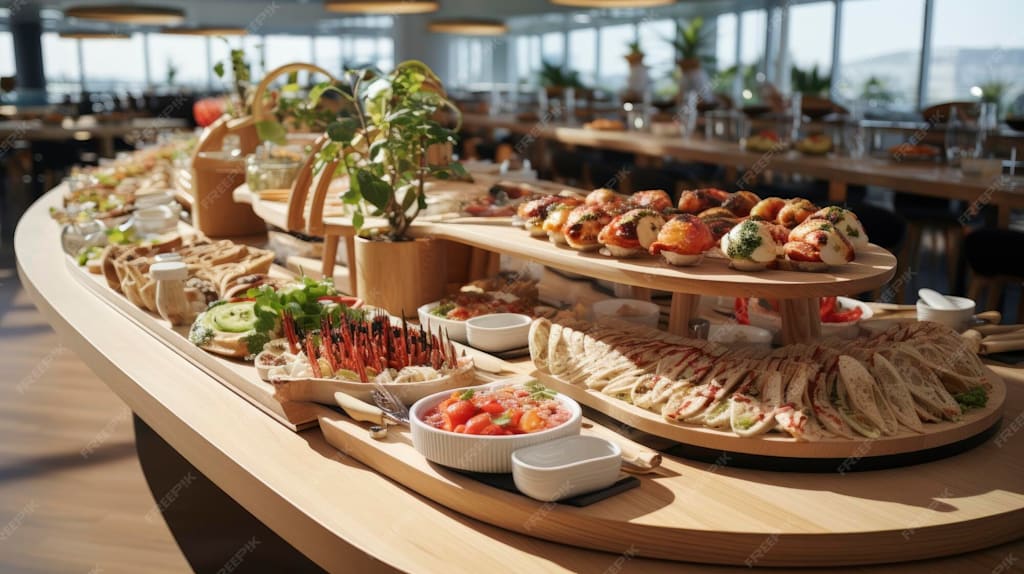
Belgium

Belgian waffles are prepared with light batter and have larger squares and deeper holes than other waffles. They are eaten for breakfast or dessert and are topped with various ingredients such as whipped cream, chocolate spread, syrup, confectioner’s sugar, or any kind of fruit or ice cream.
Belgian waffles have a long history dating back to medieval Europe. They were once a straightforward dish made with simple ingredients like water and grain flour and had a flat, cake-like shape. Peasants all round Europe relied on them for food during hard times.
Denmark
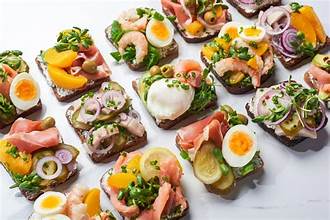
The bread, a thin layer of thick, dense rye sourdough on which toppings are layered, is essential to preparing smorrebrod. It is typically presented on a plate with a variety of little sandwiches. The proper order for eating is as follows: herring, other dish, meat, and cheese.
Smørrebrød, the iconic Danish open-faced sandwich, originated in the 19th century. It was initially created by Nordic farmers, particularly their wives, who would prepare meals using leftovers to sustain workers in the fields. Over time, this simple dish evolved into a culinary art form, gaining popularity in Copenhagen's restaurants during the late 19th and early 20th centuries.
England
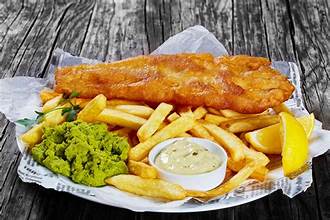
Fish and chips is a well-known and popular dish where the common choice of fish is cod, followed closely by haddock. In the UK, most likely in London, fried fish and fried potatoes were combined and became a popular street cuisine. Fish and chips was already a popular and reasonably priced dish for the working class by the time Joseph Malin was credited with opening the first fish and chips restaurant in the East End of London in 1890.
France
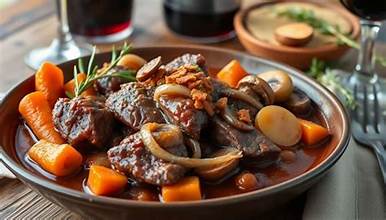
A traditional French meal with a long history is boeuf bourguignon. The beef stew, which originated in the Burgundy region, has developed from a simple peasant dish to a renowned mainstay of French cuisine. Boeuf bourguignon was originally created as a way to tenderize tough cuts of beef by slow simmering them in a rich wine-based broth. This dish was first mentioned in writing in 1903 and is credited to chef Auguste Escoffier, who popularized it among high society in Paris and London. It has evolved over time into a dish that highlights local products and cooking methods while embodying French culinary tradition.
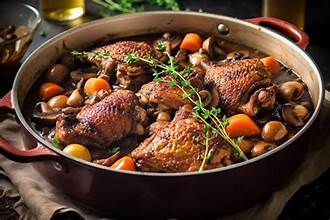
Coq au vin is another popular dish if you prefer chicken. For ages, people have loved this traditional French dish. It means “rooster in wine” and is a tasty and substantial stew cooked with bacon, onions, mushrooms, red wine, and chicken. The French countryside is where coq au vin first originated, and farmers and villagers have loved it since it was a way to use chickens and roosters that were frequently raised on farms in rural France. Now it also is a classic dish found in many restaurants.
Germany

There are various varieties of sausage available in Germany, but the most popular and well-liked is currywurst. These 40-variety grilled or fried sausages date back to the 14th century, consisting of chopped pork and seasonings.
The sausages were invented in 1949 when a woman in Berlin was able to get curry powder and ketchup from British soldiers stationed in the city following WW II. She combined them as a topping, and since that time over 800 million currywurst have been sold yearly. It has become Berlin’s favorite street food.
Greece

A most popular street food has become souvlaki, where the word "soula" or "skewer" refers to meat that has been cubed and placed on bamboo skewers and grilled on an open fire. Souvlaki can be eaten from the stick with a piece of bread or wrapped in a soft pita bread with tomatoes, onions, and tzatziki sauce (yogurt, cucumber, and garlic). Pork is the traditional meat, but versions with chicken, lamb, and even ground beef can be found.
Souvlaki dates back to antiquity and has Greek roots. The dish is thought to have originated from similar customs in ancient Greece, where it was called "obeliskos." Aristophanes and Xenophon, two well-known ancient authors, used this term to describe meat that had been cooked on a spit. Today for both locals and visitors it is a mainstay of Greek street cuisine.
Italy
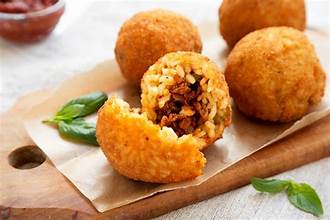
Arancini are rice balls, coated with breadcrumbs and deep-fried, usually stuffed with delicious ingredients like rich beef ragu or delicate mozzarella. They have become a popular food. Arancini are not just a culinary delight but also a symbol of Sicilian culture, often enjoyed as street food or during festive occasions.
Arancini originated in Sicily, with roots tracing back to the Arab rule during the 9th to 11th centuries. Initially, these rice balls were made with seasoned rice, often enriched with saffron and filled with various ingredients like fowl. Over time, they evolved into the popular dish known today, incorporating local flavors and ingredients from the Mediterranean region.
Ireland
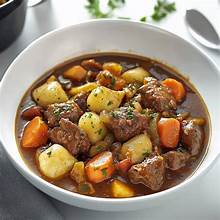
Originating in less wealthy times when sheep had to have outlived their usefulness for wool before being slaughtered for food, Irish stew is typically made with mutton and vegetables. The stew should only contain mutton, potatoes, onions, and water. There are other versions that include pearl barley and vegetables like carrots and peas.
Malta
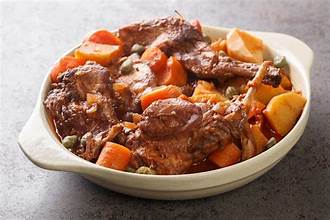
Malta’s national cuisine is Stuffat tal-Fenek, a rabbit stew. It is prepared by stewing rabbit until it is so tender it falls off the bones along with tomatoes, garlic, onions, wine, bay leaves, and aromatic herbs. There are other versions, such as on the nearby island of Gozo, adding additional wine and vinegar to the stew.
The dish is believed to have evolved from simple peasant fare into a symbol of national identity, reflecting the island's history and resourcefulness.
Netherlands

Poffertjes are the most popular dessert in the Netherlands, having originated when Catholic priests were trying to discover a more pleasant version of Communion wafers.
They are made from buckwheat and yeast made into a batter that creates little pancakes and are cooked on poffertjes irons, similar to those used to make waffles. Traditionally served with powdered sugar and butter, poffertjes are a popular street food in the Netherlands, enjoyed at fairs and markets.
Spain
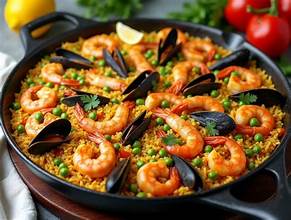
The delicious Spanish dish paella originated in Valencia. It is cooked in a wide, shallow pan over an open fire. The dish contains short-grain rice, stock, wine or sherry, and vegetables. The addition of saffron gives the rice a deep yellow color. Traditionally it is served with chicken or rabbit but there are also seafood versions.
Originating in the Valencia region of Spain, paella dates back to the 15th century. The dish was prepared by farmers and laborers who cooked rice over open fires in the fields, making use of local ingredients like rice, snails, aquatic birds, and green beans.
The name "paella" comes from the Latin word "patella," meaning "frying pan," which refers to the shallow pan used for cooking.
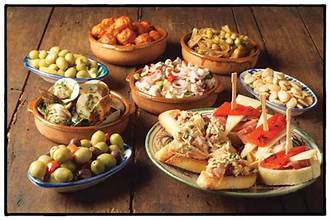
A favorite in Spanish bars, cafes, and restaurants, tapas are known as small plates of hot or cold food. Among the popular options are patatas bravas (potatoes in hot tomato sauce), albondigas (smoky meatballs), boquerones (pickled anchovies), and pimientos de Padrón (fried and salted green peppers).
One popular theory suggests that tapas originated in Andalusia during the 13th century, possibly linked to King Alfonso X of Castile, who is said to have recovered from an illness by consuming wine with small dishes between meals.
About the Creator
Rasma Raisters
My passions are writing and creating poetry. I write for several sites online and have four themed blogs on Wordpress. Please follow me on Twitter.
Enjoyed the story? Support the Creator.
Subscribe for free to receive all their stories in your feed. You could also become a paid subscriber, letting them know you appreciate their work.
Comments
There are no comments for this story
Be the first to respond and start the conversation.