
Carrot Cake: Malaysia's Savory Surprise
No carrots, no cake, no cream cheese just white radish, rice flour, and a wok-full of savory, smoky goodness.

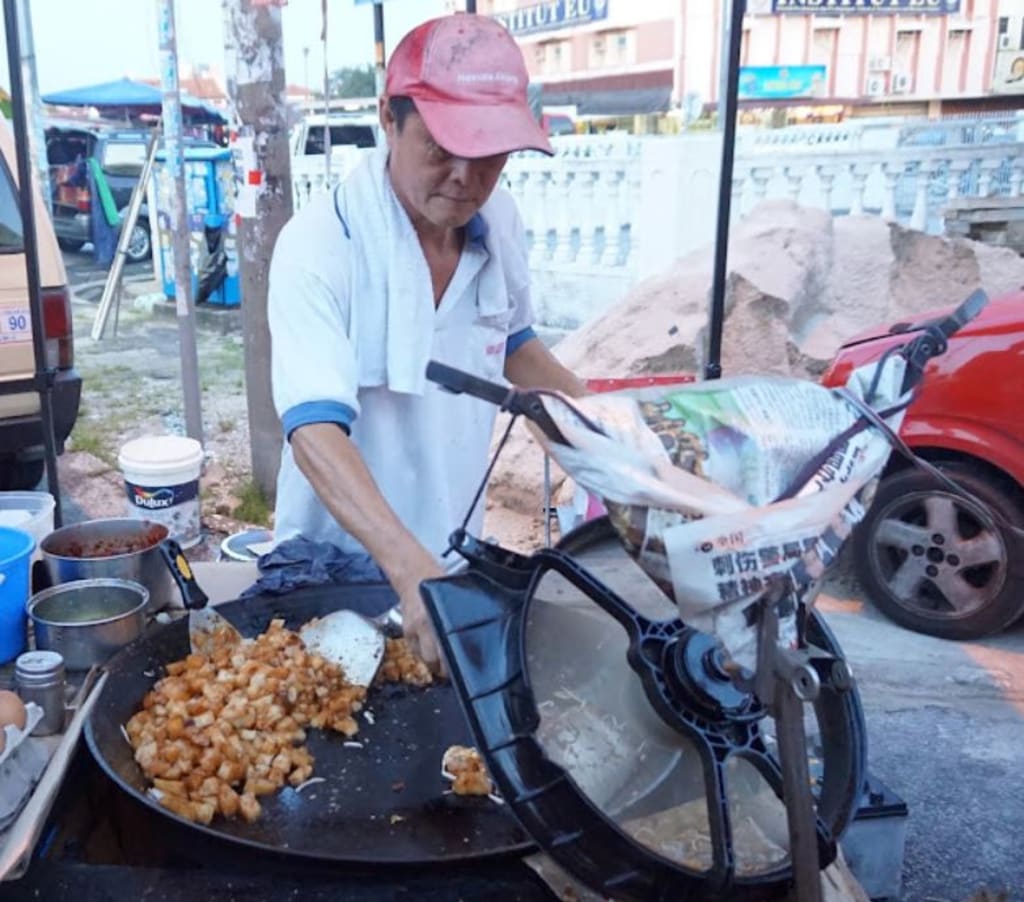
You would never recognize this dish. Malaysia doesn't do carrot cake the Western way. There are no carrots or cake involved. Extract any images of sweet, nutty cake layered with cream cheese. Instead, the savory treat calls for white radishes, which the Chinese refer to as white carrots.
The radish is grated and mixed with rice flour in a steam. The chunks formed are a cake—the texture is similar to what I imagine a chunk of pasta would feel like. The chunks are then stir-fried in a mix of soy sauce, pepper, garlic, chili flakes, spring onion, bean sprouts, and egg. The taste is simple and delicious.
This is one of my favorite Malay dishes! The consistency is strange, but the flavor is amazing; don't miss it. You can even have it for breakfast as the locals do. After all, who can resist cake in the morning?
The Great Carrot Cake Confusion
If you're a Westerner visiting Malaysia for the first time, ordering "carrot cake" at a hawker stall will be a bewildering experience. The dish that arrives bears no resemblance to the sweet, spiced cake with cream cheese frosting that you might be expecting. Instead, you'll be served a plate of savory, stir-fried radish cubes that are smoky, slightly crispy, and bursting with umami.
The confusion stems from the Chinese name for the dish, which translates to "white carrot cake." In Chinese cuisine, the white radish (daikon) is often referred to as a white carrot, hence the name. The dish is also known as chai tow kway in Hokkien, which literally means "fried radish cake."
What's Actually in It?
The "cake" part of the dish is made from grated white radish (daikon) mixed with rice flour and steamed until it sets into a firm, jelly-like block. The texture is soft, slightly chewy, and reminiscent of a firm pudding or a dense pasta. It's not sweet at all it's savory, with a subtle earthiness from the radish.
The cake is then cut into chunks and stir-fried over high heat with a medley of ingredients. The key components include:
Soy sauce – Adds savory depth and a rich, dark color.
Garlic – Fragrant and aromatic.
Chili flakes – A gentle heat that builds with each bite.
Spring onion – Freshness and a mild onion kick.
Bean sprouts – Crunch and texture.
Egg – Scrambled into the mix, adding richness and binding everything together.
Some vendors also add sweet soy sauce (kecap manis) for a touch of sweetness, or chai poh (preserved radish) for extra saltiness and crunch.
The Flavor Profile
The beauty of Malaysian carrot cake lies in its simplicity. The flavors are straightforward but deeply satisfying. The soy sauce provides savory umami, the chili flakes add a gentle heat, and the scrambled egg adds richness. The bean sprouts offer a refreshing crunch, while the spring onion provides a fresh, aromatic finish.
The texture is equally important. The radish cake chunks are soft and slightly chewy on the inside, while the stir-frying process gives them a slightly crispy, caramelized exterior. The contrast between the soft interior and the crispy exterior is part of what makes this dish so addictive.
Breakfast of Champions
In Malaysia, carrot cake is often eaten for breakfast. It's a popular choice at hawker centers and kopitiams, where it's served alongside other morning favorites like Nasi Lemak and Roti Canai. The savory, satisfying flavors make it the perfect way to start the day, and it's filling enough to keep you going until lunch.
Eating carrot cake for breakfast might seem unusual to Westerners, but it's a beloved local tradition. Pair it with a cup of local coffee or teh tarik for the ultimate Malaysian breakfast experience.
Where to Get Your Mouth Around It
Hawker Stalls and Kopitiams
You can find carrot cake at almost any hawker center or kopitiam in Malaysia. It's a ubiquitous dish, and each stall has its own unique take on the recipe. Some vendors add extra chili for heat, while others add sweet soy sauce for a touch of sweetness.
The key to a good carrot cake is the wok. A hot wok with plenty of wok hei will give the dish that irresistible smoky flavor. Look for stalls with long queues; it's usually a sign that the carrot cake is worth the wait.
Penang
Penang is particularly famous for its carrot cake. The Penang version is often darker in color, thanks to the generous use of sweet soy sauce, and it's typically served with a side of sambal for extra heat.
KL's Best Spots
In KL, you'll find excellent carrot cake at hawker centers like Lot 10 Hutong, Jalan Alor, and Taman Desa. Each spot has its own loyal following, so don't be afraid to ask locals for their recommendations.
One popular spot in KL is the stall at Taman Desa Hawker Centre, which is known for its perfectly caramelized carrot cake with just the right amount of wok hei. Another favorite is the stall at Medan Selera MPSJ in SS2, Petaling Jaya, which serves a version that's crispy on the outside and soft on the inside.
Other Variations to Try
While the classic version is stir-fried with egg and bean sprouts, there are other variations worth exploring:
Black version – Made with sweet soy sauce, giving it a darker color and a sweeter flavor.
White version – Made without sweet soy sauce, resulting in a lighter color and a more savory taste.
With extra chai poh – Preserved radish adds a salty, crunchy twist.
With prawns – Some stalls add prawns for extra sweetness and protein.
Malaysian carrot cake is a dish that defies expectations. It's savory, smoky, and satisfying the kind of food that makes you wonder why you ever thought carrot cake should be sweet in the first place.
If you're visiting Malaysia, make sure you try a plate of chai tow kway. Whether you eat it for breakfast, lunch, or dinner, it's a dish that will surprise you and delight you in equal measure.
About the Creator
Mark Lim
Hi I am mark an automotive student and a car, tech and food enthusiast ! Im gonna try and post daily & hope you enjoy what I write and do share my page with people you know. I would gladly appreciate it! Cheers
Enjoyed the story? Support the Creator.
Subscribe for free to receive all their stories in your feed. You could also become a paid subscriber, letting them know you appreciate their work.
Comments
There are no comments for this story
Be the first to respond and start the conversation.