
Bum Guts – A Traditional Aboriginal Treat
Mountain Calamari is served.

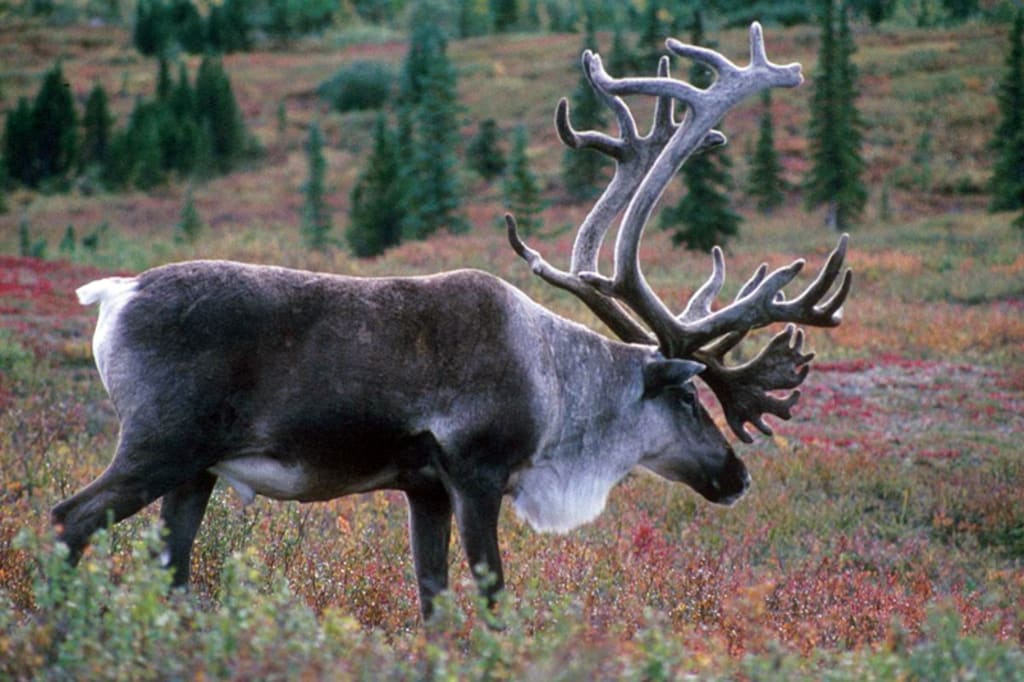
Here in the sub-arctic hunting remains a life-sustaining tradition that endures as it has for thousands of years. When the leaves change colour and the first frosts begin to appear, they signal its harvest time for the wild natural foods thousands of us depend on. Wild berries have been gathered since early September when they typically ripen, mushrooms follow them soon depending on the weather. Returning salmon may be harvested between July and October here depending on the species and their abundance. Some years see low returns of breeding salmon so some regions may be closed to fishing to help boost reproductive numbers of select species. Whitefish and lake trout are also popular items for the freezer. Grouse, ducks and geese may also be found in some northern larders.
Ungulates like moose, elk, and caribou are normally hunted shortly before they begin their breeding activities. Commonly called the ‘rut’ bulls of these species are of optimum meat quality before they begin their fights to demonstrate superiority over the other wanna-be breeders.
Years ago, I was hunting caribou with my eldest son and a couple friends, one of them is an aboriginal man of the Vuntut Gwitchin First Nation located in the northern portion of the Yukon. The Porcupine Caribou herd numbering 200,000+ roam the high arctic tundra and are an important food source for predators like wolves and grizzlies, but also many humans are sustained by this incredible migratory food-factory.
Following a successful hunt, we began to field-dress the two bulls we had harvested. This is one of the most important parts of a wild game hunt as care and attention to cleanliness and handling of the meat will result in optimum food quality. Meat free from bits of vegetation, animal hair and any bugs still moving around takes a bit of work to prepare, beginning with the butchering area to be a clean as possible before you pick up a knife.
After the two bulls were skinned and quartered and placed into cheesecloth bags for protection, we loaded the meat into the toboggans, climbed on the sleds and returned back to our camp to celebrate a successful hunt.
As we were hanging the meat quarters to cool on an improvised rack, Dennis, my aboriginal friend, pulled one of the cheesecloth bags used for organs such as heart, tongue and liver from the toboggan and exclaimed, “Here’s dinner for tonight!”
“What are you making?” my son asked, anticipating a fresh juicy steak for an answer.
Instead he heard Dennis simply state, “Bum guts and noodles.” Followed by a sly smile. He then set off to the creek a short distance away to prepare our evening meal.
“What the hell are bum guts?” my son asked me.
“A very old traditional treat.” I answered. “Remember nothing goes to waste and caribou are a department store on four legs.” The whole of the animal has parts of it that have been adapted to sustain native people since the beginning of time. Bones and hides are made into clothing and tools, sinew and tendons are used to create nets, snares and cordage, nothing goes to waste, including the intestines. Moose nose is another delicacy favoured among aboriginal connoisseurs.
As we spoke Dennis was at the creek meticulously cleaning the lower intestines of the two caribou. He would flush water through them, then turn them inside out and repeat this cleaning procedure numerous times. When he was finished thirty minutes later, he returned to our camp and hung the long strands of intestine on a rack to dry in the late afternoon breeze.
The ceremonial beers were handed out and we toasted to our successful hunt. Clearly my son was curious about our evening meal and asked Dennis how it would be prepared.
In tradition native humor Dennis told us the process he learned from his grandmother a long time ago. Once the gut was fully cleaned, it is sliced into pieces about a half inch long. These are then dredged in a seasoned flour mixture. The large cast iron frying pan was already warming the cooking oil on the fire. Traditionally the rendered fat from the host animal is used for the frying, but a bottle of canola oil saves a lot of time, and the fat can then be saved for making sausage.
Dennis cut some slices of caribou loin and cooked them over the flame to accompany our bum guts and noodles that were boiling in a pot on the campfire.
“It’s ready - help yerself.” Dennis invited. “Mountain Calamari is served.”
The first taste was tentative, but very flavourful augmented by the spices in the flour dredge. The gut was a nice crispy texture - not too chewy. Not what I thought it would be like at all. I savored it and finished the first helping on my plate quickly. In short order, the four of us finished all that Dennis had prepared and some additional caribou loin was cooked to fill our stomachs fully.
We all agreed that Bum Guts was a taste treat and asked what other traditional meals we might like to try.
Again, Dennis made his sly smile and said, “Breakfast tomorrow will be eggs and caribou testicles. Its best to eat them when they’re still fresh.”
About the Creator
Doug Caldwell
I hope to learn from all of you members on this site and share in some tale-telling. I am looking forward to the different styles used to tell these stories. I look forward to reading yours.
Be Well
Enjoyed the story? Support the Creator.
Subscribe for free to receive all their stories in your feed. You could also become a paid subscriber, letting them know you appreciate their work.
Comments
There are no comments for this story
Be the first to respond and start the conversation.