
Beyond the Spa: Why Lemongrass Belongs in a Bruised Mortar, Not a Dried Jar
How Western Kitchens Miss the Soul of a Staple Herb—and Why the Secret to Authentic Thai Flavor Lies in the Art of the Crush.
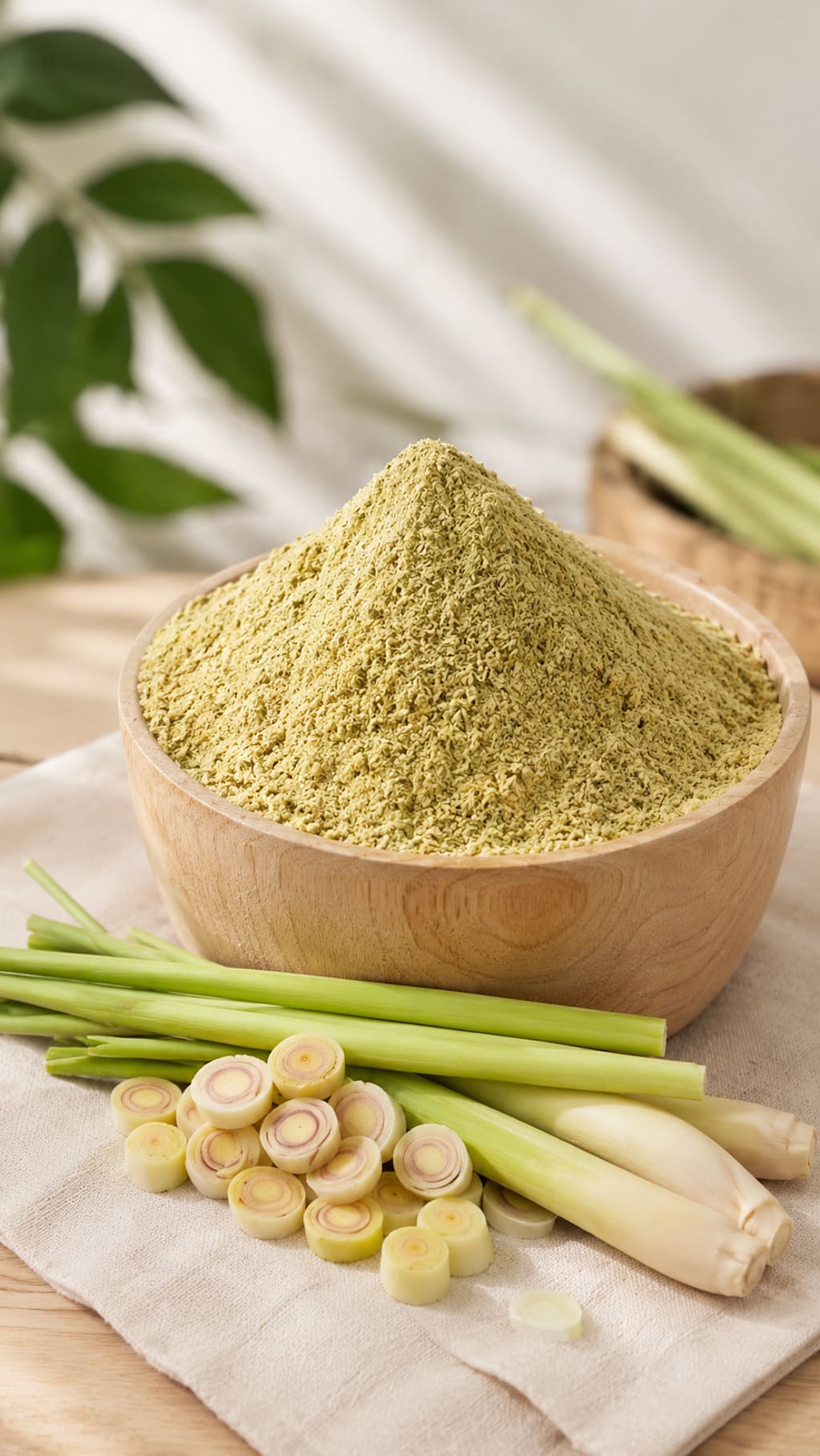
To much of the Western world, lemongrass is synonymous with tranquility. It is the soothing scent wafting through a luxury spa, an essential oil diffused for relaxation, or a light, citrusy herbal tea enjoyed in the afternoon. It is treated primarily as an aroma to be inhaled—a gentle background note meant to calm the senses.
However, step into a traditional Thai kitchen, and you will find a radically different story.
To a Thai cook, lemongrass is not a passive scent; it is an active, indispensable pillar of flavor. It is the foundational backbone of our most iconic curries and soups. Yet, a common frustration arises when travelers or home cooks attempt to recreate these dishes abroad: the flavor falls flat, tasting wooden, bitter, or distinctly lacking in depth. The culprit often lies in a fundamental misunderstanding of how lemongrass surrenders its magic.
In many Western recipes, cooks are instructed to gently slice lemongrass into neat, elegant rounds and drop them into the pot, or worse, substitute fresh stalks with processed lemongrass powder. From a Thai culinary perspective, both methods fail to unlock the herb's true essence.
Lemongrass does not readily yield its fragrant essential oils—most notably citral, the compound responsible for its bright, lemons-meets-herbal aroma—simply by being submerged in warm liquid. Dried and ground into powder, those volatile aromatics evaporate almost entirely during the dehydration process, leaving behind a dull, earthy residue that lacks vibrancy.
The real secret to Thai cooking lies in physical confrontation: the art of bruising.
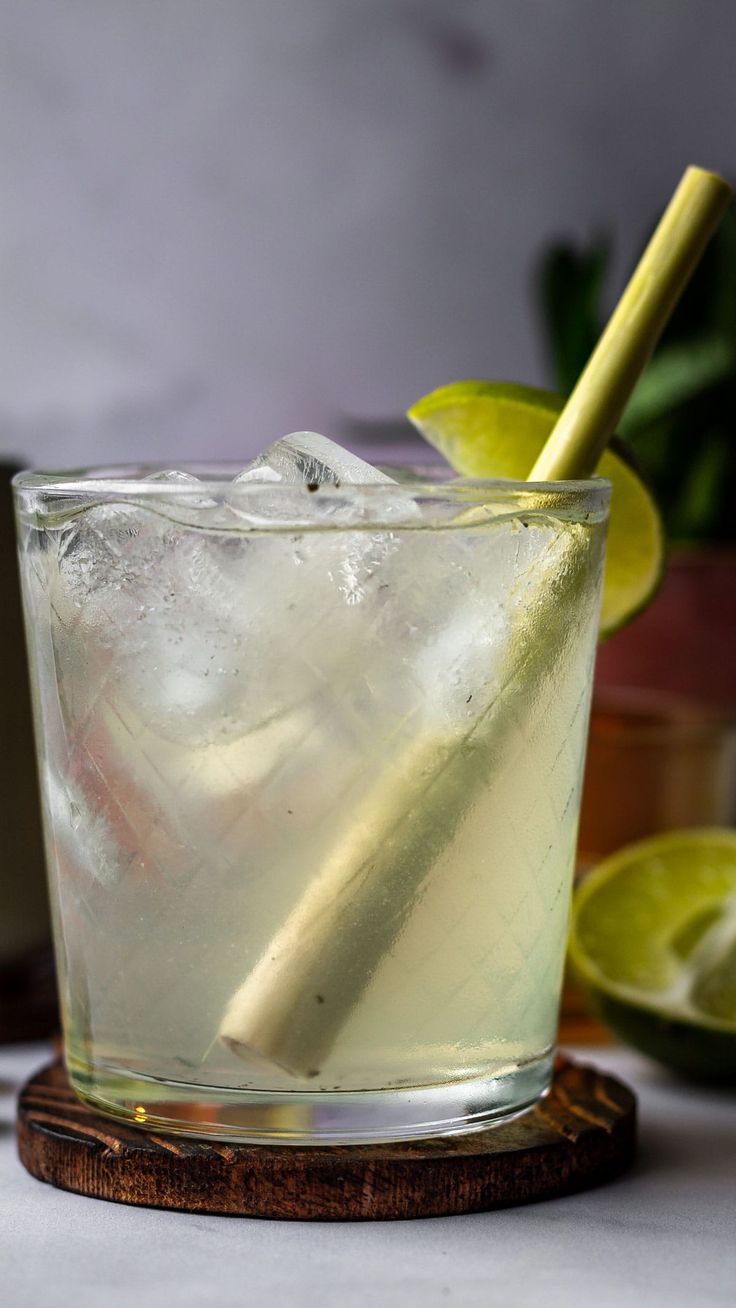
Before a lemongrass stalk ever touches hot broth or a searing curry paste, it must be struck. In Thailand, we take the blunt back of a heavy cleaver or a wooden pestle and firmly smash the bulbous base of the stalk until it splits open. We do not destroy it; we break its cellular walls. Even when lemongrass is brewed as a traditional herbal beverage in Thailand, the approach is entirely different from Western tea bags. We do not use finely swept powders or dried tea leaves. Instead, we steep freshly crushed, bruised stalks in hot water, often paired with pandan leaves or a squeeze of fresh lime juice. This method allows the full spectrum of its natural essential oils to bloom gently without extracting bitter, woody tannins.
Furthermore, in traditional Thai herbal medicine and culinary theory, bruising the plant is considered essential for releasing its aromatic therapeutic qualities. The active compound, citral, is not just a flavor driver—it is known for its anti-inflammatory properties and its ability to aid digestion after a rich, spice-heavy meal. By stripping lemongrass down to a dried, pre-ground powder for the sake of kitchen convenience, you sacrifice both the vibrant, citrusy top notes and the functional health benefits that the fresh, bruised herb inherently provides.
This act of crushing is a deliberate, functional technique. By cracking the tough outer fibers, you release the trapped essential oils directly into the pan. When that bruised stalk hits simmering coconut milk or boiling broth, the oil doesn't just sit on top—it infuses the liquid, creating a complex, layered aroma that cuts through richness and grounds the heat of chilies.
To treat lemongrass as merely an aromatherapy oil or a convenient dried powder is to miss its culinary soul entirely. It requires kinetic energy, fresh stalks, and a deep respect for how its flavor operates. True Thai cooking isn't about delicate handling—it’s about knowing exactly when to crush a stem to bring a dish to life. When you honor the fresh stalk through the simple action of a crush, you bring authentic Thai heritage directly onto your dinner table. Choose the mortar over the powder jar every single time.
About the Creator
Enjoyed the story? Support the Creator.
Subscribe for free to receive all their stories in your feed.
Comments
There are no comments for this story
Be the first to respond and start the conversation.