
Watching My Dad Struggle While Caring for My Mom Was the Hardest Part
Watching him struggle showed me a side of caregiving people don’t talk about.
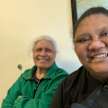
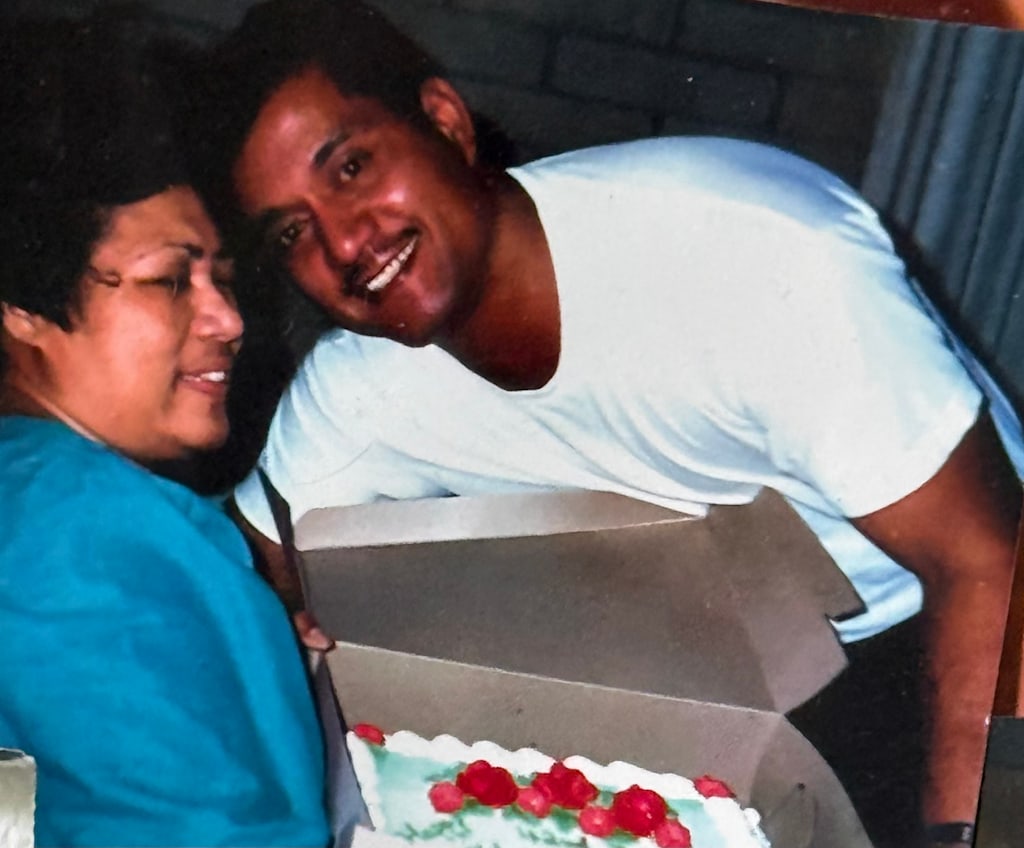
Watching my mom go through dementia has been one of the hardest things in my life.
But something people don’t really talk about is what it does to the spouse.
Watching my dad go through this has been just as hard, and in some ways, it opened my eyes to a different kind of pain I didn’t expect.
At first, my dad didn’t notice anything was wrong. Everything seemed normal. It wasn’t until later that he started seeing small changes. My mom began accusing him of things that weren’t true, like cheating or stealing. Even though they shared the same bank account, she would say he never gave her money, even when he did.
Growing up, my parents did everything together. They went grocery shopping, showed up to family events, and hosted gatherings at our house. They were always side by side. That’s what I was used to seeing.
So, when things started changing, it was hard for my dad to understand.
He would get frustrated because he didn’t know why she was acting like that. He tried to explain himself, give her money again, and calm her down—but nothing worked. No matter what he said, she believed what she was thinking.
There were times she said she saw him outside with another woman, even though he had already left for work. I would go outside to check, and no one would be there. That’s when I realized how serious things were getting.
It became confusing, not just for her, but for all of us.
Sometimes my dad would come home, and my mom would already be upset. She would yell, throw his things outside, and accuse him again. But what made it even harder was that later on, she would forget everything that happened. She would ask why his things were outside, not remembering that she had thrown them out herself.
That’s when my dad would get really upset.
To him, it felt like she knew what she was doing. But I had to remind him that she didn’t remember—it was the illness. That part was really hard for him to accept.
There were times my dad would leave the house and sleep in the car just to get away and have some peace. He was tired, overwhelmed, and didn’t know how to deal with it anymore.
Even when I explained it to him, he didn’t fully understand at first.
This was back when we were staying with my sister. Later on, I got a house for us because we thought things might get better if we had our own space.
But nothing changed.
That’s when I started to understand more about what was really going on.
Being Pacific Islanders, mental health wasn’t something we talked about growing up. If someone acted differently, people would just say they were “crazy” instead of trying to understand what was actually happening.
That’s how my dad saw it at first.
But over time, I’ve seen a change in him.
He’s slowly starting to understand that this isn’t my mom—it’s the illness. As time goes on, he sees it more clearly. But even with that understanding, it still hurts him.
There are moments where I can see it on his face. There are times where he gets quiet, or emotional, because he hates seeing my mom like this. There have been times where both of us have broken down and cried because of how much things have changed.
I always tell him not to take it personally, and he’s gotten better over time. But he still has his moments, and that’s understandable.
Because at the end of the day, that’s his wife.
Even through the frustration, I can still see the love he has for her. It hasn’t gone anywhere.
And that says everything.
Through all of this, I’ve learned that caregiving doesn’t just affect one person—it affects the whole family.
It changes how people act, how they feel, and how they handle things.
But it also showed me something important.
We only have each other.
And even through all of this, we’re still standing together, doing the best we can every single day.
About the Creator
Blessing Palaita
I write about real life, balancing caregiving, work, and everyday challenges. As a caregiver for my mom with dementia, I share my experiences, struggles, and lessons to connect with others and remind them they’re not alone.
Enjoyed the story? Support the Creator.
Subscribe for free to receive all their stories in your feed. You could also become a paid subscriber, letting them know you appreciate their work.
Comments
There are no comments for this story
Be the first to respond and start the conversation.