divorced
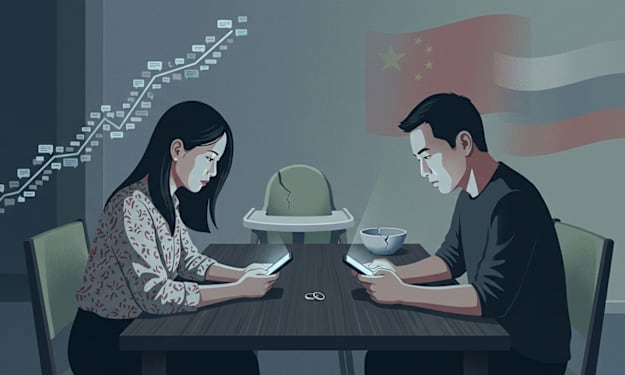
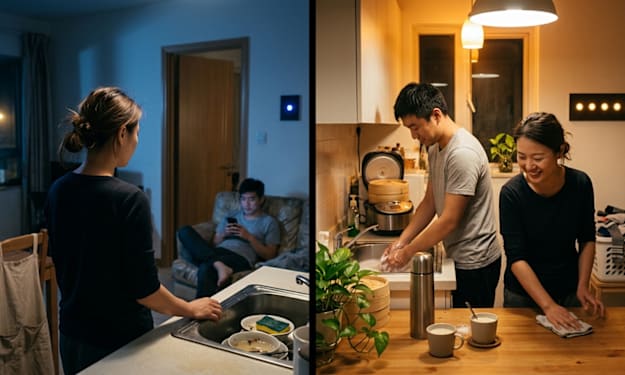
Sometimes a good divorce is better than a bad marriage.
The Crown Between Them
The palace had never felt so quiet. For decades, it had been a place of ceremony, tradition, and carefully measured words. Every step mattered. Every glance carried meaning. But behind the polished doors and historic walls, it was still a home—one that had slowly grown divided.
By Behind the Curtain2 months ago in Families
What I Wish I Knew Before Looking for a Divorce Lawyer in LA
I'm not really a writer, so bear with me on this one. I keep seeing posts from people going through what I went through last year and figured I'd write down what actually helped, because at the time I was googling things at 1am with zero idea what I was even looking for.
By Lisa Marcus3 months ago in Families
Father's Day 2026
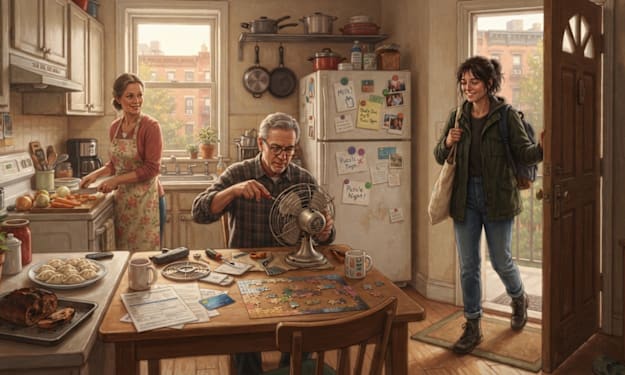
My husband is the charm. He is husband number three and has four children. Husband number two had one son. Husband number one and I had two children. This is for a total of seven children for me. And then there are thirty grandchildren and thirteen great grandchildren.
By Denise E Lindquist3 months ago in Families
The Symphony of the Sewing Machine
Elena hated the clutter of her grandmother’s attic, a dusty, crowded repository of forgotten decades, discarded furniture, and fading memories that smelled heavily of mothballs and old paper. But after Esther passed away quietly in her sleep, the monumental and emotionally draining task of sorting through the remnants of her long, quiet life fell entirely on Elena’s shoulders. Amidst the yellowed photographs, stacks of old handwritten letters, and heavy wool coats sat a heavy, cast-iron Singer sewing machine from the early 1950s. It featured intricate gold decals fading on its black body, housed within a dark walnut wooden cabinet. It was a stark, jarring contrast to Elena’s minimalist, fast-paced life as a graphic designer in the city, where everything was disposable, digital, perfectly clean, and easily replaceable with the click of a button. Elena reached out and touched the cold, heavy black metal wheel. Her grandmother had spent decades sitting behind this exact machine, repairing winter coats for the neighborhood children, tailoring wedding dresses for young brides, and stitching together the literal fabric of their family’s life during lean years. Elena, caught up in the modern rush of fast fashion, online shopping, and instant gratification, had never truly understood the immense patience required for such tedious, manual labor. To her, a torn shirt or a missing button was something you simply threw into the recycling bin, not something you spent an hour meticulously mending by hand. On a whim, driven by a sudden, overwhelming wave of grief and a desire to keep a piece of Esther close, Elena decided to hire movers to transport the heavy machine back to her modern, open-concept apartment. It sat in the far corner of her living room for weeks, an awkward, silent monument to the past that didn't fit the sleek aesthetic of her Scandinavian furniture. One rainy Tuesday evening, deeply stressed by a looming corporate design deadline and overwhelmed by the constant, aggressive pinging of client emails on her dual monitors, Elena found herself drawn to it. The digital world felt cold and demanding. She opened the wooden cabinet, unfolded the machine, and found a woven basket of fabric scraps her grandmother had left behind. With trembling fingers, she followed the etched guides to thread the ancient needle, placed a piece of denim under the foot, and pressed her bare foot down on the heavy iron treadle pedal. The machine didn't just start; it roared to life with a rhythmic, mechanical cadence clack-clack-clack-clack that echoed through the quiet apartment. It was an incredibly grounded, tactile experience that demanded her complete attention. Unlike the smooth, silent, and forgiving glide of her digital stylus on a glass tablet, where an error could be erased with a simple undo command, the sewing machine demanded her absolute physical presence and total concentration. The needle was real, the sharp metal was dangerous, and the fabric was unforgiving. If her mind wandered to her work anxieties or client feedback, the fabric bunched up immediately. If she rushed the pace, the thread snapped cleanly in half, forcing her to stop and start the delicate threading process all over again. As the late-night hours dissolved into the early morning, the rain beating a steady rhythm against her window, Elena watched disparate pieces of floral cotton and old denim slowly transform into a simple, structured tote bag. The lines weren't perfectly straight, and the stitching was noticeably uneven and messy in certain places, but it was entirely real, holding a physical weight in her hands. She felt a profound, unexpected wave of closeness to her grandmother, as if Esther were standing right behind her shoulder, guiding her posture. She finally understood the quiet, meditative peace of creating something slowly, piece by piece, through deliberate physical effort. Elena realized that her grandmother wasn't just mending clothes out of economic necessity all those years ago; she was practicing mindfulness long before it became a commercialized modern wellness trend. The old machine became Elena's daily sanctuary from the digital noise of her design career. It was a beautiful, functional reminder that the finest, most resilient things in life cannot be automated or rushed; they require time, patience, and deliberate human care to truly hold together.
By Asghar ali awan3 months ago in Families