
It's Getting Hot In Here
Our warming planet is sounding the big gongs, telling us to change.



Our boiling planet bubbled into more concerning areas and a new unofficial hottest day on record was set. Are scientists correct? Is this a clear sign of how pollutants released into our world are warming our environment?
There are coral reefs dying, more intense Nor'easters, and most of the upper United States was choked out by smoke last week from wildfires in Canada. The concern for the climate is touching, particularly by A-list celebrities that can afford electric cars, but still shuttle around the globe in private jets that pollute our atmosphere.
Are we in new territory? Some scientists say yes. We've known for most of the past couple of months that ocean temperatures are being affected. A marine heatwave caused global ocean temperatures to soar to nearly 70 degrees Fahrenheit. This has been attributed to a combination of greenhouse gases and the early El Nino formation.

These high ocean temperatures come with several potential consequences for our oceans. Coral reef bleaching can lead to the death of the corals and impact the health and biodiversity of the coral reef ecosystems. Marine heatwaves not only destroy coral reef ecosystems, but they also can upset the balance in the marine ecosystems as well.
The effects on fish populations can be drastic. Migratory patterns may change as fish look for more comfortable or suitable waters. Fish populations can die off or suffer from changes in reproductive behaviors. This will impact the fishing industry and the coastal communities that depend on fisheries.
Heat, such as we're seeing this year, can disrupt ocean circulation patterns that play a crucial role in global climate systems. Disruptions in ocean circulation can have far-reaching consequences, including altered weather patterns and impacts on the regional and global climate.
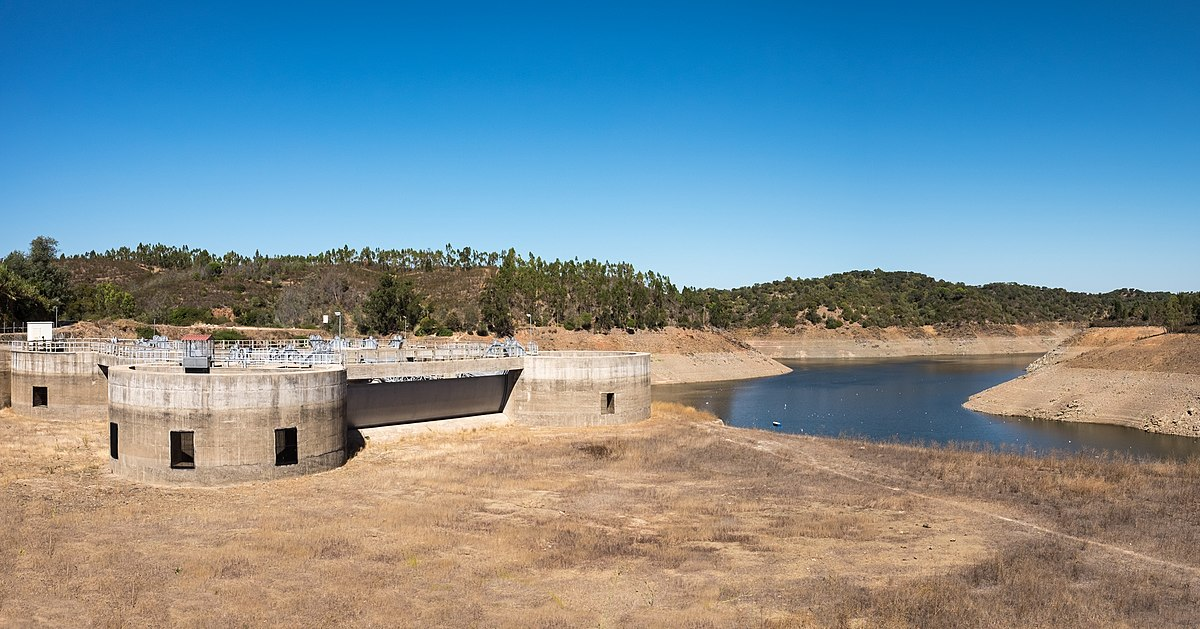
Through most of 2022, the southwestern United States was the place to watch as everything from water supplies to hydroelectric dams was being threatened by a long-standing drought. While that problem may be improved for now, it wasn't just a problem we saw here at home. Around the world, dams saw droughts as rivers and lakes dried up, some drying so much they were impassible by barges or large watercraft.
As the climate continues to warm, the scientific community watches the Antarctic sea ice shrinking to record lows. This year, according to the National Snow and Ice Data Center, there were 4.5 million square miles of ice. That is approximately 1 million less than there was just 40 years ago. To put that into context, an area nearly four times the size of Texas has disappeared from the ice sheet.
Don't forget about the fifth season of the year, Fire Season. Wildfires are getting worse and causing more problems than ever. Just look at the fires originating in Canada. As far south as west central Illinois was covered in a haze for nearly a week that originated across the border.

As if living in the world wasn't getting harder, and scarier, now such things as air quality alerts are common. When the air quality alerts hit, people with health issues, the young and the old, were being told to avoid being outside if they could avoid the outdoors and everybody was warned to decrease strenuous outdoor activity.
Wildfires, stronger storms, higher temperatures around the globe, threats to water supplies and ultimately, food supplies. Is there anyone out there that is still unconvinced that climate change is very real and very serious? If so, consider this next reality.
As the planet continues to warm, military bases in South Florida have drafted plans for climate and sea-level rise risk. The plan is to spend millions of dollars to elevate four critical facilities. Facilities in Doral, a command center in Central and South America, and one in the Caribbean.
The military is being briefed by those that have the scientific ability to back up their claims and is preparing for what's seen as not only possible but probable.
If the U.S. Military is sounding an alarm about a risk to our country and our military assets, we should stop, listen, and realize this is becoming all too real at an increasing rate.
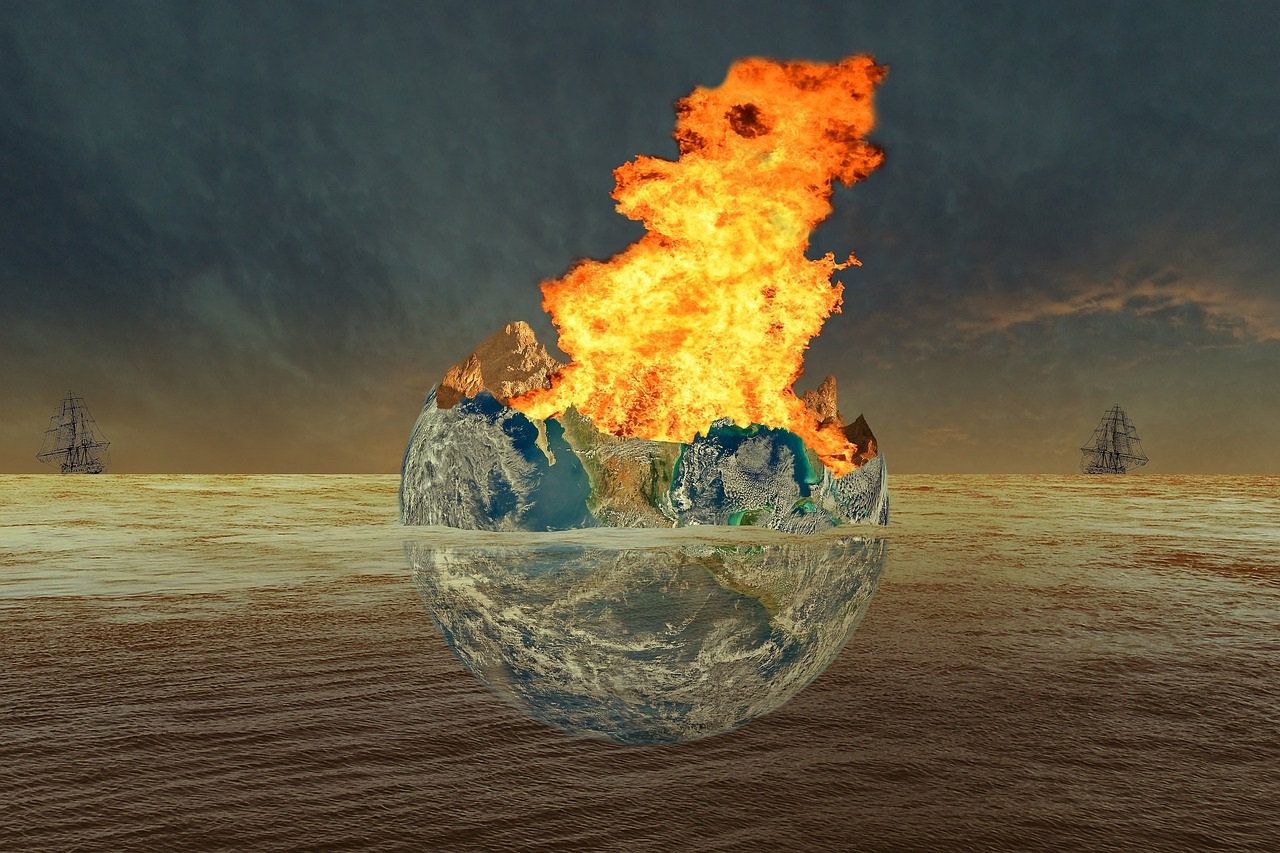
It's time to wake up, stop ignoring the obvious, and start pushing toward a better tomorrow. Waiting any longer may leave us without such extravagances as clean air, food, and water to drink. Hey, who needs any of that? It's not like it's going to happen in your life time, or your kids's, or their kids's.
About the Creator
Jason Morton
From fiction to reality there’s tons to share about this crazy life. From being a single father, an officer, and having had many insane adventures while I learned about the world, my imagination runs wild with ideas.
Enjoyed the story? Support the Creator.
Subscribe for free to receive all their stories in your feed. You could also become a paid subscriber, letting them know you appreciate their work.
Comments
There are no comments for this story
Be the first to respond and start the conversation.