
Top 10 Most Dangerous Prisons In California
Ranking close to second nationwide for holding the most incarcerated individuals, over 97,600 state prisoners are currently held at 31 adult prisons in California, today we look at why many go into these dangerous facilities but some never come out.

10 - High Desert State Prison
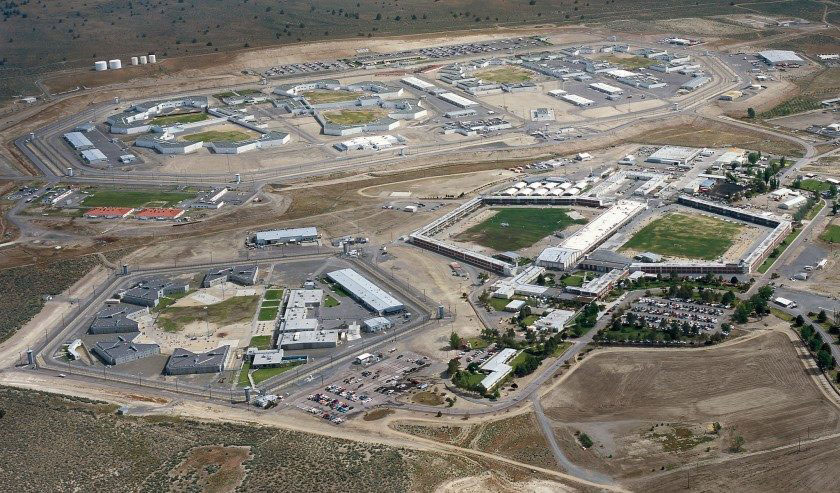
Tucked into the high desert plateau of Lassen County, roughly six hours northeast of San Francisco, High Desert State Prison is one of the more isolated and controversial institutions in the California Department of Corrections and Rehabilitation system.
Built to relieve overcrowding in the 1990s, it has since become known for housing some of the state's longest-serving violent offenders on Rice Canyon Road near Susanville.
Housing people convicted of the state's most serious and violent crimes, this level IV facility was built for 2,324 people but currently holds anywhere up to 3,500 incarcerated people depending on the time of year.
In September 2016, inmate Martin Hall, who was serving a life sentence under California's three-strikes law, died after being attacked by his cellmate, Donald Wilson, three weeks earlier.
In November 2019, inmate Edgardo Herrera was attacked by two other prisoners, Roger Vasquez and Douglas Leon, on a yard at the facility with two inmate-fashioned weapons found at the scene.
In May 2024, inmate Scott Cook died after being stabbed by two other prisoners, John Patch and Zachary Harris, in what was again classified as a brutal prison murder.
Another attack, this time in the prisons day-room, saw 29-year-old Anthony Alvarez Jr. killed by fellow inmates Luis Alvarez and Vincent Martinez in August 2024.
High Desert has, over the years, housed a number of people convicted of high-profile crimes, including serial killer Terry Peder Rasmussen, linked to multiple unsolved murders across several states under aliases including "The Chameleon," but he died in 2010.
David Westerfield, convicted in the 2002 kidnapping and murder of seven-year-old Danielle van Dam in San Diego has been held at High Desert in recent times and his case has often draw national media attention.
Joseph Fiorella, one of three young men convicted in the 1995 murder of fifteen-year-old Elyse Pahler in Nipomo, California, a crime that drew widespread coverage due to its connections to death-metal fandom, has also served time at the facility.
9 - Kern Valley State Prison
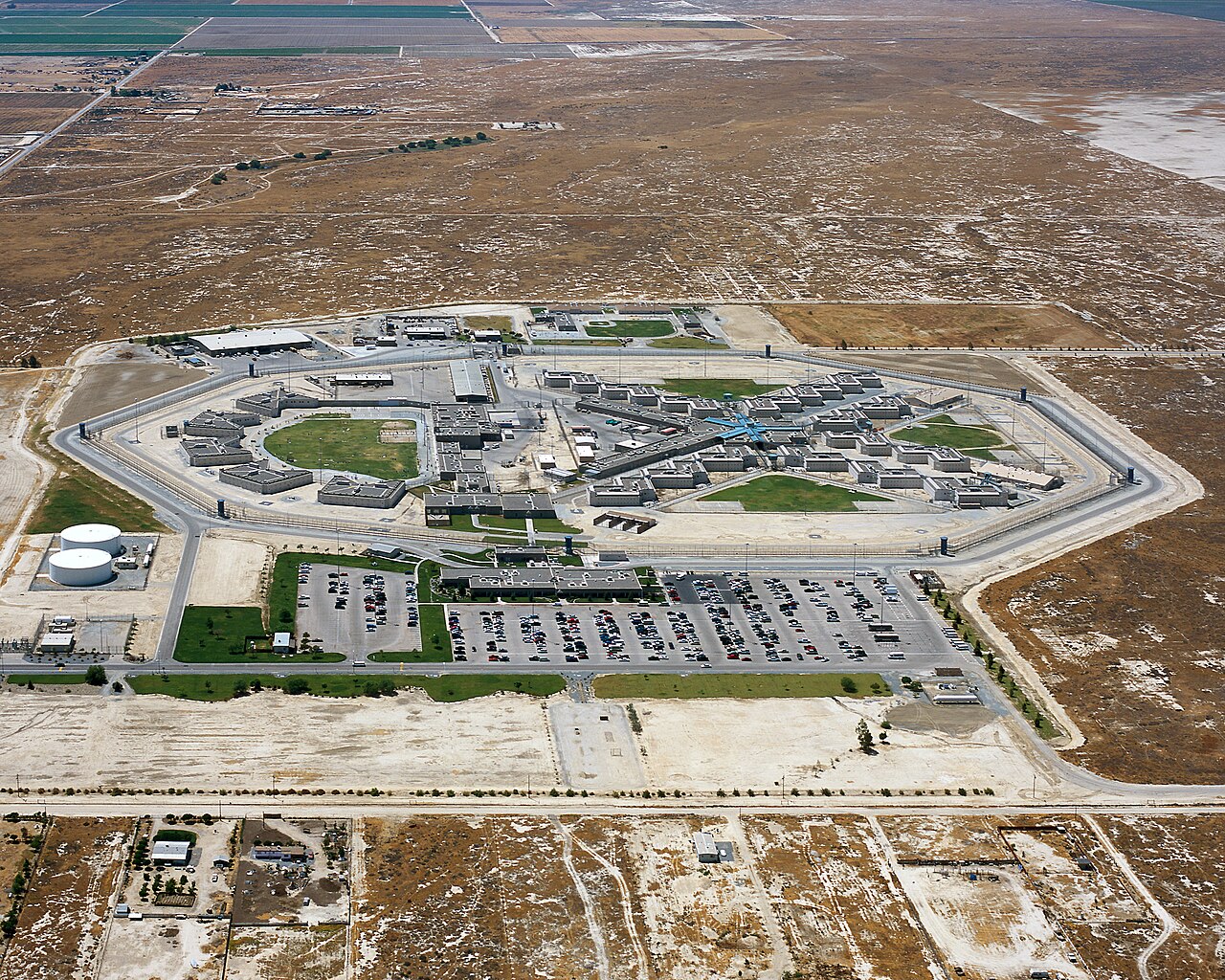
The end of the line for the state’s most volatile offenders, Kern Valley is a maximum-security institution where high-stakes gang rivalries are one of the biggest dangers for both new inmates and long-term prisoners.
Opened in June 2005 in Delano, Kern Valley was engineered with state-of-the-art security perimeters, lethal electrified fences, and isolated housing blocks designed to keep high-risk inmates contained.
Despite its modern construction, the facility almost instantly ran into the same issue plaguing the rest of the state, overcrowding, currently operating at 130% of its design capacity at 3,200 inmates.
This prison has played host to one of California's most notorious and disturbing criminals, Juan Manuel Alvarez, who was responsible for the horrific 2005 Glendale train crash.
Alvarez left his SUV on the tracks, causing a Metro link passenger train to derail, which resulted in 11 deaths and nearly 200 injuries and is currently serving 11 consecutive life terms.
Antron Singleton, known as "Big Lurch" was an aspiring rap artist whose career came to a horrific halt in 2002 after he murdered his roommate in an almost unspeakable murder, currently serving a life sentence.
Yard violence at this prison exploded in 2022, when a rash of homicides broke out across many prisons in the area and this also included fatal cell stabbings and weapon-driven yard attacks.
8 - Corcoran State Prison
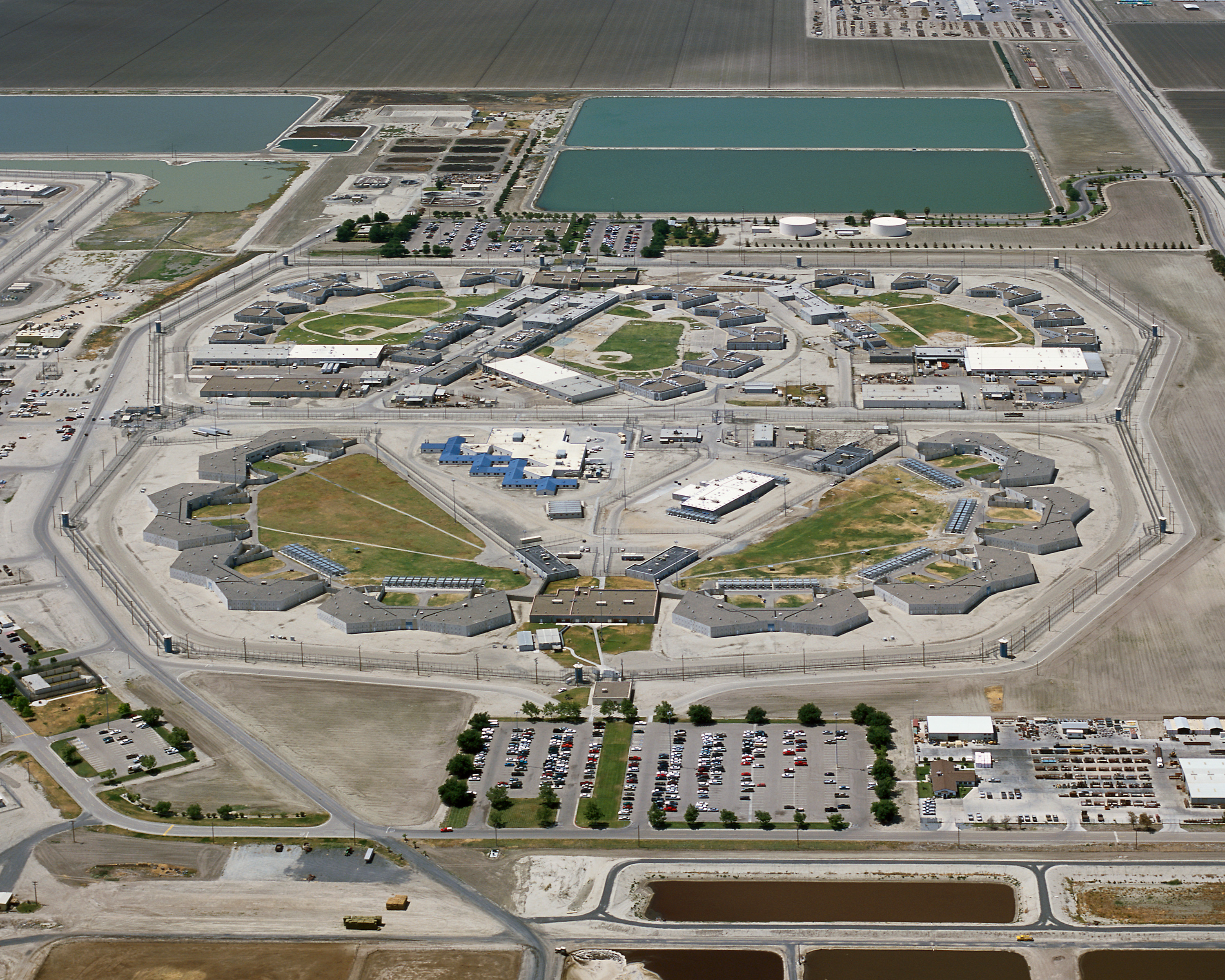
Rising out of the dusty agricultural landscape of Kings County, Corcoran is one of the most infamous and heavily fortified maximum-security prisons in the United States.
Opened in 1988, Corcoran was built during California’s prison construction boom and features a roster of the world's most terrifying criminals all thrown into a dark era of systemic violence.
During the late 1980s and 1990s, Corcoran became the focus of intense national scrutiny due to a pattern of state-sanctioned violence inside its Security Housing Unit, known as The "Gladiator Days."
Correctional officers would place bets on the outcomes of the fights and, when the brawls escalated, shoot the inmates with 37mm wooden-block guns or lethal 9mm rifles.
The scandal reached a boiling point on April 2, 1994, when an inmate named Preston Tate was shot in the head and killed by a guard during a staged fight with a rival faction.
The investigation revealed that between 1989 and 1995, more than 50 prisoners had been shot by guards while fighting, resulting in seven deaths and, in 1998, eight officers and supervisors were federally indicted for civil rights violations.
Because of its specialized, hyper-secure, specialized Protective Housing Unit, that is designed to keep inmates who would be immediately targeted for death, safe from the general population, some of the most recognizable names in criminal history have been held here.
The notorious cult leader, Charles Manson, spent nearly 30 years in this prison after being transferred here in 1989, living out the bulk of his life sentence in solitary and receiving thousands of letters from the public.
The Golden State Killer, Joseph James DeAngelo, pled guilty to 13 murders and dozens of assaults, is currently locked away at Corcoran under strict protective custody due to his former job as a police officer.
Rodney Alcala, one of America's most prolific serial killers, is another famous resident and is known as the "Dating Game" Killer after his appearance on the TV show of the same name.
7 - California Institution for Women
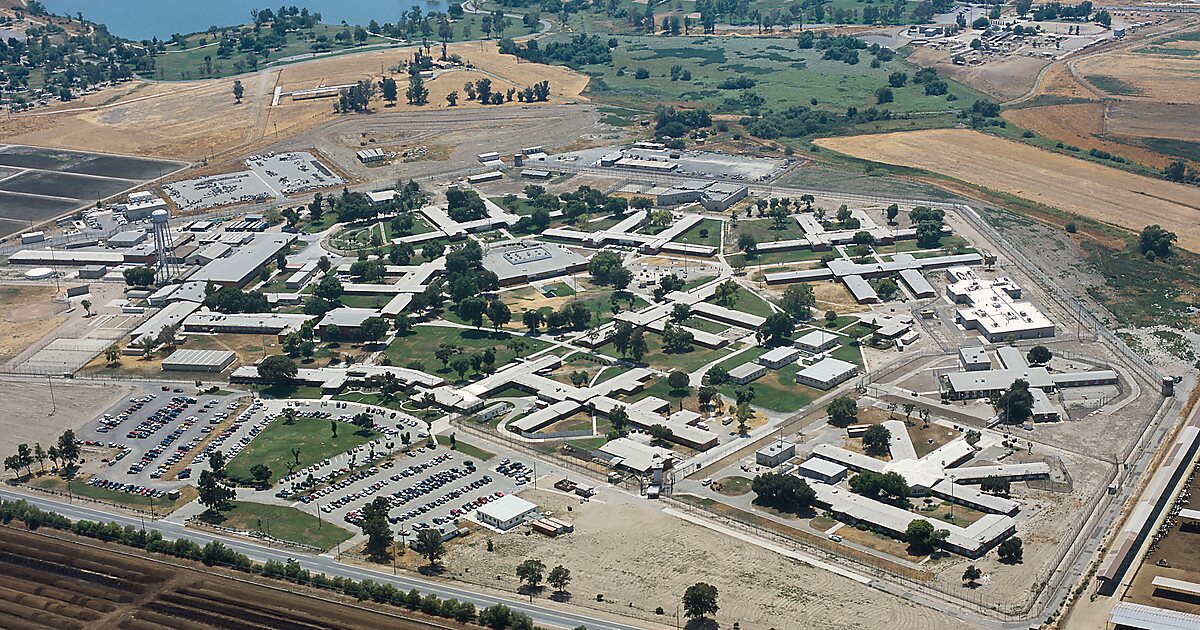
While its early architectural design resembled a campus with cottages and open courtyards, this kinder and gentler rehabilitative environment attempt soon hardened with the prison evolving into a hardened fortress.
Housing many of the state's most volatile, notorious, and dangerous women, CIW opened in 1952 as a replacement for an older facility and was California's first standalone, modern prison built specifically to house high-risk female offenders.
Because of its specialized facilities, the state's most dangerous female offenders have spent decades behind its razor-wire perimeters, including many of the female disciples of cult leader Charles Manson.
Patricia Krenwinkel, Leslie Van Houten, and the late Susan Atkins were all held here, with Van Houten spending over 50 years inside the facility before being granted parole and released in July 2023.
Brenda Ann Spencer, the "I Don't Like Mondays" Shooter, was housed here after opening fire on an elementary school across the street from her home in San Diego, killing the principal and a custodian.
The "Matriarch of Torture," Theresa Knorr, was convicted in 1995 of the systematic murder of two of her own daughters, using her other children to cover up the crimes and is one of the most disturbing inmates to be held in the facility.
This prison has also faced rampant civil rights and medical abuse scandals, with multiple federal civil complaints bringing to light horrific accounts of supervisory kitchen staff using their authority to attack staff.
6 - California Institution for Men
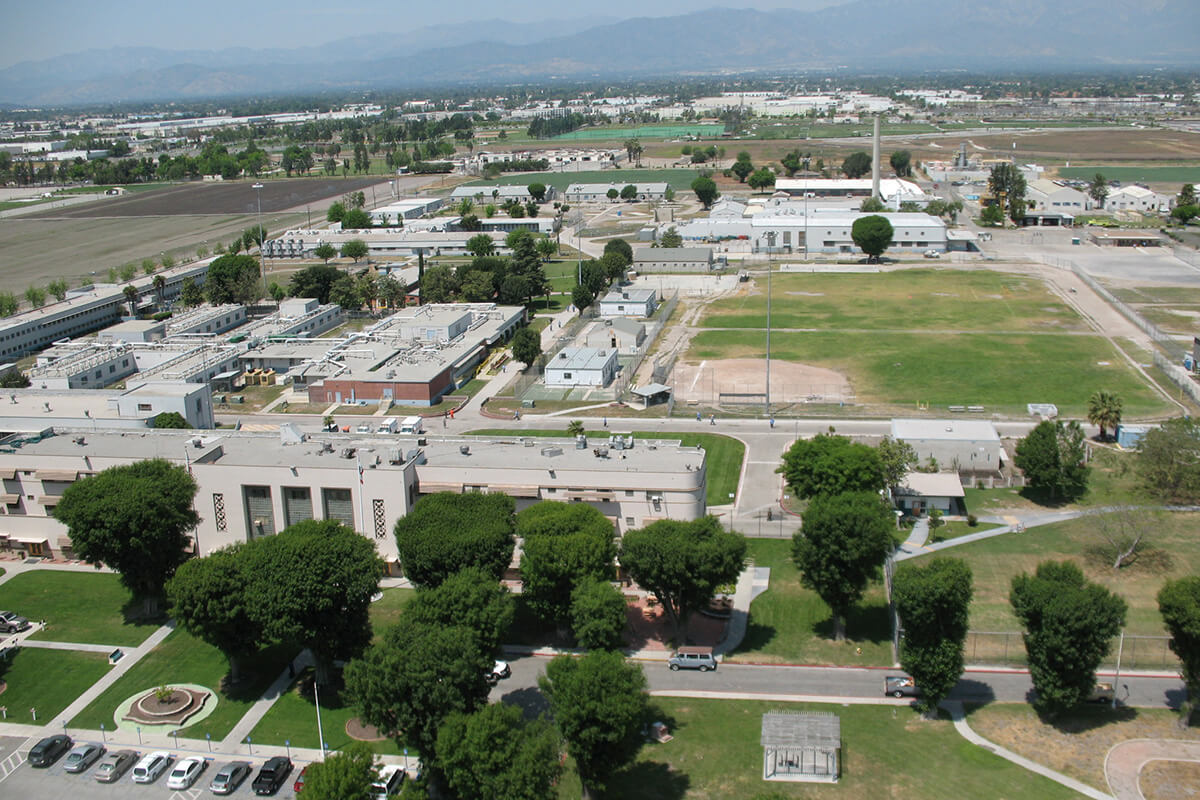
Originally celebrated by criminologists as a revolutionary "prison without walls," this prison is spread across 2,500 acres and was once known as the "Chino experiment," made famous for its open farmlands, dormitories, and a simple five-strand cattle fence.
California's mid-to-late 20th-century crime wave put pay to all that, with much of the states incoming prison population passing through its level I to IV security levels.
The Reception Centers function as a massive processing gateway for all newly sentenced felons from Southern California and many inmates are kept on a highly restricted, maximum-security lockdown while staff evaluate their criminal records.
An astonishing number of society's most famous and infamous figures have passed through the prisons processing units, including the "Scorecard Killer," Randy Kraft, convicted of murdering 16 young men and suspected of killing over 67.
Another legendary and terrifying figure in underworld history, Rodolfo Cadena was a premier, foundational leader of the Mexican Mafia was later murdered inside the prison in 1972.
The perpetrator of the tragic 2001 Santana High School shooting, Charles Andrew Williams underwent his initial adult maximum-security processing here after being convicted of killing wo students dead and leaving thirteen others wounded.
One notable incident to mention at this prison, in 1983, a convicted burglar named Kevin Cooper escaped by simply slipping through a literal hole in the prison's outer security fence.
Cooper had been mistakenly transferred to Chino's minimum-security wing under a false alias, entirely masking his extensive history of violent jailbreaks and psychiatric institutional flights.
Just days after breaching the Chino line, Cooper committed the horrific Chino Hills murders, slaughtering four people, a tragedy that triggered intense national outrage and an overhaul of inmate tracking protocols.
5 - San Quentin Rehabilitation Center
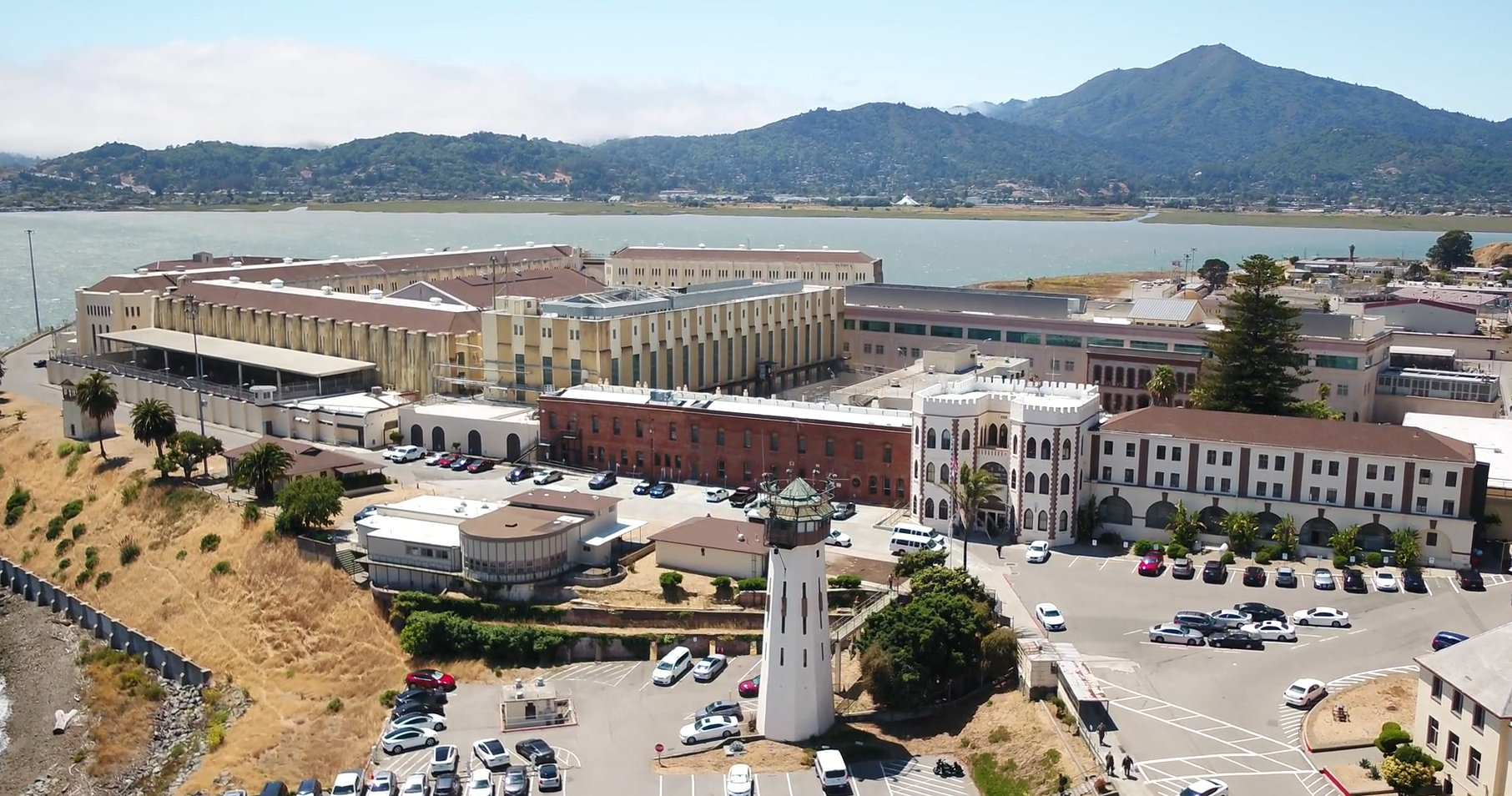
One of the more famous prisons in the state, Historically known as a grim, maximum-security fortress that housed the state's male death row and was formally known as San Quentin State Prison.
When San Quentin first opened, inmates were housed on a wooden sailing ship, the Waban, until they cleared the land to build the prison's notorious "dungeon" cells that would house inmates for the next 150 years.
For decades, San Quentin housed the largest execution waiting list in the United States until the Condemned Inmate Transfer Program systematically moved all condemned individuals into general populations.
Current dangerous inmates include Vincent Brothers, a man who was convicted in the shooting and stabbing of five members of his own family and was sentenced to death in 2007.
Joseph Danks, known as the "Koreatown Slasher," murdered six homeless men in Los Angeles in 1987 and strangled his cellmate in the California Correctional Institution in 1993, was later sentenced to death here.
Wayne Adam Ford is another dangerous inmate to be held at this facility and was convicted of killing four women in 1997 and 1998, later diagnosed with borderline personality disorder, he is still housed here today.
William Bradford, a now deceased inmate, was considered to be one of the prisons most dangerous inmates, suspected of killing 20-women and convicted of killing two, he died from natural causes in 2008.
Finally a sinister inmate dubbed the "Vampire Killer" and the "Vampire of Sacramento," Richard Chase killed six people between December 1977 and January 1978 in crimes that are far to disturbing to mention here, he died in the facility in 1980.
4 - California Correctional Institution
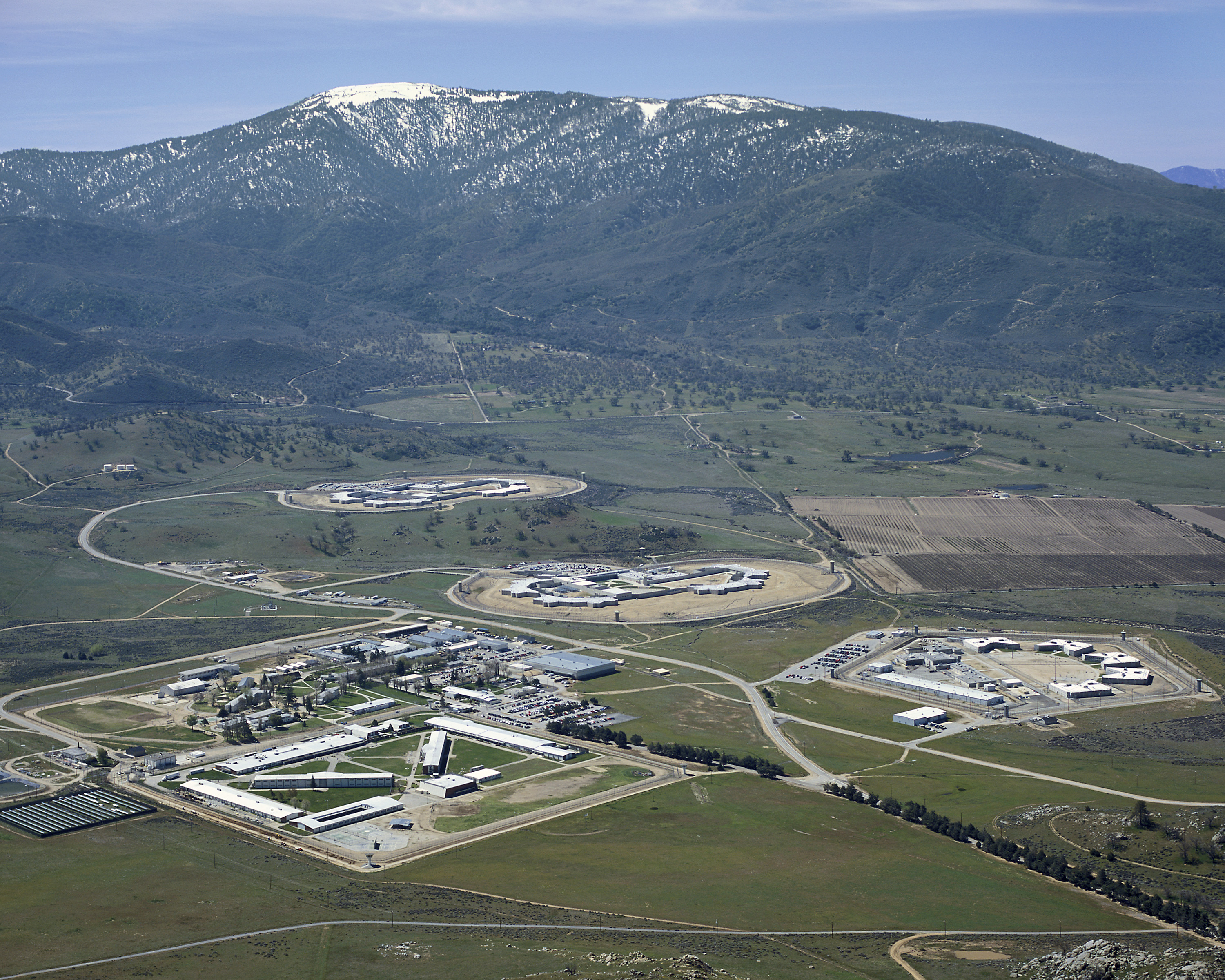
Featuring a menacing reputation within the underworld, CCI was born from an idealistic social experiment that evolved to become a pioneered vanguard of the American "Supermax" isolation model.
Built specifically to break the backs of California’s most entrenched prison gangs, the prisons geographic location is no accident with harsh alpine winters and sheer distance from major urban hubs providing natural barriers to escape.
The prison is a sprawling, 1,650-acre multi-custody compound handling everything from low-risk work crews to maximum security inmates from level one to four security classifications.
Gerald Parker, also known as the Bedroom Basher and the Bludgeon Killer, murdered five young women from December 1978 through to October 1979, served time here before his transfer to San Quentin State Prison.
Another dangerous inmate, Scott Evans Dekraai was responsible for the 2011 Seal Beach shooting which saw eight people lose their lives in a hair salon and his crime remains the deadliest mass killing in Orange County history.
The East Bay Strangler, Philip Joseph Hughes Jr, who killed at least three young women in Contra Costa County throughout the 1970s has been held here ever since and has suspended his own parole hearings, declaring himself too dangerous for release.
Another serial killer held at this prison, John William Kelley was sentenced to life imprisonment without parole after the murders of three people between 1986 and 1988 but was not captured until August 15th, 2012.
A mass riot occured at this prison in 2025, when 61 maximum-security inmates launched a sudden, multi-faction melee that targeted rival gang members using heavily concealed weapons manufactured inside the housing cells.
Officers recovered 18 improvised shanks from the dirt yard and seven inmates had to undergo emergency medical transport for advanced trauma care.
3 - California State Prison, Sacramento
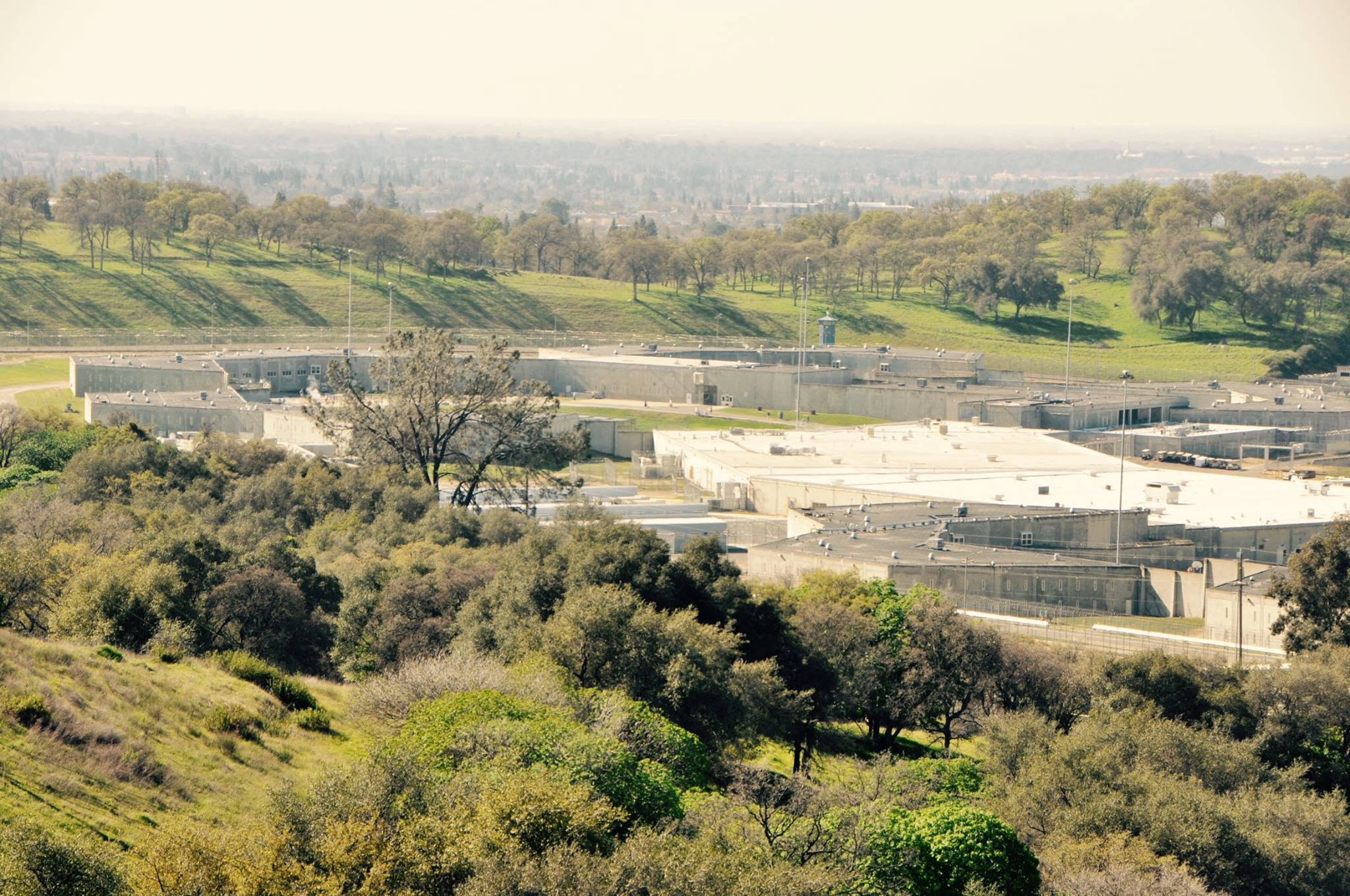
Directly adjacent to the historic, granite walls of old Folsom Prison sits its younger, far more volatile neighbor that is, today, universally known in criminal underworld and law enforcement circles as "New Folsom."
This newer prison is characterized by modern architectural engineering designed for one express purpose, absolute behavioral containment, but it has earned a reputation as one of the most violent and high-pressure crucibles in the entire system.
Engineered at the height of California's gang wars to correct the tactical flaws of older prisons and features a central, elevated control booth protected by bullet-resistant glass.
An armed officer maintains a direct, unobstructed 180-degree line of sight into every single cell door and communal space with a layout that minimizes blind spots and the entire facility is wrapped in a lethal electrified perimeter fence.
Many famous inmates have passed through or reside here including one half of the infamous Menendez brothers, Erik Menendez, was sent to New Folsom in 1996 following his conviction for the shotgun murders of his parents.
An infamous member of the "San Quentin Six," Hugo Pinell was a foundational figure in the Black Guerrilla Family prison gang and spent decades in continuous solitary confinement, not just in new Folsom, but other prisons across the state.
One half of the monstrous "Speed Freak Killers" duo, Wesley Shermantine was also held here after a multi-decade methamphetamine-fueled killing spree saw him and Loren Herzog kill as many as 72 people and earn him a death sentence.
A Salvadoran serial killer, Ramon Escobar, who killed seven people during a month-long killing spree between Texas and California in 2018 was transferred here after the murder of his cellmate in North Kern State Prison.
2 - Folsom State Prison
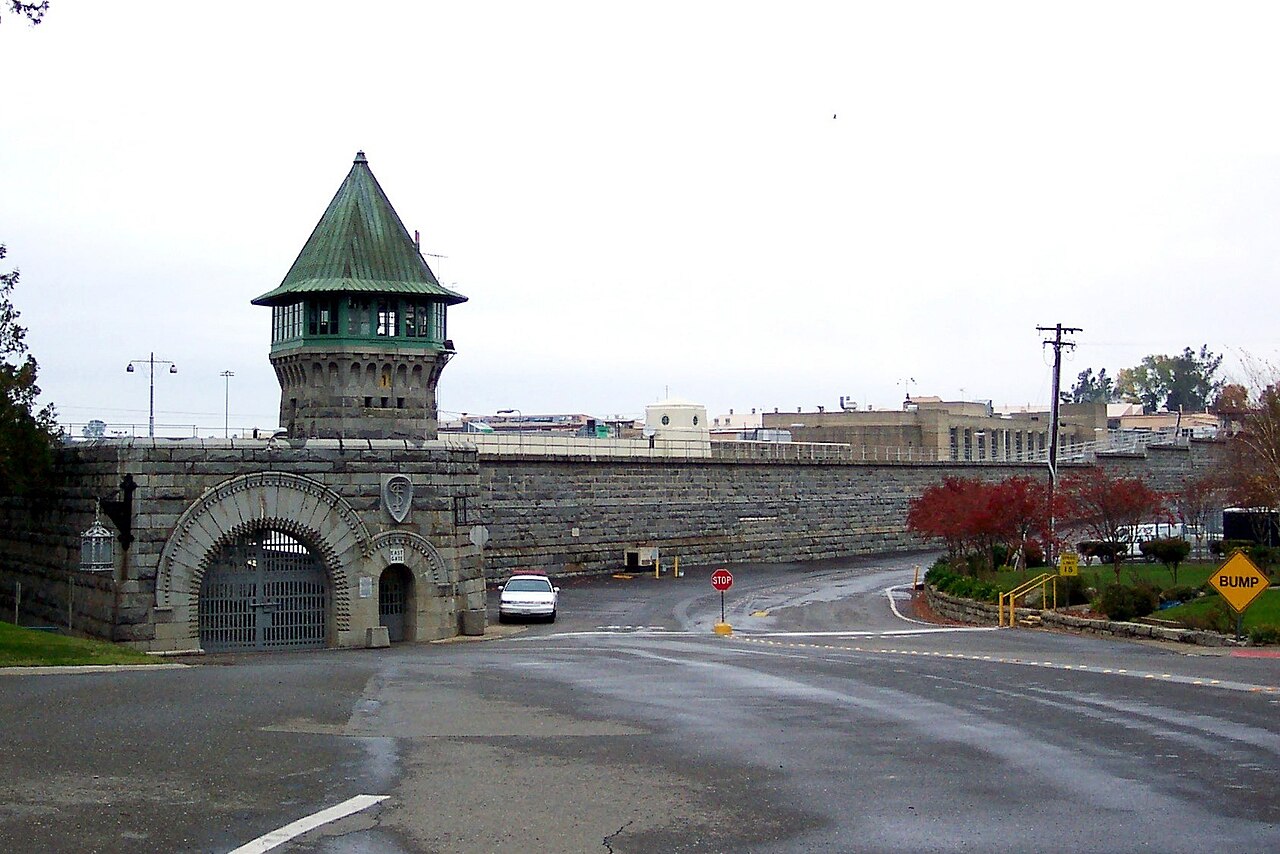
Etched directly into the granite cliffs overlooking the American River is one of the most culturally legendary and historically significant correctional institutions in the world.
Folsom opened in 1880 and is California's second-oldest prison that was built during the post-Gold Rush era that featured a dark, gripping tale of heavy labor, architectural milestones, and a legacy of desperate, violent escape attempts.
Folsom was engineered to be an inescapable tomb where inmates spent their sentences hand-quarrying the very granite cliffs the prison sits on, slowly constructing the towering, gray cellblocks one at a time.
Inmates were locked into dark, windowless 4-by-8-foot cells carved out of solid stone, secured behind heavy steel doors with only a six-inch eye slat for light and ventilation.
There was no running plumbing or electricity in the cellblocks for nearly half a century; inmates relied on a primitive "bucket system" for waste.
Folsom was among the first prisons in the nation to implement a designated death row, an execution gallows which saw 93 men hanged between 1895 and 1937.
Its outer wall design served as a blueprint for maximum-security containment worldwide and has been adopted in hundreds of prison construction projects.
Folsom held the state's most desperate long-term offenders for over a century, including the "Trailside Killer," David Carpenter who served time here before his infamous killing spree of 8 confirmed and 11 suspected victims.
Edmund Kemper, one of California's most infamous serial killers and nicknamed the "Co-Ed Killer," murdered 10 people between May 1972 and April 1973 was held here due to his high re-offending risk.
Many dangerous offenders were later moved to the California Medical Facility including Hong Kong-born convicted serial killer Charles Chi-tat, who is convicted of 11 killings and suspected of 25.
The prison suffered one of its most devastating events in 1937, when a brazen maximum-security breach saw inmate Ed Davis lead a small group of prisoners in a rush against the warden's office, killing him.
Five of the participating inmates were subsequently executed in California's brand-new gas chamber for the murders.
1 - Pelican Bay State Prison
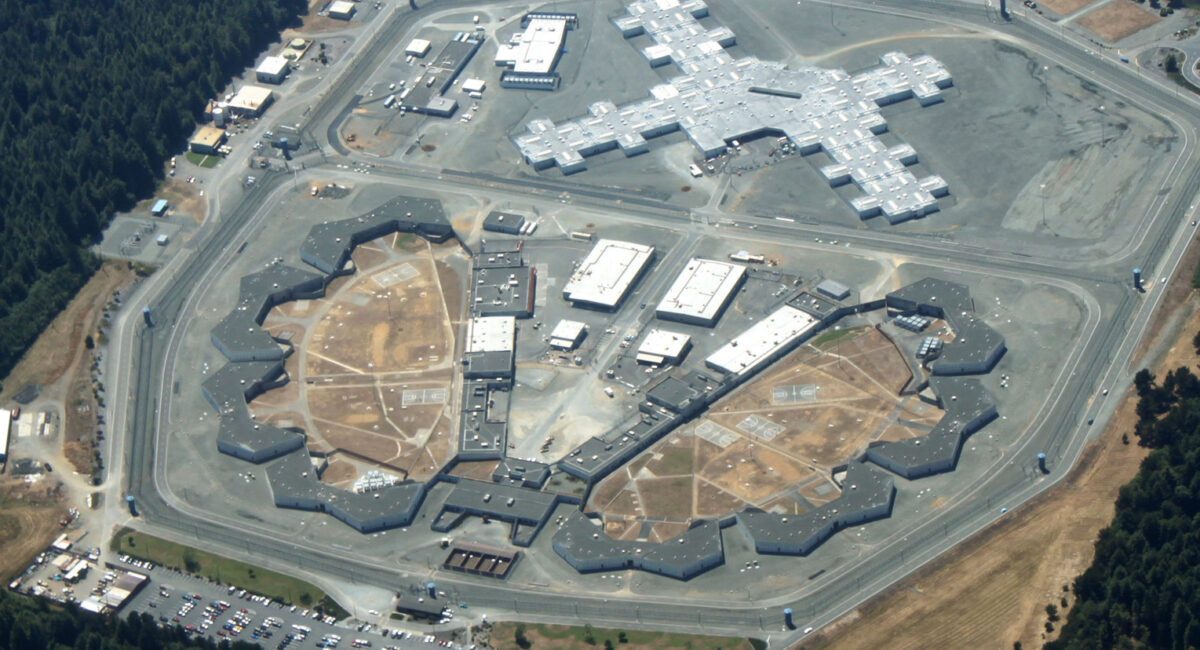
Sitting only a few miles from the Oregon border is one of the most famous prisons in Californian history being California's premier "Supermax" facility and the absolute peak of sensory deprivation and maximum-security isolation.
Pelican Bay sits on 275 acres of isolated land in Crescent City, entirely removed from the major metropolitan areas and the prison is split into distinct operational sections, managing roughly 2,000 inmates across multi-tiered security levels.
At the terrifying heart of Pelican Bay is The Security Housing Unit, a massive, windowless concrete X-shaped complex designed for total sensory isolation with prisoners kept in solitary confinement for 22.5 to 23 hours a day.
The 8-by-10-foot cells are made of smooth, poured concrete with perforated steel doors that block any visual sightlines to other cells or hallways and inmates exercise alone in a high-walled concrete slot open only to the sky.
The SHU was built to isolate the leadership of major prison factions including the Mexican Mafia that saw one of its most infamous high-ranking leaders, Arturo "Che" Castellanos orchestrate a massive, highly structured street-gang infrastructure.
Another prominent former enforcer for the Mexican Mafia, René "Boxer" Enriquez spent years deep within Pelican Bay's isolation pods before turning government informant and exposing the inner workings of the gang's command structure.
One deadly inmate, Yosemite Park Killer Cary Stayner was sentenced to death for four counts of murder and transferred here from San Quentin after the abolishment of death row.
Another dangerous prisoner, Mark William Cunningham is a serial killer and arsonist who murdered three men in 1983, but remained on the run for two years.
In the year 2000, a massive synchronized riot involving over 300 inmates, erupted on the prisons level IV yard with many engaging in a brutal fight using dozens of custom-made shanks.
To prevent inmates from breaching the control lines or scaling the inner walls, correctional officers fired tear gas, rubber projectiles, and ultimately live ammunition from the towers, with one inmate shot and killed.
Today, Pelican Bay remains the ultimate destination for the state’s most unmanageable offenders and a psychological dead-end for others with crippling health problems.
Thanks for watching, if you enjoyed the video we have dangerous prisons from every other state coming over the next few months so make sure to hit that subscribe button and we will see you next time.
About the Creator
Vidello Productions
My name is William Jackson, a YouTube content creator and crypto enthusiast with over 167,000 subscribers and I make videos that are focused on the billionaire lifestyle and crime.
I make top list videos in true crime and lifestyles.
Enjoyed the story? Support the Creator.
Subscribe for free to receive all their stories in your feed.
Comments
There are no comments for this story
Be the first to respond and start the conversation.