
24 Most Dangerous United Kingdom Prisons You Said I Missed
Over the last few months thousands of you have been dropping comments to let me know which UK prisons deserve an honorable mention. Today we look at 24 prisons you said deserve a notable mention.

24 - HMP Grampian
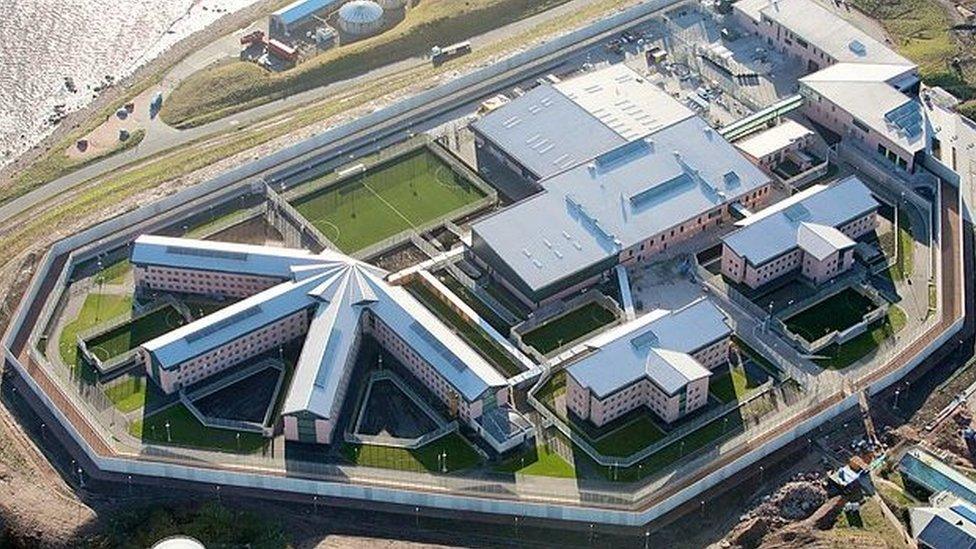
The only high security prison in the northeast of Scotland, Grampian has a design capacity of around 560 inmates with five residential housing blocks and its inmates are both male and female, housed in separate blocks.
It is one of the newest jail in Scotland and amongst the newest in the United Kingdom with Dyce Hall serving as the Separation & re-Integration Unit for prisoners who are dangerous or finishing their sentences.
The prison opened with a Young Offenders Jail on-site, however a riot occured two weeks after opening that destroyed the accommodation and all young offenders were transferred to HMYOI Polmont, never to return.
In 2020, one of the facility's most dangerous inmates, Ewan MacDonald, left one guard so traumatised he quit his job after 15 years service and was moved to a secure hospital without time limit.
Weapons were discovered in his cell and included a sharpened toilet brush handle and a radio aerial with him facing 13 charges, including attempted murder and later deemed unfit to stand trial.
No pictures of MacDonald currently exist, but he was diagnosed with dissocial personality disorder and deemed to dangerous to have any release date, now residing at Carstairs State Hospital on a compulsion and restriction order.
23 - HMP Glen Parva
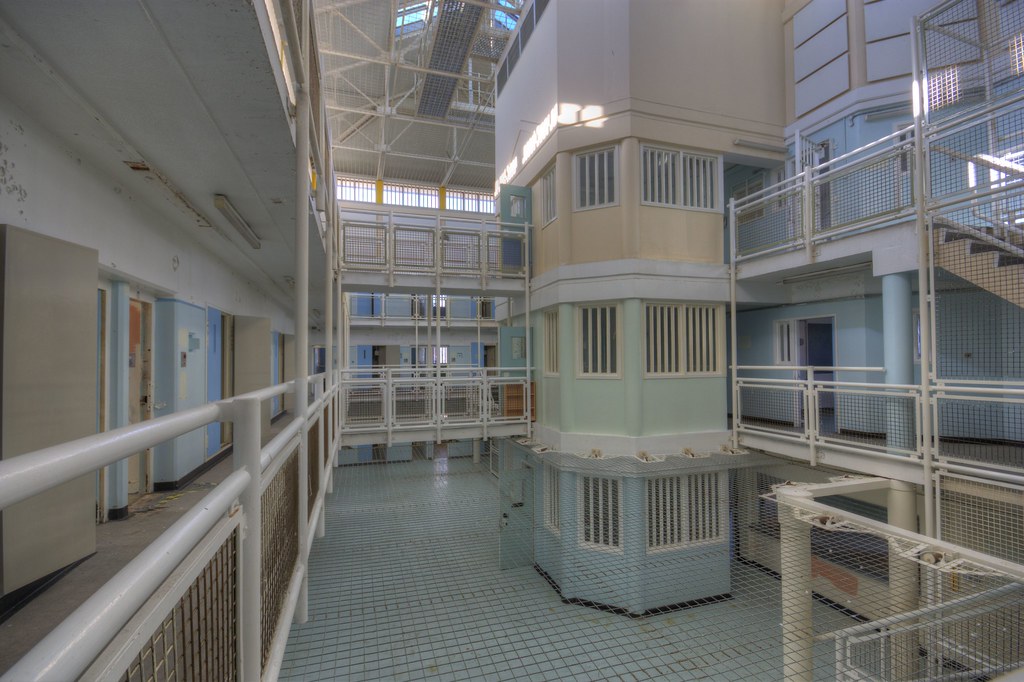
Constructed on the site of the former Glen Parva Barracks, this prison originally served as a Borstal in the 1970's and served a catchment area for over 100 courts, holding a large mix of prisoners.
Conditions were said to be so bad at this lock-up, that the Chief Inspector of Prisons, walked out of an inspection at the site, not returning until a year later when things had only slightly improved.
July 2002 say four inmates escape whilst on a two-day supervised camping trip in the Peak District with two caught soon afterwards and two more evading capture for some days.
Unrest at Glen Parva Prison was noted during a 2003 annual report by the Board of Visitors after 16 inmates barricaded themselves inside a building due to overcrowding protests.
November 2004 saw yet another condemnation of the prison by the Prison Reform Trust, that stated inmates were spending far too much time in their cells and "useful activity" at the prison was almost non-existent.
By November 2010, conditions had once again deteriorated to a point where the prison's Independent Monitoring Board labeled them as "deplorable" with leaking sewerage pipes, shabby buildings and a level of untold gang rivalry described as a toxic melting pot.
Despite the best efforts of staff, Glen Parva finally announced its closure towards the end of 2016, with the site completely demolished and HMP Fosse Way opening in 2023 on its site.
22 - HMP Dovegate
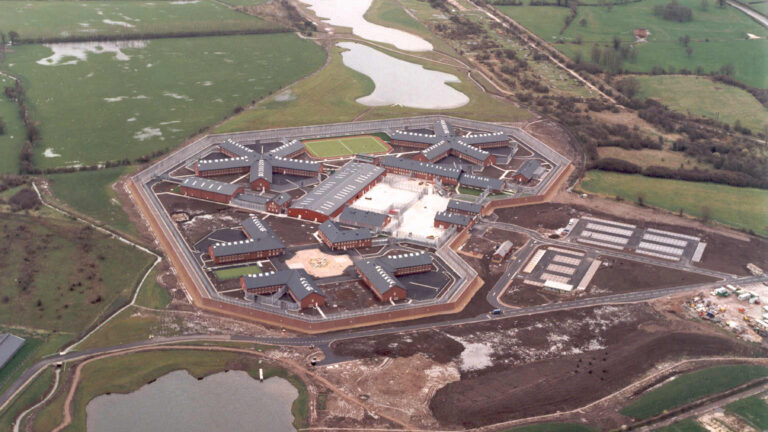
Opening in 2001, Dovegate Category B men's private prison is operated by the Serco Group and holds roughly 860 male prisoners with 200 places in a separate therapeutic prison.
All prisoners at this jail are serving over four year sentences with at least 18-months left to serve, and other facilities include a library, shop, gym and sports centre.
The prison holds a large and diverse multi-faith population, with a full-time Church of England chaplain, Islamic minister, part-time Methodist and Roman Catholic ministers, as well as visiting Jewish, Buddhist, Sikh and Jehovah's Witness ministers.
I could not find any notable inmates or incidents at Dovegate, but drop a comment below if you served time here.
21 - HMP Preston
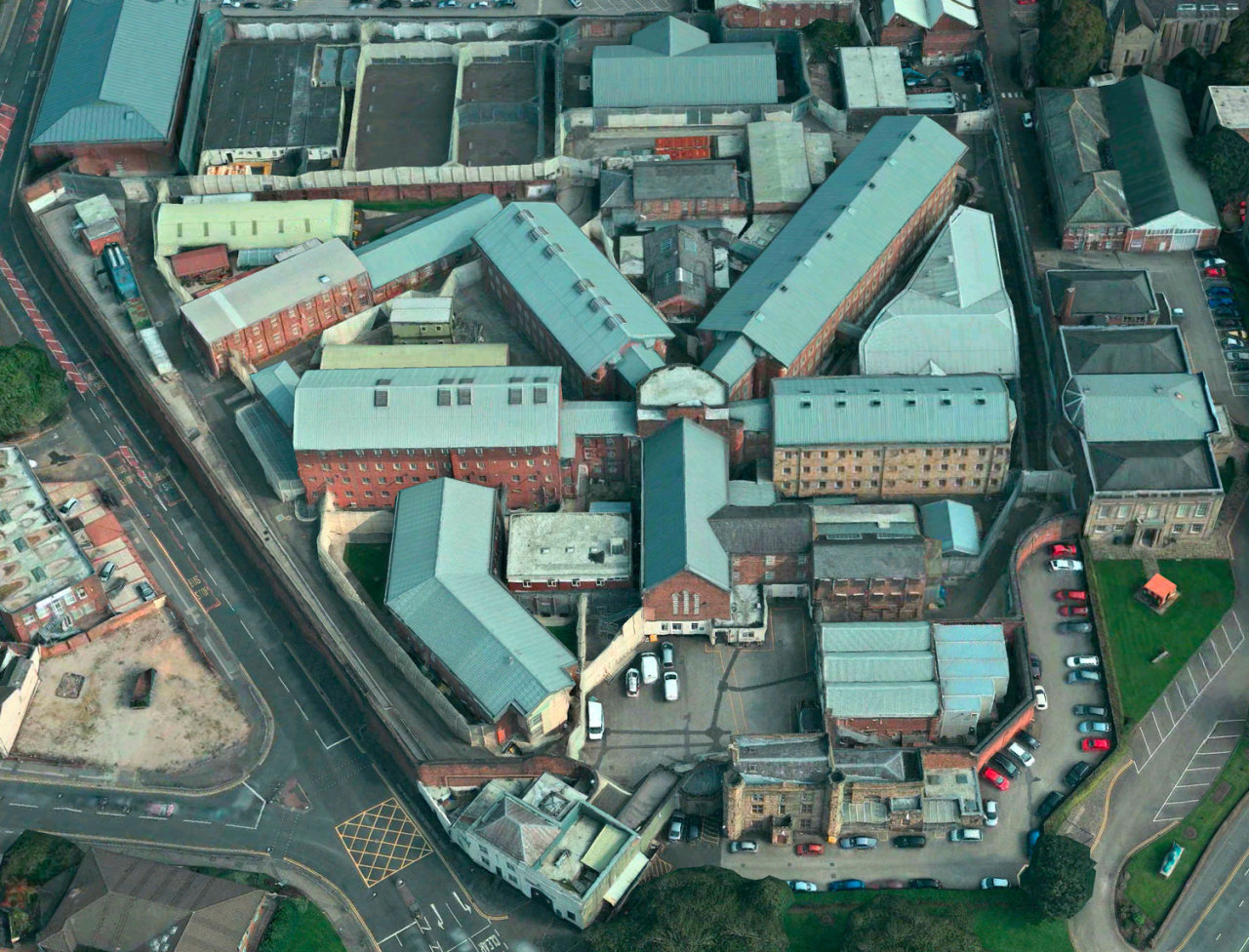
The site of a prison since 1790, Preston was closed from 1931 to 1939 and used by the military from 1939 to 1948, before re-opening as a Cat-B prison to hold local adult males.
It was revealed to be the most overcrowded prison in England after its October 1999 inspection, with "obstructive and uncooperative staff" using strength in numbers to keep order.
The Cannock Chase Murderer, Raymond Leslie was one of the prisons most notorious residents and was convicted in 1969, spending 45 years behind bars and was one of the nation's longest-serving prisoners.
Trevor Joseph Hardy was another brutal serial killer held here on a whole-life tariff after the gruesome murders of three teenage girls in Greater Manchester during the mid-1970s.
By 2004 it was revealed that 90% of inmates were being forced to share single occupancy cells and the prison having some of the highest metrics for illegal drug use in the UK.
20 - Highdown
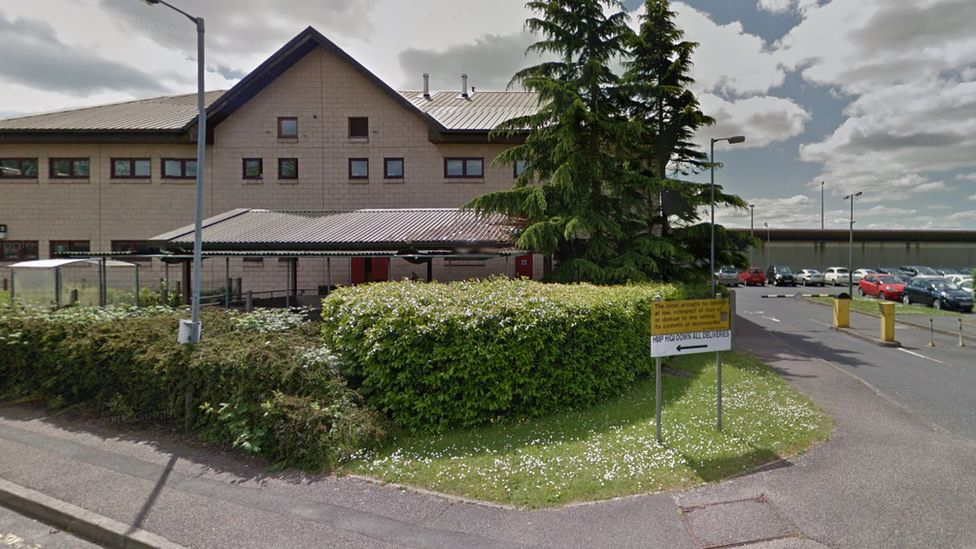
One of the newer prisons on the list, Highdown was built in 1992 on a site that was previously occupied by Banstead Asylum to become a Category-C men's training and resettlement prison.
Staff cuts at the prison soon led to deteriorating conditions for prisoners, however inmates can wear their own clothes and have access to a detox unit with showers provided on each landing.
Several famous inmates have been held here, including former England cricketer Chris Lewis, who was jailed in 2009 for drug smuggling.
Another famous inmate, footballer Josh Payne, was jailed for twelve months for actual bodily harm and common assault.
19 - HMP Barlinnie
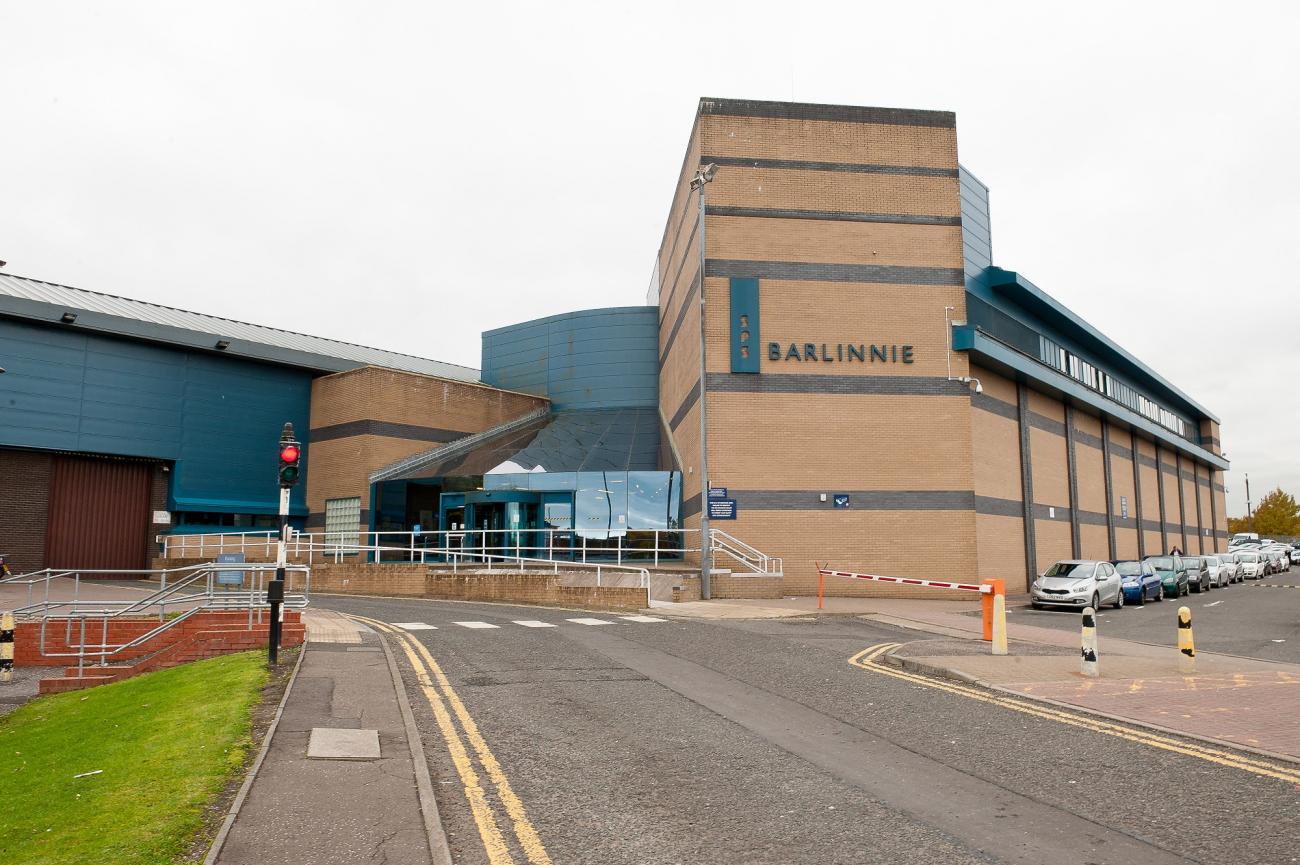
Another one of Scotland's prisons, Barlinnie is the largest prison in Scotland and is located in the northeast of Glasgow with it being known locally as "The Big Hoose."
Designed by Major General Thomas Bernard Collinson, architect and engineer to the Scottish Prison Department, Barlinnie was built adjacent to the Monkland Canal and opened in July 1882.
The prison has five accommodation halls, holding approximately 1,400 inmates and a major extension to the perimeter occurred in 1967 to create an industrial compound.
Between 1973 and 1994, this prison houses a now-world-famous "Special Unit" that helped prisoners in rehabilitation, with one of its most famous success stories, that of sculptor and novelist Jimmy Boyle.
Barlinnie was also the site of 10 judicial executions between 1946 and 1960 and one of the most famous being Peter Manuel, a serial killer with seven known victims and other convictions for housebreaking and car theft nicknamed "The Bedroom Killer."
Dominic Devine, nicknamed "The Beast of Ibrox," was jailed and died here after serving time at many Scottish prisons for a series of attacks against women between 1979 and 1987.
One of the most famous foreign prisoners to be held here was Abdelbaset al-Megrahi, the man found guilty of the of the 1988 bombing of Pan Am Flight 103 over Lockerbie, who served time here from 2001 to 2005.
Today, the prison operates at over 140% its capacity with a new super-prison design revealed in 2018 to replace it within Glasgow after it is decommissioned.
18 - HMP Camp Hill
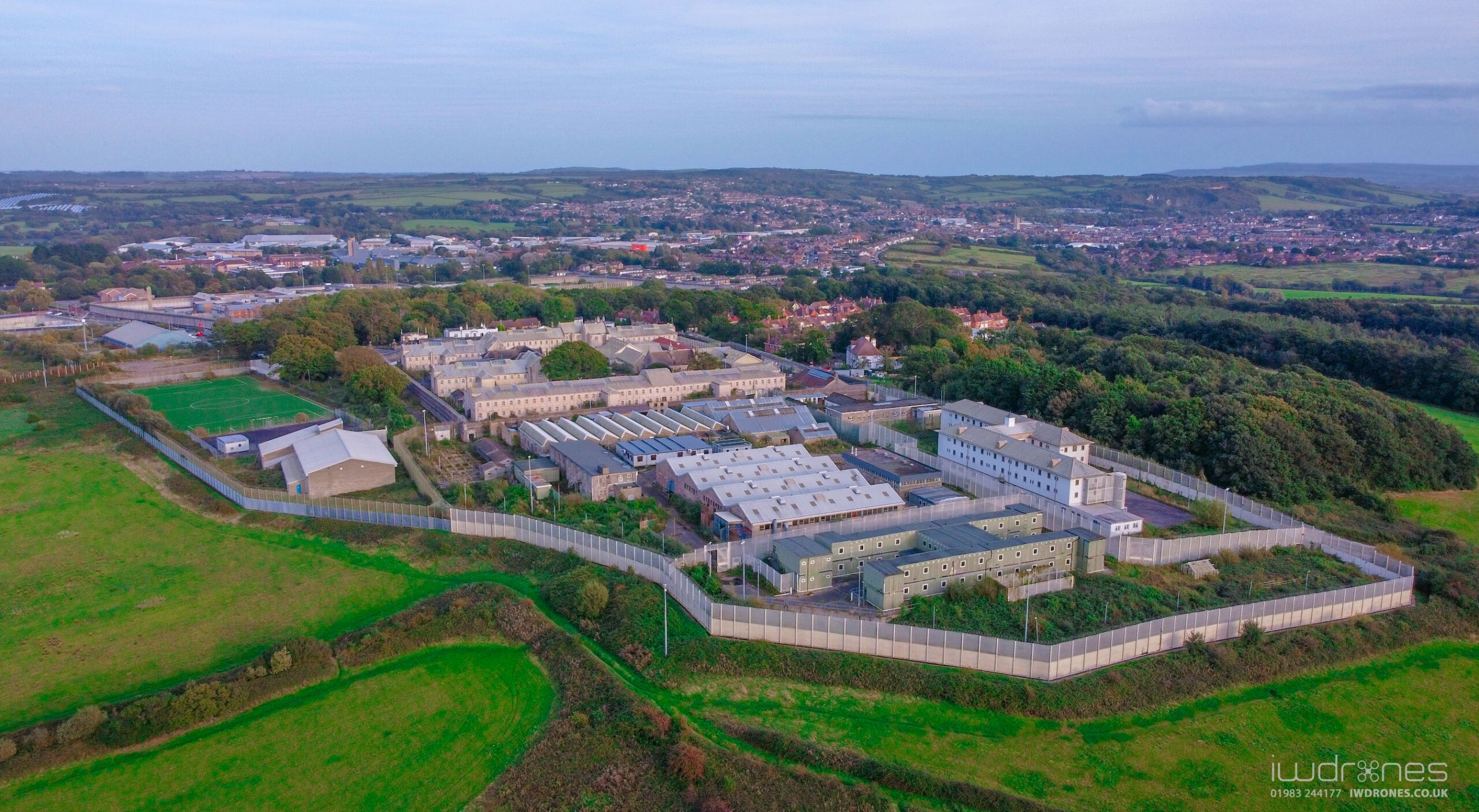
Located on the outskirts of Newport, this notorious Isle of White prison was built in 1912 using prisoner labour from Parkhurst Prison and was formally opened by Winston Churchill.
Criticised in 2007 for its lack of a coherent and positive direction, vocational work at the prison was said to be lacking and an arsonist was mistakenly released 29 months too early, adding to the prisons woes.
A convicted drug dealer refused to leave his cell in Camp Hill for a court appearance in January, citing the 1998 Human Rights Act would be breached if he was forced to leave.
By October 2008, it was announced that Camp Hill would merge with Albany and Parkhurst prisons to form a super-prison named HMP Isle of Wight, with over 1,000 prisoners making it one of the largest prisons in the country.
The 2013 reorganisation of the site saw the Camp Hill element close in March 2013 and its site has now been earmarked for a large housing development, yet the MOJ still currently own the site.
17 - HMP Portland
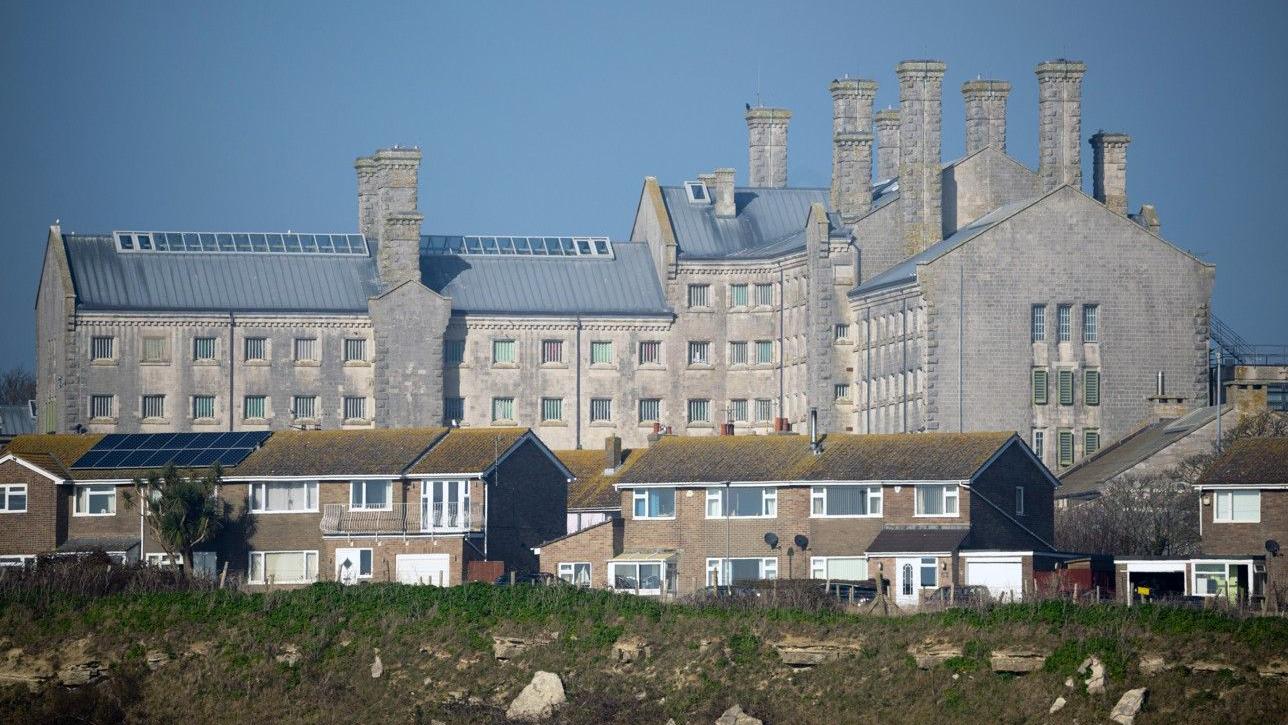
Opening in 1848 and initially holding adult convicts, this prison was used mainly to house convict labour in the construction of the breakwaters of Portland Harbour and its various defences in its early days.
Convict labour was used to move roughly 10,000 tons of stone per week for use on the breakwaters, however many prisoners died while quarrying the stone and this led to large penal reforms in the UK.
Originally designed to be a temporary place of confinement, the UK government announced that it would become a permanent establishment in 1869, upsetting many local residents.
The prison was converted into a Borstal in 1921 and was used to convert the disused convict quarry into a sports stadium at the back of St. Peter's Church between 1931 and 1935.
Four boys were killed in August 1941, when an air raid during World War 2 saw the Borstal's Rodney House block bombed with many others severely injured, including five being admitted to hospital.
The prison was re-rolled as a Young Offenders Institution ion 1988, now holding holding up to 519 young males aged 18 to 21 in seven blocks.
By the year 2000, Portland was suffering from foul-smelling toilets and filthy showers, with complaints of rats in food service areas lodged by inmates and a large riot with prisoners barricading themselves away from their cells for 8 hours.
By 2007, some buildings were no longer fit for purpose and lacking basic sanitation, with inmates using buckets as toilets that had to be emptied through cell windows.
John "Babbacombe" Lee, a man who was famous for surviving three attempts to hang him for murder at Exeter prison, served part of his sentence here and became known as "the man they couldn't hang."
16 - HMP Winchester
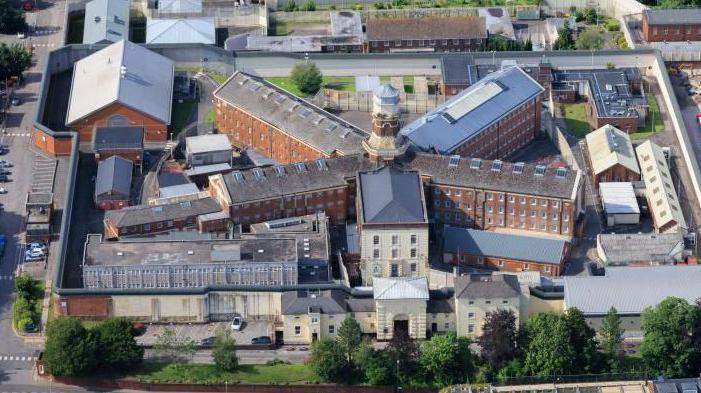
Built between 1846 and 1850, there has been a prison here in some form, since the thirteenth century and a substantial part of the former County Gaol was re-built between 1788 and 1803.
The current prison occupies an elevated site in Romsey Road screened by a massive brick wall and steep bank with a central gatehouse now enclosed by the wall with the remains of the Victorian treadwheel house a notable feature.
Public executions were held here often and in 1867, the public execution of the notorious murderer Frederick Baker drew a crowd of 5000 people to be the last public hanging held outside the prison.
Serial killer Rosemary West was held here in 1995 and famously driven from her specially built unit within the male segregation block half a mile down the road to the court each day during trial.
In December 2001, convicted murderer William Todd escaped from Winchester Prison by scaling the wall and went on the run before being recaptured days later.
Many prisoners spend just 45 minutes a day out of their cells with a report finding the prison was "insufficiently safe" and anti-bullying measures were ineffective, leading to many deaths within the facility.
15 - HMP Doncaster
Often referred to as Marshgate, HMP Doncaster opened in 1994 and is built on the site of Doncaster Power Station and was revealed to have the worst suicide record of any prison in England and Wales in 1999.
The regime were accused of "institutional meanness" by her Majesty's Chief Inspector of Prisons in 2004 and another report, four years later, found inmates sleeping in toilets because of overcrowding.
Today, the prison holds around 1,145 inmates, considerably more than its original design envisaged with its nickname of "Doncatraz" by locals and inmates, in reference to the famous Alcatraz prison, in San Francisco Bay.
One reason for the nickname stems from the prison sitting between branches of the River Don, River Don Navigation and River Cheswold making the prison appear to be on an island.
Prince Naseem Hamed, the former boxing world champion, spent time here after he was jailed for driving dangerously and spent 16-weeks before being released on September 4th, 2006.
The prison has TV and film links, with world famous chef, Gordon Ramsay, cooking for the inmates during one episode of the Channel 4 show, The F-Word in 2006.
Prisoner Kieron Tarff was famously offered a job at Ramsay's restaurant after he won an onion-chopping race against him, but Tarff's rehabilitation journey proved challenging and he reoffended shortly after his release.
14 - HMP Lindholme
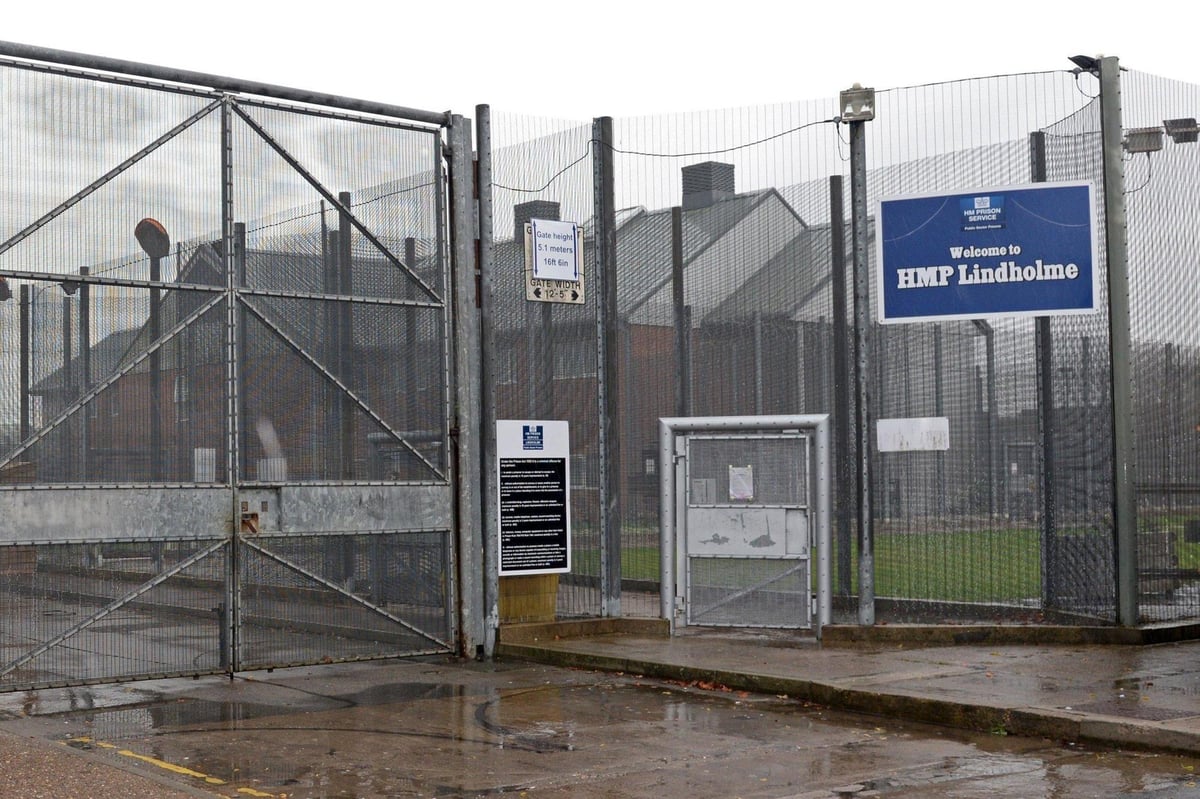
Located close to both Moorland and Hatfield prisons in the Metropolitan Borough of Doncaster, Lindholme was originally constructed as an RAF station during the second world war.
Home to the RAF Bomber Command Bombing and Navigation Schools, the site was converted in 1972, to a radar installation with its hangars converted for storage.
Today, the site occupies 128 acres and re-opened as a prison in 1985 with many of the original buildings used as prison accommodation, offices and workshops.
Today, Lindholme accepts Cat-C prisoners only with males over 21 the primary residents and all are serving a minimum sentence of over 4 years.
The prison has an Operational Capacity of 1,010 inmates, features a care and separation unit that was built in 2008 and another unit to hold prisoners who are at risk from bullying and intimidation.
The state of the kitchens has been criticised in the Independent Monitoring Board annual report every year between 2009 and 2012, with a new kitchen costing £7 million that was completed in April 2013.
Religious tensions at the prison, illegal drugs and alcohol were widely available during a 2012 report and the wind involved had to be closed, such was the level of issues within.
The annual budget for running Lindholme prison in 2012 was around £18.3 million, that was £32,757 per prisoner at the time, comment below and let me know what you think it is today!
13 - HMP Weyland
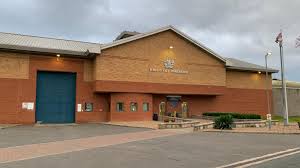
Opened in 1985, this prison has experienced one of the largest expansions in history, with three added units and now comprises 14 residential units and one segregation unit.
This Cat-C men's prison has come under fire from the Independent Monitoring Board for inadequate mental health care being provided to inmates and an increased use of force by staff.
Prison governor, Paul Cawkwell, was attacked in 2016 while inside the prison canteen, by an inmate who was later transferred to another jail and around 20 inmates were involved in a food fight in May of that same year.
Of the notable inmates to serve time here, one stands out, with Patrick Mackay, believed to be one of the United Kingdom's most prolific serial killers, serving time here between June 2008 and November 2017.
Mackay has been repeatedly denied parole since 1995 on the basis that he is considered too dangerous for release and his victim total is thought to be somewhere close to 11, however his case was up for parole in 2022.
Another inmate to have spent time here was Khalid Masood, the perpetrator of the 2017 Westminster attack, who spent 2- years at the prison before his fatal attack.
12 - HMP Hull
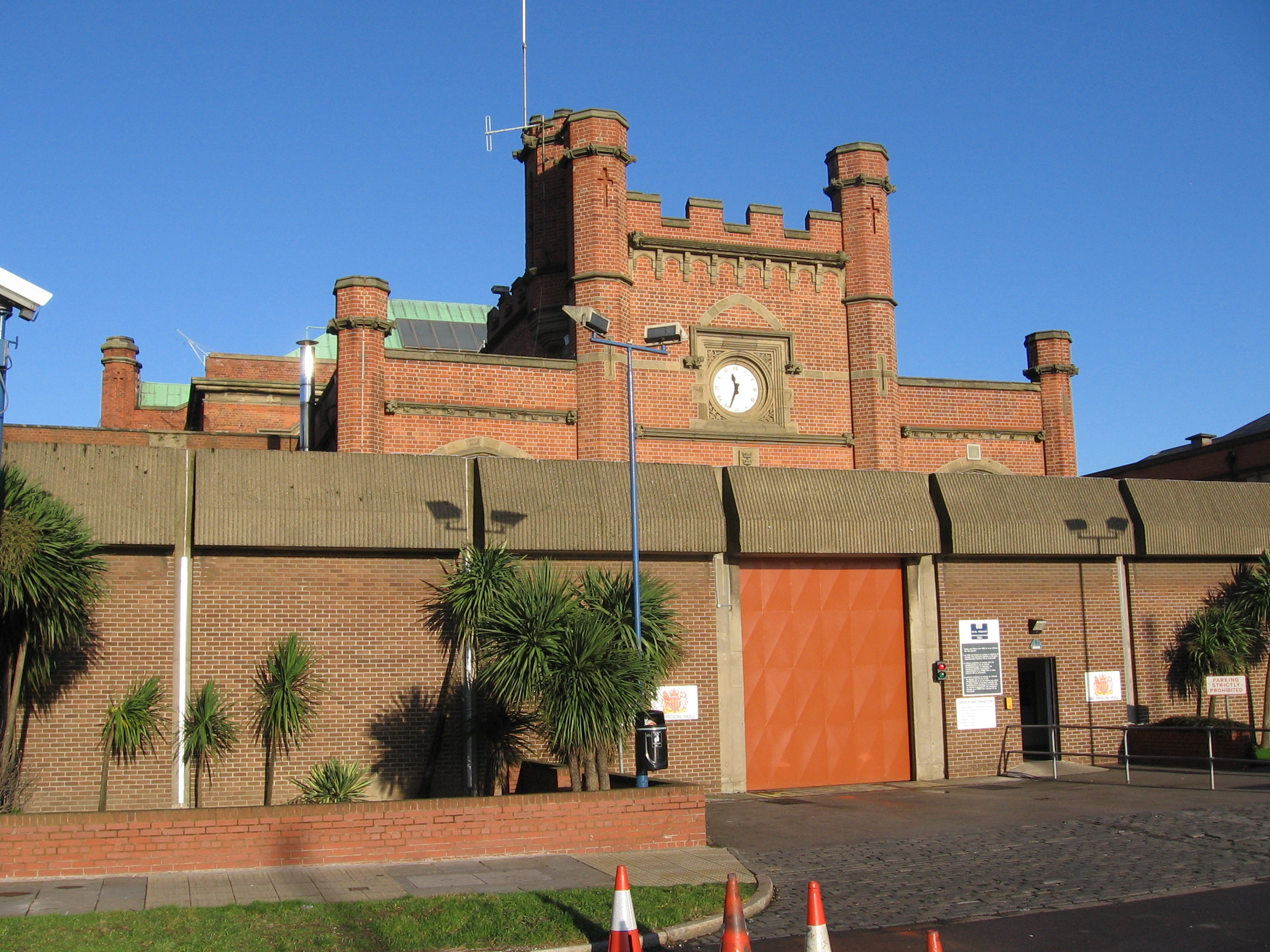
Another classic Victorian-style prison, Hull opened in 1865 and succeeded a previous prison that was built on Kingston Street, with some form of prison thought to have been on or close to this site since 1299.
In 1934, Ethel Major was the last person and only woman to be executed at the prison after being convicted of the murder of her husband and the prison suffered damage during the Blitz of WW2.
The prison was involved in a three-day riot by inmates in 1976, when over 100 prisoners began demonstrating the extreme staff brutality with over two thirds of the prison was destroyed.
Removed from the high security estate in 1985, Hull became a local prison for inmates that were only sentenced by courts in the local area, but a major expansion in 2002 added four new wings, a new gymnasium, a new health care centre.
Another riot took place in December 2016 after many prisoners had been transferred to the prison from Birmingham and in September 2018, staff walked out due to safety conditions.
One notable inmate to have served time at Hull is Malcolm Fairley, who committed a series of burglaries and violent crimes throughout Bedfordshire in 1984, earning him the nickname nickname "The Fox."
An exhibition is currently in place at the prison showcasing its history from as early as 1299, that was designed and created by retired Officer Rob Nicholson.
11 - HMP Leicester
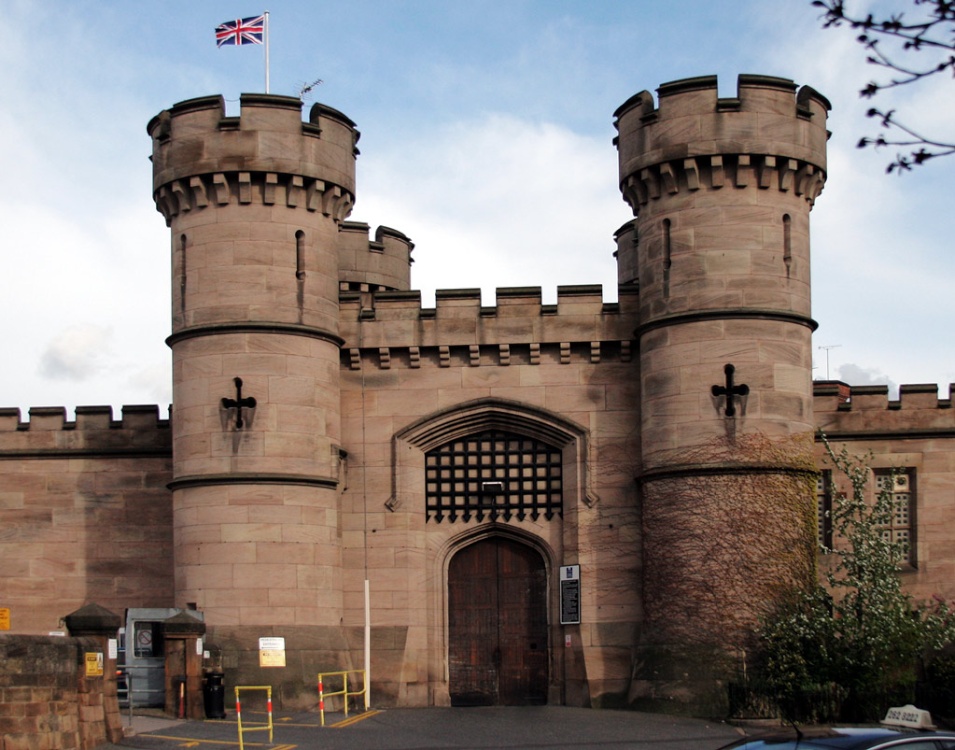
Designed by Leicester county surveyor William Parsons, this prison highly resembles a castle and cost just £20,000 to build in 1828, with most buildings today, Grade II listed.
Often mistaken for Leicester Castle, the walls at this prison are thought to be the highest in the country, standing over 30-feet tall, yet one prisoner is believed to have scaled them in an escape attempt.
Renowned 'safe-blower', Albert Hattersley, made his escape attempt on the evening of 18 December 1953, but suffered a broken ankle on his fall, spending several hours on the run before he was re-captured the following day.
There have been 23 executions at the prison between 1829 and 1953, with John Swift, aged 19, the youngest person in 1877 and the oldest, Thomas Bloxham, aged 62, in 1887.
Notable former inmates include William Thomas Hughes, who escaped from custody whilst being transferred from prison and stabbed two prison officers during his escape and killed four family members at Pottery Cottage.
English suffragette Alice Hawkins was jailed here after throwing a brick through a Home Office window in full view of a policeman and throwing ink into a Leicester post box.
10 - HMP Littlehey
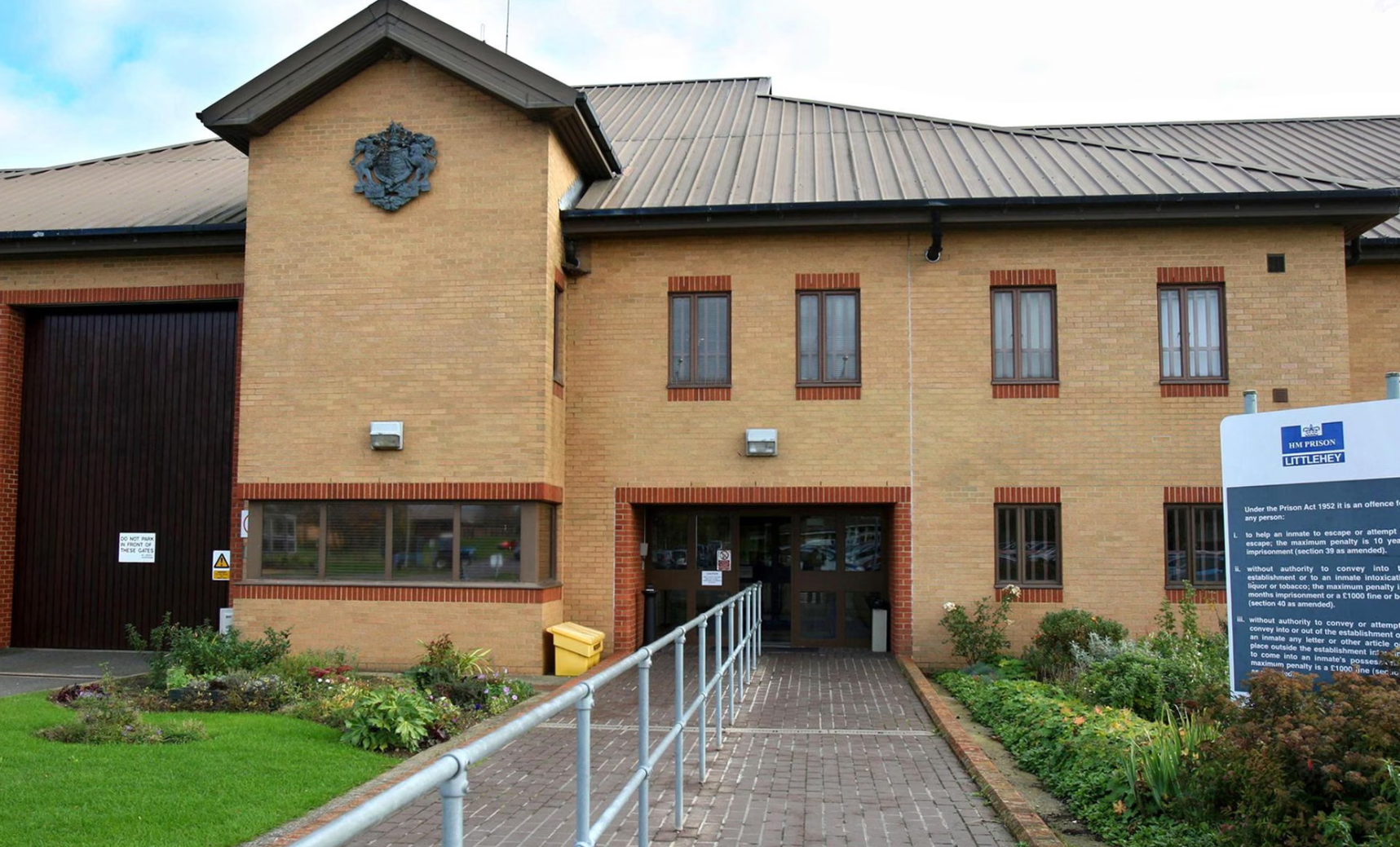
Originally known as Gaynes Hall Youth Custody Centre, this prison was used as a borstal for juvenile males from 1945 to 1983, but this was later closed and demolished.
Littlehey was built in its place and opened in 1988 as a Cat-C male prison, but by 2003, an inspection found that inmates were not getting the help they needed to integrate back into society.
Littlehey features eight residential units with most cells featuring single occupancy and a large expansion to its current site was completed in 2010, adding space for 480 prisoners.
In January 2011, a disturbance at the prison left two prison officers injured with the prison suffering from an unusually high population of inmates over the age of 50.
Serious problems over maintenance work were discovered in 2018, including showers that had been inactive for years and heating issues at the prison lasting eight months.
Staff could no longer meet prisoners basic needs and the Howard League for Penal Reform described conditions within the prison as lamentable and under-resourced.
One notable prisoner here, cemetery groundskeeper Stephen Downing was convicted of the murder of Wendy Sewell and sentenced to a minimum of seventeen years, but had his conviction quashed in 2002.
The case is thought to be one of the longest miscarriages of justice in British legal history. Keep an eye our for our video on miscarriages of justice, coming soon.
9 - HMP Swinfen Hall
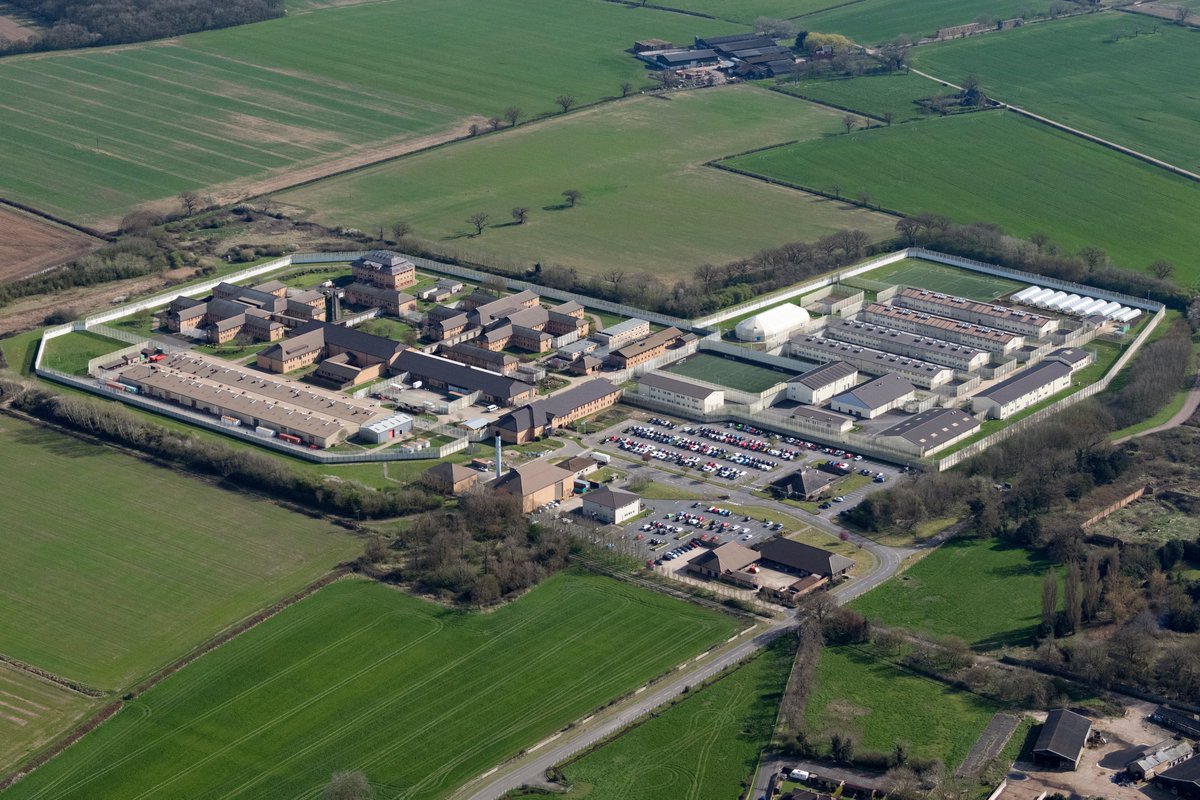
Opened in February 1963 as a Borstal, this prison sits opposite Swinfen Hall from which it was named and became a long-term young offenders' institution in 1972.
Significant increases in the prison population forced a major building project to begin in 2004 with construction and development of existing accommodation and facilities for prisoners.
Today the prison accepts offenders aged 18-28 all serving over 4-years to life and holds Category-C prisoners on 9 wings, all with single cell accommodation.
The most recent reports suggest a slippage of the prison regime, with many prisoners unemployed or without decent activities and many lacked purpose, with attacks on staff increasing.
Mandatory tests show 45% of population are active drug users with nearly a third of the prisoners locked in their cells.
8 - HMP Risley
Opening in 1964, initially as a remand center for both male and female inmates, Risley was upgraded to a Cat-C prison in 1990, ceasing to hold female inmates that same year.
Issues over safety were raised in a 2003 report with vulnerable inmates said to have been mixed within the general population, yet the report did praise the control of drugs on the site.
By 2008, this had slipped and more than 60% of prisoners tested positive, while gangs were rampant, even offering gang memberships for a £50 joining fee.
Dental health, among inmates, was poor, and education, skills and work-related activity were found to be inadequate, with many released without completing their offending behaviour work.
Moors Murderers Ian Brady and Myra Hindley were held here on remand ahead of their 1966 trial, that revealed them to be two of the most prolific serial killers in British history.
7 - HMP Exeter
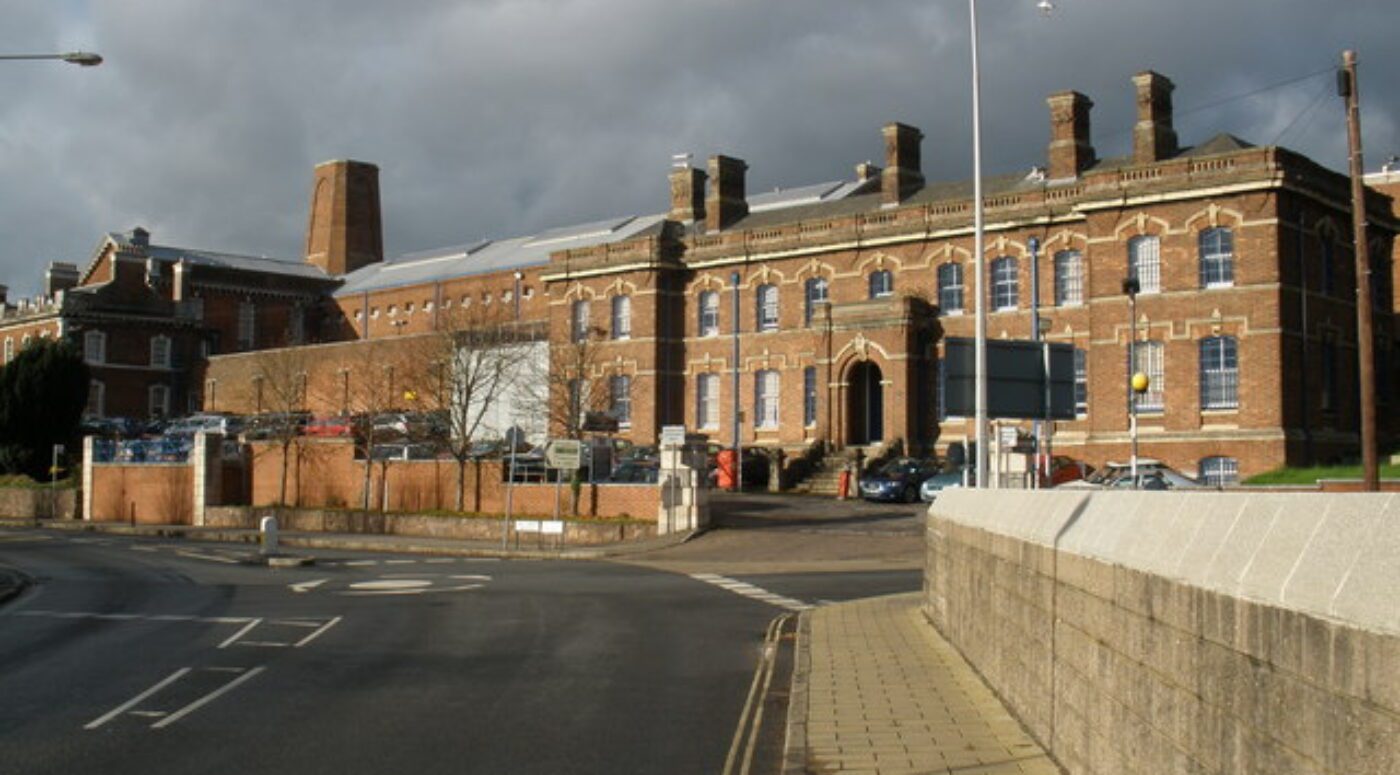
Built in 1853, there is a long history of imprisonment in this area, dating back as far as 1100 during the reign of King Henry I, when a prison existed beneath Exeter castle.
Due to its age, the prison has seen many executions take place including that of John Babbacombe Lee in February 1885, when three failed executions were attempted on him with all failing.
By August 1999, the toils of modern day life had taken its toll on this prison, with a prison report stating that Exeter had reached the end of the line and relations inside bordered on anarchy.
Overcrowding was found to be causing serious problems at the prison in 2005 and the prison was running at over 70% capacity, with many inmates locked in cells all day due to security to difficult to maintain.
In 2018, the prison was placed under an emergency protocol due to the soaring levels of violence and self-harm with high drug use and a lack of care for vulnerable prisoners.
Prisoner on prisoner assaults had risen by 107% and assaults on staff rose by 60% since the previous inspection with the report noting that any other institution would have to be closed down.
Another suffragette, Emmeline Pankhurst, was held at this prison during the women's movement and spent much of 1913 within the prison.
6 - HMP Lincoln
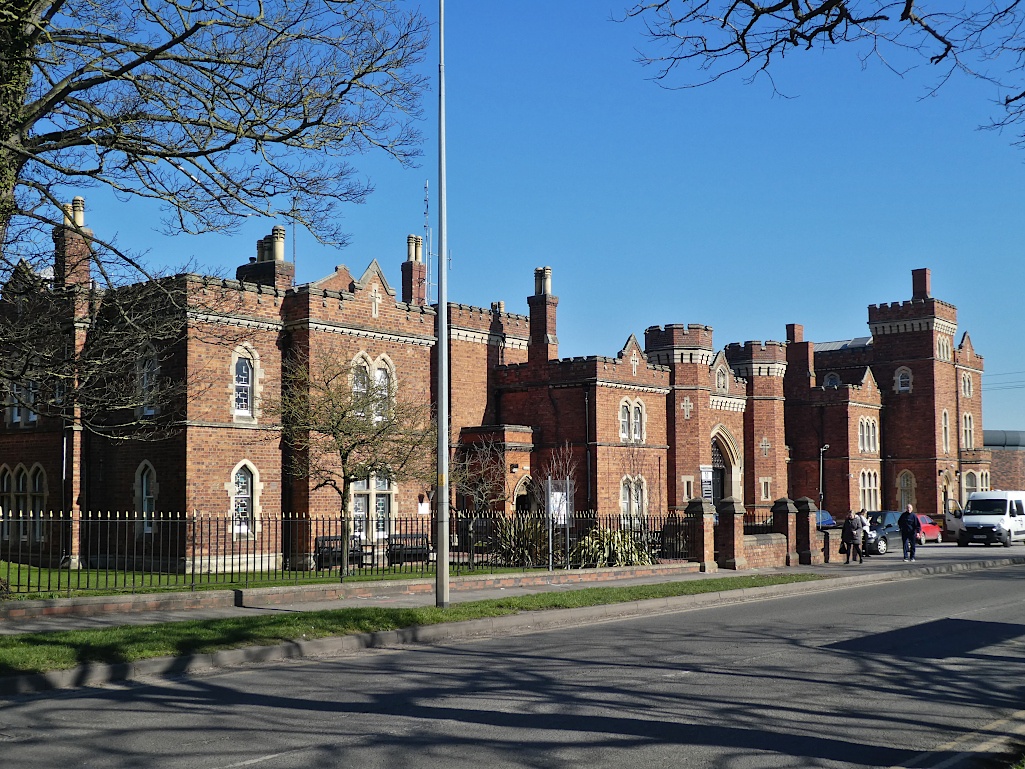
Another prison that opened in the late 1800's, Lincoln replaced the prison at Lincoln Castle and currently holds both remand and convicted prisoners and was designed by Frederick Peck.
Between 1900 and 1961 a total of 18 judicial executions took place at the prison with many inmates buried within the walls of the prison.
Inmates seized control of at least one section of the prison during a large riot in October 2002 and set fore to to various parts of the prison that was started when a prison officer was attacked by a prisoner.
A report in 2003 stated that Lincoln Prison was unstable and suffering from inconsistent leadership and the prison earned the unsavoury title of the most overcrowded prison in the United Kingdom.
Accommodation at the prison covers four wings and a special segregation unit for disruptive prisoners has seen notorious inmate Charles Salvador, formally Charles Bronson, held here on several occasions.
British peace campaigner and politician, Fenner Brockway was imprisoned here as a conscientious objector after spending time in other prisons including the Tower of London.
5 - HMP Onley
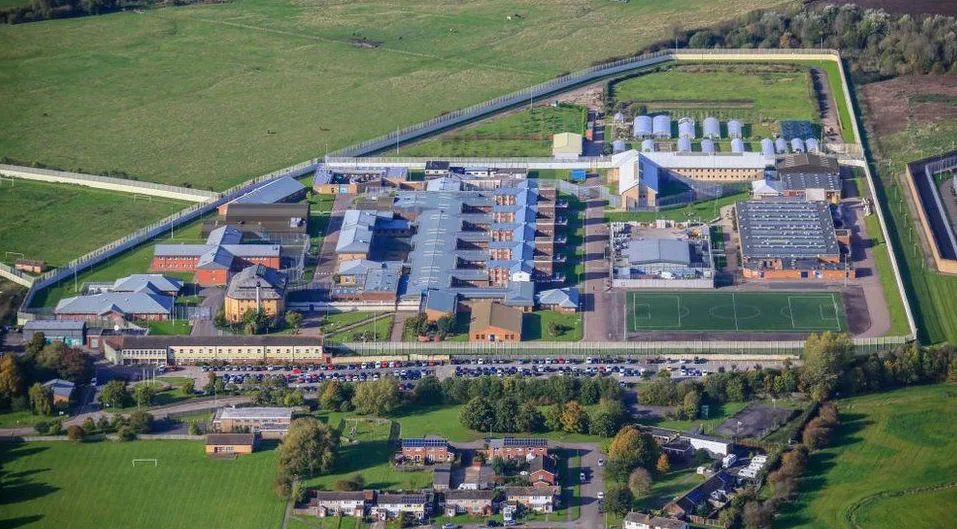
Named after the lost village of Onley, which is located next to the prison, this site opened as a Borstal in 1968 and officially became a Young Offenders Institution in 1976.
Over the years, the site expanded and more accommodation was added to deal with the ever increasing prison population, with the Youth Justice Board setting ever higher standards.
The prison was again refurbished between 2002 and 2006, but was identified as the most violent Young Offenders Institution in England and Wales during a 2004 inspection.
September 2007 saw two inmates escape from the prison by scaling a fence with a homemade ladder, then jumping into a getaway vehicle that had been waiting outside the prison.
Another new wing was constructed at the prison in 2009 before the whole site became an adult-only establishment in 2010 with all remaining young offenders transferred to other prisons.
One of the prisons most notorious inmates, Alun Kyte, is known as the Midlands Ripper and has a known hatred of women, being convicted in 2000 of the murders of two prostitutes as well as other crimes.
4 - HMP Dover
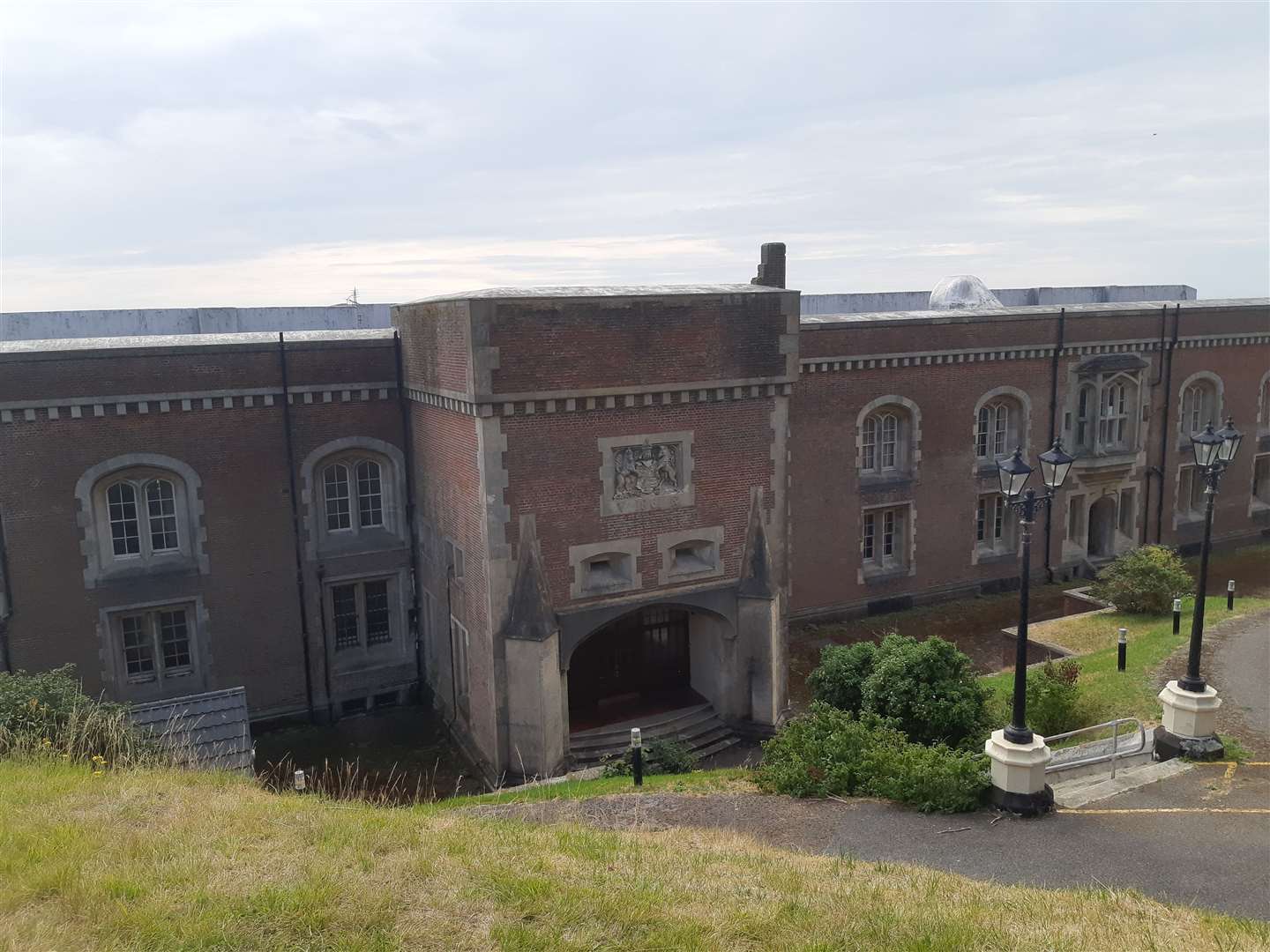
Sitting on one of the most impressive fortifications in Britain, HMP Dover was constructed on the site of The Western Heights of Dover, a site created to protect dover from both a seaward and landward attack.
Taking over from the British Army in 1952, The Prison Service began on converting the fortress into a prison in 1952 and by 1957, the prison had been converted into a Borstal.
It operated as a Young Offenders Institution until April 2002, when it was converted it into an Immigration Removal Centre that held adult males over the age of 18 who had failed in seeking asylum.
The home office announced the center would be closing in 2015 with all remaining detainees being transferred to other removal centres, and while the site is still owned by The Ministry of Justice, no new prison has reopened.
3 - HMP Armley
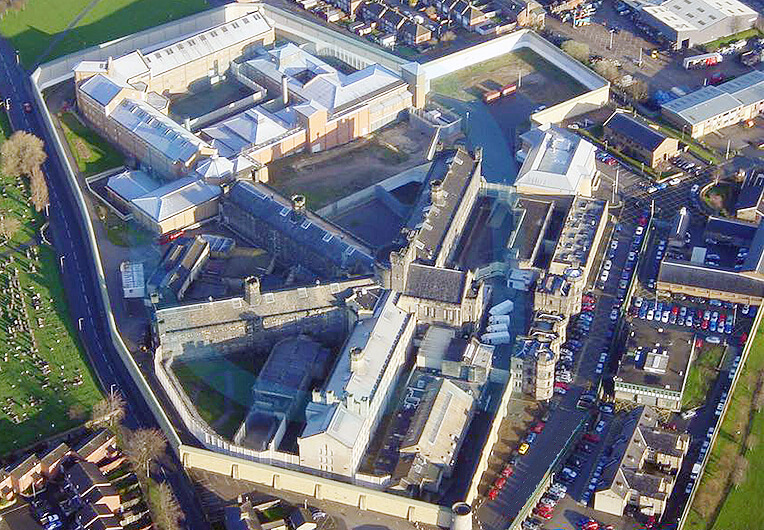
Officially known today as HMP Leeds, the construction of this prison was completed in 1847 and used locally quarried stone and was officially named Armley Gaol at the time.
A major site of executions in its early days, it features a large castle-style entrance and 200 metres of perimeter wall that are today, Grade 2 listed.
A further two wings were added in 1994, and a new gate complex was opened in September 2002 to increase security, while older parts of the prison have undergone refurbishment since 2003.
The Prison Reform Trust revealed in 2003, that it had the highest level of recorded drug use among prisoners in England and Wales with 28.3% of inmates testing positive at the time.
The prison was thrust into controversy in April 2004, when Shahid Aziz was murdered by his racist cellmate and the prison had the second highest suicide rate of all prisons in England and Wales.
Conditions for inmates had further deteriorated by June 2008 when another report found inmates spending just two and a half hours per day outside their cells but this had improved by 2013.
Today, over 1212 prisoners are held over six residential units, a segregation unit, a first night centre, vulnerable prisoner unit and in-patients healthcare facility.
One of the prisons most notorious inmates, Peter Sutcliffe, spent his time on remand at this prison during a trial which revealed his crimes as the Yorkshire Ripper, ultimately seeing him convicted of 13 murders and 7 attempted murders.
2 - HMP Wealston
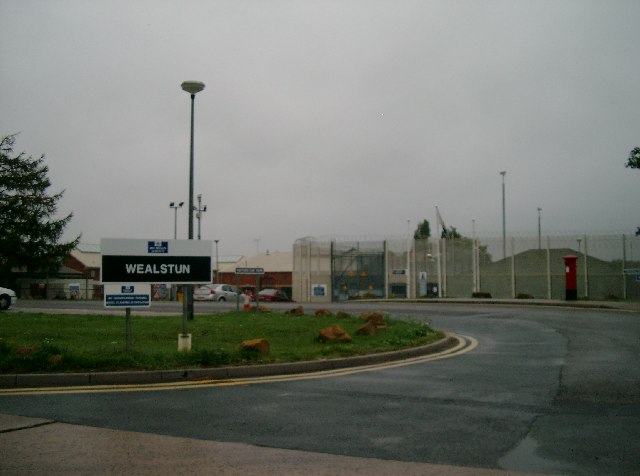
Formed from the amalgamation of HMP Thorp Arch and HMP Rudgate, Wealstun was re-opened on April 1st 1995 and sits on the site of the former Royal Ordnance Factory at Thorp Arch.
In 2003, a large protest, conducted by over 20 prisoners, saw them smash windows, climb drainpipes and sit on ledges for up to 30 hours before surrendering peacefully.
A year later, an inspection found the prison to be mouldy, damp and infested with rats, with basic repairs neglected and both no functioning alarm systems and open windows.
Another report in 2010 found a major deterioration in safety and that the prison regime was clearly slipping backwards.
Only one notable inmate to mention here, Owen Oyston, the former majority owner of Blackpool Football Club, served three years and six months of a six-year sentence here on 7th December 1999.
1 - HMP HighPoint
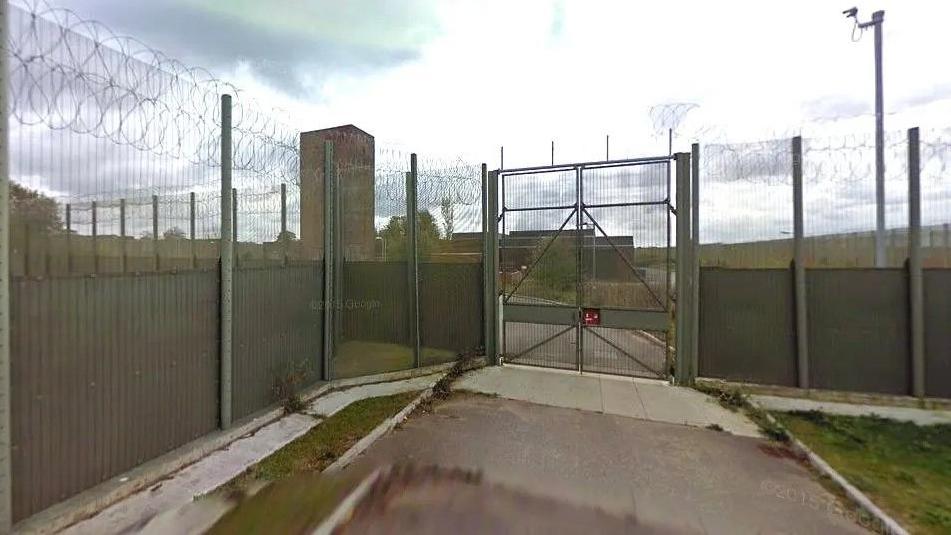
Considered to be one of the most troubled Category-C prisons in England, we missed this one of our video covering prisons in the same estate.
Highpoint Prison was opened in 1977 and was built by the prisoners themselves with prison labour saving £2 million over plans to hire outside contractors.
The prison was separated into North and South segments in 1997 with the north part becoming a women's prison that famously housed Moors Murderer Myra Hindley for five years.
Reports in 2005 and 2007 described conditions at the prison as unfit for purpose, criticised the lack of training opportunities for inmates and noted low morale among staff.
A riot occurred at the prison in October 2006 when inmates were found to be consuming home brew made from Marmite and fruit juice, with another riot the following year.
So bad was the violence at this prison that it earned a nickname of "HMP Knifepoint" after a number of stabbings with prison-made shanks.
On the 23rd of January 2026, the prison hit the headlines after a prisoner was killed after being stabbed at the prison and lost his fight for life in hospital, with a murder investigation on-going.
One of the prisons most famous inmates, Farmer Tony Martin, sparked a nationwide debate on self-defence rights after shooting two burglars in his home on August 20th 1999.
He had been burgled 10 times over the years and equipped himself with an illegally held pump-action Winchester shotgun, later shooting dead 16-year-old Fred Barras as he robbed the house with 29-year old Brendon Fearon.
Controversially, Martin was charged with the murder of Barras, the attempted murder of Fearon, wounding with intent to cause injury to Fearon and possessing a firearm with intent to endanger life.
Found guilty, he was sentenced to life imprisonment with a recommended minimum term to serve of nine years, reduced to eight years by the Lord Chief Justice, but had his conviction replaced by manslaughter carrying a five-year sentence.
In April 2026, a fire caused chaos at the facility with inmates evacuated from prison blocks and the fire later being treated as suspicious with a suspect identified.
Thanks for watching, if your new and enjoyed the video, here are the Category C and Category B prisons you don't want to spend time at in the UK prison estate, we will see you next time.
About the Creator
Vidello Productions
My name is William Jackson, a YouTube content creator and crypto enthusiast with over 167,000 subscribers and I make videos that are focused on the billionaire lifestyle and crime.
I make top list videos in true crime and lifestyles.
Enjoyed the story? Support the Creator.
Subscribe for free to receive all their stories in your feed.
Comments
There are no comments for this story
Be the first to respond and start the conversation.