
Top 10 Demolished & Abandoned Prisons In England
Considered to be some of the most haunted places in the United Kingdom, some abandoned prisons remain standing and draw Dark Tourists from all over the country, while others, now demolished, have disappeared into fledgling communities.

10 - HMP Bullwood Hall
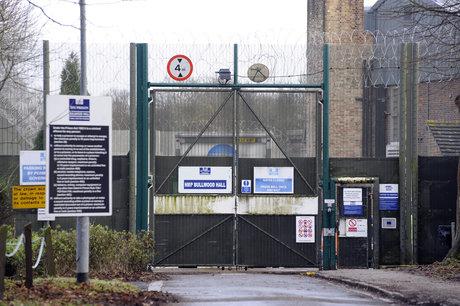
Originally purchased in 1955 by the Prison Commissioners, HMP Bullwood Hall was Located in Hockley, Essex, and had an extensive five-decade history which saw it evolve from a controversial institution for young women into a category C male prison.
Bullwood Hall opened in 1962 as a purpose-built, secure female Borstal institution, costing approximately £300,000 to construct.
It was designed to replace older female borstals in northern England and Wales, housing up to 80 young women aged 16-21 within 12-foot-high walls topped with barbed wire.
In its early years, the institution gained a reputation as a remarkably "tough" facility and it frequently experienced inmates smashing windows, damaging cells, and committing acts of violence against staff and each another.
Around 1983, the site officially transitioned into HMP Bullwood Hall, serving as a closed women's prison and young offenders' institution, but by the early 2000's it was holding over 250 inmates.
A scathing 2005 Chief Inspector of Prisons report condemned Bullwood Hall for continuing the outdated and degrading practice of "slopping out" and the prison was part of a TV series on ITV.
In 2006, prison watchdogs singled out Bullwood Hall for alarmingly high rates of self-harm and attempted suicides among its vulnerable female population.
In 2006, The Ministry of Justice abruptly shifted the facility's purpose, with the female inmates relocated and Bullwood Hall re-roled into a Category C male prison.
During its time as a female facility, many notable prisoners were held inside Bullwood, including "Britain's youngest female murderer," Sharon Carr.
High-profile murderer Tracie Andrews was held here after the 1996 murder of her fiancé, Lee Harvey, when she fabricated a story claiming he had been killed by a furious motorist.
Several innocent people were also held here and later had their convictions quashed including Sally Clark, convicted in 1999 of murdering her two infant sons based on flawed evidence.
Lisa and Michelle Taylor were also held here after being wrongfully convicted of the 1991 murder of Alison Shaughnessy when police withheld crucial evidence.
On January 10th, 2013, the Ministry of Justice announced that HMP Bullwood Hall would be one of seven aging, expensive, or inefficient British prisons scheduled for closure to save taxpayers millions of pounds.
The prison officially shut its gates on March 28th, 2013, with the remaining male inmates distributed to other facilities across the country and the site put up for sale.
Following its closure, the 48-acre site, nestled within a desirable, semi-rural Green Belt area near Hockley Village quickly attracted the attention of residential developers.
The site was purchased in 2016, with the vast majority of concrete prison blocks, perimeter walls, and security fences completely demolished, eradicating the institutional footprint of the prison.
The developers constructed a brand-new residential community consisting of 72 houses built over the previously developed "brownfield" portion of the prison grounds.
The original, historic Bullwood Hall house, which pre-dated the prison and had been used during the prison era as administrative offices and officer accommodation, was, thankfully, preserved.
9 - HMP Ashwell
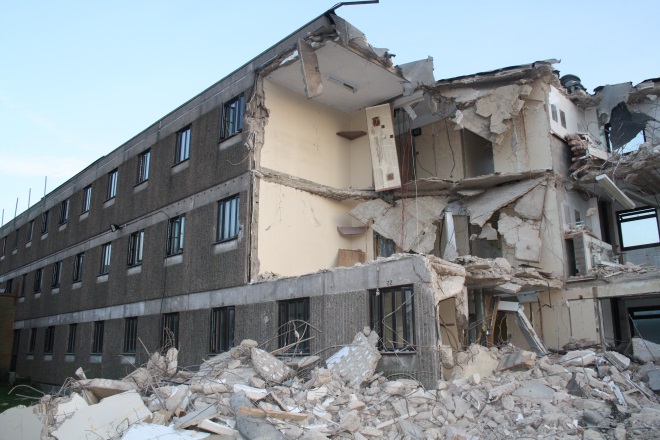
Located in Rutland, England's smallest historic county, the history of this prison was deeply tied to the military with its ultimate demise accelerated by one of the most destructive prison riots in modern British history.
Long before it became a correctional facility, the site functioned as a World War II military base, originally serving as a home for the United States Army’s 82nd Airborne Division.
The site acted as a parachute jump training school ahead of crucial operations in Europe, but in 1955, the Ministry of Justice acquired the site and converted it into an open prison.
Initially featuring low-security infrastructure and housing non-violent offenders in sprawling, single-story barracks, the site was later converted into a Category-C adult male training prison in 1987.
Over the next two decades, the old wooden and brick military structures were systematically replaced by modern, secure prison wings, workshops, and perimeter fencing.
By the early 2000s, the prison had a capacity to hold over 600 inmates who were nearing the end of their sentences, focusing strongly on rehabilitation and resettlement.
One notorious inmate to mention was former Premier League and professional footballer Lee Hughes, who was incarcerated at HMP Ashwell after being convicted of causing death by dangerous driving.
The turning point for HMP Ashwell occurred on April 11th, 2009, when a massive riot tore through the facility after prison officers discovered an inmate drinking illicit alcohol in his cell.
The inmates launched a full-scale wrecking spree, setting fires that tore through the residential accommodation blocks that forced the Emergency services to established a three-mile police perimeter around the facility.
While order was restored by late evening and only three inmates suffered minor injuries, the physical destruction on the prison was catastrophic, leaving 75% of the prison completely uninhabitable.
With two-thirds of its accommodation out of commission, Justice Secretary Kenneth Clarke announced that repairing and modernizing the destroyed wings was no longer financially viable for taxpayers.
HMP Ashwell officially shut its doors for good in March 2011, was heavily redeveloped throughout 2013 and later opened as Oakham Enterprise Park.
Surviving prison buildings, including former administrative centers and workshops, were converted into offices, light industrial workspaces, and storage units.
The prison’s former gymnasium and outdoor recreational areas were repurposed into public fitness centers, indoor sports arenas, and children's play centers.
Parts of the original secure perimeter fence and a few untouched institutional buildings do remain and are often used for tactical military training or Airsoft events.
8 - HMP Blundeston
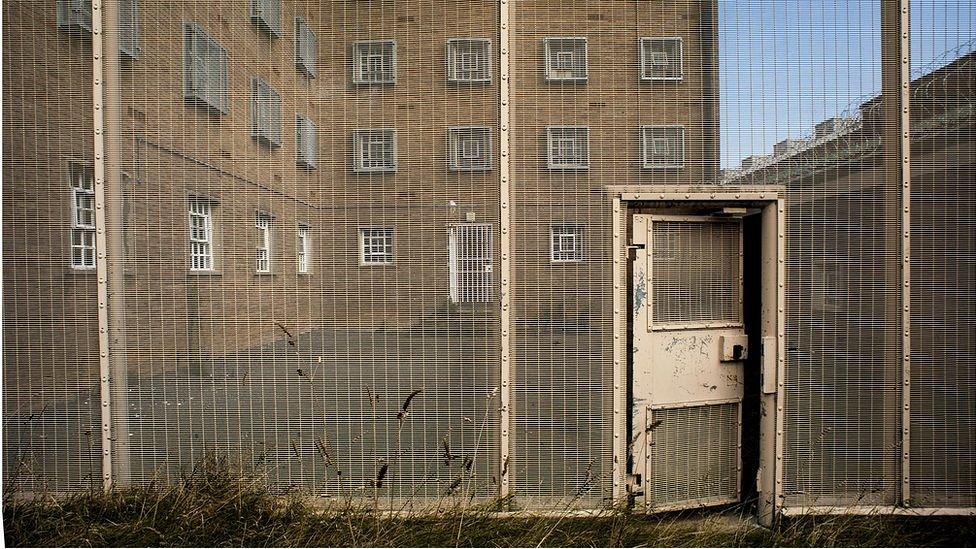
A prominent Category C men’s prison located in the village of Blundeston in Suffolk, Blundeston operated for exactly half a century and was know for its unique "panopticon"-inspired layout.
Constructed during a wave of post-war prison modernization in the UK, Blundeston was opened in 1963 and designed with a campus-style layout centered around a large circular hub.
The prison originally opened with four cell blocks but underwent major expansions over the years to keep up with the UK's growing inmate population.
Between 1975 and 2008, several extra wings were added, including two multi-occupancy cell wings, a democratic therapeutic community wing and a dedicated wing specifically designed for inmates serving life sentences.
Despite being praised as a well-performing training prison later in its life, Blundeston suffered its fair share of controversies with six high-profile inmates staging a mass escape during transfer in 1996.
An investigation later revealed that the men had allegedly been running a sophisticated, highly lucrative "criminal empire" inside the prison walls, which staff only discovered right before the transfer.
Several notable inmates were once held within its walls, including notorious criminal Harry Roberts, who was convicted of the brutal 1966 Massacre of Braybrook Street, killing three unarmed police officers.
The self-proclaimed "King of Chavs," Michael Carroll, who famously won £9.7 million on the National Lottery in 2002, spent two years in Blundeston between 2002 and 2006 for drug and driving offenses.
Finally, one of the worlds most infamous terrorists, Richard Reid, spent time at HMP Blundeston in the mid-1990s for lesser, non-terror offenses before his infamous shoe-bombing attempt on a trans-Atlantic flight in 2001.
In September 2013, the Ministry of Justice abruptly announced that Blundeston was slated for closure as part of a sweeping, nationwide cost-cutting and prison-modernization scheme.
The announcement shocked local politicians, staff, and the Independent Monitoring Board with the government having spent £10 million upgrading Blundeston's infrastructure in the three years before closure.
Despite public campaigns to save the facility, HMP Blundeston officially shut down in January 2014, resulting in the relocation of over 500 inmates and 230 staff members.
The 24-acre site sat empty for two years afterwards, occasionally utilized by local police forces for tactical firearms and dog-handling training.
In 2016, the public was granted a rare opportunity to enter the gates for guided charity tours, where visitors were stunned to see the cramped conditions of the 4-man cells in the older wings.
In January 2016, the Ministry of Justice sold the site for £3 million to Lowestoft-based property developer Badger Building and demolition crews moved in during May 2017.
The high-security perimeter fences, lookout towers, and cell blocks were all completely demolished and transformed into a premier housing estate named Lakeside Park.
7 - HMP Canterbury
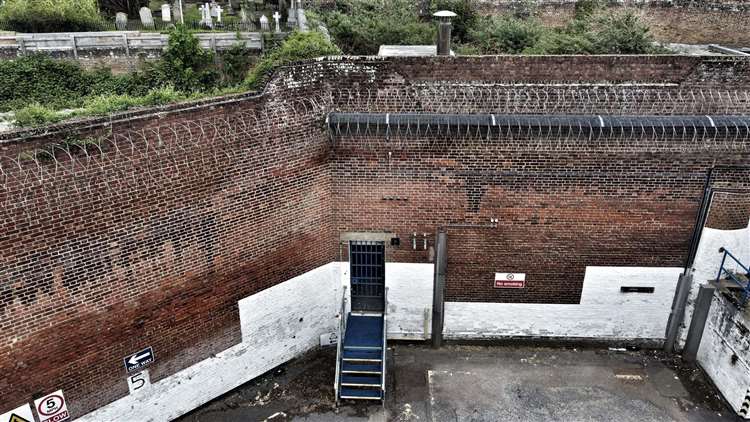
Opened in 1808 as the "County Jail and House of Correction," this prison replaced an outdated jail on St Dunstan's Street and was built on land that had originally belonged to St Augustine’s Monastery.
Designed by architect George Byfield, the prison cost over £15,000 to construct and featured featured a stern, heavily rusticated Portland stone entrance lodge and a central octagonal governor's house.
The facility adapted dynamically through both World Wars and shifting penal policies that included the first Borstal experiment between 1910 and 1921.
It was closed as a civilian prison in 1922 and served as a Home Office archive, but was requisitioned as a Naval Detention Quarters to punish insubordinate sailors during WW2.
It returned to civilian service as a local prison serving the courts of Kent in 1946 and was was re-roled into a Category C training prison from 2002-2013.
One notorious inmate to have served time at this facility was convicted murderer Michael Stone, who murdered Lin and Megan Russell during the infamous 1996 Chillenden murders.
Mohammad Asif, the high-profile Pakistani international cricketer was incarcerated at HMP Canterbury in 2011, serving a 12-month sentence for the infamous spot-fixing betting scandal.
By 2013, HMP Canterbury had been announced as one of several aging and expensive-to-run facilities slated for decommission, officially closing its gates on March 31st, 2013.
Before it was sold off, the prison temporarily opened its doors to the general public for guided historical tours, which drew thousands of curious locals.
While many shuttered UK prisons faced immediate demolition or decay, HMP Canterbury met a far more constructive fate with Canterbury Christ Church University purchasing the whole site in 2014.
Architects carefully adapted the Grade II listed structures into an environment of higher education with former cell blocks completely gutted, insulated, and remodeled into modern student housing blocks.
The monumental Greek-revival courthouse adjacent to the prison was seamlessly incorporated as a primary administrative and event space for the campus.
Today, the 20-foot perimeter walls that once kept the UK's inmates inside now serve as the boundary for the bustling university campus.
6 - HMP Kingston
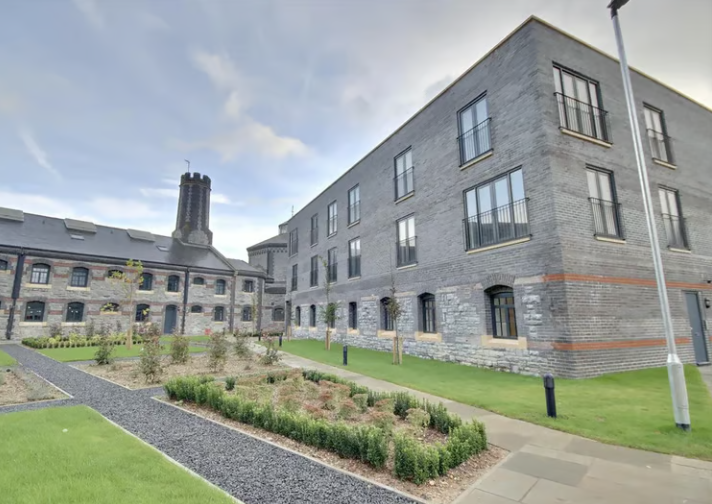
Opened in 1877, Kingston Prison holds a special place in British architectural history, being the last of the 19 classic radial-plan prisons built in England and Wales between 1842 and 1877.
Designed by local architect George Rake, it was built using a robust, multi-colored brick-and-flint style, featuring a striking, castellated gatehouse complex and a central rotunda.
Kingston's purpose often changed frequently to adapt to the needs of the British justice system, and was used both as alocal jail and Borstal during its lifetime.
During World War II, the prison was temporarily decommissioned and utilized as Portsmouth police station, but following the abolition of capital punishment, Kingston began holding lifers.
In the late 20th century, Kingston became unique as the only prison in England and Wales to feature a dedicated unit specifically for elderly life-sentence prisoners, but this was later moved to HMP Norwich.
Notorious Scottish serial killer and thief Archibald Hall, nicknamed "The Mad Butcher," spent a significant portion of his life sentence at Kingston before his death in 2002.
Raphael Rowe, Michael Davis, and Randolph Johnson, nicknamed The M25 Three, due to their wrongful convictions, spent years at Kingston fighting their case before their convictions were quashed in 2000.
HMP Kingston met its end just like the previous prisons in the list, falling victim to an aggressive cost-cutting campaign to phase out older, expensive-to-run Victorian facilities.
HMP Kingston officially closed its gates on March 28, 2013, resulting in the relocation of roughly 200 inmates and dozens of staff members.
The site now entered a brief period of abandonment with an entertainment company hosting immersive tactical airsoft games thanks to its spooky Victorian layout.
In late 2014, the Ministry of Justice sold the site to heritage developer City & Country, with a comprehensive plan was put forward to transform the prison into a residential development.
Work began in 2020, resulting in a landmark multi-million-pound urban regeneration project with many buildings hollowed out but not demolished due to Grade II listed status.
The central courtyard, where prisoners once took their daily exercises, was landscaped into a lush, green, shared open space and residential community.
5 - HMP Reading
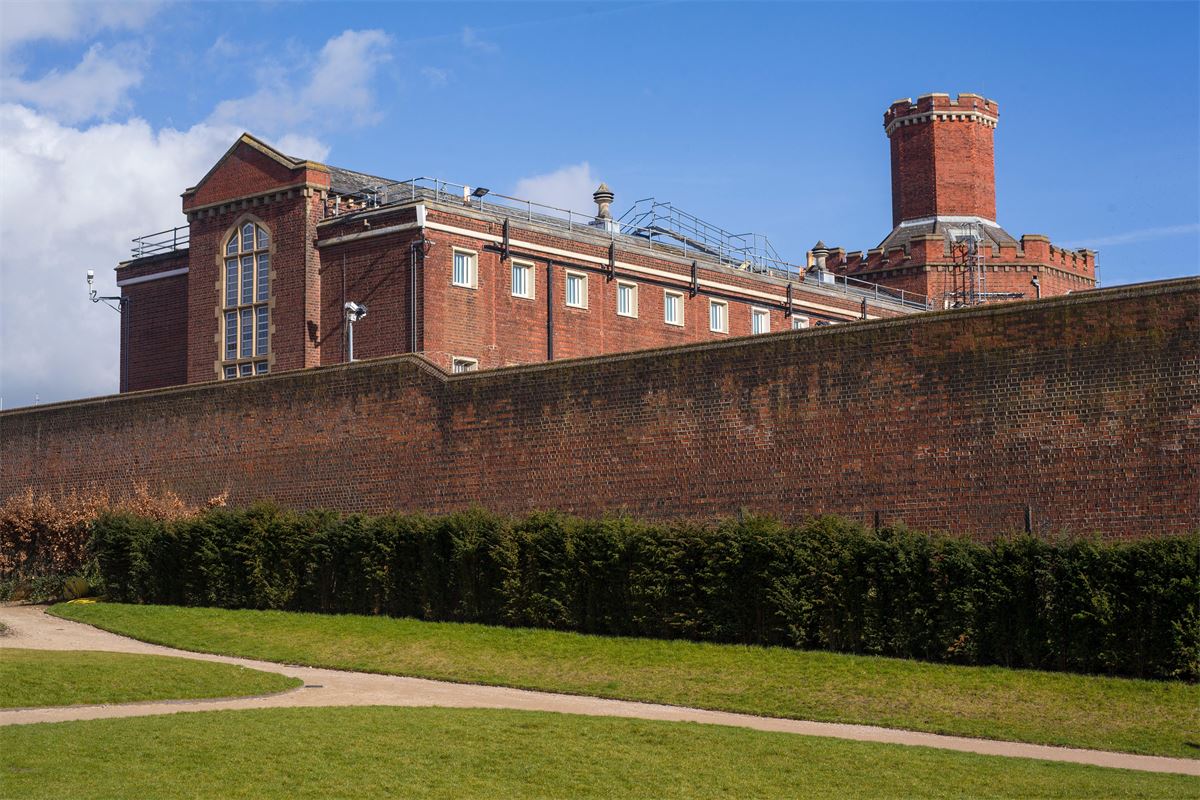
Opened in 1844, Reading Gaol was constructed to replace an outdated 18th-century county jail and was designed by prominent architect William Blackburn.
Built in a striking, castellated red-brick style explicitly modeled after London’s infamous Newgate Prison, Reading was an architectural pioneer in prison building at the time.
Inmates were kept in total isolation to encourage self-reflection, penitence, and reform, were forbidden from looking at or speaking to one another and were forced to wear heavy canvas masks or hoods with eyeholes.
During WWI, it was utilized as an internment camp to hold suspected spies, foreign nationals, and Irish political prisoners following the 1916 Easter Rising.
It closed temporarily in 1920 but reopened to serve as a Borstal for young men, and eventually became a Remand Centre and a Young Offenders Institution, holding males aged 18-21.
One of the most famous men ever held here was the legendary Irish playwright and poet, Oscar Wilde, who was convicted of "gross indecency" under Victorian laws criminalizing homosexuality.
He was subjected to brutal hard labor, forced to walk a treadmill, and spent 23 hours a day trapped in isolation in Cell C.3.3, situated on the third landing of the brutal C Wing.
One of the most prolific serial killers in British history, The "Ogre of Reading," Amelia Dyer was held at Reading Gaol during her trial before being hanged at Newgate.
Finally, a trooper in the Royal Horse Guards named Thomas Wooldridge, was executed at Reading Gaol in 1896 for his wifes murder, an execution that later inspired Oscar Wilde’s "The Ballad of Reading Gaol."
As with the others, Reading fell victim to the nationwide decommissioning event and was formally shuttered in November 2013, leaving the 3.8-acre site abandoned.
The prison grounds sit on top of the scheduled ancient monument of Reading Abbey ruins, the location of King Henry I burial and became an incredibly complex piece of property to sell.
The prison sat in a state of suspended animation for over a decade while a massive tug-of-war took place over its future, but in 2021, world famous artist Banksy dramatically intervened.
He used the prison’s perimeter wall as a canvas to paint a mural titled Create Escape, which depicts an inmate abseiling down the brickwork using a rope made of bedsheets tied to a typewriter.
The deadlock finally broke when the Ministry of Justice sold the former HMP Reading to the Ziran Education Foundation for £7 million.
Developers are currently coordinating with local authorities and Historic England to refine the highly sensitive site and ensure the architecture of Oscar Wilde’s confinement is preserved.
4 - HMP Gloucester
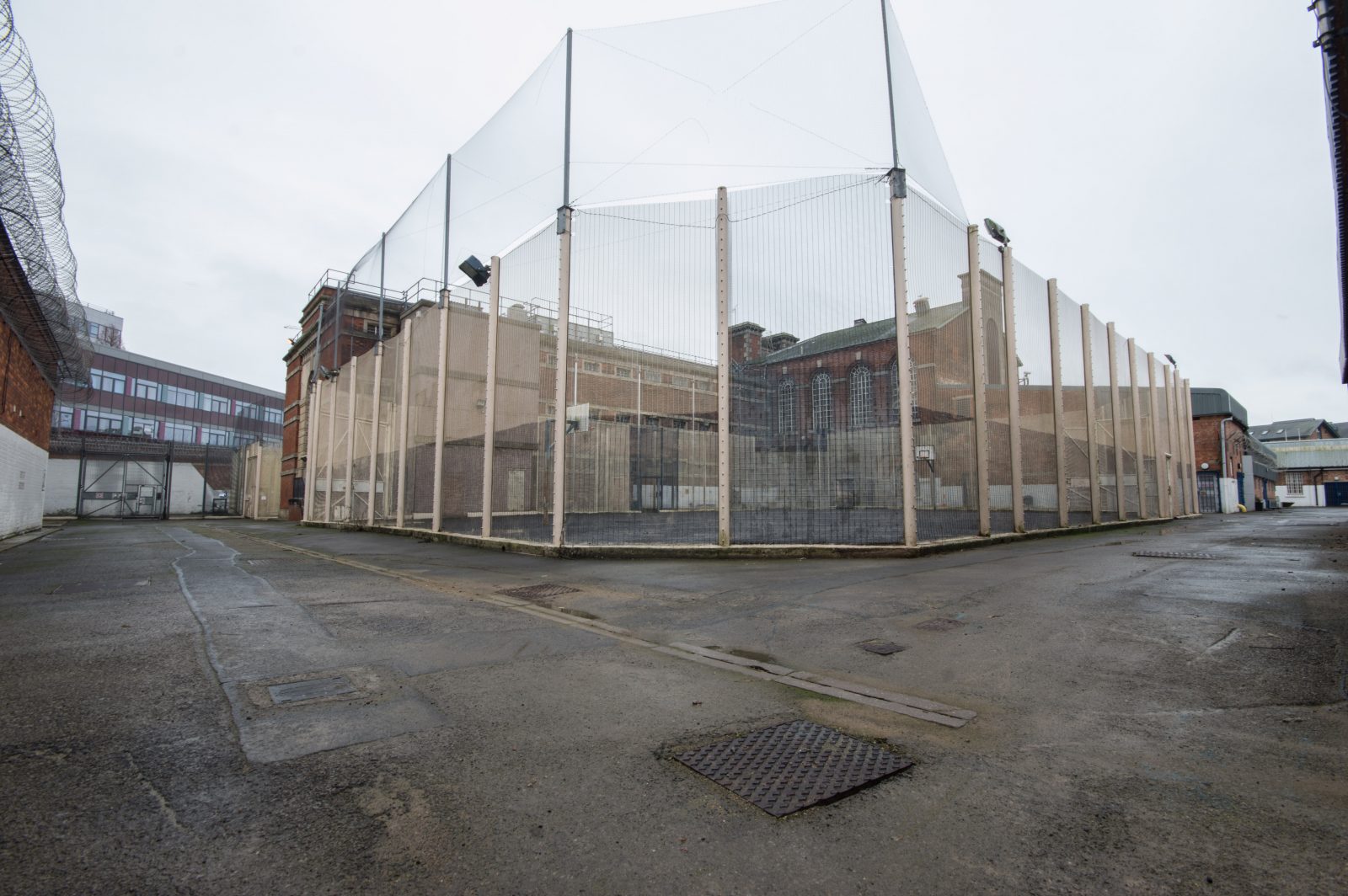
A site that has been associated with captivity since the 11th century, the site of this prison was once the location of Gloucester Castle, a massive Norman fortress built during the reign of William the Conqueror.
As the castle fell into irrelevance over the centuries, its keep was adapted to serve as the county’s primary jail, becoming a squalid, disease-ridden pit by the late 18th century.
The old castle structures were soon demolished and in 1971, the new "Gloucester County Gaol and Penitentiary" opened on the site and at a cost of £34,000, it was revolutionary for its time.
Between 1844 and 1850, the prison underwent a major overhaul with a massive new convict block adding three new levels and a third wing was added in the 1970's.
One of the most prominent execution sites in England, between 1792 and 1939, a total of 123 people were hanged within the prison walls, with these events carried out on the roof of the prison's northeast gatehouse.
The final person executed at HMP Gloucester was Ralph Smith, a 28-year-old man who was hanged on March 4th, 1939, for murdering his girlfriend.
One of Britain's most prolific and depraved serial killers, Fred West, as held on remand at HMP Gloucester while awaiting trial, eventually transferred to HMP Birmingham where he later died.
Another prisoner, Herbert Rowse Armstrong, was known as the "Hay Poisoner," who was convicted and executed in 1922 for the murder of his wife using arsenic.
Finally, a prominent Irish politician and writer who founded Sinn Féin, Arthur Griffith was arrested by British authorities during the Irish War of Independence and interned at Gloucester Prison between 1918 and 1919.
The closure of Gloucester came in 2013, when it was announced that the prison would be shutting its gates for the final time on March 31st, 2013.
Over 300 inmates were relocated to surrounding prisons, and the historic complex was locked up and put on the real estate market but history soon got in the way.
Archaeologists digging beneath the prison yard uncovered the incredibly well-preserved, massive stone foundations of the original Norman Gloucester Castle, a find of immense historical significance.
Because prison rules dictated that executed felons be buried in unmarked graves within the prison yard, archaeological teams discovered the skeletal remains of around 100 former inmates.
Residential development of the site then became highly complex and expensive and the site has since been left structurally intact, evolving into one of the UK’s premier destinations for "dark tourism."
The prison, still fully intact, is frequently named one of the most haunted locations in the UK and draws both urban explorers and ghost hunters from across the country.
3 - HMP Shrewsbury
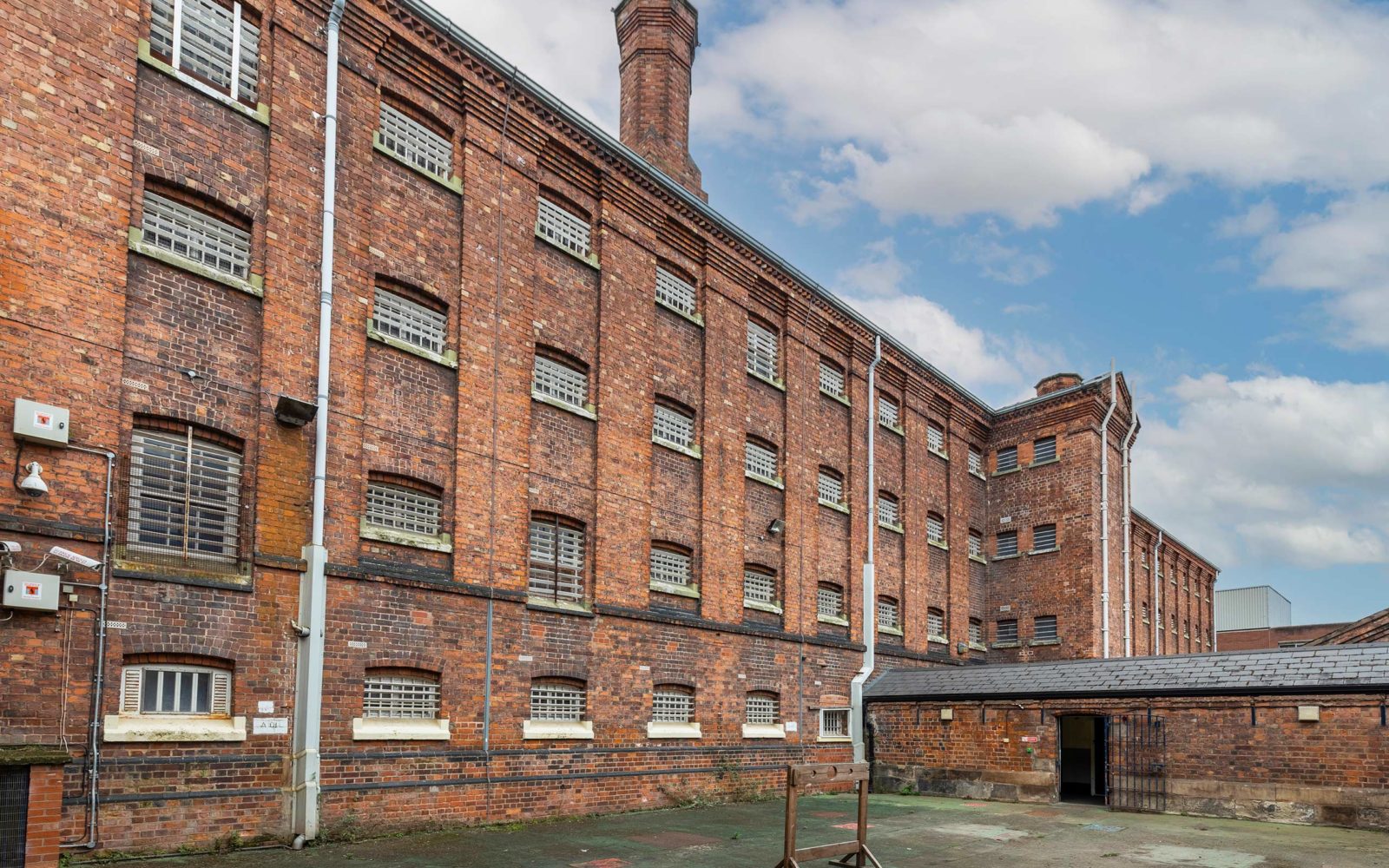
Famously known as The Dana, Shrewsbury Prison sits near the site of the medieval Dana Gaol and was first built as a Georgian prison that was completed in 1793.
Constructed under the supervision of Thomas Telford and based on plans by penal reformer John Howard, the subterranean remains of the original 1793 prison are still intact and accessible beneath the current wings.
By the late 19th century, the Georgian prison was deemed outdated and completely rebuilt with the site expanded between 1883 and 1888 to adhere to Victorian prisons of the day.
Up until 1863, executions were conducted publicly on a scaffold erected over the prison's main gatehouse, drawing thousands of spectators from the town.
The final execution at HMP Shrewsbury took place on February 9, 1961, when 19-year-old George Riley was hanged for the murder of his neighbor, an execution carried out by the famous hangman, Harry Allen.
Over its centuries of operation, HMP Shrewsbury housed a diverse array of inmates, from local criminals to union activists who fundamentally altered British labor history.
Sam Home and the Shrewsbury Pickers became a massive rallying point for the British trade union movement during the 1970s.
Twenty Four trade unionists were prosecuted in a highly controversial political trial that included Des Warren and Ricky Tomlinson, who became known as The "Shrewsbury Two."
Warren and Tomlinson were later convicted of "conspiracy to intimidate" and imprisoned at HMP Shrewsbury.
After 220 years of service the prison officially shut down on March 31st, 2013, again part of the massive cost-cutting drive by the UK government.
To mark the closure, the final prison staff, led by the last Governor, Gerry Hendry, took part in a ceremonial final parade out through the historic main gates.
Immediately after closing, the Grade II listed prison was sold to a private property developer, The Osborne Group, with permission to convert the historic cells into flats and student accommodation.
The project has since stalled, with planning battles over traffic restrictions, parking, and heritage preservation completely delaying the project.
Today, Shrewsbury Prison operates as a world-renowned dark tourism hotspot, ranking among Shropshire's top tourist destinations with guided tours, frequently led by real ex-prison officers.
The site also hosts ghost tours and a unique overnight "Night Behind Bars" event, and escape rooms utilizing actual, unmodified prison cells.
HMP Shrewsbury has also become one of the most sought-after filming sets in British television history, with series such as Coronation Street, Celebrity Hunted and Banged Up being filmed there.
To further cement its status as a world-class destination, redevelopment plans were advanced to convert parts of the prison complex into a 20-bedroom luxury boutique hotel, a 120-cover restaurant, and a state-of-the-art conference facility.
2 - HMP Dorchester
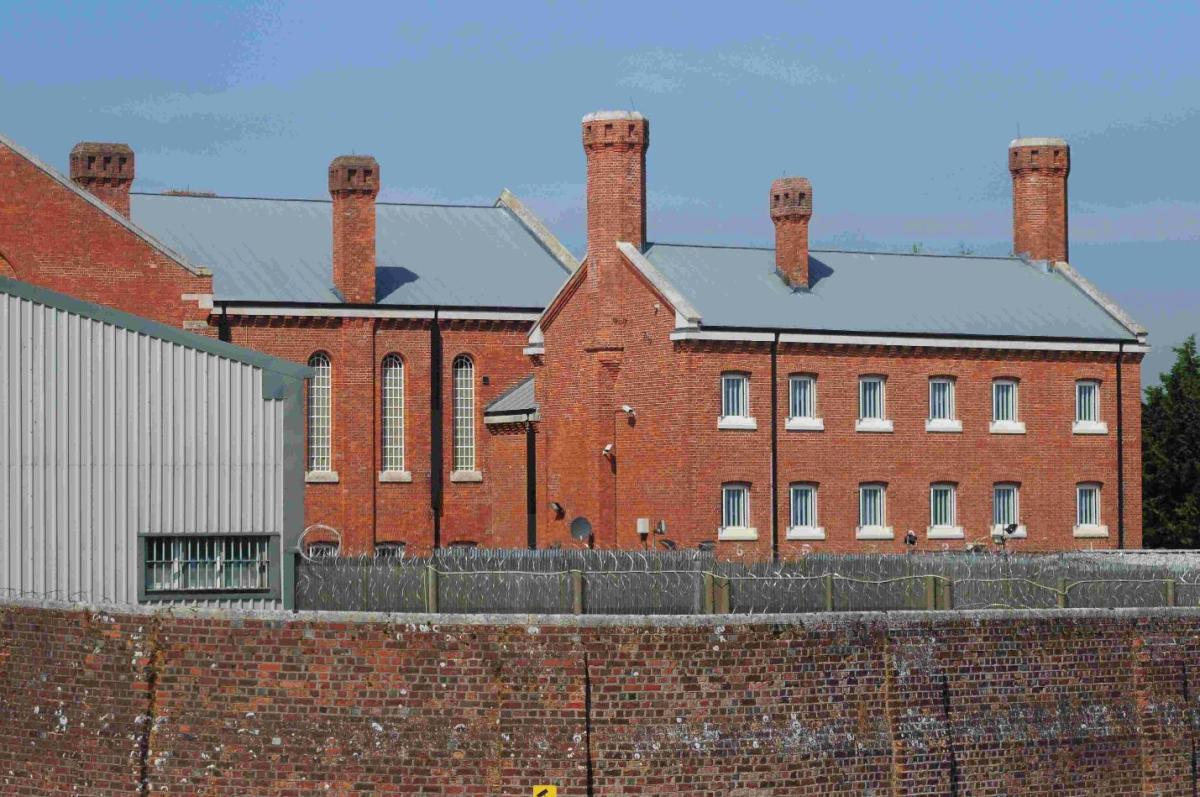
The site of Dorchester Prison has layers of deep history with it being built directly over a prominent Roman town house that featured a mosaic floor that is now housed in the nearby Dorset Museum.
Furthermore, during the medieval period, it was the site of Dorchester Castle, a fortified stronghold built in the 12th century that eventually fell into ruin.
Construction on a proper county jail began in the late 18th century and the original prison building opened in 1795 at a cost of roughly £18,000.
As the prison population grew, the site underwent a massive overhaul in the 19th century, resulting in the iconic, Victorian red-brick architecture seen today.
Dorchester was the principal site for capital punishment in Dorset, witnessing a total of 13 public executions at its gates, alongside many subsequent private indoor hangings.
On August 10th, 1858, James Seale was hanged at the gates of the prison for murder, making history as the last man ever publicly executed in Dorset.
By the early 2000s, the aging facility was facing severe scrutiny with a highly critical 2007 inspection report condemning it for severe overcrowding and outdated infrastructure.
By this time 25% of inmates were testing positive in random drug screens, but the prison staff rallied and turned the site around to win the official title of "Most Improved Prison" in 2008.
One of the most famous prisoners to spend time here was Elizabeth Martha Brown, sentenced to death for murdering her abusive husband with an axe after he attacked her.
By late 2013, the prison service sounded the death sentence on Dorchester with the prison officially decommissioned and its gates closed in January 2014, ending more than 200 years of active correctional history.
Following its closure, the 5-acre site was purchased by heritage property developer City & Country as part of a multi-prison package that aimed to build 185 residential apartments.
Building work has consistently stalled on the project thanks to a fierce, ongoing legal and design battle with local authorities and the Dorchester Civic Society.
The empty, untouched Victorian cells have now found a highly successful temporary life in the world of alternative tourism with ghost hunts, and immersive escape games.
The prison courtyards have since been utilized by the town to host thriving, regular community events, including an immensely popular monthly street and crafts market.
As of 2026, the imposing gates of HMP Dorchester remain fully intact and a reminder of its dark history as a place of both death and suffering.
1 - Shepton Mallet
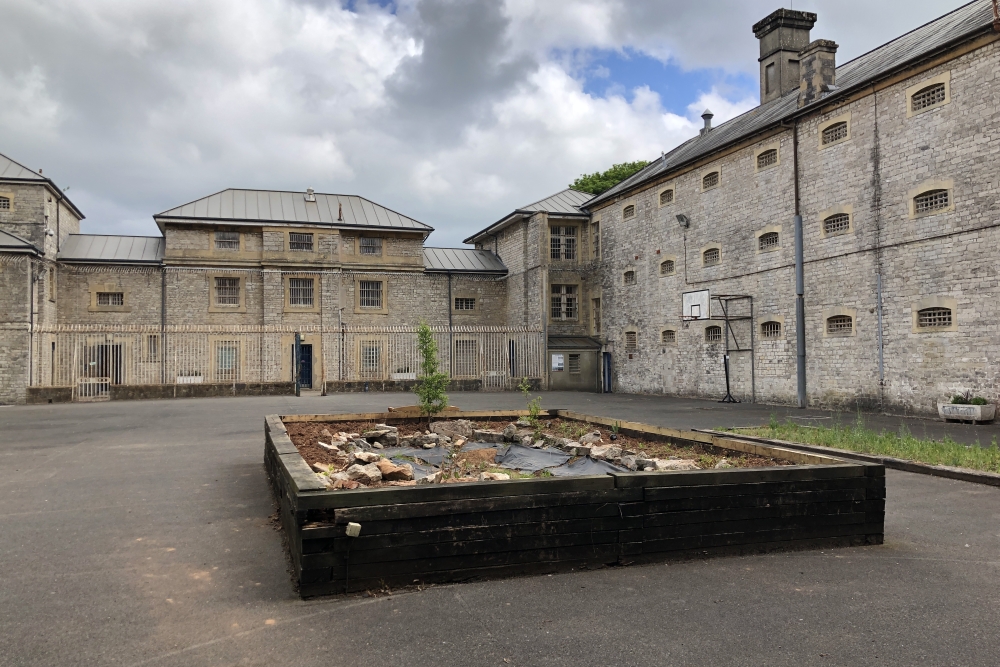
Historically known as Cornhill, Shepton Mallet prison is a site of immense historical magnitude with a legacy defined by brutal executions, wartime secrets, and notorious gangland figures.
Established in 1625 following an act by King James I mandating that every county establish its own "House of Correction," Shepton Mallet is the UK's oldest purpose-built prison.
Its early centuries were defined by squalor, disease, and brutal punitive measures and between the 1820's and 1830's a massive treadwheel was installed, forcing prisoners sentenced to hard labor to walk continuously to pump water or grind grain.
The prison underwent expansions throughout the Victorian era, adding second stories to cell wings but it closed temporarily in 1930 due to under-use.
This prison, however, was destined for a much larger role on the global stage, being requisitioned by the British military in WW2 and used as a military prison, also known as a "glasshouse."
From 1942 to 1945, the prison was utilized exclusively by the US military to house American soldiers convicted of severe crimes across Europe.
The Americans constructed a brand-new, brick execution block within the prison yard, executing 18 American soldiers for crimes of murder.
Due to its heavily fortified structure and rural location, Shepton Mallet was selected as a top-secret storage vault to protect the UK's most priceless historic documents from the Blitz.
The prison safely housed the Domesday Book of 1086, the Magna Carta, the logbook of HMS Victory, the confession of Guy Fawkes, and the original will of William Shakespeare.
The military vacated the premises in the 1960s, and by 1966, Shepton Mallet had reopened as a high-security civilian facility, eventually functioning as a Category C training prison.
Given its 400-year history, Shepton Mallet has housed a vast array of infamous individuals including two of its most famous, the Kray Twins, Reggie and Ronnie.
According to legend, the prison is haunted by a female inmate, nicknamed The "White Lady," from the late 1700s who murdered her fiancé during a domestic dispute.
Housed in the prison before her execution, she is said to still wander the wings in her wedding dress, contributing to Shepton Mallet’s reputation as the "world's most haunted jail."
The son of a notorious Member of Parliament, John Lincoln was executed at Shepton Mallet in 1926 for a high-profile murder in Wiltshire and this marked the final civilian execution carried out at the site.
By 2013, Government officials noted that the cramped, ancient infrastructure was vastly inefficient and costly compared to modern facilities and decided that closure was the only viable route.
Officially decommissioned, Shepton Mallet closed its gates on March 28, 2013, ending four centuries of correctional history and the prison was left abandoned.
In 2017, the tourism and events company Cove Group leased the facility to establish Shepton Mallet Prison as a world-class educational and heritage attraction.
Due to a disagreement, Cove Group officially shut down operations on January 2nd, 2024, resulting in the loss of local jobs and leaving the future of the historic site heavily in doubt.
This closure was short-lived after the immense cultural and economic value of the site was recognised and Cove Group stepped forward to buy the site outright from City & Country.
Shepton Mallet Prison has now been transitioned into a permanent cultural landmark that operates year-round and hosts 12-hour overnight sleepovers, living history days and acts as a backdrop for TV shows and film projects.
As of 2026, the UK's oldest prison remains frozen in time, preserved in its exact state from the day the last prisoners walked out.
Thanks for watching, if you enjoyed the video, please consider cheeking out these videos on the UK's category B and C prisons and we will see you in the next video.
About the Creator
Vidello Productions
My name is William Jackson, a YouTube content creator and crypto enthusiast with over 167,000 subscribers and I make videos that are focused on the billionaire lifestyle and crime.
I make top list videos in true crime and lifestyles.
Enjoyed the story? Support the Creator.
Subscribe for free to receive all their stories in your feed.
Comments
There are no comments for this story
Be the first to respond and start the conversation.