
Top 10 Most Dangerous HMYOI Prisons In The United Kingdom
Adult prisons may hold some of the most dangerous inmates in the United Kingdom, but these Young Offender institutions are almost always overlooked when it comes to serious crime and violence.

10 - HMYOI Drake Hall
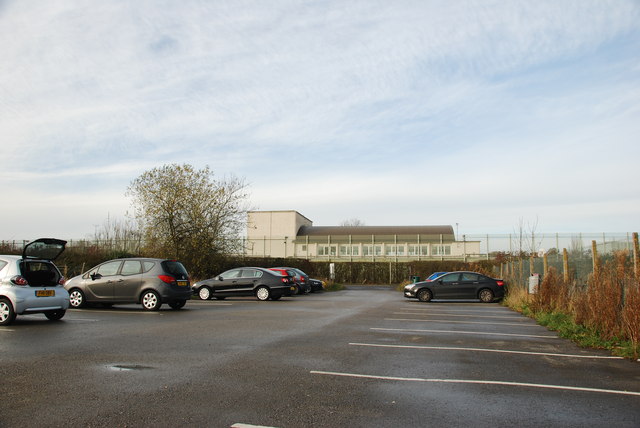
Presenting a deceptive first impression, Drake Hall sits neatly tucked away in the Staffordshire countryside with an open-campus feel and lack of high concrete walls.
Looking more like a modest community college than a prison, the history of this site dates back to its time as a wartime munitions factory and later, resettlement prison for some of the UK’s most notorious women.
Built in 1941, it originally served as a hostel for workers at the nearby ROF Swynnerton munitions factory before transitioning to a male prison and an asylum seeker center.
Today, it operates primarily as a closed training prison and Young Offender Institution and is one of the few prisons in the UK that allows a "semi-open" environment where trusted inmates can live in "The Village."
Despite its laid back interior, Drake Hall has housed women convicted of some of the most shocking crimes in recent British history including Karen Matthews, convicted in 2008 for the kidnapping of her own daughter.
Notorious road rage killer Tracie Andrews was held here after her 1996 conviction for the murder of her fiancé, Lee Harvey and spent the end of her life sentence here while preparing for a 2011 release.
Jailed for the manslaughter of her six children in the 2012 Derby house fire, Mairead Philpott was reportedly housed at Drake Hall before being moved due to safety concerns from other inmates.
The open nature of the "Village" housing has occasionally led to security breaches with reports of mobile phones and unauthorized substances being smuggled in.
One interesting feature of this prison, it houses a rail track training facility, the first of its kind in a female facility and a professional-grade salon is also accessible to inmates.
9 - Woodlands Juvenile Justice Centre
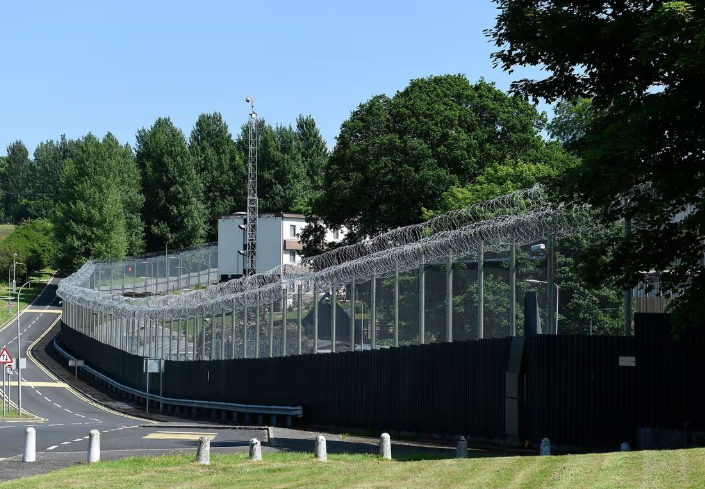
Located in in Bangor, Northern Ireland, Woodlands is often described as the "jewel in the crown" of the region's justice system but has actually housed those involved in some of the most harrowing crimes in Northern Ireland’s modern era.
Opened in 2007, Woodlands was designed to replace the aging and controversial Rathgael and Lisnevin centers and was built with youth-centered rehabilitation in mind.
Designed to look less like a prison and more like a secure school, features include a swimming pool, high-tech classrooms, and vocational workshops, holding those serving Juvenile Justice Centre Orders.
The identities of most residents at Woodlands are strictly protected by law, however, several murderers have been held here, and although never photographed, they still made news headlines in the area.
In 2018, a major report by the Criminal Justice Inspection voiced "serious concern" over a sharp spike in the number of children from Catholic backgrounds being sent to Woodlands.
Life at Woodlands is structured around the "Six-Stage Process," where residents earn privileges through good behavior with attendance a mandatory obligation.
8 - Hydebank Wood Secure College
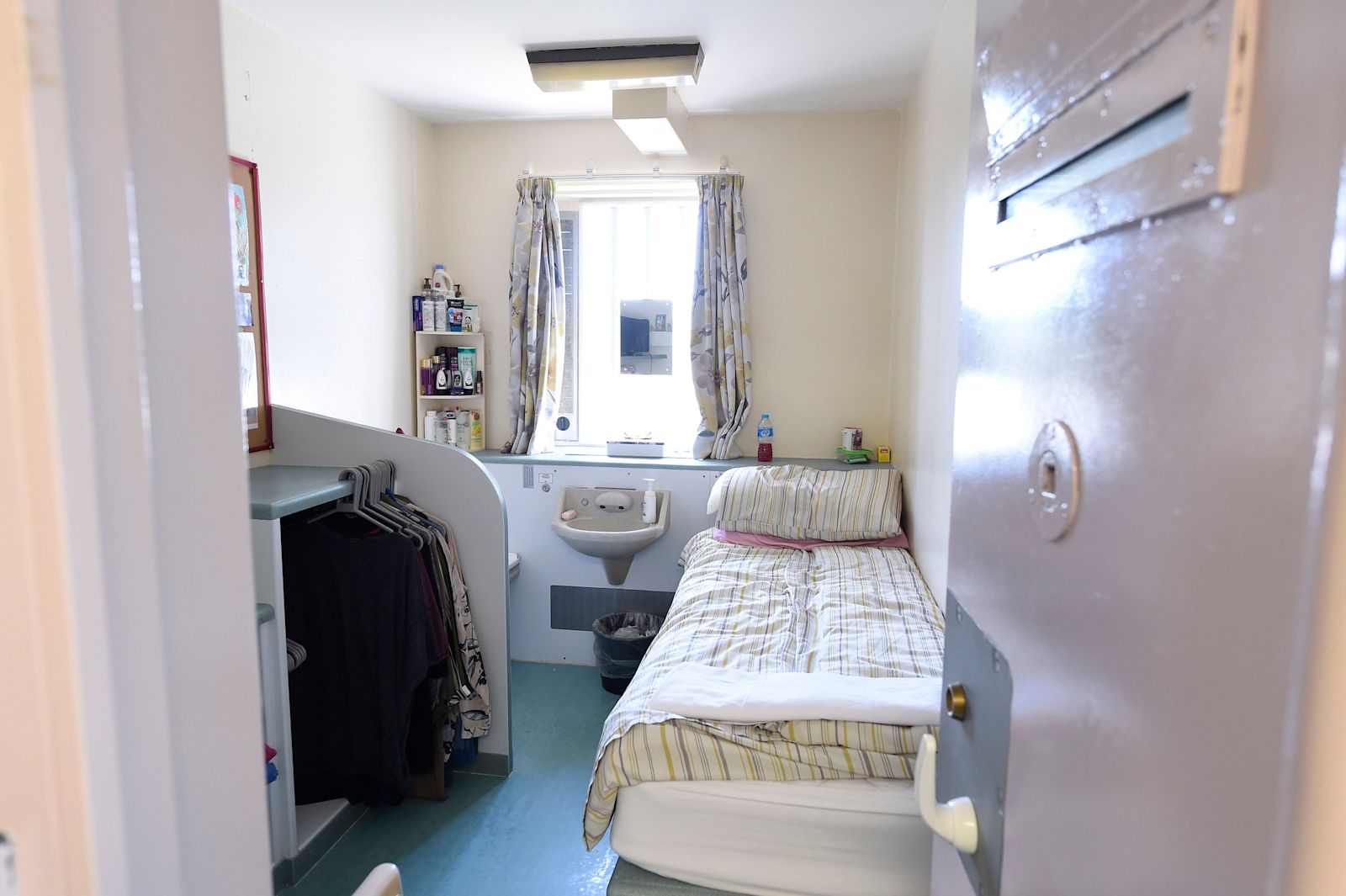
On the southern edge of Belfast, Hydebank Wood Secure College stands as one of the most unique and debated institutions in the UK's penal system.
Opened in 1979, Hydebank Wood was originally designed as a Young Offenders Centre for males, however, after the closure of the women’s prison at Mourne House, its role expanded significantly.
In 2013, inspectors issued a scathing report saying the found high levels of prisoner fear and an environment where drugs were more readily available than educational books.
Like its sister facility, Woodlands, Hydebank has faced chronic understaffing and this led to a dangerous practice known as "regime curtailment," with inmates locked up all day when staff members cant be present.
Inspectors found that the "secure" nature of the facility often failed to prevent self-harm, with many inmates reporting that the atmosphere of the prison worsened their mental health.
For years, reports indicated that female inmates felt intimidated by the presence of young male offenders, while the shared facilities, such as the gym and library, led to frequent security breaches.
In February 2016, the facility’s security was called into question when Alison McDonagh, serving life for murder, absconded while on a supervised visit, captured days later in Belfast, the "open door" policies were soon revoked.
7 - HMYOI Parc
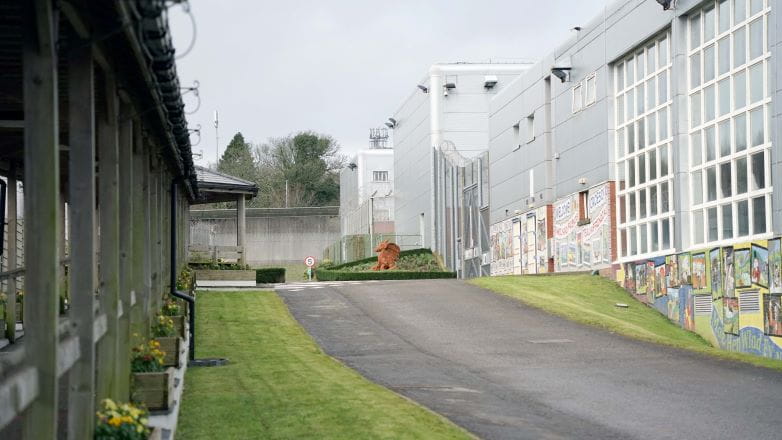
Since its opening in 1997, Parc has been managed by the private security giant G4S and is one of the largest prisons in the UK, housing a complex mix of over 1,600 category B male adults and young offenders.
Parc has a turbulent chronicle of high-profile inmates and systemic crises, with its "prison of the future" nickname marred by instability after staff shortages and a lack of control that led to a string of early incidents.
Concerns have often raised about the proximity of the vulnerable youth wing to the high-intensity adult population, but it has often been viewed more favorably than the adult wings.
In early 2024, the prison faced a localized emergency following a cluster of sudden inmate deaths, with investigators linking the fatalities to a batch of Spice laced with Nitazenes, synthetic opioids many times stronger than heroin.
Supporters of the facility point to its innovative industrial units, where inmates produce everything from office furniture to high-vis vests, however, he recurring spikes in mortality and drug use make this a dangerous facility to serve time.
6 - HMYOI Cornton Vale
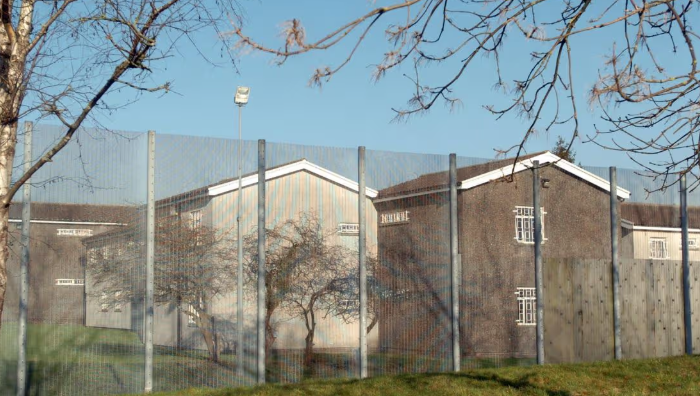
Located in Stirling and opened in 1975, for nearly five decades, HMYOI Cornton Vale was the epicenter of women's justice in Scotland, intended to be a humane departure from traditional Victorian prisons.
Instead of high-security blocks, it featured a "bungalow" layout where small groups of women lived together in individual rooms, managed by a single warden, designed to help foster domestic skills and community.
However, as Scotland’s female prison population skyrocketed, this "village" concept buckled under the weight of overcrowding, transforming a progressive experiment into a claustrophobic nightmare.
As Scotland’s only all-female facility for decades, Cornton Vale housed everyone from political protesters to the country’s most dangerous killers including Avril Jones, Convicted in 2019 for the murder of Margaret Fleming.
The leader of a brutal triple murder at a Glasgow flat in 2004, Edith McAlinden is often cited as one of the most violent female offenders in Scottish history and was responsible for the 2004 "House of Blood" crimes.
Famous faces have also served here with former SNP MP, Natalie McGarry jailed in 2022 for embezzlement and spent time at Cornton Vale during her sentence.
Conditions here were described as grim in 2012, with women forced to wait up to two hours for a toilet at night, leading many to use their cell sinks, a practice described as "appalling" in the 21st century.
Even in its final years, the facility shocked watchdogs with inspectors discovering women with severe mental illness who were essentially in need of urgent care in a psychiatric facility.
In April 2023, Cornton Vale officially closed its doors, ending nearly five decades of the struggle between punishment and rehabilitation with a new facility, HMP Stirling, opening in its place.
5 - HMYOI Polmont
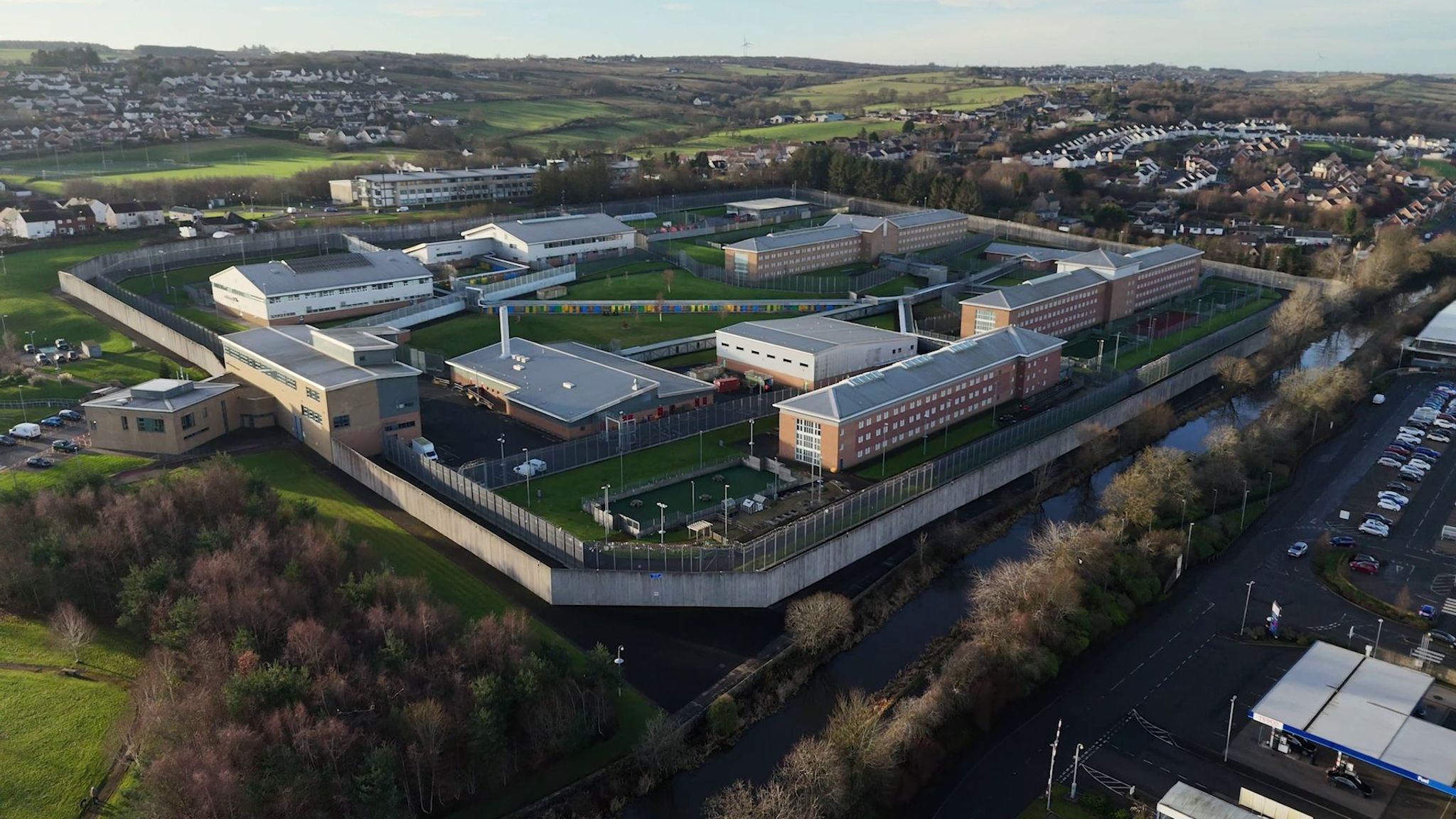
Located in the village of Brighton's, near Falkirk, HMYOI Polmont is Scotland’s largest young offenders institution that was once envisioned as a flagship for rehabilitating the next generation.
Its history is deeply scarred by a series of systemic failures, high-profile tragedies, and an institutional culture that has frequently come under fire from human rights advocates and the Scottish Parliament.
Built in 1843, it was originally the Blairlodge Academy, an elite boarding school for boys, however, after an infectious disease outbreak and financial ruin, the school closed in 1908.
In 1911, the Prison Commissioners purchased the site and transformed it into Scotland’s first Borstal, that for decades, operated under the "Borstal system," focusing on discipline and physical labor.
In 1980, it officially became a Young Offenders Institution, holding male young offenders aged 16 to 21 as well as a small population of female young offenders following the closure of Cornton Vale.
Polmont is one of the primary destinations for young men convicted of serious crimes in Scotland and has housed some of the country’s most notorious figures including Aaron Campbell, convicted of the 2018 abduction and murder of six-year-old Alesha MacPhail.
Luke Mitchell, who was convicted in 2005 for the murder of Jodi Jones in Dalkeith spent his formative years at Polmont, where he consistently maintained his innocence.
Known to the public as a star of the BBC Scotland documentary "The Scheme," Chris Cunningham’s frequent stints at Polmont highlighted the tendancy to reoffend in youths from deprived backgrounds.
Independent monitors have frequently highlighted the "taxing" culture at Polmont, a practice where more powerful inmates steal canteen goods and personal items from more vulnerable ones through intimidation.
Following the 2025 FAI findings, a Ministerial Accountability Board was established to oversee 43 specific recommendations for reform and while new facilities and vocational workshops offer a better future, the ghosts of the past still haunt Polmont's haunt the halls.
4 - HMYOI Wetherby
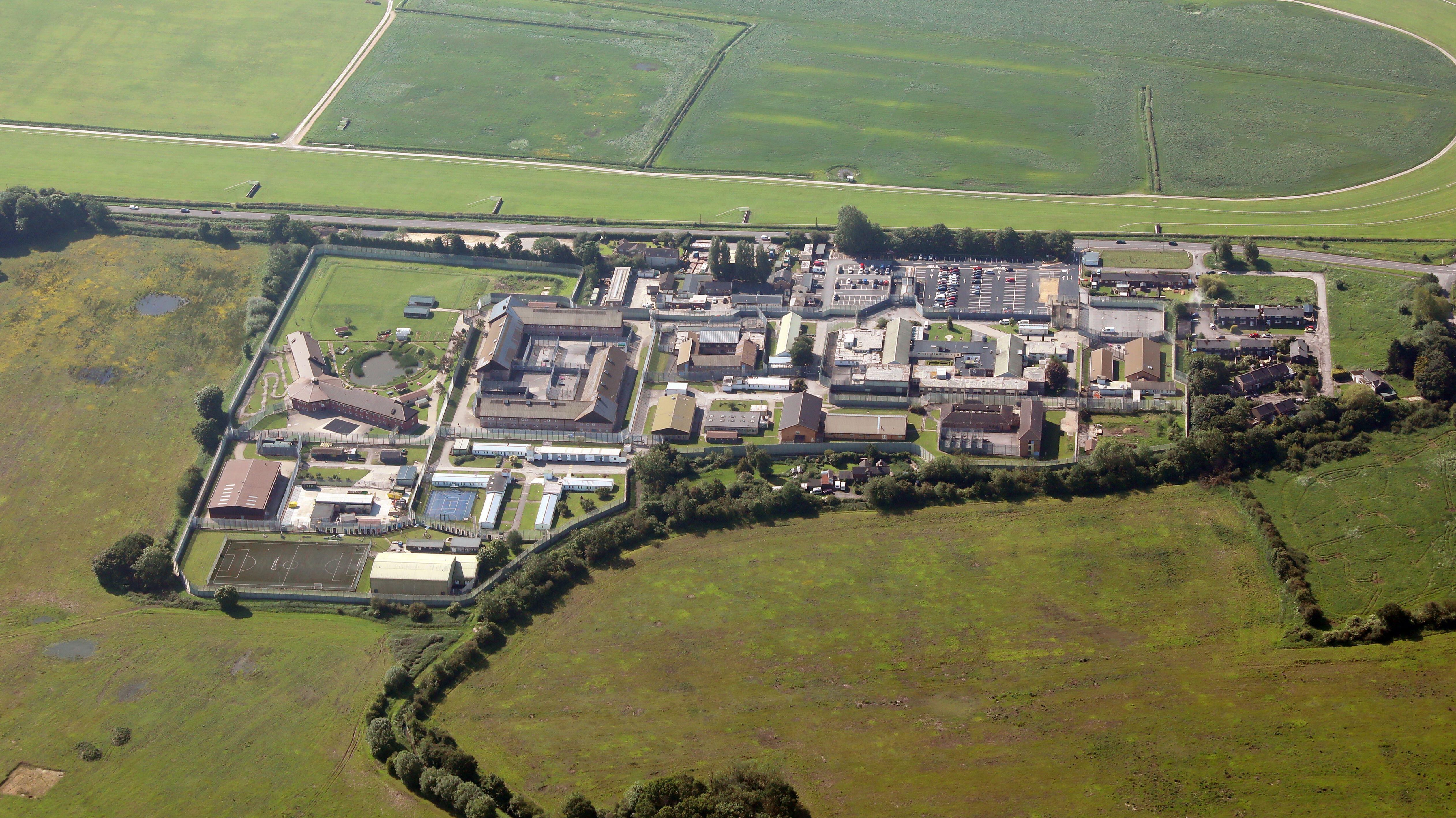
One of the largest and most troubled secure facilities for young offenders in England and Wales, Wetherby’s origins are, like so many other UK prisons, military based.
It was originally HMS Ceres, a Royal Navy shore base during the Second World War, then, in 1958, it was converted into a Borstal, an institution designed for "delinquent" boys.
Over the decades, it transitioned from an open youth custody center to its current role as a high-security closed Juvenile Prison, housing males aged 15 to 18 and developed a cycle of extreme violence and systemic failures.
In recent years, it has also become one of the few sites in the country to house female youth offenders, a move that has introduced a new layer of complexity to its management.
Wetherby has been the first stop for many of the UK's most high-profile juvenile offenders before they are moved to adult high-security estates and its famous faces include Will Cornick, jailed in 2014 for the unprovoked murder of his teacher.
A 2025 report revealed that at any given time, nearly a quarter of the population at Wetherby are being held on charges or convictions for murder or manslaughter but most are kept confidential.
Recent inspections and reports have highlighted a "terrifying" environment with 893 weapons seized within a single 12-month period including shanks, rocks and deodorant cans weighted inside socks.
Those detained told inspectors they carried these weapons not to attack, but because they felt the staff could not protect them from the ever increasing violence at the site.
In 2024, there were 222 assaults on staff, with 66 officers requiring treatment at A&E with the National Tactical Response Group called in on multiple occasions to restore order.
Amidst the chaos of the main wings lies the Keppel Unit, opened in 2009, this 48-bed self-contained unit was designed for the most vulnerable in the system including those with severe learning disabilities or mental health needs.
As of 2025, Wetherby has been placed under an Urgent Notification by the Chief Inspector of Prisons following a "devastating" inspection, noting that the facility has the highest rates of self-harm in the country.
3 - HMYOI Werrington
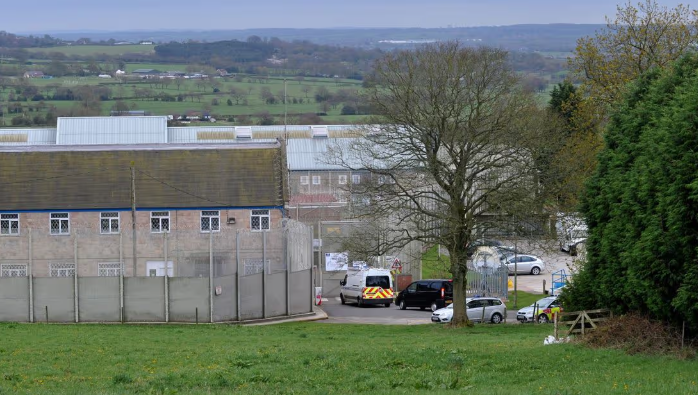
One of the oldest and most volatile institutions in the youth justice estate, Werrington opened as an Industrial School in 1895 and was originally designed to provide trade skills to neglected or "delinquent" boys.
Purchased by the Prison Commissioners and converted into a Senior Detention Centre in 1955, by 1988 it had officially been designated as a Juvenile Centre, eventually focusing on boys aged 15 to 18.
The facility is divided into two primary units, Doulton and Dendy, but despite its modern upgrades, the Victorian-era foundations of the site often struggle to support the high-intensity security needs of todays inmate population.
The prison has become a microcosm of street-level conflicts, leading to an "astonishing" management system known as "Keep-Aparts," orders where certain people cannot be in the same room as others.
In a population of just 66 children, inspectors found 263 active keep-apart orders, making the prison a literal jigsaw puzzle of groups who could not be in the same room without the risk of lethal violence.
In a single 12-month period leading into 2025, staff seized nearly 400 weapons, many made inside the prison from sharpened bed frames and plastic cutlery, with many carrying them for safety.
By late 2025, Werrington held the grim title of the most violent prison in the country relative to its size with 31 inmates sent to hospital due to attacks and its keep-apart system so overused it paralyzed the prison.
Inmates were often denied education or exercise simply because the logistics of moving them past "rivals" were too dangerous for the understaffed wings and the ingress of drugs empowering internal gangs.
At one point, the violence became so serious, inmates choose to stay locked in their cells 24/7, refusing to come out for food or education because they are terrified of being "jumped" in the corridors.
One positive note for Werrington, the facility has become a global leader in Dyslexia support, becoming the first secure establishment in the world to receive a "Dyslexia Friendly" award.
2 - HMYOI Cookham Wood
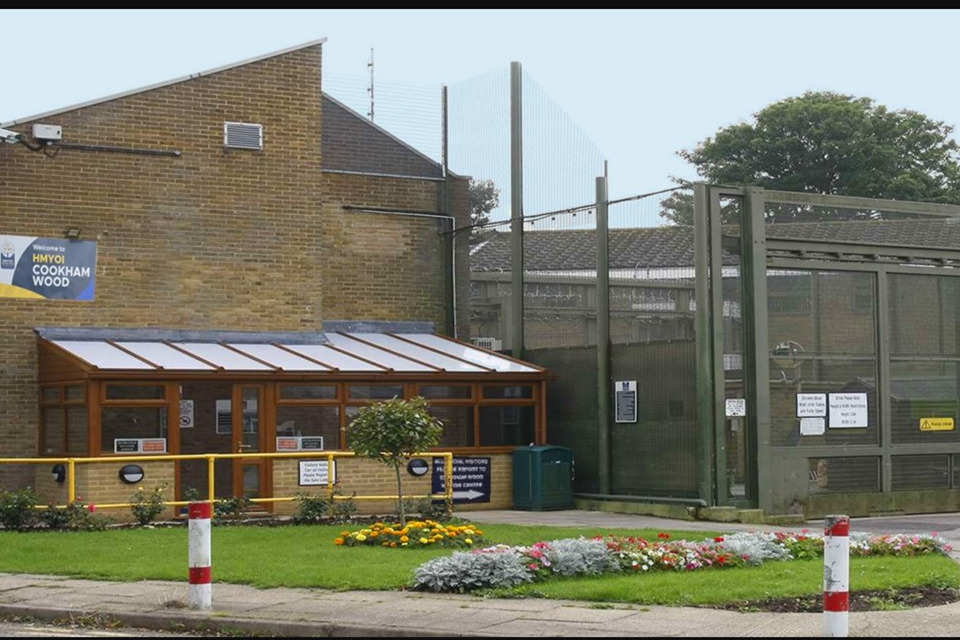
Now re-purposed, Kent's Cookham Wood young offenders institution was Opened in 1978 in the village of Borstal, the very birthplace of the youth detention system and was originally built to hold young men.
In a controversial move, between 1998 and 2003, it was converted to a prison for women and juvenile girls, holding some of the UK’s most notorious female criminals.
It reverted to a male YOI in 2003, specifically targeting the 15–18 age group and was designed to be a "training" prison, but the reality was often far from educational.
While the male populations details of confinement are, to this day, confidential, Cookham Wood once housed the most hated woman in Britain including Myra Hindley, the detested moors murderer.
Sandra Gregory, a high-profile inmate jailed for drug smuggling in Thailand was also transferred to Cookham Wood to serve the remainder of her sentence.
During an inspection in April 2023, the scale of the danger inside became public with more than 200 weapons seized and most fashioned from bedframes within the facility.
Inspectors found young inmates were being kept in their cells for over 19 hours a day, sometimes much longer because staff were too afraid, or too few, to allow rival groups to mix.
In August 2024, the government fast-tracked the conversion of Cookham Wood into an adult estate to handle the ever-growing adult estate and created 500 new places for adult males involved in riots across English towns and cities.
An interesting piece of history site directly adjacent to the old site, Oasis Restore was the UK’s first "Secure School" but closed in August 2025 due to serious safety concerns, including staff assaults and weapon creation.
1 - HMYOI Feltham-A
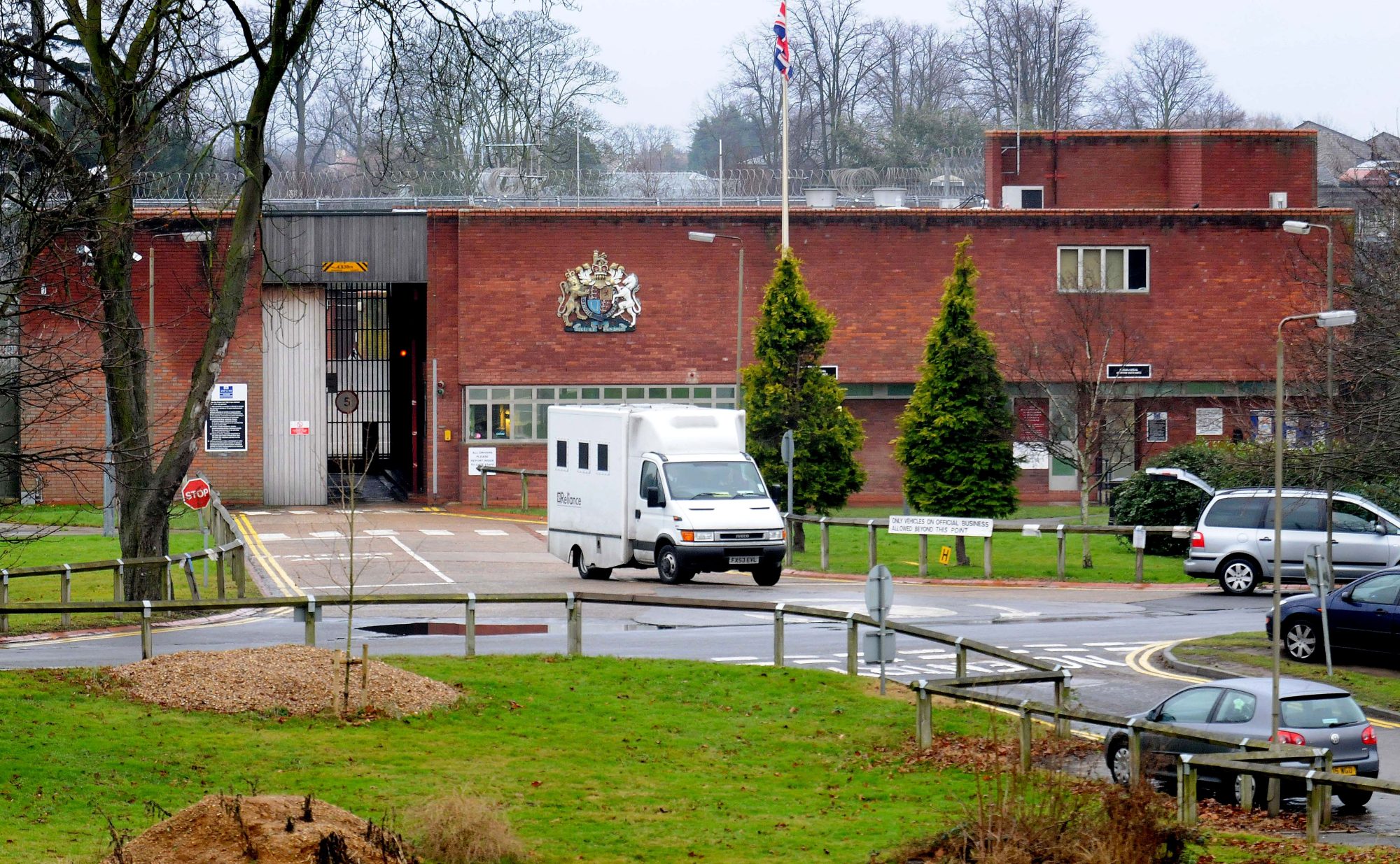
Located in Bedfont, West London, Feltham A is often described as the "hardest" youth prison in the UK with the site split into two prisons, with the A and B names only separating younger and older prisoners.
Feltham’s origins date back to 1854, when it opened as an Industrial School for "destitute and wayward" boys, but over the next 170 years, it evolved through several iterations.
In the early 20th century, it was a flagship for the Borstal system, focusing on military-style discipline and trades, but, by the 1990's, its location near London’s major courts made it the primary destination for the capital’s most violent youth offenders.
The "A" side of the prison has become a symbol of a youth justice system in a permanent state of emergency with the sprawling, concrete labyrinth designed for containment rather than care.
Feltham-A has held some of the most notorious young defendants in modern legal history with one of its most hated inmates, Robert Thompson, requiring the facility to adopt extreme security measures.
Many of the teenagers involved in London's high-profile "honeytrap" murders, where victims were lured to their deaths via social media, have been held at Feltham-A.
Perhaps the most significant event in Feltham’s history was the murder of 19-year-old Zahid Mubarak, who was beaten to death by his cellmate, Robert Stewart, on the day he was due to be released.
The subsequent public inquiry revealed a "catalogue of failures," including the fact that staff had knowingly placed a vulnerable Asian youth in a cell with a white supremacist in a practice some called "Gladiator Games."
In 2019, the Chief Inspector of Prisons took the rare step of issuing an Urgent Notification to the Justice Secretary and his report was a horror story of institutional failure.
Assaults on staff and inmates had risen by 150% in just ten years with offenders kept in cells for 22 hours a day and self-harm rates increasing 300% with many inmates saying it was the only way to get staff attention.
Feltham-A remains a victim of London’s gang landscape, operating on a rigid "regime of separation," with a complex web of "keep-apart," ensuring that members of rival gangs never cross paths in the corridors.
If one group is at the gym, the rest of the prison must be locked down to prevent a massacre that happens often in the gangland "postcode wars" of outside world London.
In recent years, Feltham-A has seen a massive influx of funding, with a state-of-the-art Integrated Mental Health Service and a "nurture unit" for the most vulnerable, but watch your back if serving time here is on your radar.
If you enjoyed this article on the UK prison estate here are 2 more, we have the most dangerous Category-C prisons on the UK and the most dangerous Category-B prisons in the UK, we will see you in the next article.
About the Creator
Vidello Productions
My name is William Jackson, a YouTube content creator and crypto enthusiast with over 167,000 subscribers and I make videos that are focused on the billionaire lifestyle and crime.
I make top list videos in true crime and lifestyles.
Enjoyed the story? Support the Creator.
Subscribe for free to receive all their stories in your feed.
Comments
There are no comments for this story
Be the first to respond and start the conversation.