
The Most Dangerous Top 10 Category C Prisons In The United Kingdom
From a prison that has been nicknamed after a fortress, to a radioactive facility that was once named "The Alcatraz of The Moors," today we dive over the walls of the United Kingdom's CAT-C prisons.

10 - HMP The Verne
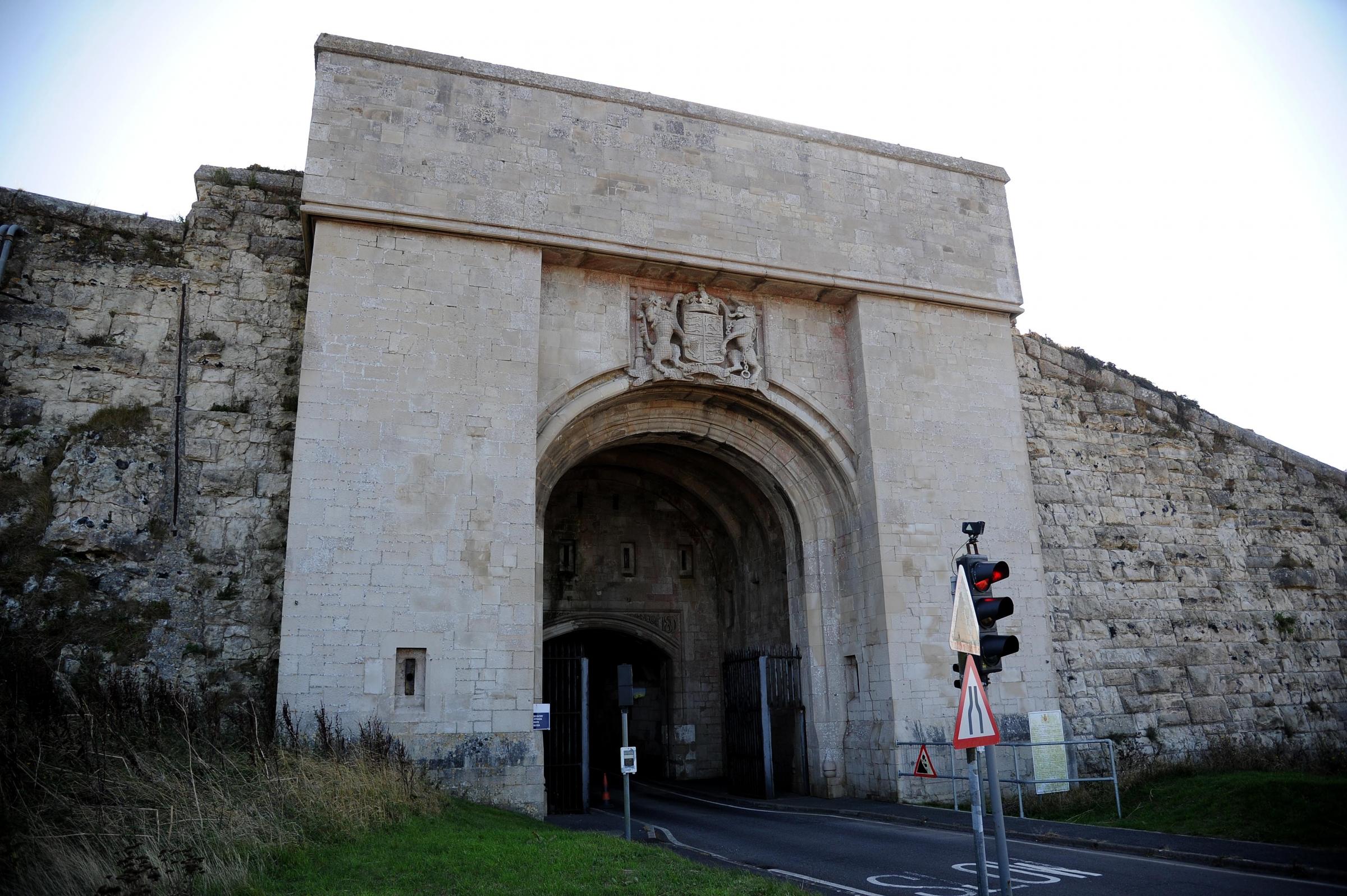
Constructed in the 19th-century on the Isle of Portland in Dorset, HMP The Verne was established in 1949 and occupies the northern part of the island with it operating as an Immigration Removal Centre between 2014 and 2017.
Nicknamed "The Citadel," Verne was constructed inside part of Verne Citadel which was designed by Captain W. Crossman of the Royal Engineers and built between 1857 and 1881 to defend Portland Harbour.
The new prison received its first inmates on 1st February 1949 with the arrival of an advance party of 20 prisoners and ran as a prison until 2013, when it was converted for immigration purposes and held up to 600 people.
The Verne reverted to a prison in 2018 and a 2005 report suggested that safety at the prison had "deteriorated significantly" with anti-bullying and suicide prevention policies needing considerable action.
Criticised again in 2008, the needs of inmates were now not being met and the Chief Inspector of Prisons Anne Owers believed the best option would be to turn it into a centre exclusively for foreign prisoners.
Glam rock star Gary Glitter, who was sentenced to 16 years in prison spent at least part of his sentence here until his release on licence in February 2023, but was recalled to prison for violating his license conditions just one month later.
John Patrick Hannan was one of the more famous residents, escaping the prison in 1955 and becoming a record holder for the longest escape from custody and time as a fugitive.
The Verne has made improvements and inspectors found that there were low levels of violence, good staff-prisoner relationships, and the Jailhouse Café offered work experience to prisoners.
Should you end up at HMP The Verne, at least the views may be comforting while you do your time.
9 - HMP Aylesbury
The site of a prison since at least 1810, the current modern prison has been on its present site since 1847, is of early Victorian design and was modelled on Reading County Prison.
The prison has gone through a variety of changes, originally serving the county, before becoming an adult women's prison in 1890, then, changing to a girls' borstal in the 1930s before becoming an adult male prison in 1959.
In 1961, the prison became a male Young Offenders Institution before transitioning back to an adult male prison in 1989.
By 1998, reports suggested the prison was beginning to slip in its standards, with a poor health regime seeing the rapid turnover of five senior medical officers in two years.
The prison needed the help of the Tornado response team in 2008 after a disturbance lasted six hours and involved a number of inmates taking part in religious celebrations, with those involved charged with prison mutiny.
Former notable inmates include Jade Braithwaite who was held here after the murder of Ben Kinsella and was later ordered to serve a minimum of 19 years.
Another notable face to have spent time at Aylesbury was Ryan Herbert, who was convicted in 2008 of killing Sophie Lancaster and sentenced to 15 and a half years.
Many famous women have spent time at this prison with former United States citizen Florence Maybrick imprisoned at Aylesbury for murdering her considerably older English husband.
Kitty Byron was another famous face to have served time at the prison after being convicted in 1902 of murdering her lover Arthur Reginald Baker but was released in December 1908 after her death sentence was commuted.
Finally, Suffragette Violet Bland was imprisoned in Aylesbury around 1912 and was force fed while serving her sentence. She later wrote about her experience in the book, Votes for Women.
Several riots and serious incidents have occurred at the prison since 2008, with a violent incident in 2017 seeing both inmates and prison officers injured and another riot in 2018, hospitalising four Prison Officers.
8 - HMP Stafford
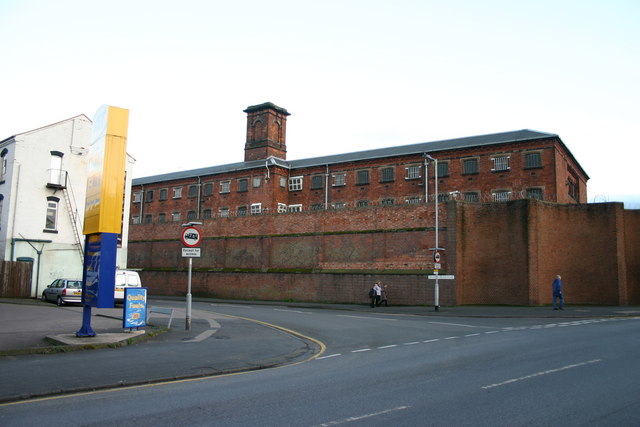
One of the oldest operational prisons in the United Kingdom, this prisons history is a dark tapestry of botched executions revolutionary fervor, and a modern-day transformation into a specialized facility.
Opened in 1793 as the "New Staffordshire Prison," was originally built to replace a decaying medieval facility with much of the interior remaining a relic of the Victorian era including its main hall and crescent wings.
Stafford served as a general-purpose prison for over two centuries but saw a significant change in August 2014 when it changed to operate exclusively as a Category C prison.
There are several notable inmates to grace the list of prisoners at Stafford with one of the most notorious serial killers of the 19th century, The Rugeley Poisoner, William Palmer, executed at Stafford in 1856.
A 19th-century forger, William Booth, had his execution become a local legend at the prison when the trapdoor opened and the rope failed, landing Booth on the floor, but he was not saved, only re-executed a second time.
Former disgraced entertainer Rolf Harris also served part of his sentence at Stafford following his conviction and his presence often drew significant media attention.
In the late 1990's, Stafford was revealed to have one of the most creative and embarrassing security breaches in the prison's history where inmates were using paper planes to fly contraband into the facility.
They would fashion long lines, fly paper planes over the 19-foot perimeter wall to accomplices outside, and then haul packages of narcotics back over the wall, leading to a major security overhaul in 2003.
In 1972, the prison was the site of prisoner strikes led by the Preservation of the Rights of Prisoners group, staging a peaceful rooftop protest, demanding better conditions and an end to "brutal" guard tactics.
Due to the type of convicts the prison holds, those mostly convicted of heinous indecent assaults, any prisoner could get attacked at any time, making this a very dangerous prison.
7 - HMP Stoke Heath
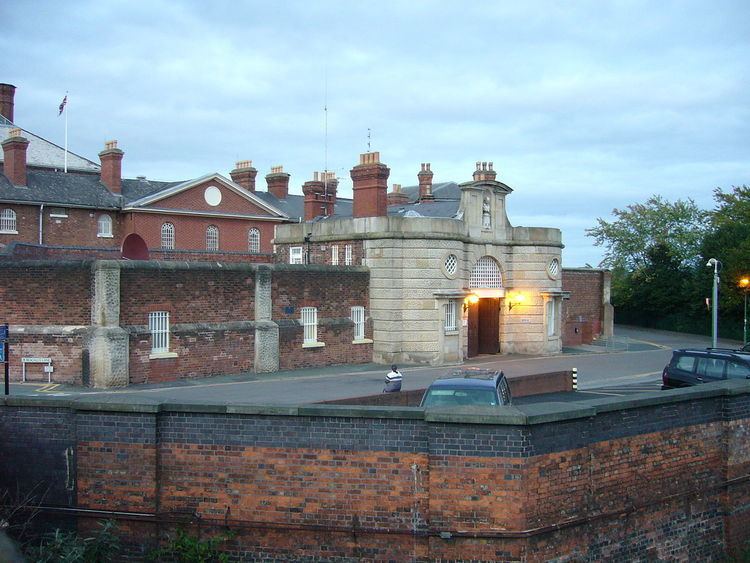
Located near the market town of Market Drayton, HMP Stoke Heath has a rural setting that suggests tranquility, however, the prison's history is anything but tranquil with constant violence and several landmark protests.
Opened in 1964, Stoke Heath was originally built as a Category C prison but quickly converted into a Borstal that was used to deliver a sharp shock to the youth population.
The prison underwent a major transition in 2011 with 750 cells across several residential wings including a dedicated unit for drug treatment and a "Progression Unit" for those nearing release.
The first of many riots began between the 7th and 8th April 1990, when many prisoners took to the rooftop in a peaceful protest, designed to be in solidarity with the Strangeways Prison riot in Manchester.
As 2006 began, another riot occurred at the prison, this time much more violent with four prison officers injured and more than 30 inmates causing chaos on a wing.
By 2007, the prison was criticized for its "unacceptably grubby" segregation units and was told to establish proper risk assessments for strip searches, something that often upset prisoners moving through the jail.
6 - HMP The Mount
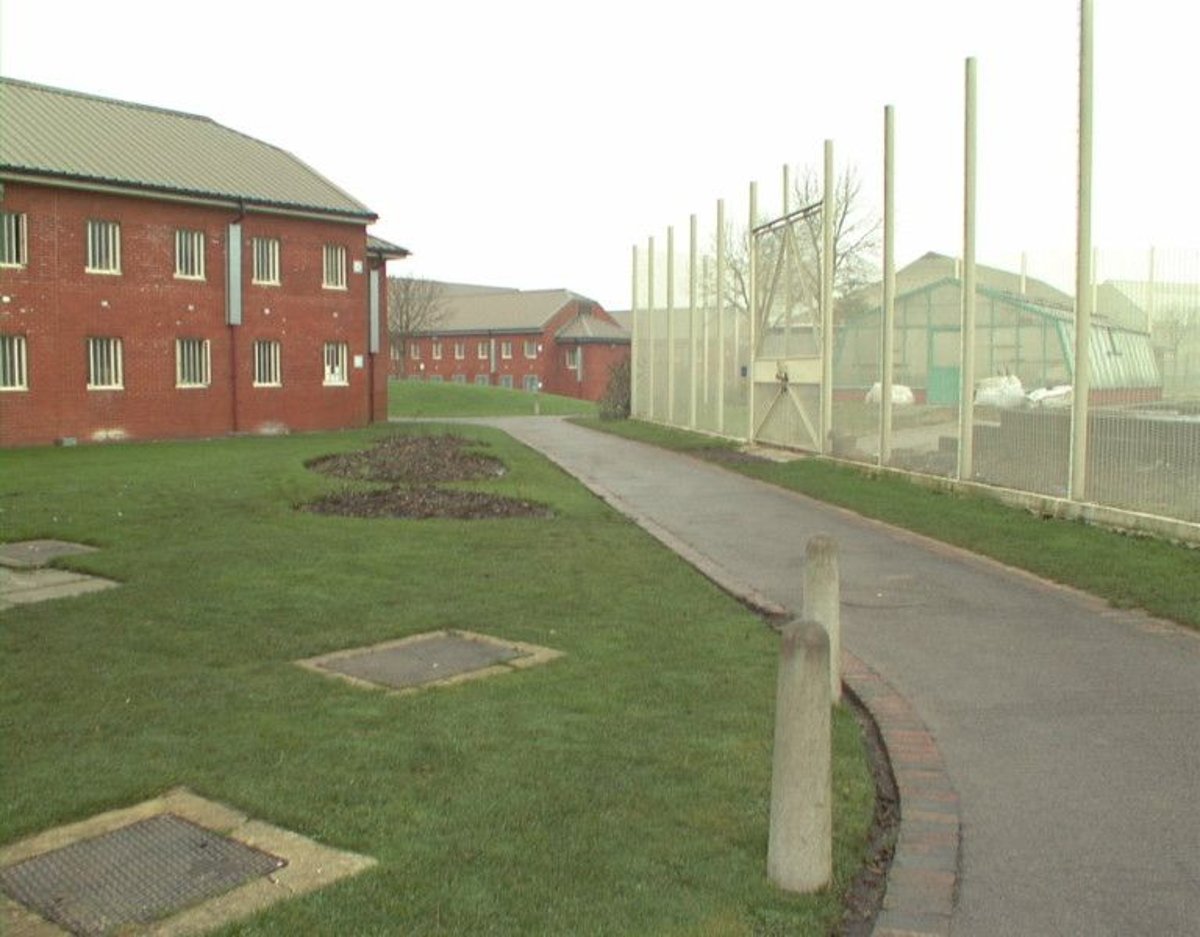
Built on the site of a former WWII RAF station, this "training and resettlement" prison was intended to be a model of rehabilitation, yet, high-stakes escapes, severe drug epidemics, and a 2017 "meltdown" became the reality.
Opened in 1987, The Mount originally served as a Young Offenders Institution before, in 1989, it transitioned to a main prison, housing adult males who are nearing the end of their sentences.
The prison has been plagued by a "perfect storm" of staff shortages and overcrowding with inspectors once describing it as on the brink of closure due to the chaos within.
Several notable inmates here graced the cells at The Mount, including Robert O'Connor, a convicted robber whose name became synonymous with one of the prison's biggest internal scandals.
In 2019, it was revealed that O'Connor had a relationship with prison officer Corinne Redhead with the affair resulting in a child and the imprisonment of Redhead for 25 months.
In 1984, two inmates, orchestrated a violent breakout from the prison’s bricklaying workshop, attacked a civilian instructor, before fleeing the grounds and sparking one of the biggest manhunts in the Hertfordshire countryside.
In 2015, the prison's security was humiliated when a video surfaced of six inmates filming a "drug-fueled party" in a cell while mocking the lack of staff supervision.
In April 2015, the facility’s lack of control was highlighted when an inmate was stabbed with a shard of glass, almost bleeding to death in a common area, that ked to major changes in the prison work environment.
One of the worst incidents in the prisons history occurred on July 31st, when the prison erupted and inmates took control of a wing with the Tornado Squad called in to restore order.
The very next day, trouble flared again on the Nash Wing, where armed prisoners took control and smashed windows and once again forced the Tornado riot squad to restore order.
One interesting fact about The mount, it happens to be the main prison handling the restoration of the UK's road sign network, with a large workshop helping to repair and restore the signs on a national level.
5 - HMP Berwyn
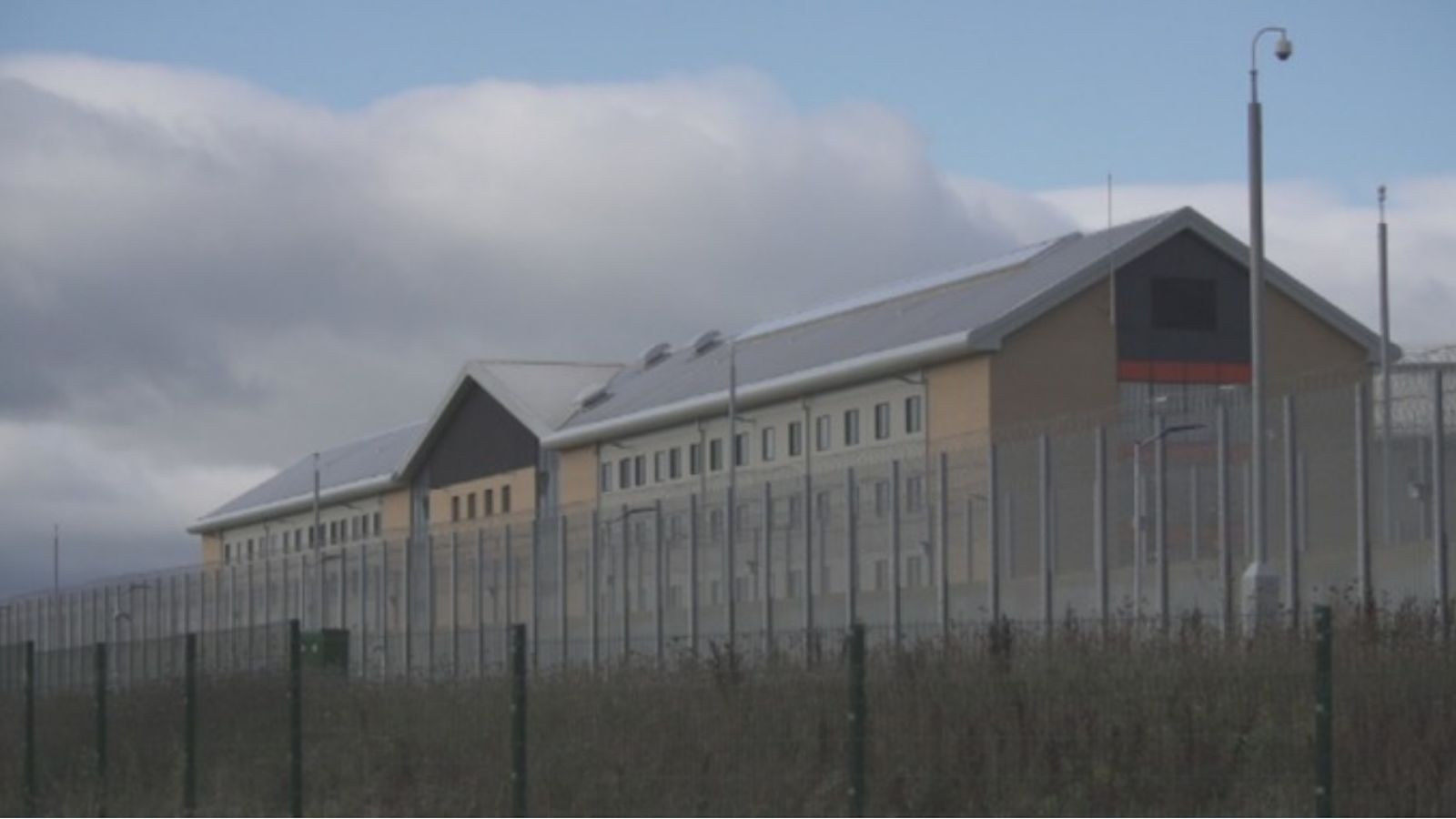
Opened in 2017 at a cost of £250 million, Berwyn lies on the edge of the Wrexham Industrial Estate in North Wales and is both the largest prison in the UK and the second largest in Europe.
Berwyn was designed to break the Victorian mold of British imprisonment, with a capacity of 2,106 inmates and cells featuring en-suite showers, landline phones and laptops used for ordering meals and booking health appointments.
The site includes a massive industrial complex with 12 workshops, an education block, and a "wellbeing" center with the prison divided into wings so big, some are the size of other prisons.
Due to its size, Berwyn houses a vast range of offenders including those coming from Category B remand prisons and Category C resettlement inmates who are about to go back into the community or move to open prisons.
Since its opening, HMP Berwyn has been hit by an unprecedented number of scandals involving female prison officers entering into illegal relationships with inmates, with at least 18 staff members sacked or jailed for misconduct.
Ayshea Gunn, a graduate officer, had a high-profile fling with gang member Khuram Razaq in 2017, and reportedly exchanged more than 1,200 phone calls in a single month.
That same year, Emily Watson was jailed after an illegal relationship with an inmate and even visited him in his cell on Christmas day.
In 2022, Jennifer Gavan was jailed after accepting a £150 bribe to smuggle a mobile phone to inmate Alex Coxon with whom she was having an "inappropriate relationship."
A major controversy arose in 2025 regarding the prison's healthcare, with inmates reportedly waiting weeks for essential mental health medication that led to several serious incidents.
4 - HMP Brixton
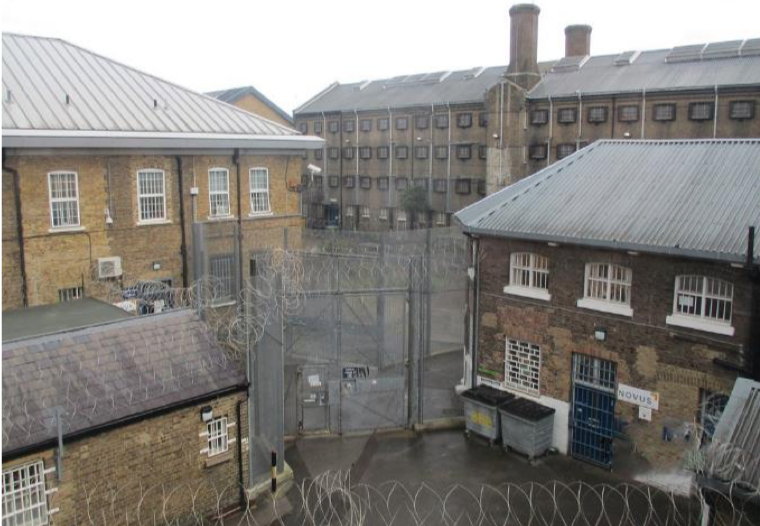
Opened in 1819 as the Surrey House of Correction, Brixton was a pioneer in the "hard labor" movement, gaining international notoriety for installing one of the UK’s first treadmills, a massive revolving staircase that forced prisoners to climb for 10 hours per day.
The device served no purpose other than to "grind the wind" and exhaust the inmates and when it was eventually abolished, the prison kept its reputation as a harsh regime for many years.
Brixton, being a London based prison, has seen many high-profile inmates come and go, with the Kray Twins, Ronnie and Reggie among some of its most famous faces.
In 1967, Rolling Stones frontman Mick Jagger spent time in Brixton following his conviction for drug possession and his imprisonment sparked the famous The Times editorial, "Who breaks a butterfly upon a wheel?"
Nobel Prize-winning philosopher Bertrand Russell was imprisoned here twice, once in 1918 for pacifist activities during WWI, and again in 1989 for his involvement in anti-nuclear protests.*
Lead singer of punk band The Misfits, Glenn Danzig, spent two nights in Brixton after a street fight in 1979, later writing the song "London Dungeon" as a tribute about the experience.
One of the more notable and famous faces to have graced the population at Brixton was the leader of the British Union of Fascists, Oswald Mosley, who was interned here during WWII under Defense Regulation 18B.
Between 1981 and 1995, massive street riots occurred in Britain, with three prisoners escaping while being transported from the prison, which was in a constant threat of spillover.
In 1991, two suspected IRA members, Pearse McAuley and Nessan Quinlivan escaped the prison in one of the most daring escapes in British history, using a firearm smuggled into the jail to hold a guard hostage.
The prison is famous for its "Bad Boys Bakery," setup and run successfully by Gordon Ramsay and and the Clink restaurant, something that became a symbol of progressive rehabilitation for inmates.
3 - HMP Lindholme
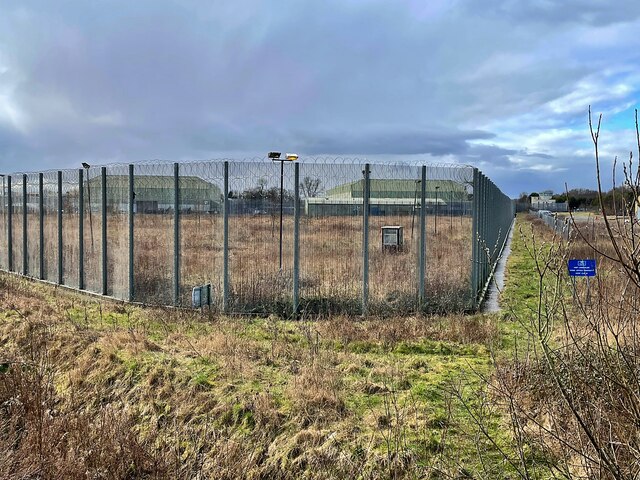
On the flat, windswept marshes of South Yorkshire near Doncaster, HMP Lindholme is built on the site of a former WWII bomber base and still uses many of the original hangars and airfield buildings to house inmates.
This prison is defined by a staggering drug crisis and its reputation is famous as one of the most "challenging" facilities to manage in the North of England.
Opened in 1985, Lindholme's layout is expansive, covering approximately 128 acres, operating as a "mixed" site with its Category D site closed in 2013 following a series of scathing reports that labeled it both shameful and inhumane.
Lindholme rarely houses high-profile prisoners but it frequently appears in the news due to its internal corruption and the high-risk gangs that operate within its massive perimeter.
Lindholme became the center of a major national scandal in 2023, when it was revealed that several healthcare workers and staff were being systematically bribed to smuggle drugs.
In a high-profile case, a mental health nurse was jailed for attempting to bring in nearly £100,000 worth of "Spice" and tobacco in her handbag.
Frequently housing mid-level figures from the Liverpool and Manchester drug firms, Lindholme often serves as a "step-down" facility for high-profile offenders such as murderers who have been downgraded from Category B after years of good behavior.
While its history as an RAF base is fascinating, HMP Lindholme is a "Super-Prison" in size but a "Victorian Failure" in practice with the prison suffering from massive drug smuggling and staff shortages.
2 - HMP Hindley
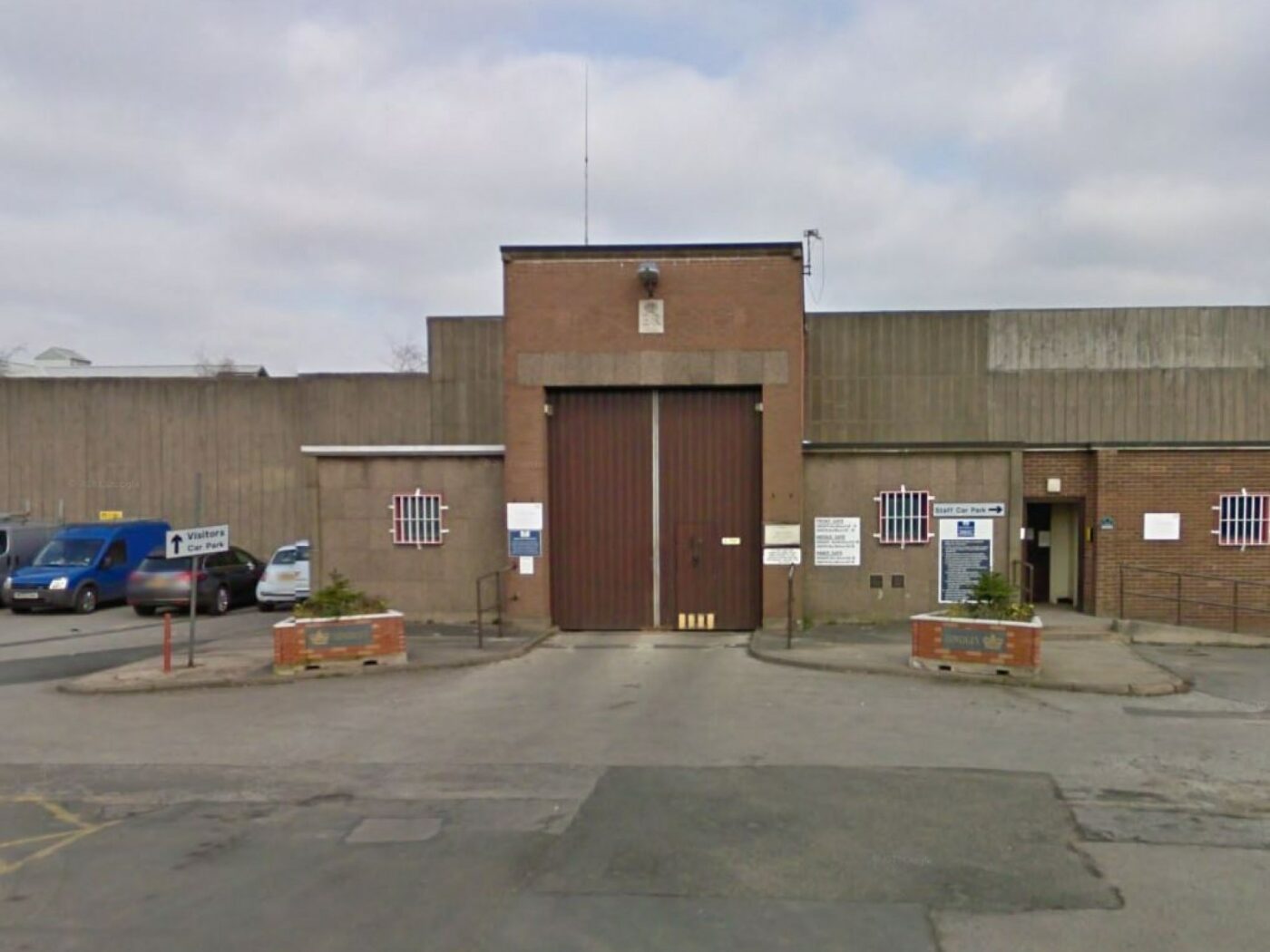
Frequently described in government reports as one of the most challenging youth institutions in the whole of the UK, Hindley was originally a 1960s Borstal that has transitioned through various roles.
Hindley has recently become the focal point of a national conversation about the "tsunami" of drugs and the influence of organized crime within the UK penal system.
Opened in 1961, Hindley was part of a new wave of post-war prison design and its architecture is characterized by long "business corridors" and T-plan blocks that were intended to modernize the Victorian radial style.
Housing men aged 18-21, all prisoners here are sentenced to at least four years with one of the prisons most notorious inmates, Will Cornick serving 20-years here for the murder of his schoolteacher.
Another inmate, Elliot Castro, claimed to have swindled approximately $2.8 million through various financial crimes when he was in his teenage years, served 2 years at Hindley.
In April 2024, a staggering 77% of random drug tests came back positive at the prison, with a "tsunami" of illicit substances, primarily "Spice" and cannabis, the primary driver of violence within the walls.
During a December 2025 security sweep, officers discovered a cache of iPhones hidden within the walls, illustrating how inmates use technology to continue running criminal enterprises from their cells.
A 2024 inspection described "cramped" borstal-style rooms where men were living in overcrowded conditions with poor ventilation and failing infrastructure.
1 - HMP Dartmoor
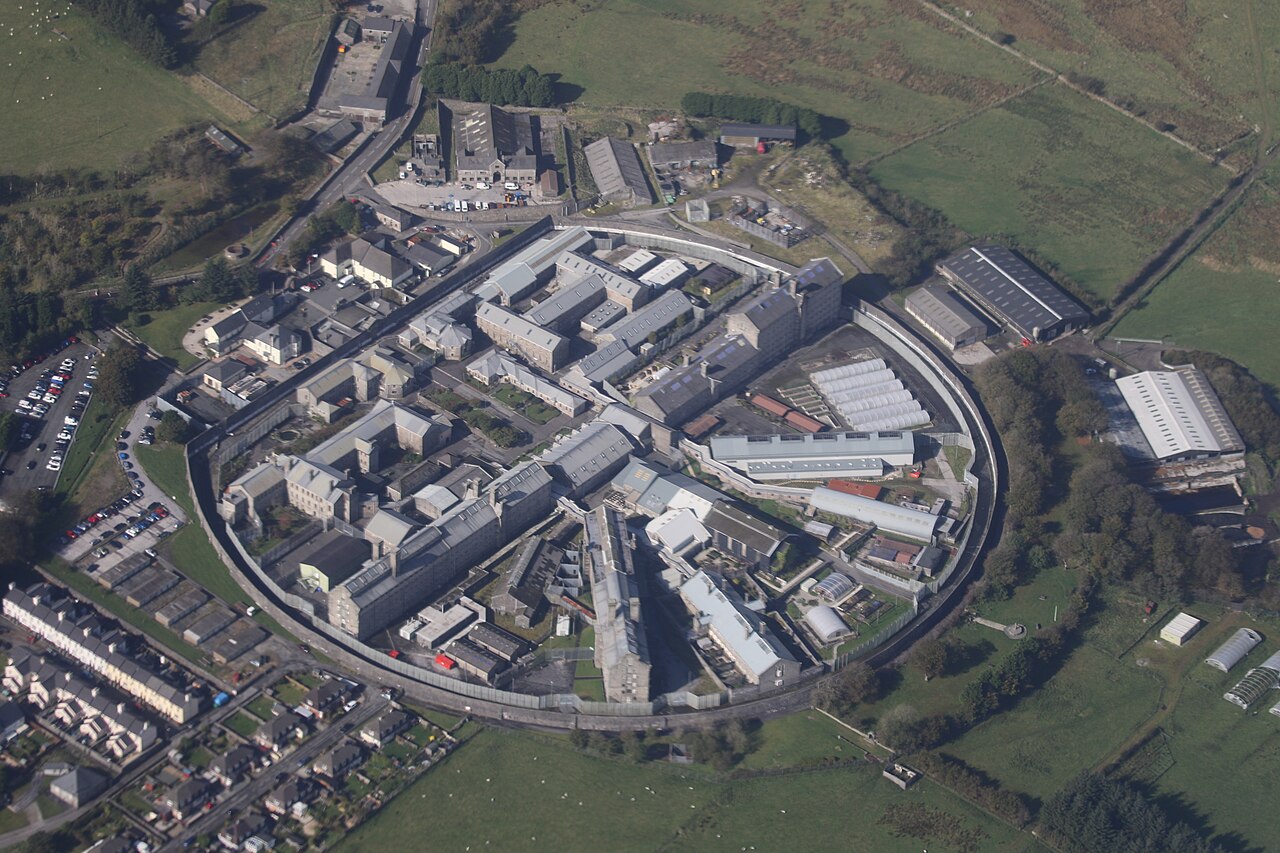
High on the mist-shrouded plateaus of Devon, HMP Dartmoor is perhaps the most iconic and notorious Category C Prison in the British Isles, talked about by those who spent time inside its walls.
Its imposing granite walls, built by Napoleonic prisoners of war, have housed some of the most famous figures in criminal history, yet today, the prison stands closed due to a much more dangerous threat.
Opened in 1809, Dartmoor was originally a PoW prison, designed to hold thousands of French sailors captured during the Napoleonic Wars and, later, Americans from the War of 1812.
The conditions were legendary for their brutality with the "Dartmoor Massacre" of 1815 seeing guards open fire upon American prisoners during a period of tension, killing nine.
In 1850, it was converted into a convict prison with the location chosen specifically for its natural security on top of 20-foot granite walls and surrounded by miles of treacherous "quaking bogs" that could swallow a man whole.
Because of its "escape-proof" reputation, Dartmoor was the destination for the UK's most unpredictable offenders, with Frank "The Mad Axeman" Mitchell one of the only prisoners to actually break free.
Despite being a high-security risk, Mitchell was part of an "honour party" working on the moors but was also an associate of the Kray Twins, who helped spring him from prison in one of the most famous escapes in UK history.
The Krays orchestrated his pickup in a getaway car with Mitchell never seen again, though to have been murdered by the twins after he became too difficult to control.
One of the Great Train Robbers, Ronnie Biggs, was held at Dartmoor before his more famous flight to Brazil after escaping from Wandsworth Prison in 1965.
Acid Bath murderer John George Haigh was also held at this prison for fraud before his final, murderous spree saw him dissolve his victims in sulphuric acid.
Finally, the future President of Ireland, Éamon de Valera, was held at Dartmoor as a political prisoner following the 1916 Easter Rising.
Historically, Dartmoor was the site of one of the UK’s most violent prison riots, when, in 1932, inmates took control of the facility, burning the administration block and the canteen, protesting poor food and the "silent system" of discipline.
Security was a huge part of this prison and the walls are made of local granite, several feet thick, which is nearly impossible to tunnel through.
Dartmoor’s greatest security feature is the National Park itself and it is located in Princetown, the highest town in the region, where weather conditions can turn lethal in minutes and there are miles of bogs and sharp drops.
Unfortunately, the very granite that makes the prison so secure is also its undoing, with Granite naturally emitting radon gas, a toxic and highly radioactive substance that is harmful to human health.
In August 2024, the prison was fully evacuated after "abnormal and unsafe" levels of the radioactive gas were detected, and, along with its 200-year old failing infrastructure, damp-ridden cells, and a significant lack of staff, the prison was closed.
HMP Dartmoor is a relic of a bygone era, and with the staggering cost of repairs mounting, many believe that the "Alcatraz of the Moors" may never reopen as a prison again.
Thanks for watching, we have two more videos here for you to check out, on the right are the top 10 most dangerous category B prisons in the UK and on the left are the lesser known most dangerous prisons, also in the UK, we will see you in the next video.
About the Creator
Vidello Productions
My name is William Jackson, a YouTube content creator and crypto enthusiast with over 167,000 subscribers and I make videos that are focused on the billionaire lifestyle and crime.
I make top list videos in true crime and lifestyles.
Enjoyed the story? Support the Creator.
Subscribe for free to receive all their stories in your feed.
Comments
There are no comments for this story
Be the first to respond and start the conversation.