
The Tylenol Murders: The Poison That Turned America Paranoid
Seven People Took a Headache Pill… and Never Woke Up Again

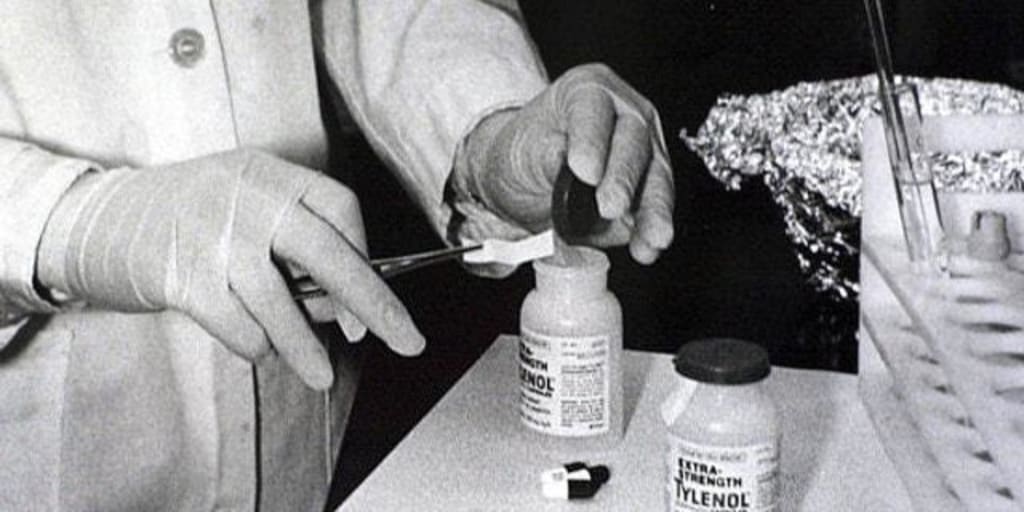
On the morning of September 29, 1982, 12-year-old Mary Kellerman woke up in her suburban Chicago home with what seemed like a harmless cold.
Her parents gave her an Extra-Strength Tylenol capsule.
Within hours, she was dead.
Nobody knew that somewhere in the city, bottles of one of America’s most trusted painkillers had been transformed into silent murder weapons. No warning. No smell. No visible tampering.
Just cyanide.
And over the next few days, ordinary people would collapse without explanation—on kitchen floors, in pharmacies, beside telephones, and in their own bedrooms—while an entire nation watched terror spread through grocery stores and medicine cabinets alike.
The case would become known as the Chicago Tylenol Murders.
And decades later, the killer has never officially been caught.
The First Death
Mary Kellerman lived in Elk Grove Village, Illinois—a quiet suburban neighborhood where violent crime felt impossibly distant.
That morning, she complained of a sore throat and runny nose. Her parents did what millions of Americans did every day: they reached for Tylenol.
At the time, Tylenol was everywhere. Manufactured by Johnson & Johnson through its brand Tylenol, it dominated medicine cabinets across the country. It was trusted, familiar, almost comforting.
Mary swallowed the capsule.
Shortly afterward, she collapsed in the bathroom.
She was rushed to the hospital, but doctors could do nothing. Her body had already begun shutting down.
Nobody suspected murder yet.
Then another person died.
And another.
And another.
A City Begins to Panic
Just hours after Mary’s death, 27-year-old postal worker Adam Janus took Tylenol for chest pain in Arlington Heights.
He suddenly collapsed and died.
His devastated family gathered in mourning at the Janus home. During the visit, Adam’s brother Stanley and Stanley’s wife Theresa both took capsules from the same Tylenol bottle.
Within minutes, both were dead too.
Three bodies in one home.
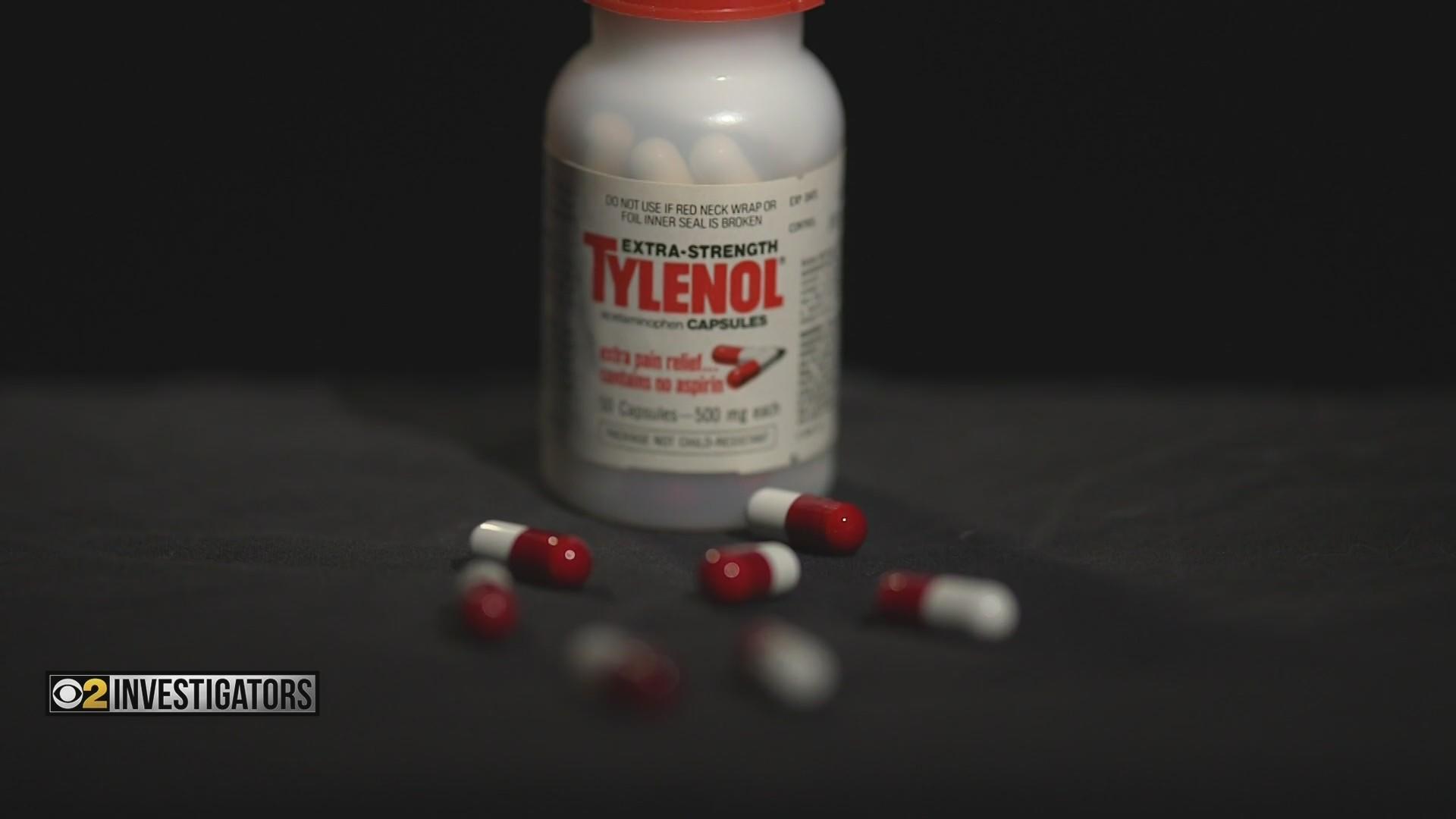
Investigators began noticing a horrifying pattern: every victim had consumed Extra-Strength Tylenol shortly before dying.
The capsules were rushed to laboratories.
The results stunned authorities.
Each capsule contained potassium cyanide.
Not traces of it.
Lethal amounts.
The poison worked fast. Victims often died before reaching hospitals, their organs starved of oxygen while their bodies essentially suffocated from the inside. Some collapsed instantly. Others convulsed or gasped for air.
The terror came from how random it all felt.
There was no profile. No target group. No warning.
Children. Workers. Parents. Strangers.
Anyone could die.
The Weapon Was Sitting in America’s Homes
Within days, at least seven people were confirmed dead across the Chicago area.
The victims included:
• Mary Kellerman, 12
• Adam Janus, 27
• Stanley Janus, 25
• Theresa Janus, 19
• Mary Reiner, 27
• Mary McFarland, 31
• Paula Prince, 35
Paula Prince’s death became one of the most haunting images connected to the case.
The young flight attendant was found collapsed in her apartment beside grocery bags from a nearby drugstore. Near her body sat a bottle of Tylenol and a glass of water.
Investigators later discovered she had likely taken only one poisoned capsule before dying alone on the floor.
The image horrified America because it felt intimate.
A normal evening.
A headache.
A pill.
Death.
Cyanide, Fear, and Psychological Horror
The real horror of the Tylenol Murders was psychological.
The killer had weaponized trust itself.
Before 1982, Americans rarely questioned over-the-counter medication. Medicine bottles were simple containers with easy-open caps. Tamper-resistant seals barely existed.
The murderer exploited that innocence perfectly.
Authorities eventually concluded the killer likely purchased Tylenol bottles from stores, opened them, replaced capsules with cyanide-filled ones, then quietly returned the bottles to shelves.
No fingerprints.
No witnesses.
Just poisoned products waiting for strangers.
Suddenly, ordinary routines became terrifying.
Parents inspected medicine bottles with shaking hands.
People dumped pills into garbage disposals.
Hospitals were flooded with panic calls from citizens convinced they had been poisoned.
News broadcasts warned Americans not to consume Tylenol under any circumstances.
Store shelves emptied overnight.
Fear spread faster than the investigation.
And somewhere, the killer was likely watching it happen.
The Massive Recall That Changed America Forever
In response, Johnson & Johnson launched one of the largest product recalls in American history.
More than 31 million bottles of Tylenol were pulled from shelves nationwide.
The financial loss exceeded $100 million at the time.
But the company’s reaction became legendary in crisis-management history. Executives halted production, issued public warnings, and cooperated heavily with investigators.
The murders permanently changed consumer safety laws in the United States.
Modern tamper-proof packaging—the foil seals, plastic neck bands, and safety caps people casually peel open today—exists largely because of the Tylenol killings.
America learned a brutal lesson:
Sometimes danger does not come from dark alleys or masked intruders.
Sometimes it waits inside your own bathroom cabinet.
The Main Suspect
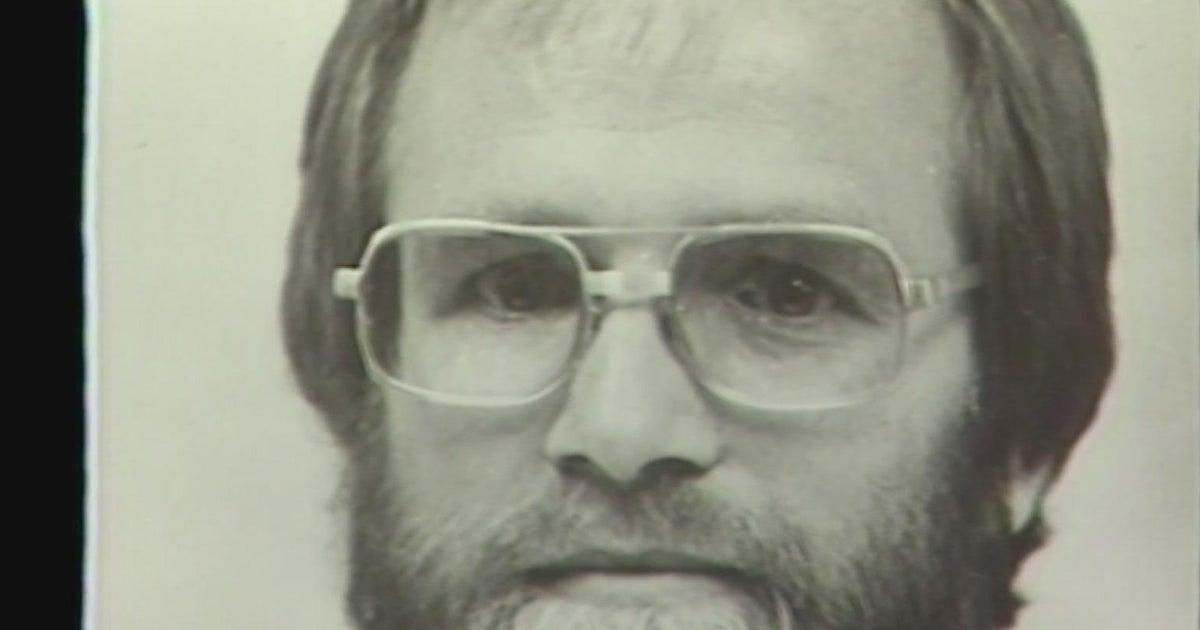
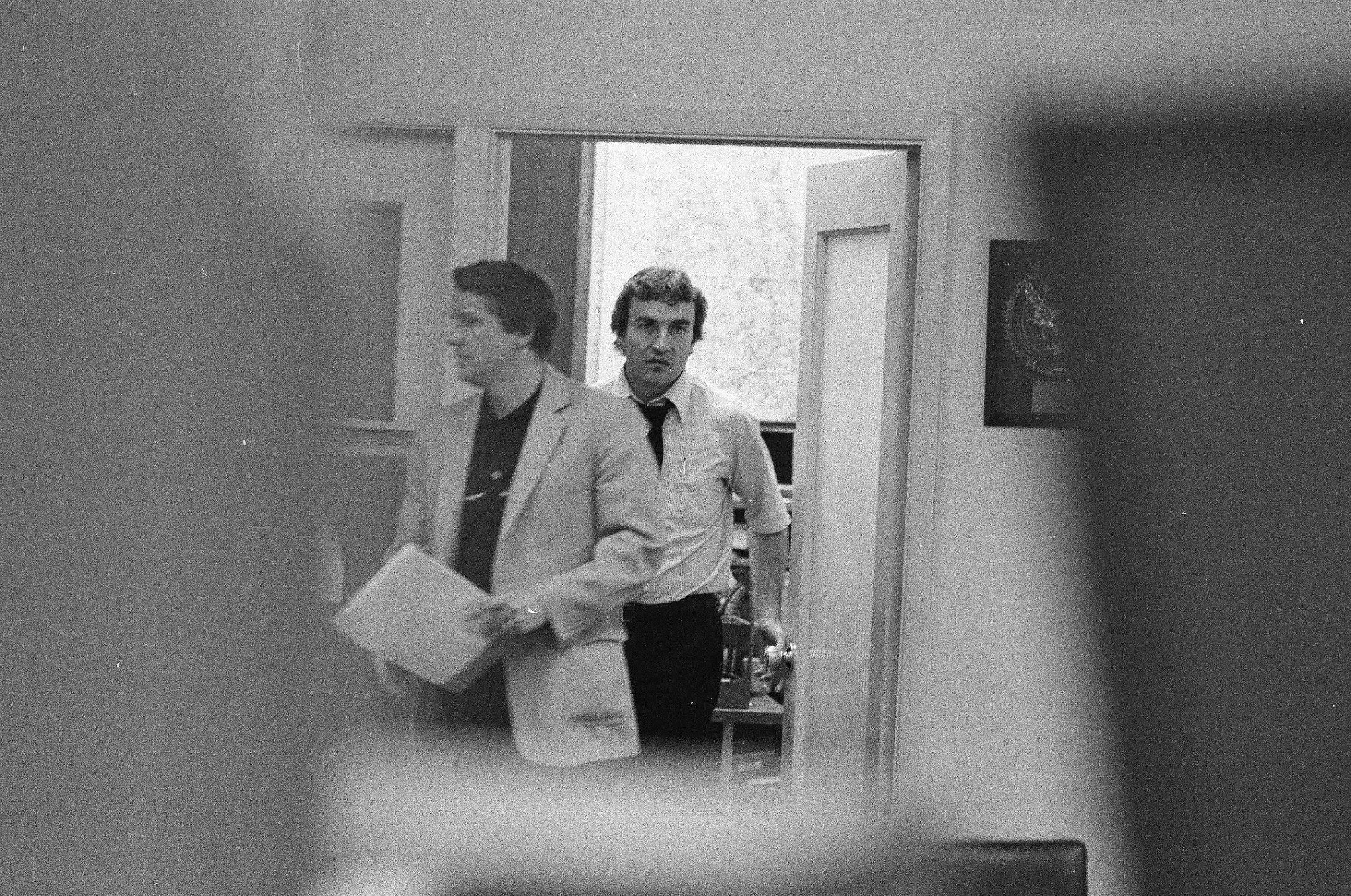
The most infamous suspect was James William Lewis.
Shortly after the deaths, a letter demanding $1 million to stop the poisonings was mailed to Johnson & Johnson.
Authorities traced the extortion attempt back to Lewis.
He had a disturbing history involving fraud, deception, and suspicious behavior. Years earlier, he had even been accused in a bizarre case involving the dismemberment of a man, though he avoided conviction for murder.
Investigators searched his home extensively.
But despite public suspicion, they never found enough evidence to charge him with the actual poisonings.
Lewis was convicted of extortion and served prison time, yet he always denied being the killer.
To this day, debate continues over whether he was the murderer—or simply a manipulative opportunist exploiting national fear.
A Killer Without a Face
More than four decades later, the Tylenol Murders remain officially unsolved.
That fact makes the story even more disturbing.
No dramatic confession.
No courtroom climax.
No definitive answer.
Just seven graves and a permanent scar on American culture.
The killer vanished into history like a ghost.
And perhaps that uncertainty is why the case still terrifies people today.
Because unlike many serial crimes driven by obsession, rage, or personal revenge, the Tylenol Murders felt cold and mechanical.
The victims were random.
The method was invisible.
The motive remains unclear.
It was violence stripped of humanity.
Why the Case Still Horrifies People Today
The Chicago Tylenol Murders changed how society thinks about safety forever.
Before 1982, trust was automatic.
Afterward, Americans learned to check seals, inspect packaging, and fear contamination.
The murders transformed ordinary consumer behavior through terror alone.
And that may be the killer’s most lasting legacy.
Not just the deaths.
But the paranoia.
Even now, decades later, many people still instinctively inspect medicine bottles before opening them—without realizing why.
Because somewhere deep in American memory lingers the nightmare of 1982:
A faceless killer standing in a store aisle…
quietly placing death back onto a shelf.
About the Creator
E. hasan
An aspiring engineer who once wanted to be a writer .
Enjoyed the story? Support the Creator.
Subscribe for free to receive all their stories in your feed.
Comments
There are no comments for this story
Be the first to respond and start the conversation.