
The Tamám Shud Mystery: The Man Who Died With a Secret No One Could Decode
He Died Alone On A Beach — But His Secret Refused To Die

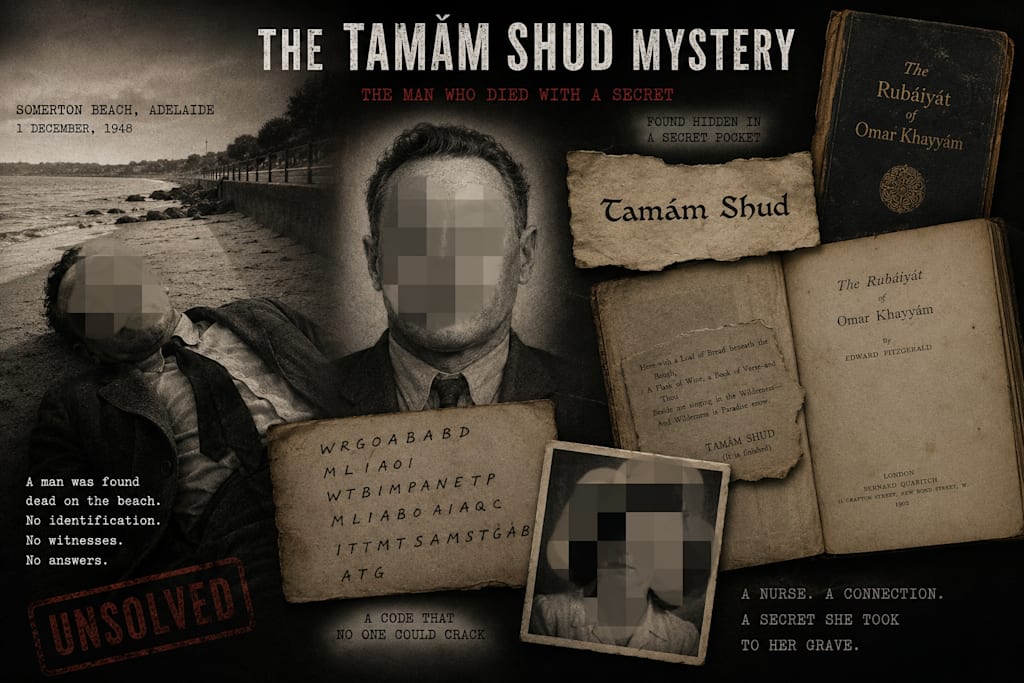
On the morning of December 1, 1948, a dead man was found lying against a seawall on an Australian beach. No identification. No wallet. No explanation. And sewn into the tiny hidden pocket of his pants was a scrap of paper carrying two words that would haunt investigators for decades:
“Tamám Shud." Meaning: “It is finished.” More than seventy years later, the case remains one of the most disturbing unsolved mysteries in modern history. Not because of gore. Not because of blood. But because of the unbearable feeling that someone died carrying a secret so dangerous—or so tragic—that the world was never meant to understand it.
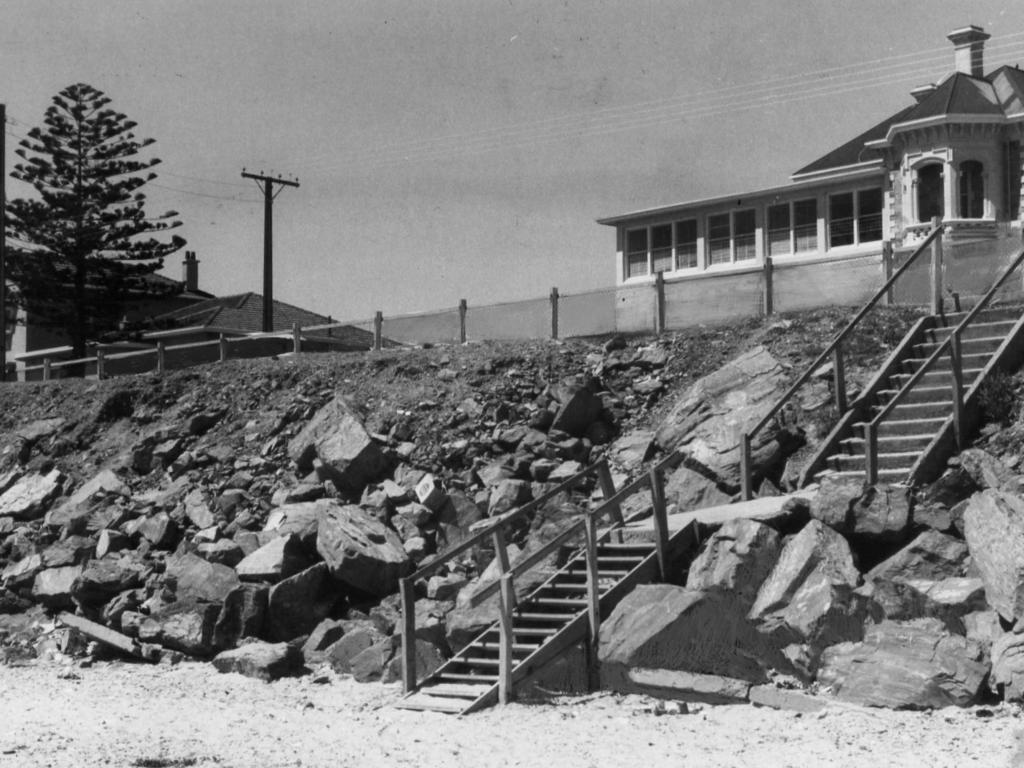
The Body on Somerton Beach The beach was quiet that dawn in Adelaide. A man dressed in a neat suit lay propped against the seawall of Somerton Beach, as though he had simply fallen asleep after a long evening walk. Witnesses later reported seeing him the night before. One couple noticed the man raising an arm weakly before letting it collapse back to the ground. Another person assumed he was drunk. Nobody approached him. Nobody realized they were watching a dying man. By sunrise, he was dead. Police arrived expecting a simple overdose or natural death. Instead, they uncovered a nightmare of missing identity, cryptic codes, and impossible coincidences. The labels had been carefully removed from nearly every piece of the man’s clothing. There was no identification on the body. No hat despite the warm evening. No signs of struggle. No obvious cause of death. Even stranger, the man appeared physically healthy. Yet the autopsy revealed severe internal congestion and enlarged organs consistent with poisoning. But toxicologists found nothing. No detectable poison. No definitive explanation. It was as though the killer—or the victim himself—had erased every trace of truth.
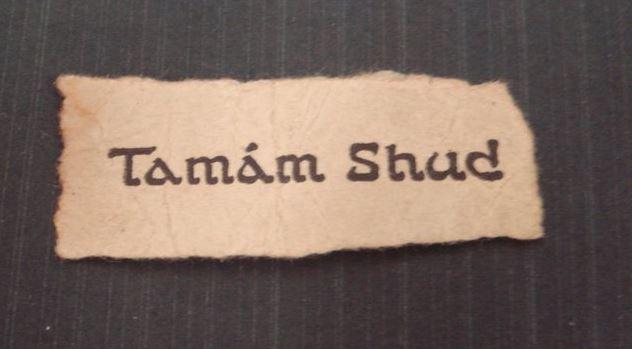
The Hidden Pocket Weeks later, investigators made a horrifying discovery. Inside the dead man’s trousers was a tiny concealed pocket that seemed professionally stitched into the fabric. Hidden inside was a tightly rolled scrap of paper. On it were printed the words: “Tamám Shud.” The phrase came from the final page of the ancient Persian poetry collection known as the Rubaiyat of Omar Khayyam. Translated loosely, it means: “Ended.” “Finished.” “Complete.” The words sounded like a suicide note from another world. But the mystery became even darker when police publicly announced the discovery. A local man came forward claiming he had found a copy of the Rubaiyat mysteriously tossed into his unlocked car around the same time the unidentified man died. The final page had been torn out. Exactly where the words “Tamám Shud” would have appeared. Inside the book, investigators found something chilling: A cryptic code made up of random letters. And a phone number.
The Woman Who Knew More Than She Said The phone number led police to a nurse living only minutes from the beach. Her name was Jessica Thomson, though she was initially referred to publicly only as “Jestyn.” When detectives showed her a plaster death mask of the unidentified man, witnesses claimed she nearly collapsed. For a moment, she appeared terrified. Then she denied knowing him. But police never fully believed her. Neighbors later claimed the mysterious man may have been seen near her house before his death. Rumors spread rapidly. Was he a former lover? A blackmailer? A spy? Or someone sent to kill her? The timing intensified suspicion. This was 1948. The Cold War had begun. Fear of Soviet espionage was spreading across the world. And suddenly a well-dressed unidentified man with coded messages and no fingerprints in any database had appeared dead near a military city. It sounded less like reality and more like a nightmare written by a paranoid intelligence officer.
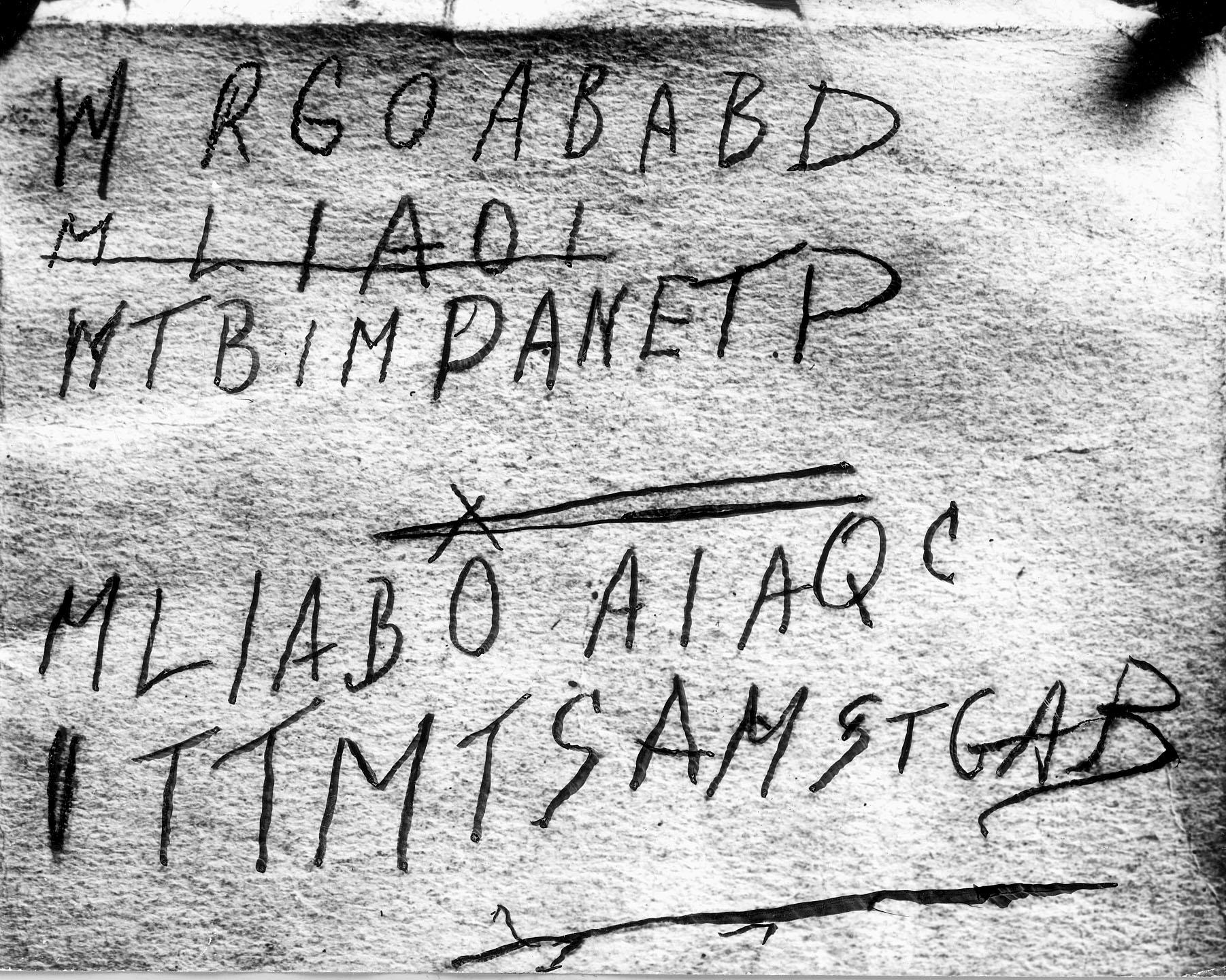
The Code Nobody Could Crack The strange code found inside the Rubaiyat became one of the most infamous unsolved ciphers in history. The letters appeared meaningless: > WRGOABABD > MLIAOI > WTBIMPANETP > … Cryptographers studied it for decades. Military intelligence examined it. Amateur codebreakers obsessed over it. Nobody definitively solved it. Some believed it was an espionage cipher. Others thought it was meaningless gibberish written by a mentally disturbed man. A few theorized it was a coded love message. But the terrifying truth is that nobody knows. Imagine dying with a secret buried so deeply that generations of experts fail to uncover it. That possibility transformed the Tamám Shud case from a murder mystery into something psychologically haunting. Because humans can tolerate violence. What we struggle to tolerate is uncertainty.
The Face Nobody Recognized Police distributed photographs of the dead man worldwide. No confirmed identification came. Not from family. Not from friends. Not from employers. Nothing. This was one of the most publicized mysteries in Australian history, yet nobody could say who he was. Investigators noted several peculiar features: • Exceptionally developed calf muscles suggesting ballet, climbing, or long-distance walking • Hands without signs of heavy labor • Expensive clothing • Dental work uncommon for average citizens at the time Everything about him suggested education, sophistication, and travel. Yet officially, he did not exist. The idea is deeply disturbing. A man can live an entire life, speak to people, laugh, eat, dream—and still vanish so completely that even death cannot restore his name.
The Spy Theory For decades, the dominant theory centered around espionage. During the late 1940s, Australia became increasingly important in military weapons testing and intelligence operations. Woomera Test Range, a highly secretive rocket-testing facility, was relatively nearby. Supporters of the spy theory point to several unsettling details: • Removed clothing labels • The hidden pocket • The coded message • Possible poison undetectable at the time • The suspicious behavior of Jessica Thomson • The complete lack of identification Some researchers even speculated the dead man was poisoned using a rare substance designed to disappear from the body before autopsy. If true, it would mean the Somerton Man did not simply die. He was professionally erased.
Modern DNA Revelations In recent years, advancements in forensic science reopened the case. Researchers exhumed the Somerton Man’s body and conducted DNA analysis hoping to finally identify him. In 2022, investigators announced a likely identification: Carl Webb, an electrical engineer born in Melbourne. But even this revelation did not fully solve the mystery. How did he die? Why were his labels removed? What was the code? What role did Jessica Thomson play? And why was the phrase “Tamám Shud” hidden on his body like the final sentence of a doomed story? Those answers remain buried somewhere between fact and myth.
Why The Tamám Shud Case Still Terrifies People Most true crime stories end with a face. A confession. A motive. A monster. But the Tamám Shud mystery offers none of those comforts. Instead, it leaves behind only fragments: A dead stranger. A torn page. A hidden pocket. A woman who looked afraid. And a code that refuses to speak. That silence is what makes the story endure. Because somewhere beneath the cold waves of Somerton Beach lies the possibility that the truth was never meant to survive. And perhaps the most horrifying part of all… …is that the man known as the Somerton Man may have taken the entire story with him into the grave.
Author's Note:
Various news sources were used to compile this article, did you like it?
How about you read my other works as well?
About the Creator
E. hasan
An aspiring engineer who once wanted to be a writer .
Enjoyed the story? Support the Creator.
Subscribe for free to receive all their stories in your feed.
Comments
There are no comments for this story
Be the first to respond and start the conversation.