
The Night My Brother Called Me From Jail
was watching a rerun of some cooking competition I'd already seen twice when my phone lit up with a number I didn't recognize. It was 11:18 on a Thursday. I almost didn't pick up.
M Mehran
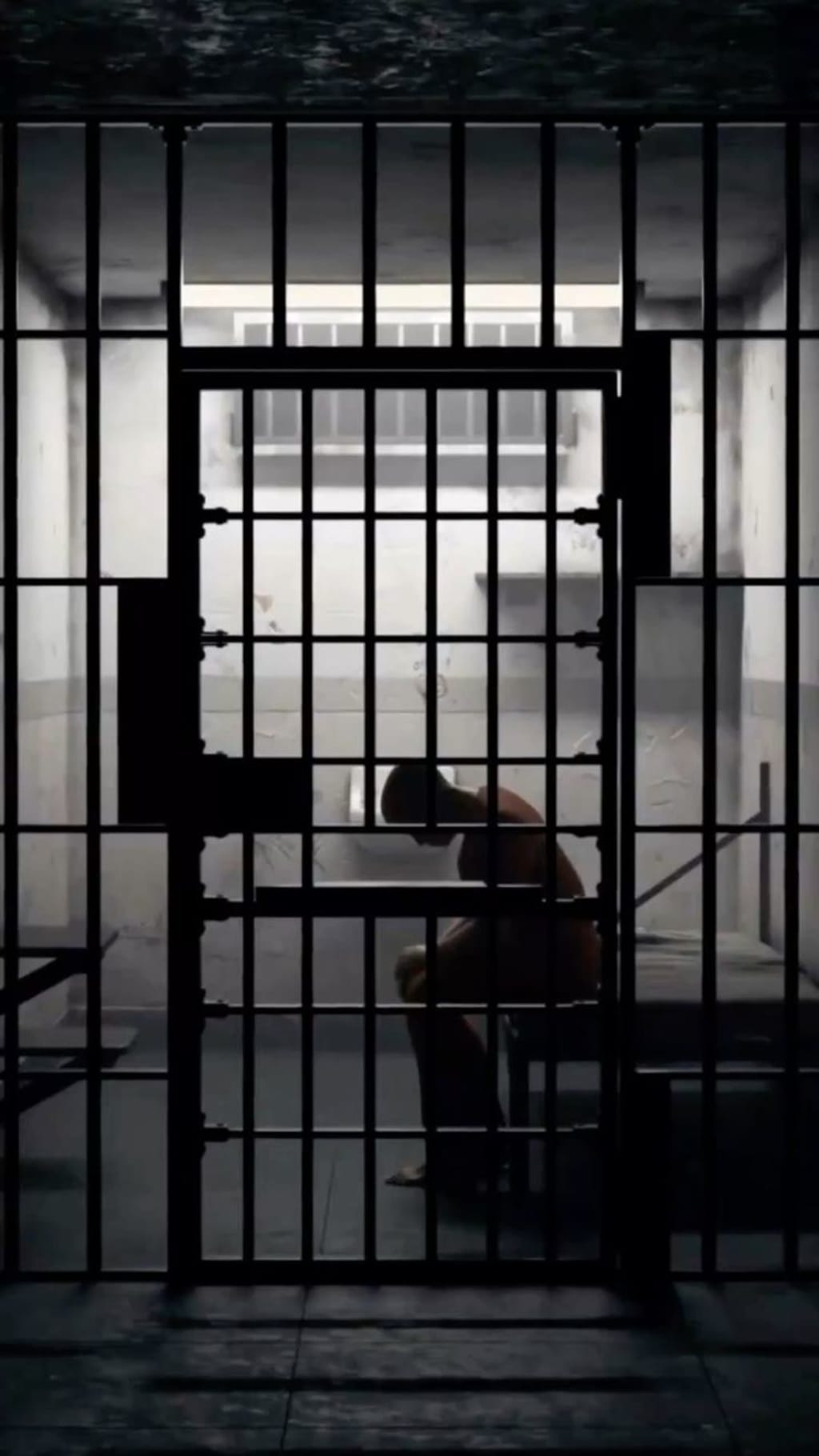
I was watching a rerun of some cooking competition I'd already seen twice when my phone lit up with a number I didn't recognize. It was 11:18 on a Thursday. I almost didn't pick up. "It's Marcus." I sat up so fast I knocked my water glass off the armrest. My brother Marcus had been out of my life for almost four years by then. Not because I wanted it that way — I want to say that clearly — but because loving someone who is addicted to something is its own kind of slow emergency, and I had finally, after years of trying, run out of ways to help him that didn't destroy me in the process. My therapist called it "setting a boundary." I called it the worst thing I'd ever done. "Where are you?" I said. "Detention center. Off Route 12." A pause. "I need you to come." I won't tell you I didn't hesitate. I did. I sat on my couch for probably three full minutes just holding the phone after he hung up, staring at the paused cooking show, some chef's face frozen mid-expression. I thought about every time before. The bail money in 2018. The time I drove four hours to pick him up from a gas station in the middle of nowhere because he'd called me crying and I couldn't not go. The time he stole my grandmother's ring — and I still, even now, have trouble writing that sentence. I thought about all of it. Then I got my keys. The detention center on Route 12 is a low concrete building that looks from the outside like it could be anything — a warehouse, a municipal records office. There's a parking lot with bad lighting and a small waiting area inside with plastic chairs in a color I can only describe as "institutional beige." I'd been there before, two years earlier, different circumstances. The woman at the front desk looked at me the way people look at you in those places — not unkind, just practiced. She had seen a thousand people walk in looking exactly like I looked. Marcus came out looking smaller than I remembered. He'd lost weight, not in a healthy way. There was a cut above his eyebrow that had been cleaned up but not stitched. He was wearing a gray t-shirt that wasn't his and he smelled like the inside of a car that had been closed up too long. We didn't hug. We've never been huggers, me and Marcus. We just looked at each other for a second in the fluorescent light and then I said, "You hungry?" and he said, "Yeah," and we walked out. He told me everything at a diner off the highway at about 1 in the morning. Decaf for me, regular for him even at that hour, which told me a lot about what his nights had been like lately. He'd been picked up with two other men in a car that, it turned out, contained things Marcus swore he hadn't known were there. I believe him. I also know that's exactly what someone would say whether it was true or not, and I've learned, painfully, that those two things can coexist. I believed him and I couldn't fully trust my belief. One of the men in the car, a guy named Terrell, Marcus had met six weeks earlier. The other one he barely knew. He described the night in fragments — a phone call, a favor, a ride that was supposed to take twenty minutes. These are always the words that show up in these stories. A favor. It was supposed to be quick. He kept turning his coffee cup around in his hands while he talked. What happened next took about seven months to resolve. I won't drag you through all of it because honestly some of it I still don't fully understand — the legal part, I mean. I am not someone who knows how plea agreements work or what "adjudication withheld" means in practical terms. I had to look things up constantly. I sat in a courtroom twice and both times felt like I was watching something happen in a language I almost spoke but not quite. What I can tell you is that Marcus was not the worst person in that car, and the law, to its occasional credit, seemed to understand that. He got probation. Mandatory treatment program. Community service hours that he complained about exactly once and then never again. He's been clean for fourteen months now. I know that because he tells me, and I know that because I can see it — in his face, in the way he shows up when he says he will, in small things that are hard to name but easy to feel when you've known someone their whole life. Last month he fixed my kitchen faucet that had been dripping for a year. He just showed up on a Saturday with tools and fixed it without making it a thing. I made lunch. We watched part of a game. Before he left he said, "I'm sorry. For all of it." I said, "I know." We're not all the way back to wherever we were before. I don't know if that place still exists. But we're somewhere, and somewhere is not nowhere, and some days that feels like enough. I'm still not sure I did the right thing, going that night. I'm not sure the right thing was even available to me. Some situations don't offer you a clean choice — just a set of imperfect options and a phone lighting up at 11:18, and whatever you decide to do next. I picked up the phone. That part, at least, I don't regret.
About the Creator
Enjoyed the story? Support the Creator.
Subscribe for free to receive all their stories in your feed.
Comments
There are no comments for this story
Be the first to respond and start the conversation.