
The Last Confession of Room 214
The motel smelled like bleach and bad decisions
M Mehran
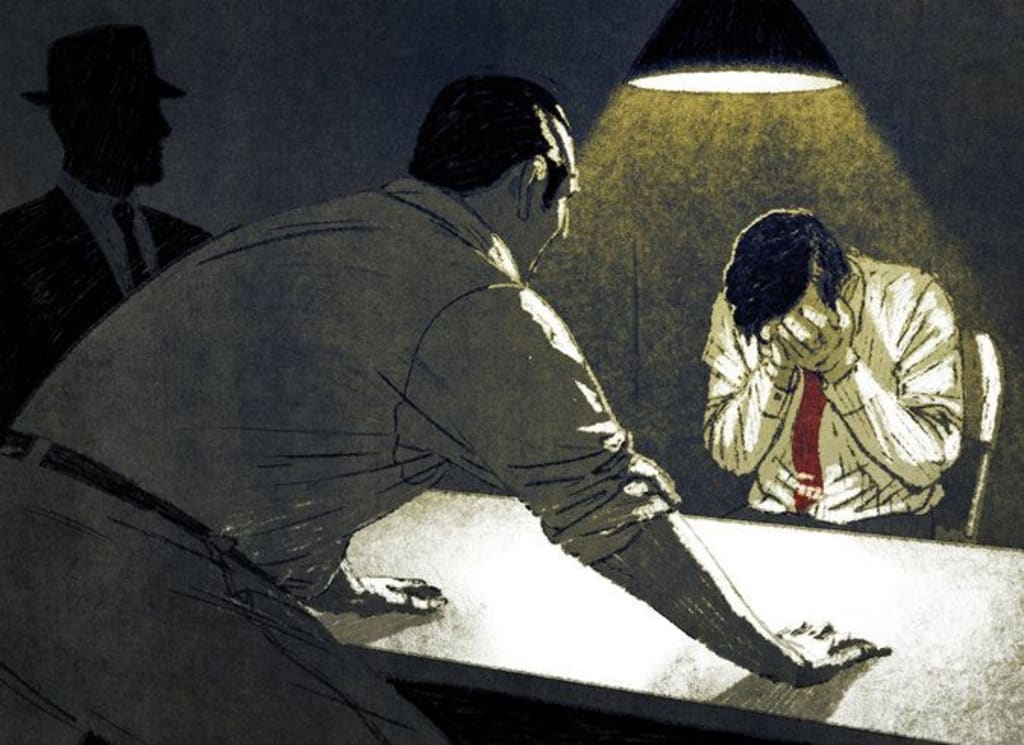
The motel smelled like bleach and bad decisions. Detective Marlowe Reyes had worked homicide for eleven years, and she could read a crime scene the way most people read a book — cover to cover, every detail whispering its secret. But Room 214 at the Sunset Pines Motel wasn't whispering. It was screaming. The call had come in at 3:47 a.m. A housekeeper named Gloria, sixty-two years old, who'd seen things in thirty years of motel work that would make most people quit on the spot, had stood in that doorway and simply said, "Someone didn't make it out." No hysteria. No tears. Just the flat, hollow voice of someone who understood that the world could turn brutal without warning. Marlowe crouched beside the overturned nightstand. A glass of water — untouched. A Bible — open to Psalms. And a single white envelope, unsealed, addressed to no one. Inside was a confession. His name was Daniel Crewe. Forty-four years old. Former high school teacher, former husband, former man who believed the law was something that protected good people from bad ones. The confession was six pages, handwritten in blue ink that grew shakier with every paragraph. Daniel hadn't committed murder. He had witnessed one — twenty-two years ago — and he had stayed silent. That silence, he wrote, had cost him everything. His marriage. His sleep. His sense of who he was. "I watched Raymond Holt walk out of that alley," he wrote. "And I told myself it wasn't my business. I told myself I could live with it. I couldn't." Raymond Holt. Marlowe's blood went cold. Raymond Holt was currently sitting in a state senate seat, three terms deep, beloved by his constituents, known for his tough-on-crime platform. The irony was almost poetic — and almost made Marlowe sick. The victim in that 1983 alley was a nineteen-year-old named Carla Voss. Her murder had gone unsolved for two decades. Her family had stopped expecting answers. Her mother — Marlowe knew this from the case file she'd quietly pulled the next morning — had died in 2019, still waiting. Daniel Crewe had been twenty-two years old when he saw Raymond Holt in that alley. A young man making a terrible calculation: what will speaking up cost me versus what will silence cost me? He'd chosen wrong. He'd spent the rest of his life paying for it. Now Daniel Crewe was dead. The medical examiner would call it a heart attack — natural causes, textbook clean. But the confession told a different story. In the final paragraph, Daniel wrote that he had called Raymond Holt's office three weeks before his death. That he had told the senator's aide he had information about an old case. That two days later, a man had shown up at his apartment, not threatening him — not in any way you could prove — but reminding him how quickly life could change. "I'm not brave enough to go to the police," Daniel had written. "But I'm not able to stay silent anymore either. So I'm writing this down. Maybe someone finds it. Maybe no one does. Either way, I'll have finally said the truth out loud." Marlowe sat with that letter for a long time. She was a detective. Her job was evidence, chain of custody, prosecutable facts. A handwritten letter from a dead man found in a budget motel was not a conviction. Raymond Holt's lawyers would shred it in twenty minutes. The senator had money, connections, and twenty-two years of carefully constructed credibility. But Marlowe also had something Daniel Crewe never had: she wasn't afraid. She started pulling threads. The 1983 case file. Security footage from the motel's parking lot — grainy, but present. Phone records from Daniel's last three weeks. The name of the aide who'd taken that call. Criminal cases don't break open in dramatic moments, despite what television wants you to believe. They crack slowly, like ice under weight — a small fracture here, a hairline split there, until one morning you push and the whole thing gives way. Three months later, Raymond Holt's aide agreed to testify in exchange for immunity. He hadn't ordered anything. He hadn't done anything — directly. But he had relayed a message, and he had received one back, and somewhere in that chain of plausible deniability, a frightened sixty-six-year-old man had died of a heart attack that may or may not have had help. May or may not. That was the brutal mathematics of criminal law. Sometimes justice was precise. Sometimes it was just the best available approximation. Carla Voss's brother, Thomas, now sixty-one himself, sat in the front row of the courtroom when the verdict came down. He didn't cry. He just nodded slowly, the way people do when something long overdue finally arrives — not with joy, but with a deep, exhausted relief. Outside, a journalist asked Marlowe how she felt. She thought about Daniel Crewe's shaking handwriting. About Gloria the housekeeper's hollow voice. About a nineteen-year-old girl and twenty-two years of silence. "Like someone finally finished a sentence," she said, and walked to her car. Sometimes the truth doesn't roar. Sometimes it just sits quietly in an unsealed envelope, waiting for someone brave enough to read it.
About the Creator
Enjoyed the story? Support the Creator.
Subscribe for free to receive all their stories in your feed.
Comments
There are no comments for this story
Be the first to respond and start the conversation.